




Most important facts
- Group
- Terrier
- Size
- Small
- Weight
- 5–7 kg
- Lifespan
- 12–14 years
- Coat
- Wiry
- Energy
- High
- Height
- 25–28 cm
- Colours
- Grizzle and tan, blue and tan, red or wheaten
- Shedding
- Light
- Est. feeding cost
- ~£0.52 a day
- Gear to consider
- Secure-fit escape-proof harness, hardwearing chew and digging-safe toys, weatherproof coat for wet walks
Typical dry food, adult
About the Border Terrier
The Border Terrier comes from the hill farms along the England and Scotland border, bred to run all day with the foxhounds and then go to ground after a fox the hounds could not reach. That job description demanded long legs for a terrier, a weatherproof coat and the distinctive otter-shaped head. It remains one of the least exaggerated, most workmanlike terriers in the book, and quietly proud of it.
Border Terriers are affectionate, biddable and generally very good with children, which explains their long run as a family favourite. They learn quickly, respond best to positive, reward-based training and settle into town or country life more easily than most working breeds.
Under the cheerful looks sits a true terrier, alert and game, quick to investigate a scent, excavate a promising flowerbed or chase something small. They bond closely with their people and can struggle when routinely left alone for long stretches, so build up time apart gradually.
Common health conditions
Things Border Terrier owners commonly watch for. Guidance, not veterinary advice.
Periodontal (dental) disease
The most commonly recorded condition in the breed, so daily dental chews and brushing alongside a complete diet slow the tartar down.
Overweight and obesity
A food-motivated breed gains quickly when titbits go uncounted, so weighed portions matter more here than in most breeds.
Otitis externa (ear infections)
Frequently recorded in the breed, so check the ears after wet or muddy walks to catch trouble early.
Luxating patella (slipping kneecap)
A joint condition seen in the breed. Keeping them lean reduces the strain on the joint.
Canine Epileptoid Cramping Syndrome (CECS)
A breed-associated episodic disorder involving cramping and gut signs. Recurring episodes are worth discussing with your vet, diet included.
Feeding a Border Terrier
Border Terriers are notably food-motivated, which made them biddable workers and makes them persistent beggars. Weigh out a measured daily allowance of a complete food suited to their size and activity. That is the single most important feeding habit for this breed.
With extra weight among the commonest problems vets record in the breed, keep treats inside a tenth of the day's calories and pay training rewards out of the daily allowance. A moderate-energy, nutrient-dense food that supports the joints and teeth fits a breed prone to slipping kneecaps and dental trouble.
Every dog is different — weight, age and activity all shift what a Border Terrier needs. The turns these breed tendencies into a shortlist matched to your dog’s age, size, budget and needs.
Typical adult weight
5–7 kg
Est. daily calories
280–540 kcal
A broad guide for an average-activity adult in good body condition — not veterinary advice. Real needs vary with age, neutering, activity, health and body condition, so no two Border Terriers eat exactly the same. Get a personalised estimate or estimate feeding costs.

- Per day
- ~£0.52
- Per month
- ~£16
- Per year
- ~£192
A broad typical monthly budget guide, not a live price quote. Food format, calorie density, pack size and retailer pricing all change the real cost.
Best food for Border Terriers
All food reviewsMatched on score, life stage, food type, breed size, fit, value and retailer availability. How we score.


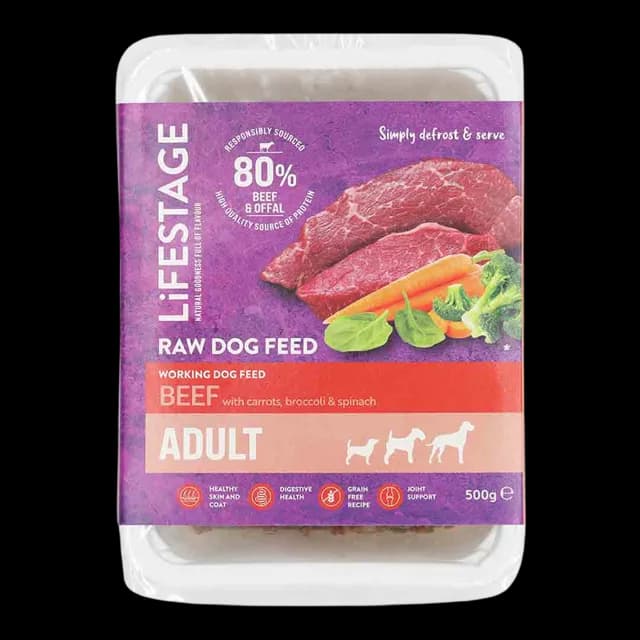

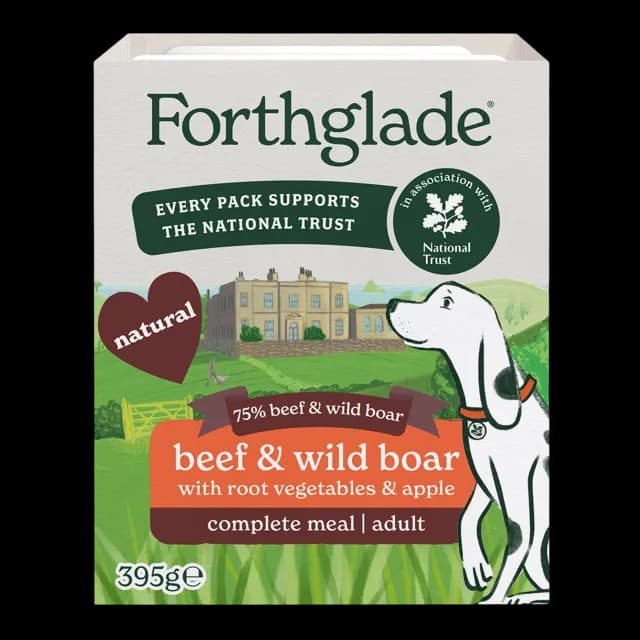
Ranked shortlists for Border Terriers
Want the full food shortlist?
See foods matched to your Border Terrier by score, price, life stage and fit.
Breed at a glance
- Exercise needs7/10
- Appetite9/10
- Trainability7/10
- Good with children8/10
- Shedding3/10
- Tolerates being alone3/10
The good & the worth-knowing
The good
- Affectionate and excellent with children
- A low-shedding coat with modest grooming needs
- A compact dog that lives a full-size life

Worth knowing
- Gains weight easily without portion discipline
- A strong prey drive and a taste for digging
- Dislikes long stretches alone
Best matched accessories
All accessoriesThe collections that suit the breed, judged by the same independent standard.


Common owner questions
How much exercise does a Border Terrier need?
An hour a day is about right, made up of walks, off-lead play in a secure area and some mental work. They carry real energy for their size, so a couple of shorter, varied outings often beat one long march.
Why does my Border Terrier always seem hungry?
It is a well-recognised breed trait rather than a fault in your feeding. Weigh out the daily allowance rather than free-feeding, keep treats to a tenth of the day or less, and the Food Finder can match a complete food to their size and activity.
Are Border Terriers easy to train?
Generally yes. They learn fast and respond well to positive, reward-based methods, though the terrier instincts mean recall around scents and small animals needs consistent practice from puppyhood.
What should I feed a Border Terrier to help keep weight off?
Feed to their waistline: you should feel the ribs easily without seeing them, and trim portions the moment weight starts to creep. A measured, moderate-energy complete food with treats counted inside the total beats free access every time.