


Most important facts
- Group
- Pastoral
- Size
- Large
- Weight
- 22–40 kg
- Lifespan
- 9–13 years
- Coat
- Double, medium
- Energy
- High
- Height
- 55–65 cm
- Colours
- Black and tan, sable, black
- Shedding
- Heavy
- Est. feeding cost
- ~£1.46 a day
- Gear to consider
- Orthopaedic bed, de-shedding brush, training harness
Typical dry food, adult
About the German Shepherd Dog
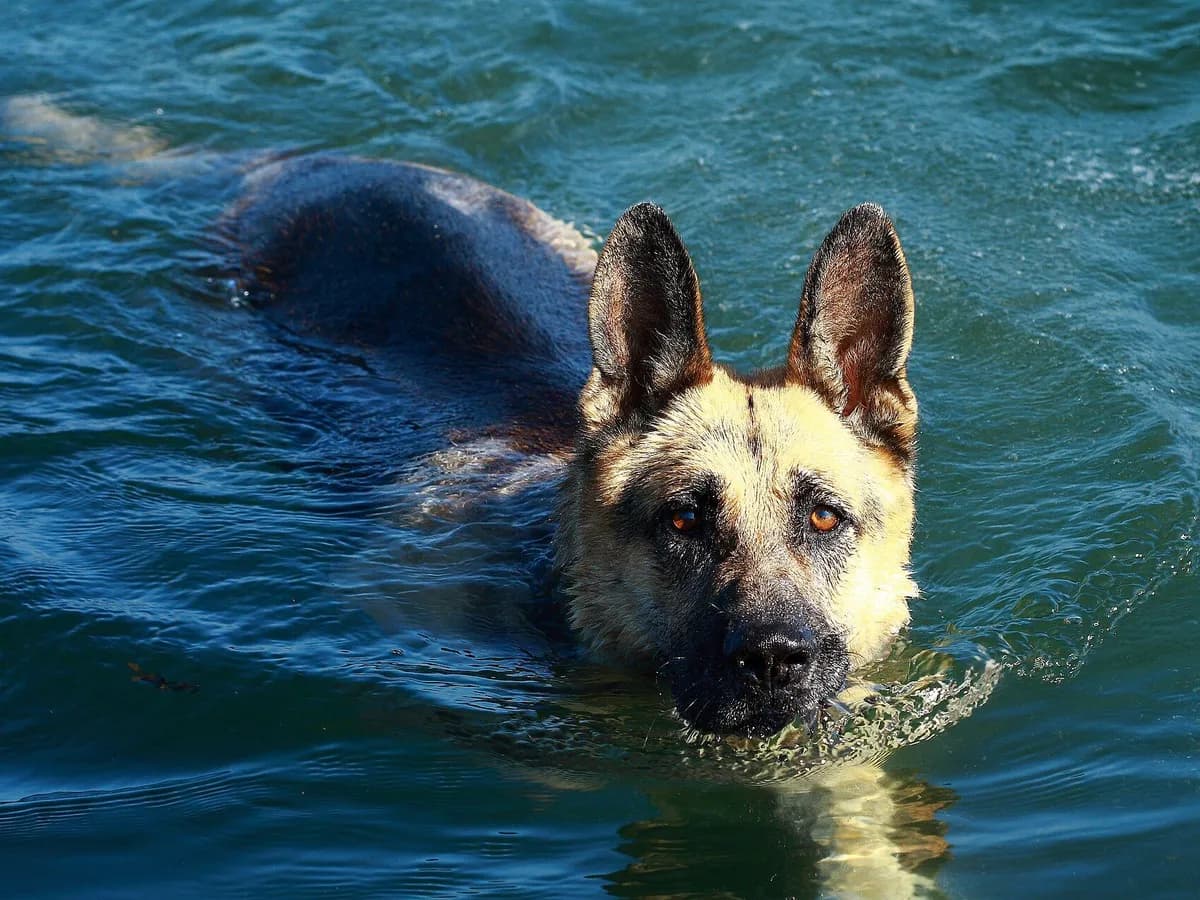
The German Shepherd was standardised in Germany at the end of the nineteenth century from farm herding dogs, with working ability the explicit goal. It went on to become the world's defining service breed, guiding, guarding, searching and working alongside police forces. That heritage sets the expectations: this is a dog built to work with a handler, and it is happiest doing exactly that.
German Shepherds are loyal, confident and protective of their family, with a guarding instinct that needs early socialisation and consistent training to point in the right direction. Done well, there are few more devoted or capable dogs.
They are clever dogs that bore easily, so they suit active, experienced owners who can give them work for the mind as well as the legs. Training, scent work and a proper routine matter as much to a Shepherd as the miles do. Half an hour of scent work tires a Shepherd more than another lap of the park.
Common health conditions
Things German Shepherd Dog owners commonly watch for. Guidance, not veterinary advice.
Hip & elbow dysplasia
Common in the breed. Steady puppy growth, sensible exercise on young joints and a lean adult weight are the protections that work.
Degenerative myelopathy
A progressive spinal condition with a DNA test available, so buy from breeders who test for it.
Sensitive digestion
A touchy gut is common. A steady, digestible food, regular meal times and gradual changes keep most Shepherds settled.
Anal furunculosis & skin
Watch the rear and skin for soreness, because early vet attention makes a real difference to how these problems run.
Feeding a German Shepherd Dog
A large, active dog of 22 to 40 kg needs a complete food with sensible energy density and joint support. Steady growth matters enormously as a puppy, because a Shepherd that shoots up fast loads its hips and elbows at exactly the wrong time. Adults settle well on two meals a day, and quieter seniors usually need a little less than habit suggests.
The breed often has a sensitive stomach, so pick a digestible recipe, keep meal times regular and change foods gradually over a week or more. The Food Finder asks about both digestion and activity, which is exactly the combination a Shepherd needs judged.
Every dog is different — weight, age and activity all shift what a German Shepherd Dog needs. The turns these breed tendencies into a shortlist matched to your dog’s age, size, budget and needs.
Typical adult weight
22–40 kg
Est. daily calories
850–2,000 kcal
A broad guide for an average-activity adult in good body condition — not veterinary advice. Real needs vary with age, neutering, activity, health and body condition, so no two German Shepherd Dogs eat exactly the same. Get a personalised estimate or estimate feeding costs.

- Per day
- ~£1.46
- Per month
- ~£44
- Per year
- ~£533
A broad typical monthly budget guide, not a live price quote. Food format, calorie density, pack size and retailer pricing all change the real cost.
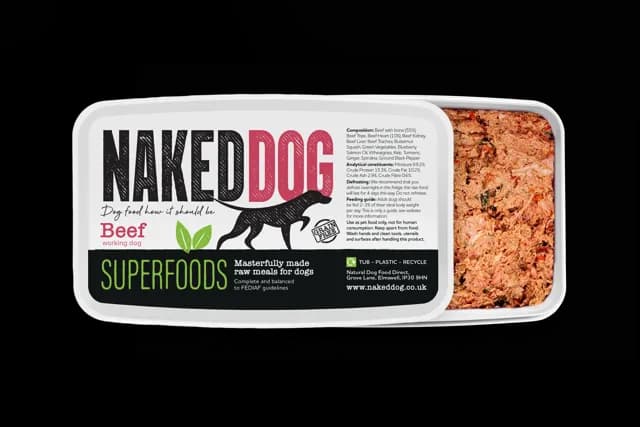
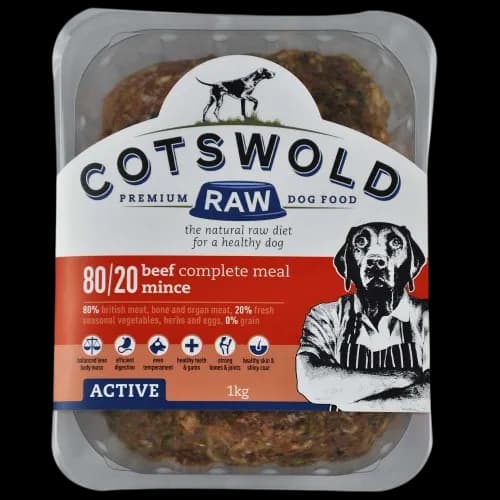
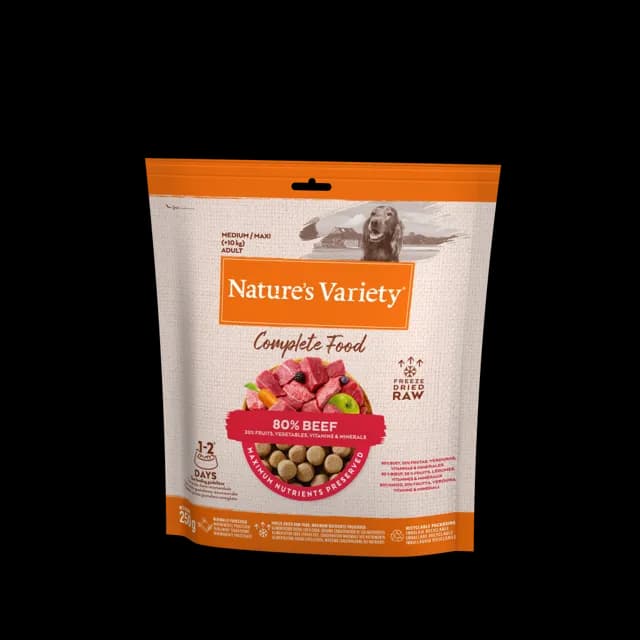
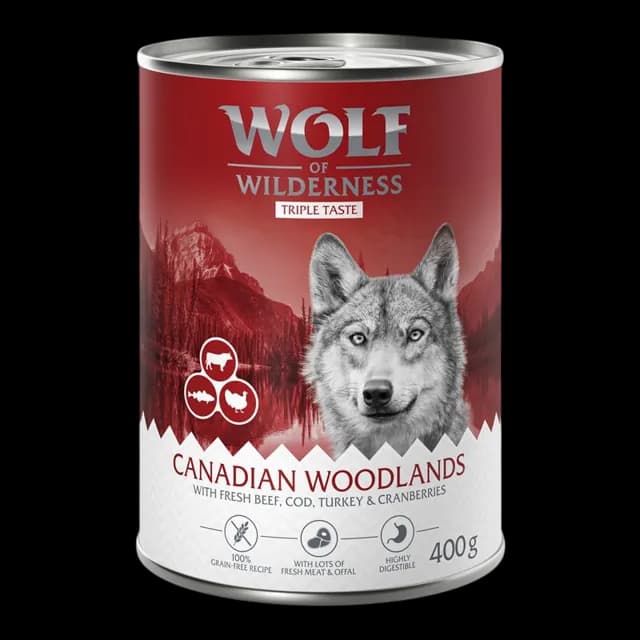
Best food for German Shepherd Dogs
All food reviewsMatched on score, life stage, food type, breed size, fit, value and retailer availability. How we score.

Ranked shortlists for German Shepherd Dogs
Want the full food shortlist?
See foods matched to your German Shepherd Dog by score, price, life stage and fit.
Breed at a glance
- Exercise needs9/10
- Appetite7/10
- Trainability9/10
- Good with children7/10
- Shedding9/10
- Tolerates being alone4/10
The good & the worth-knowing
The good
- Loyal, protective and quick to learn
- First-rate working and sport ability
- Devoted to their family

Worth knowing
- Needs experienced handling and lots of exercise
- Sheds very heavily
- Prone to hip and joint problems
Best matched accessories
All accessoriesThe collections that suit the breed, judged by the same independent standard.

Common owner questions
How much should I feed a German Shepherd?
Let the waistline set how much complete food to weigh out, split across two meals to sit easier on the stomach. A working Shepherd needs a fair bit more than a companion dog, so the right portion comes down to that dog's own weight, age and activity, never a breed figure. The Food Finder works all of it out. If yours trains hard at weekends, feed to the week's average rather than the biggest day.
What is the best food for a German Shepherd with a sensitive stomach?
Favour a digestible recipe with a clear named protein, feed at regular times and introduce changes gradually over a week or more. Keep treats simple while the stomach settles, and if problems persist despite a steady diet, involve your vet. The Food Finder asks about digestion so it can rank gentler foods first.
What should I feed a German Shepherd puppy?
A complete puppy or large-breed food that supports steady rather than rapid growth, which is what protects the hips and elbows. Don't add extras to a complete puppy food, because the balance is the point. The Food Finder accounts for age and size when it builds a shortlist.