




Most important facts
- Group
- Gundog
- Size
- Medium
- Weight
- 12–15 kg
- Lifespan
- 12–14 years
- Coat
- Silky, feathered
- Energy
- High
- Height
- 38–41 cm
- Colours
- Black, golden, liver and roans
- Shedding
- Moderate
- Est. feeding cost
- ~£0.88 a day
- Gear to consider
- Slicker brush, tall spaniel bowl, quick-dry towel
Typical dry food, adult
About the English Cocker Spaniel
The Cocker Spaniel is one of Britain's oldest gundog breeds, developed to flush and retrieve woodcock, which is where the name comes from. Working and show lines have drifted apart over the last century, with working Cockers lighter and busier and show dogs heavier-coated and calmer. Both keep the soft mouth, the busy tail and the appetite for a day outdoors.
Cocker Spaniels are playful and closely tuned in to their owners, which makes them devoted companions and capable working dogs. They read the household mood, and a kind, consistent routine gets far more from one than a firm hand ever will.
They are genuinely energetic and thrive on daily exercise and things to think about, whether that is proper walks, scent games or work in the field. A bored, under-walked spaniel is an unhappy one, and the food bill is easier to justify when it is being burned off.
Common health conditions
Things English Cocker Spaniel owners commonly watch for. Guidance, not veterinary advice.
Ear infections
Long, feathered ears trap moisture and grass seeds. Clean and dry them routinely, especially after wet walks and swims.
Inherited eye disease
Progressive retinal atrophy, cataracts and glaucoma occur in the breed, so buy from parents with current eye test certificates.
Weight gain & obesity
A food-keen spaniel is easy to overfeed. Portion to their waistline and count the treats. Lean weeks can balance the indulgent ones.
Hip dysplasia
Screened in breeding dogs. Keep growth steady as a puppy and weight sensible in adulthood to protect the joints.
Feeding a English Cocker Spaniel
An active spaniel needs enough energy density to fuel the day's running, from a complete food where the protein is named. At 12 to 15 kg they sit in the middle of the size range, so neither toy-dog portions nor big-dog scoops fit. Working strains often need noticeably more than show-bred pets, so let condition guide you between the two.
Because the breed gains weight easily when it does less, portion to their waistline rather than the top of the pack guide, and trim the amount in quieter weeks. Matching the portion to what your dog actually does is exactly what the Food Finder works out.
Every dog is different — weight, age and activity all shift what a English Cocker Spaniel needs. The turns these breed tendencies into a shortlist matched to your dog’s age, size, budget and needs.
Typical adult weight
12–15 kg
Est. daily calories
540–960 kcal
A broad guide for an average-activity adult in good body condition — not veterinary advice. Real needs vary with age, neutering, activity, health and body condition, so no two English Cocker Spaniels eat exactly the same. Get a personalised estimate or estimate feeding costs.


- Per day
- ~£0.88
- Per month
- ~£27
- Per year
- ~£320
A broad typical monthly budget guide, not a live price quote. Food format, calorie density, pack size and retailer pricing all change the real cost.
Best food for English Cocker Spaniels
All food reviewsMatched on score, life stage, food type, breed size, fit, value and retailer availability. How we score.
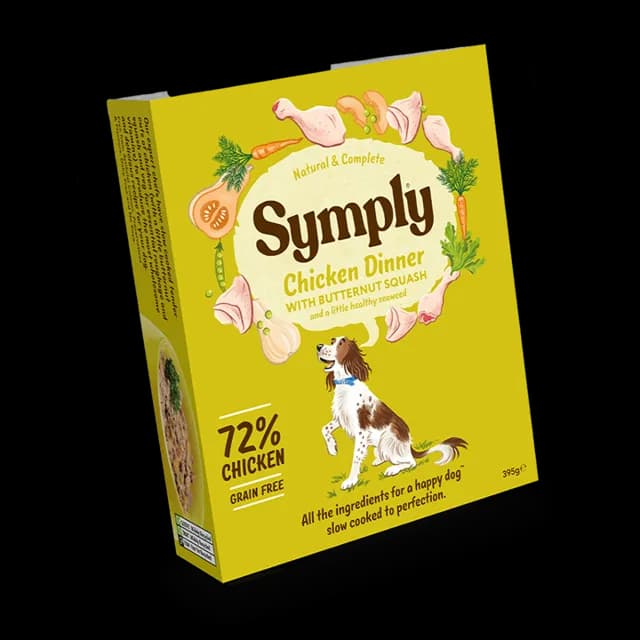
Ranked shortlists for English Cocker Spaniels
Want the full food shortlist?
See foods matched to your English Cocker Spaniel by score, price, life stage and fit.
Breed at a glance
- Exercise needs8/10
- Appetite7/10
- Trainability7/10
- Good with children8/10
- Shedding6/10
- Tolerates being alone4/10
The good & the worth-knowing
The good
- An affectionate, sociable family dog
- Capable, biddable working ability
- Loves exercise and the outdoors

Worth knowing
- Ears need routine cleaning
- Needs plenty of daily exercise
- The coat needs regular grooming
Best matched accessories
All accessoriesThe collections that suit the breed, judged by the same independent standard.
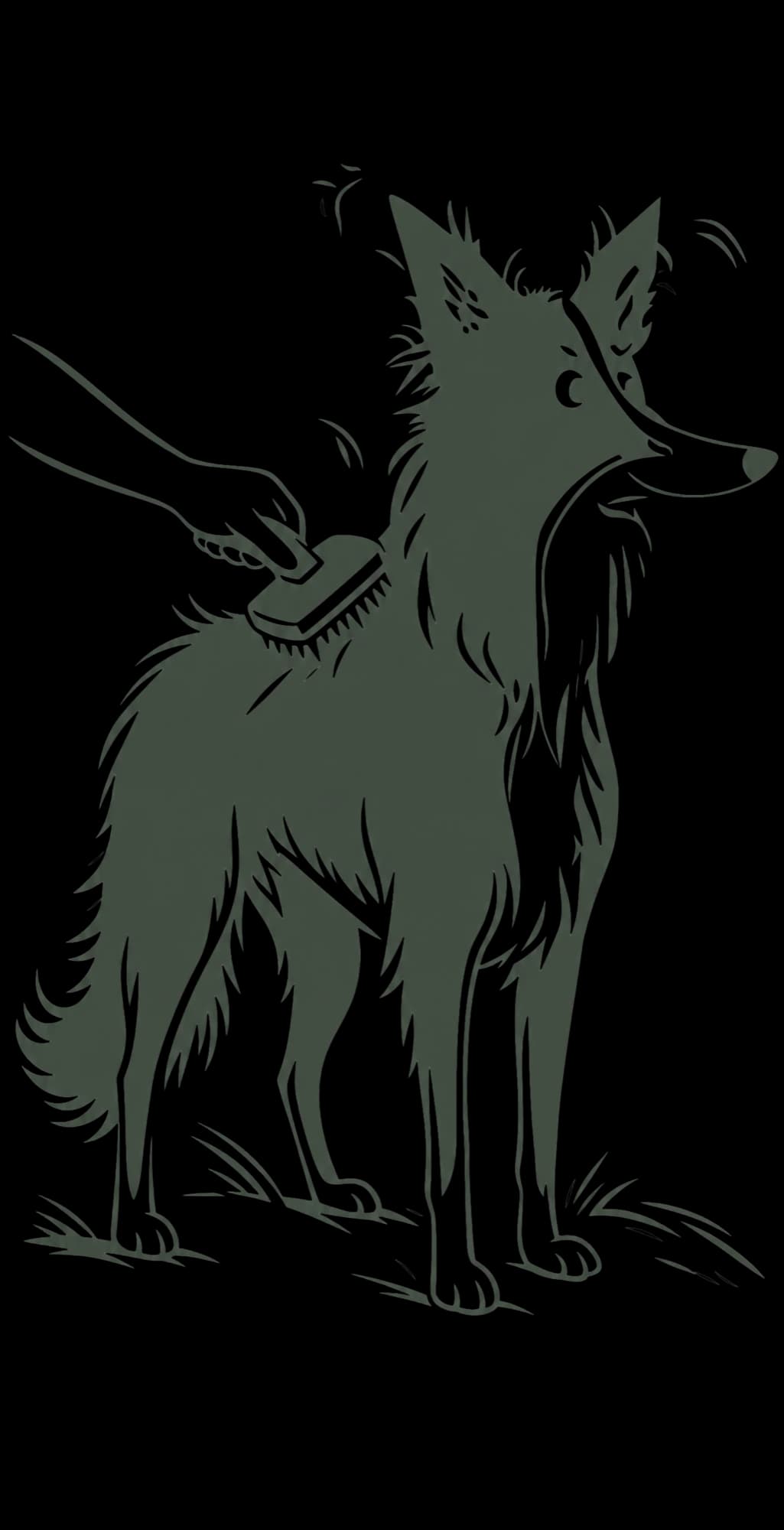



Common owner questions
How much should I feed a Cocker Spaniel?
Feed to their waistline, because an active spaniel needs more than a sedate one and the same dog needs less in a quiet week than a busy one. Weigh the daily amount, split it over two meals and count the training treats. There is no one right amount for the breed, and the Food Finder sizes the portion to weight, age and how much yours does.
What is the best food for a Cocker Spaniel?
Look for sensible energy density and a clearly named protein, in a complete recipe that fuels real exercise without padding a rest day. If skin or ears play up, a simpler formula with fewer ingredients can help. See the matched foods below or run the Food Finder for a ranked shortlist built around your dog. On training days, take the treats out of the daily ration rather than adding them on top.
How do I stop my Cocker Spaniel gaining weight?
Measure the portions, count treats in the daily total and adjust to their waistline every few weeks. You should feel ribs easily under a light covering. Plenty of exercise helps, but portion discipline matters most, and swapping shop treats for a share of the daily food is the easiest saving.