



Most important facts
- Group
- Utility
- Size
- Small
- Weight
- 8–14 kg
- Lifespan
- 10–12 years
- Coat
- Short, smooth
- Energy
- Low
- Height
- About 30 cm
- Colours
- Brindle, fawn, pied
- Shedding
- Moderate
- Est. feeding cost
- ~£0.67 a day
- Gear to consider
- Cooling mat, no-pull harness, slow-feeder bowl
Typical dry food, adult
About the French Bulldog
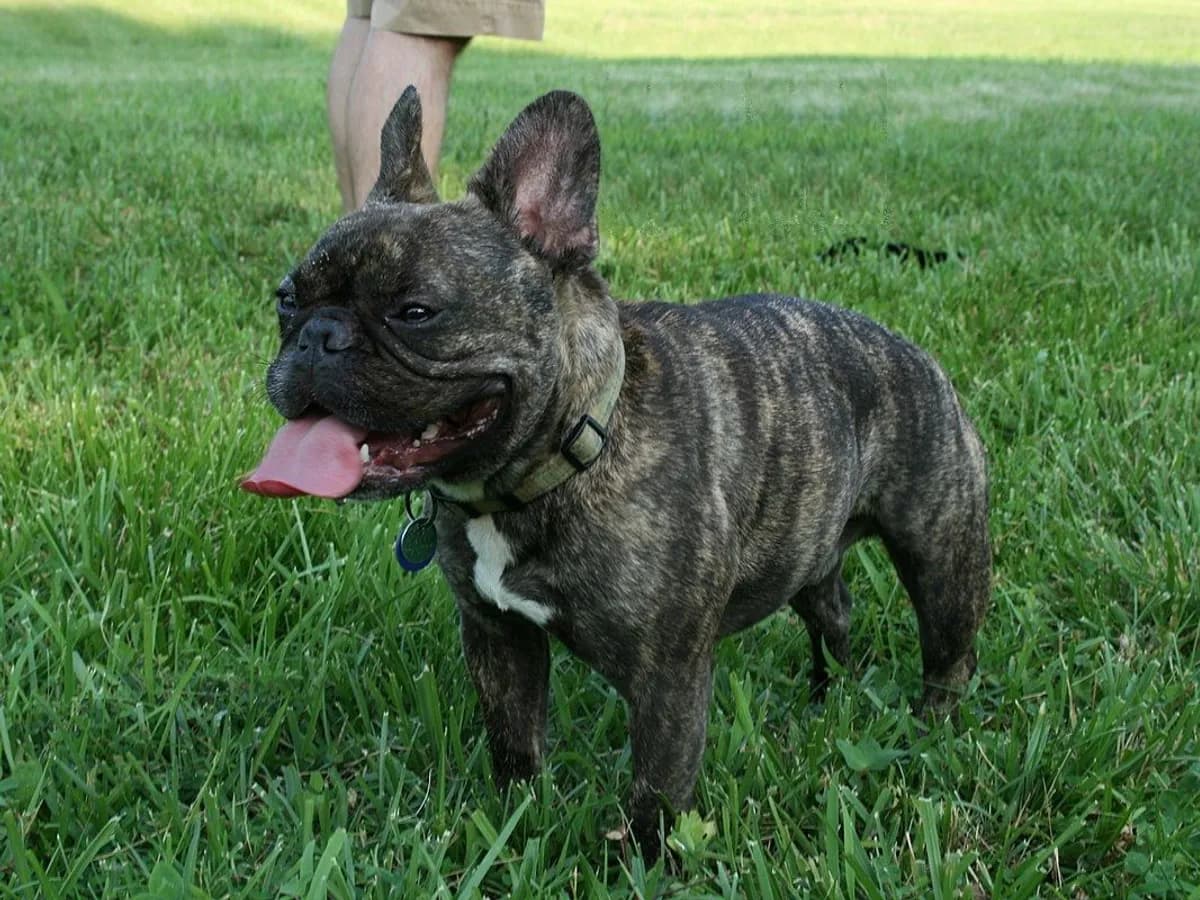
The French Bulldog descends from small bulldogs taken to France by Nottingham lace workers in the nineteenth century, where the breed picked up its bat ears and its city manners. It became a companion through and through, bred for character rather than work. The breed's popularity in Britain has boomed in recent years, and with it the importance of buying from health-focused breeders.
Frenchies are affectionate, playful clowns that love human company and don't ask for much exercise. A short walk, a game and a warm lap suit them well, and they would far rather be with you than in another room. Many happily learn tricks for the fun of it, and their expressions do half the talking.
As a flat-faced breed they overheat quickly and can struggle in warm weather, so gentle activity, shade and somewhere cool to flop matter for their comfort. Walk early or late when it's hot, and let the sofa win in between.
Common health conditions
Things French Bulldog owners commonly watch for. Guidance, not veterinary advice.
BOAS (breathing)
The flat face can restrict the airway. Keep them lean, cool and calm, skip exercise in the heat and talk to your vet about noisy breathing.
Skin-fold dermatitis
Facial and body folds trap moisture, so gentle, regular cleaning and thorough drying keep the skin comfortable.
Spinal & disc problems
The breed's build puts strain on the back. Discourage big jumps, use ramps where you can and keep weight off the spine.
Eye conditions
Prominent eyes pick up injuries and cherry eye, so watch for redness or weeping and get to the vet early.
Feeding a French Bulldog
Keep your Frenchie lean on a complete, digestible food, because carrying extra weight makes their breathing noticeably harder. At 8 to 14 kg they don't need much food, which makes every treat a bigger share of the day than it looks.
Many do best on a steady, simple recipe fed at the same times each day. If wind or loose stools are a problem, a sensitive formula, smaller meals and slower feeding all help, and the Food Finder asks about digestion for exactly this reason.
Every dog is different — weight, age and activity all shift what a French Bulldog needs. The turns these breed tendencies into a shortlist matched to your dog’s age, size, budget and needs.
Typical adult weight
8–14 kg
Est. daily calories
400–710 kcal
A broad guide for an average-activity adult in good body condition — not veterinary advice. Real needs vary with age, neutering, activity, health and body condition, so no two French Bulldogs eat exactly the same. Get a personalised estimate or estimate feeding costs.


- Per day
- ~£0.67
- Per month
- ~£20
- Per year
- ~£245
A broad typical monthly budget guide, not a live price quote. Food format, calorie density, pack size and retailer pricing all change the real cost.
Find the right food for your French Bulldog
Foods ranked to your dog
Answer a few quick questions and the Food Finder ranks foods to your French Bulldog by score, price, life stage and fit.
Breed at a glance
- Exercise needs3/10
- Appetite6/10
- Trainability5/10
- Good with children8/10
- Shedding4/10
- Tolerates being alone3/10
The good & the worth-knowing
The good
- An affectionate, low-exercise companion
- Well suited to flats and smaller homes
- Sociable and good with children

Worth knowing
- Serious breathing risks from the flat face
- Overheats easily in warm weather
- Insurance and vet bills can run high
Best matched accessories
All accessoriesThe collections that suit the breed, judged by the same independent standard.




Common owner questions
How much should I feed a French Bulldog?
Keep your Frenchie lean, because extra weight makes breathing harder. Weigh a complete food out to their waistline, and go easy on treats, which add up fast on a small dog. How much that means in the bowl varies dog to dog, and the Food Finder sizes the portion to your dog's weight, age and activity.
What food is best for a French Bulldog with a sensitive stomach?
Favour a digestible, simple recipe, feed smaller meals at regular times and introduce any change slowly over a week or more. A slow feeder helps if yours gulps, and gulped air is behind a lot of Frenchie wind. If problems keep coming back, ask your vet about it. The Food Finder asks about digestion so it can rank gentler foods.
Do French Bulldogs need grain-free food?
Usually not, unless a sensitivity has been diagnosed, and the trigger is more often a specific protein than grain. Swapping foods on a guess makes a sensitive stomach worse, so change one thing at a time. We judge grain-free and grain-inclusive foods by the same standard. If you do change, do it over a week and judge the result on the dog rather than the marketing.
Similar breeds
Photo: Ildar Sagdejev (Specious), CC BY-SA 4.0, via Wikimedia Commons