


Most important facts
- Group
- Gundog
- Size
- Large
- Weight
- 25–34 kg
- Lifespan
- 10–12 years
- Coat
- Dense, feathered
- Energy
- High
- Height
- 51–61 cm
- Colours
- Cream to gold
- Shedding
- Heavy
- Est. feeding cost
- ~£1.47 a day
- Gear to consider
- Undercoat rake, durable fetch toys, orthopaedic bed
Typical dry food, adult
About the Golden Retriever
The Golden Retriever was developed in the Scottish Highlands in the late nineteenth century by Lord Tweedmouth, who wanted a strong, gentle retriever for rough ground and cold water. The wavy-coated result proved as biddable at home as in the field. Goldens now split loosely into working and show types, but the soft mouth and softer temperament run through both.
Goldens are sweet-natured and sociable. They are wonderful with children, and they get along with people and other pets with an ease few breeds match. They were bred to work alongside people all day, and that biddable, gentle streak is still what defines them. They stay puppyish for years, which is charming right up until the puppy weighs thirty kilos.
They are clever and easy to train, but also food-keen and active, so they do best with daily exercise and a watchful eye on the bowl. A Golden considers itself entitled to whatever you are eating, and the soulful stare is professional grade.
Common health conditions
Things Golden Retriever owners commonly watch for. Guidance, not veterinary advice.
Hip & elbow dysplasia
Large-breed joint conditions run in the breed. Steady growth as a puppy and a healthy adult weight take real strain off the joints.
Cancer
The breed sees more cancer than many, so regular vet checks and getting lumps looked at early make a genuine difference.
Inherited eye disease
Cataracts and glaucoma occur, so buy from breeders who screen the parents' eyes and can show the certificates.
Ear infections & skin
Floppy ears and a dense coat make routine ear checks worth the effort. Drying after swims and regular brushing earn their keep too.
Feeding a Golden Retriever
Aim for a complete, large-breed-appropriate food with sensible energy density. Many adult Goldens do well on a moderate-fat recipe with added joint support, and at 25 to 34 kg the difference between lean and heavy is measured in kilos, not grams. Quieter seniors usually need a little less than habit suggests.
The breed gains weight readily, so weigh the portions, portion to their waistline and count the treats. Steady growth matters for puppies too, because a big-breed pup that grows fast loads its joints. The Food Finder sizes the portion to weight, age and activity.
Every dog is different — weight, age and activity all shift what a Golden Retriever needs. The turns these breed tendencies into a shortlist matched to your dog’s age, size, budget and needs.
Typical adult weight
25–34 kg
Est. daily calories
940–1,770 kcal
A broad guide for an average-activity adult in good body condition — not veterinary advice. Real needs vary with age, neutering, activity, health and body condition, so no two Golden Retrievers eat exactly the same. Get a personalised estimate or estimate feeding costs.

- Per day
- ~£1.47
- Per month
- ~£45
- Per year
- ~£539
A broad typical monthly budget guide, not a live price quote. Food format, calorie density, pack size and retailer pricing all change the real cost.
Best food for Golden Retrievers
All food reviewsMatched on score, life stage, food type, breed size, fit, value and retailer availability. How we score.
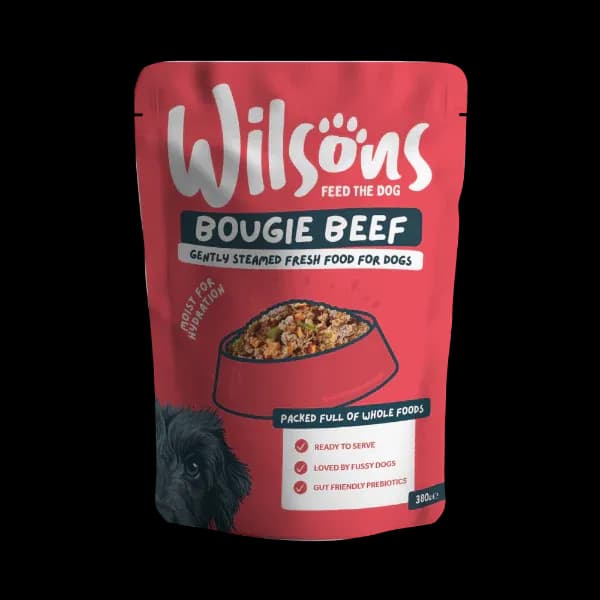
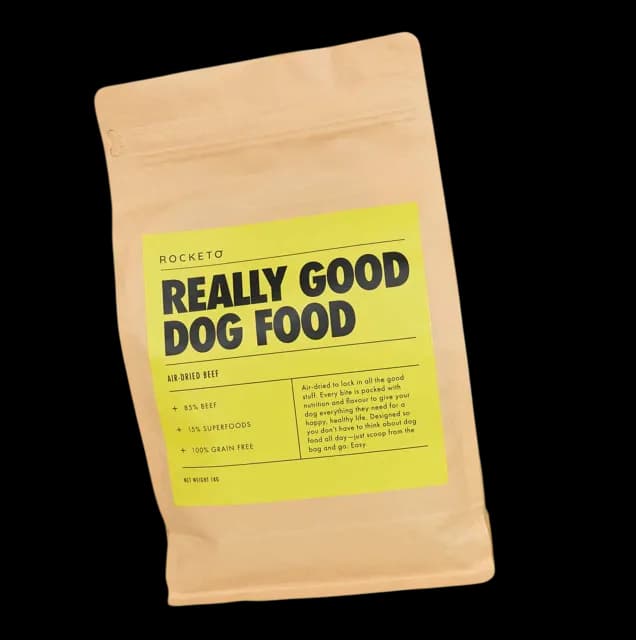
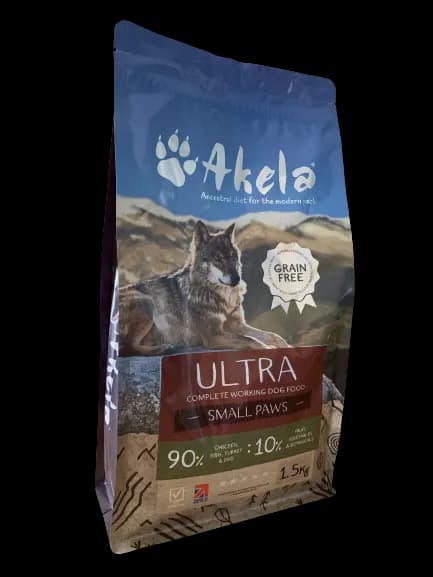
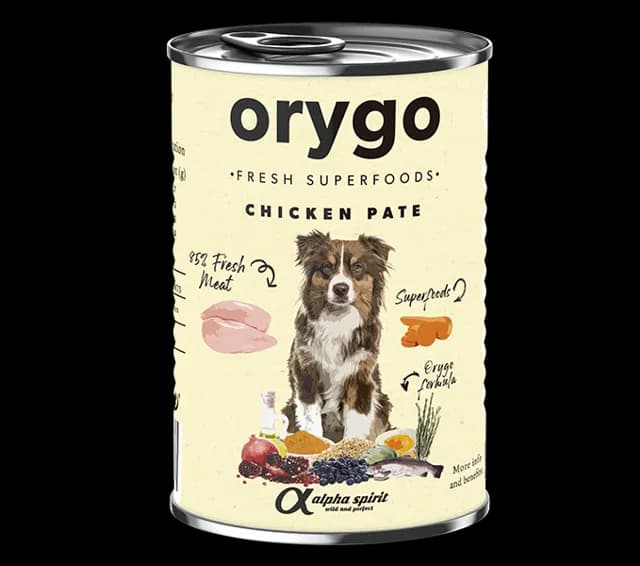
Ranked shortlists for Golden Retrievers
Want the full food shortlist?
See foods matched to your Golden Retriever by score, price, life stage and fit.
Breed at a glance
- Exercise needs8/10
- Appetite8/10
- Trainability9/10
- Good with children9/10
- Shedding8/10
- Tolerates being alone4/10
The good & the worth-knowing
The good
- A gentle, reliable family temperament
- Easy to train and eager to please
- Sociable with people and pets
Worth knowing
- Sheds heavily all year
- Gains weight easily
- A higher cancer risk than many breeds
Best matched accessories
All accessoriesThe collections that suit the breed, judged by the same independent standard.
Common owner questions
How much should I feed a Golden Retriever?
Their waistline sets the portion, not the pack maximum, so weigh the daily amount of a complete food and split it across two meals. No single amount fits the breed. A working Golden needs a good deal more than a garden one. The Food Finder sizes the portion from your dog's weight and age and its activity, not a one-size chart.
What is the best food for a Golden Retriever?
The breed does well on a complete food that names its protein clearly and gets the energy density right. Joint support helps, and a moderate-fat recipe keeps the food-keen ones lean. A large-breed puppy food suits pups best, because it keeps growth steady. The matched foods below are a good place to start, or let the Food Finder rank a shortlist for yours. A slow feeder stretches dinner out for a fast eater.
How do I stop my Golden Retriever gaining weight?
Measure every portion, count the treats and check their waistline every few weeks. You should feel the ribs without pressing. A lighter recipe can help, but the reliable saving is swapping extras for a share of the daily food and holding the line against the stare. Portion control does most of the work.