


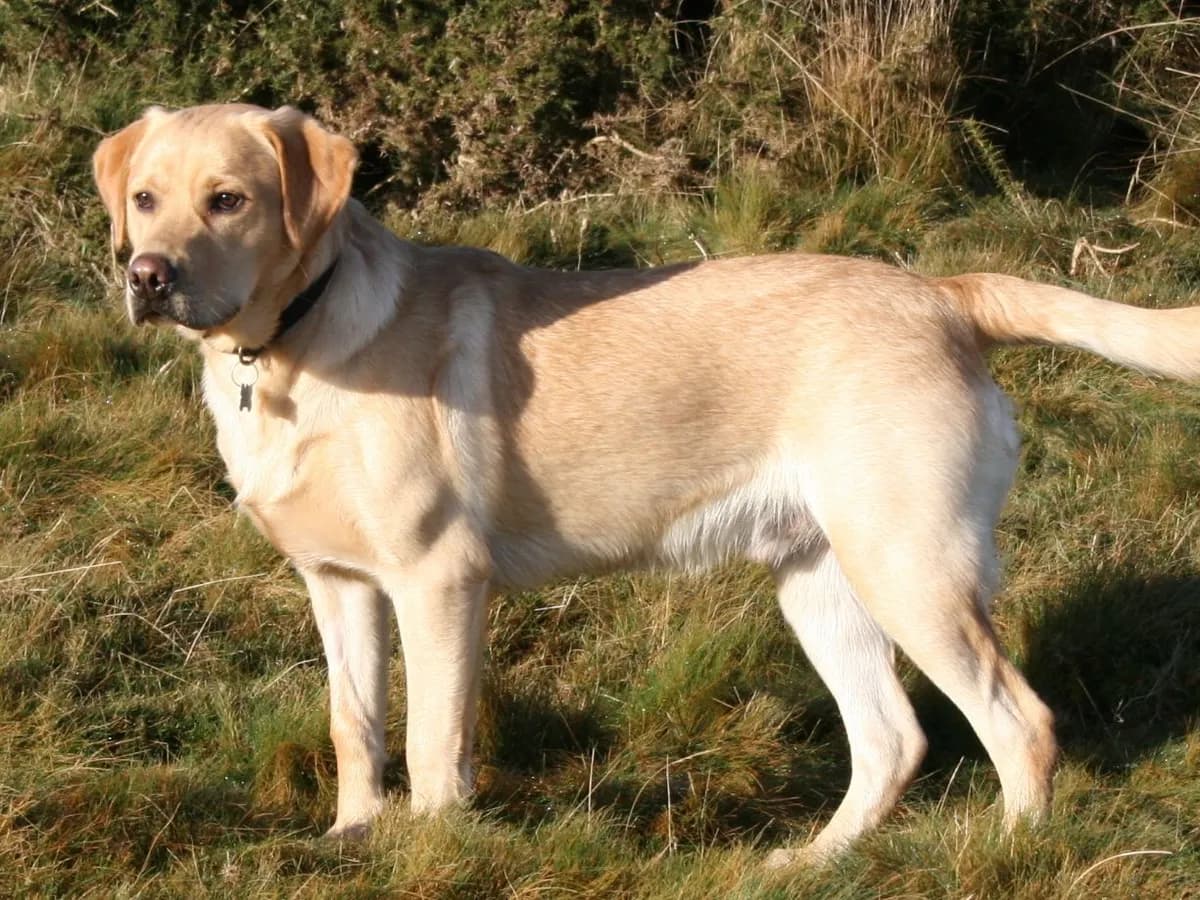

Most important facts
- Group
- Gundog
- Size
- Large
- Weight
- 25–35 kg
- Lifespan
- 10–12 years
- Coat
- Short, dense
- Energy
- High
- Height
- 55–57 cm
- Colours
- Black, yellow, chocolate
- Shedding
- Heavy
- Est. feeding cost
- ~£1.48 a day
- Gear to consider
- Slow-feeder bowl, tough retrieving toys, no-pull harness
Typical dry food, adult
About the Labrador Retriever
The Labrador began as a fisherman's dog in Newfoundland, hauling nets and retrieving from cold water, and came to Britain in the early nineteenth century where it was refined as a gundog. That working past still shows in the waterproof coat, the otter tail and the urge to carry things. Today they work as assistance, detection and therapy dogs as much as they retrieve, which says everything about the temperament.
Labradors are sociable and easy to train. Their stomach rules them. That appetite is part of what makes them such willing learners, because a Labrador will do a great deal for a biscuit. It also means the bowl, the treat tin and the counting between them are where good feeding starts.
A working Labrador spending its days in the field burns a very different amount of energy from a sofa companion whose big outing is the park. The right food and the right amount depend on the dog in front of you, not the breed name, so judge by what yours actually does.
Common health conditions
Things Labrador Retriever owners commonly watch for. Guidance, not veterinary advice.
Weight gain & obesity
The breed's appetite makes overfeeding easy. Portion to their waistline, count every treat in the daily total and check their shape every few weeks.
Hip & elbow dysplasia
Keep growth steady rather than fast as a puppy, and keep extra weight off the joints through adulthood. Lean dogs load their hips less.
Joint & mobility issues
A sensible energy density and added joint support help as they age, and keeping them lean does more for stiff joints than any supplement.
Ear infections
Those drop ears trap moisture after swims and wet walks. Routine checks and drying matter more than anything in the bowl here.
Feeding a Labrador Retriever
Most adult Labradors suit a complete food that names its protein clearly and keeps energy density sensible, and many do well on a moderate-fat recipe. With a dog of this size, typically 25 to 35 kg, the difference between a lean recipe and a rich one adds up quickly over a month of bowls.
Because the breed gains weight so easily, portion to their waistline and not to the top of the pack guide. Weigh the food out, and do not judge by eye. A handful more a day is how Labradors get heavy. Sizing the portion to your dog is exactly what the Food Finder works out.
Every dog is different — weight, age and activity all shift what a Labrador Retriever needs. The turns these breed tendencies into a shortlist matched to your dog’s age, size, budget and needs.
Typical adult weight
25–35 kg
Est. daily calories
940–1,810 kcal
A broad guide for an average-activity adult in good body condition — not veterinary advice. Real needs vary with age, neutering, activity, health and body condition, so no two Labrador Retrievers eat exactly the same. Get a personalised estimate or estimate feeding costs.


- Per day
- ~£1.48
- Per month
- ~£45
- Per year
- ~£541
A broad typical monthly budget guide, not a live price quote. Food format, calorie density, pack size and retailer pricing all change the real cost.
Best food for Labrador Retrievers
All food reviewsMatched on score, life stage, food type, breed size, fit, value and retailer availability. How we score.
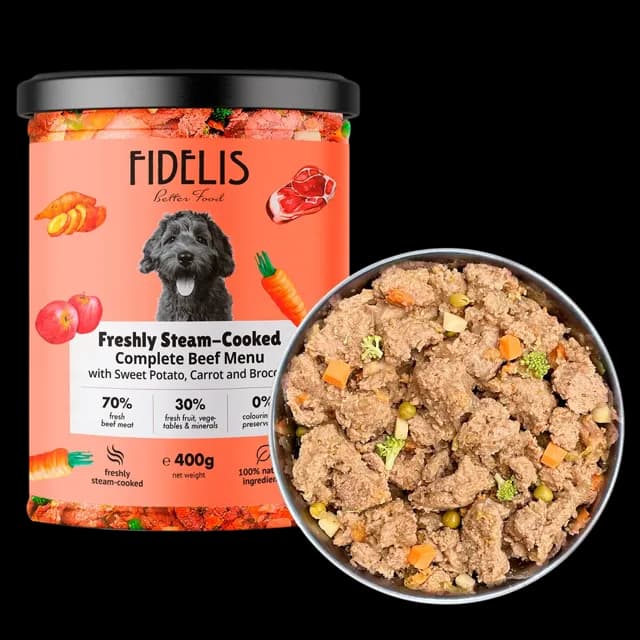

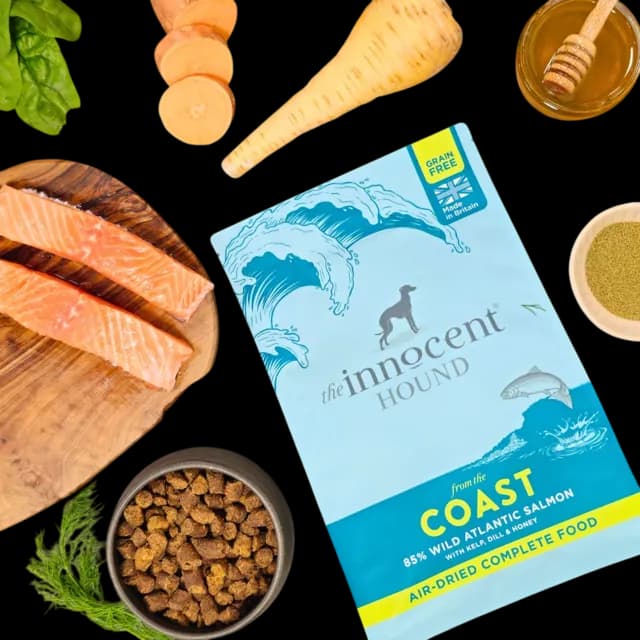
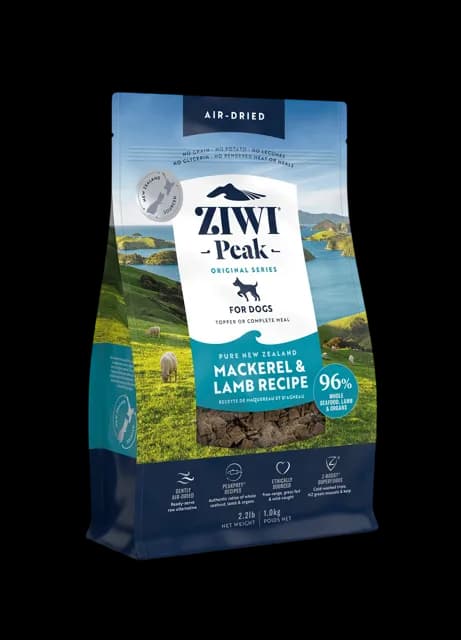
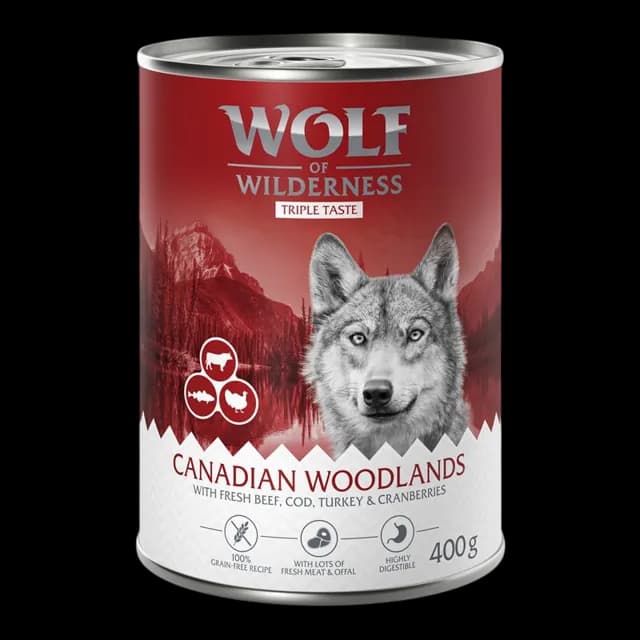
Ranked shortlists for Labrador Retrievers
Want the full food shortlist?
See foods matched to your Labrador Retriever by score, price, life stage and fit.
Breed at a glance
- Exercise needs8/10
- Appetite9/10
- Trainability8/10
- Good with children9/10
- Shedding7/10
- Tolerates being alone4/10
The good & the worth-knowing
The good
- Eager to please and easy to train
- A first-rate family temperament
- Thrives in active homes

Worth knowing
- Gains weight easily
- Needs plenty of daily exercise
- Sheds all year round
Best matched accessories
All accessoriesThe collections that suit the breed, judged by the same independent standard.



Common owner questions
How much should I feed a Labrador?
Feed to their waistline, not the top of the pack guide. Weigh the daily amount, do not scoop by eye, and split it across two meals. There is no single right amount for the breed, because the portion depends on weight, age and how much your dog actually does. The Food Finder asks about all of it.
What is the best food for a Labrador?
There is no single best food for the breed. The strongest matches are complete recipes with a clear named protein and sensible energy density, so a big appetite gets satisfied without the calories running away. If your dog inhales meals, a slow feeder earns its keep too. See the matched foods below or run the Food Finder for a ranked shortlist.
Do Labradors need grain-free food?
Most don't. Grain-free matters only if your dog has a diagnosed sensitivity, and an itchy Labrador is more often reacting to fleas, pollen or a specific protein than to grain. Grain-free and grain-inclusive foods deserve judging by the same standard, so weigh each recipe on its own merits rather than the front of the bag.
How do I stop my Labrador gaining weight?
Measure the portions, count treats as part of the daily total and check their waistline every few weeks. The ribs should be easy to feel under a light covering. A lighter recipe can help, and swapping shop-bought treats for a share of the daily kibble helps more, but portion discipline does most of the work.
Similar breeds
Photo: IDS.photos from Tiverton, UK, CC BY-SA 2.0, via Wikimedia Commons