


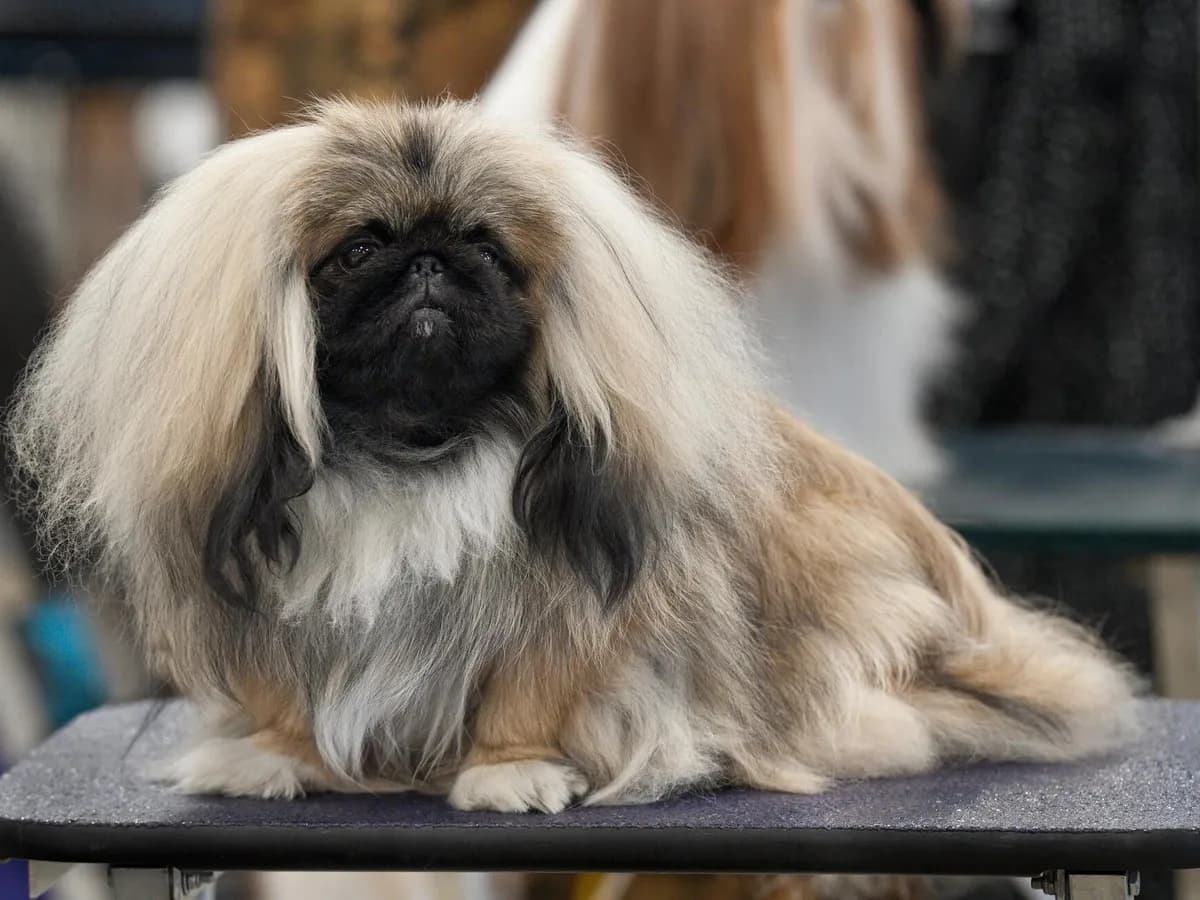

Most important facts
- Group
- Toy
- Size
- Toy
- Weight
- 3.5–6 kg
- Lifespan
- 12–14 years
- Coat
- Long
- Energy
- Low
- Height
- 15–23 cm
- Colours
- All colours except albino, liver and merle
- Shedding
- Moderate
- Est. feeding cost
- ~£0.37 a day
- Gear to consider
- Shallow wide food/water bowls, well-fitted soft harness (not a collar), slicker brush and grooming comb
Typical dry food, adult
About the Pekingese
The Pekingese was the sacred lion dog of the Chinese imperial court, bred within the palace walls for centuries, with the smallest carried in the sleeves of court robes. The breed reached Britain in 1860 when soldiers looted the Summer Palace and brought five dogs home, one of them presented to Queen Victoria and pointedly named Looty. It has traded palaces for sofas without lowering its expectations.
Pekingese are confident, dignified little dogs, often described as having the presence of a much larger breed. They form close bonds with their owners and can be aloof with strangers, so early, positive socialisation pays off. Their independent streak, bred over centuries as palace companions, can translate into a wilful side when training.
Calm routines and steady human company suit the breed, and it does not tolerate long periods alone well. Its low exercise needs and affectionate nature suit a quieter household, though care must always be taken with heat and exertion given its flat face. Mealtimes are best kept calm and unhurried, matching its settled pace of life.
Common health conditions
Things Pekingese owners commonly watch for. Guidance, not veterinary advice.
Brachycephalic Obstructive Airway Syndrome (BOAS)
The very flat face restricts airflow, so these dogs snore and cope poorly with heat. Keep this breed lean and feed calmly. Vigorous exercise either side of meals is best avoided.
Eye problems (corneal ulcers, entropion, dry eye)
Large, prominent eyes are at greater risk of scratches, ulcers and dryness. Keep facial folds clean and dry, and have any redness or squinting checked promptly.
Skin fold dermatitis
Skin creases around the face can trap moisture and become sore. Clean the folds regularly and feed a skin-supportive diet.
Intervertebral disc disease (IVDD) and patellar luxation
The long back and short legs make disc and kneecap problems more likely. Maintain a lean body condition to reduce strain on the spine and joints.
Dental disease
The compact jaw can lead to crowded teeth and plaque build-up. Use suitably sized kibble and keep up regular dental care.
Feeding a Pekingese
A Pekingese's exercise needs are modest, so daily energy requirements are relatively low and it is easy to overfeed. Because the breed is prone to airway problems, even a small surplus of fat around the chest and neck worsens breathing and heat intolerance. Measure portions and keep treats minimal. A small kibble suits the compact jaw.
Skin fold dermatitis and dental crowding mean coat, skin and dental support are worth prioritising in a food, alongside a formula that maintains lean condition to protect the spine and knees. Split meals across two calm sittings, and keep fresh water available in a wide, shallow bowl that's easy for a flat-faced dog to drink from.
Every dog is different — weight, age and activity all shift what a Pekingese needs. The turns these breed tendencies into a shortlist matched to your dog’s age, size, budget and needs.
Typical adult weight
3.5–6 kg
Est. daily calories
210–380 kcal
A broad guide for an average-activity adult in good body condition — not veterinary advice. Real needs vary with age, neutering, activity, health and body condition, so no two Pekingeses eat exactly the same. Get a personalised estimate or estimate feeding costs.


- Per day
- ~£0.37
- Per month
- ~£11
- Per year
- ~£134
A broad typical monthly budget guide, not a live price quote. Food format, calorie density, pack size and retailer pricing all change the real cost.
Find the right food for your Pekingese
Foods ranked to your dog
Answer a few quick questions and the Food Finder ranks foods to your Pekingese by score, price, life stage and fit.
Breed at a glance
- Exercise needs3/10
- Appetite6/10
- Trainability4/10
- Good with children4/10
- Shedding6/10
- Tolerates being alone3/10
The good & the worth-knowing
The good
- Affectionate, loyal companion that bonds closely with its household
- Low exercise needs suit a calmer, less active lifestyle
- Confident, dignified character with plenty of personality

Worth knowing
- Brachycephalic breathing means careful management of heat, weight and exercise for life
- Daily coat grooming and regular facial fold cleaning are non-negotiable
- Can be wilful and slow to train, needing patient, consistent handling
Best matched accessories
All accessoriesThe collections that suit the breed, judged by the same independent standard.



Common owner questions
How much exercise does a Pekingese need?
Relatively little. A daily total of around 30 minutes in short, gentle sessions is usually enough, avoiding the heat of the day and strenuous activity that could trigger breathing difficulties.
How much should I feed my Pekingese?
Feed to maintain a lean body condition rather than following a generic guideline, since carried weight puts extra strain on this breed's airway and back. Our Food Finder can help match a portion and formula to your dog's size and activity level.
Why does my Pekingese snore and snort so much?
This is typical of brachycephalic breeds and relates to their shortened airway. Mention it to your vet if snorting is frequent or breathing sounds laboured, and keep your dog at a healthy weight to ease the symptoms.
Does a Pekingese need a special diet for its skin and coat?
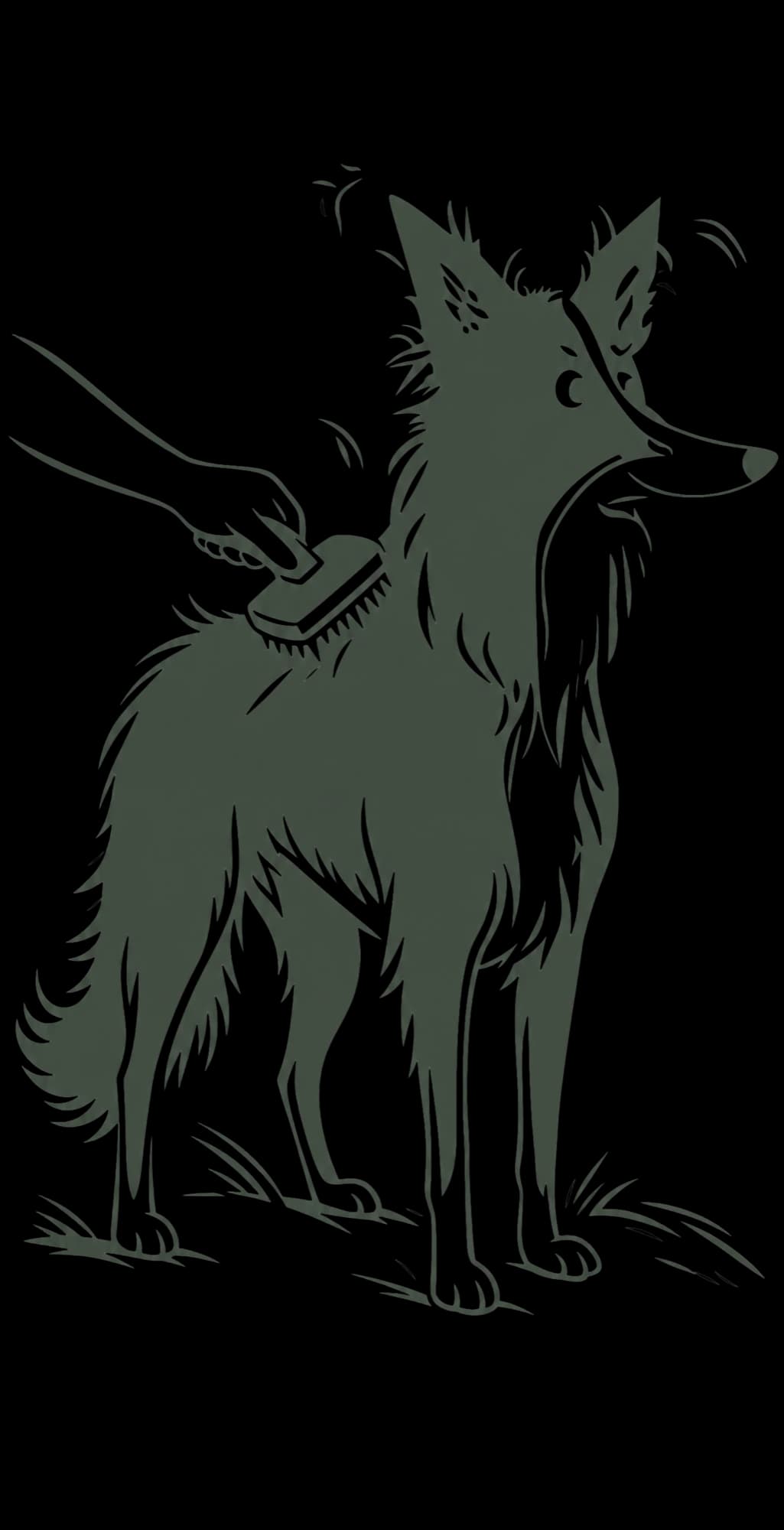
Many owners find that feeding for skin and coat condition helps with the facial folds and long coat this breed carries, alongside regular grooming routines.