

Most important facts
- Group
- Toy
- Size
- Toy
- Weight
- 1.8–4.5 kg
- Lifespan
- 12–14 years
- Coat
- Long, straight
- Energy
- Moderate
- Height
- 20–27 cm
- Colours
- Black and white or red and white
- Shedding
- Moderate
- Est. feeding cost
- ~£0.32 a day
- Gear to consider
- Soft body harness (not a collar), pin brush and metal comb for the coat, slow-feeder or portion-control bowl
Typical dry food, adult
About the Japanese Chin
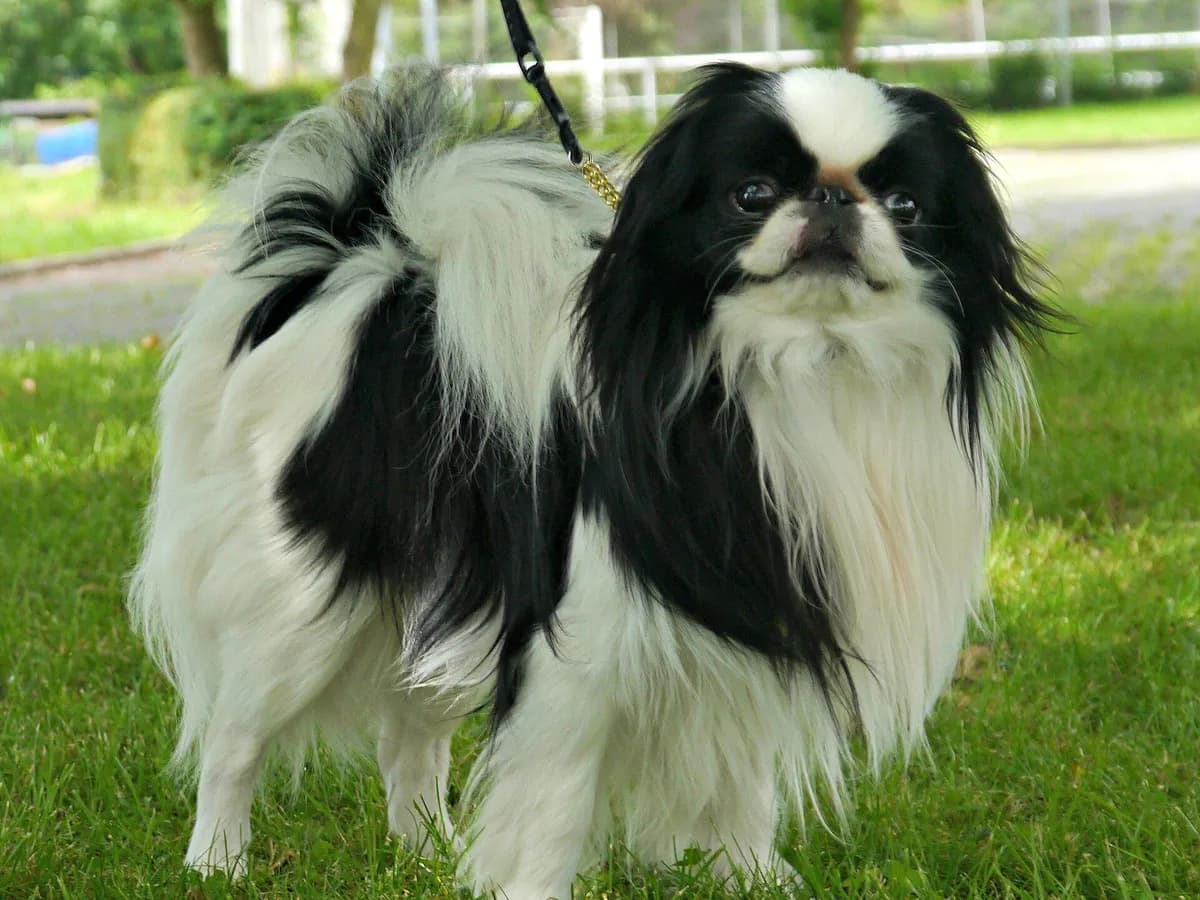
The Japanese Chin spent centuries as the treasured lapdog of the Japanese imperial court, where it was regarded as a distinct, elevated companion rather than an ordinary dog. Its ancestors are thought to have arrived as gifts from the Chinese or Korean courts. The breed reached the West in the nineteenth century, with Commodore Perry presenting a pair intended for Queen Victoria, and it has charmed lap-dog devotees ever since.
Intelligent, elegant and often described as cat-like, the Japanese Chin is an independent-minded but deeply affectionate companion. It's typically quiet and adaptable indoors, content to nap for much of the day and then follow its owner from room to room. Many owners liken sharing a home with one to keeping an elegant, opinionated cat.
The Chin can be reserved with strangers and sensitive to sharp changes in routine, so consistent, gentle handling and predictable feeding times suit it well. Early, positive socialisation keeps anxiety at bay and builds confidence. It thrives on companionship, so it isn't the best fit for households with long stretches alone.
Common health conditions
Things Japanese Chin owners commonly watch for. Guidance, not veterinary advice.
Brachycephalic Obstructive Airway Syndrome (BOAS)
The Chin's flattened face narrows the airway, so noisy breathing, snoring and heat intolerance are common. Keep your dog lean, as extra weight makes breathing harder.
Eye problems (corneal ulcers, cataracts)
Large, prominent eyes are easily scratched or dry. Check them regularly, and feed good levels of omega oils to support overall eye and skin health.
Patellar luxation
A dislocating kneecap is common in toy breeds. Keep this dog at a healthy weight to reduce strain and possibly delay any need for surgery.
Heart murmurs and mitral valve disease
Early-onset murmurs are sometimes picked up at routine check-ups. Keep up regular vet visits, and follow advice on cardiac-supportive nutrition as the dog ages.
Dental crowding
The shortened jaw leaves little room for teeth, raising the risk of plaque and early dental disease. Brush daily and use dental-friendly kibble.
Feeding a Japanese Chin
Given its tiny size, a Japanese Chin needs an energy-dense, small-kibble complete food fed in carefully measured portions two or three times a day. Even small extras or table scraps can tip a dog this size into being overweight, worsening both breathing effort and joint strain, and smaller meals also guard against low blood sugar in puppies.
The long silky coat calls for a food that supports skin and coat condition. Some Chins have sensitive stomachs, so aim for modest, easily digested protein and avoid very rich recipes. Small, dental-friendly kibble shapes also help manage the plaque this breed's crowded teeth are prone to.
Every dog is different — weight, age and activity all shift what a Japanese Chin needs. The turns these breed tendencies into a shortlist matched to your dog’s age, size, budget and needs.
Typical adult weight
1.8–4.5 kg
Est. daily calories
130–350 kcal
A broad guide for an average-activity adult in good body condition — not veterinary advice. Real needs vary with age, neutering, activity, health and body condition, so no two Japanese Chins eat exactly the same. Get a personalised estimate or estimate feeding costs.
- Per day
- ~£0.32
- Per month
- ~£10
- Per year
- ~£117
A broad typical monthly budget guide, not a live price quote. Food format, calorie density, pack size and retailer pricing all change the real cost.
Find the right food for your Japanese Chin
Foods ranked to your dog
Answer a few quick questions and the Food Finder ranks foods to your Japanese Chin by score, price, life stage and fit.
Breed at a glance
- Exercise needs3/10
- Appetite5/10
- Trainability6/10
- Good with children5/10
- Shedding4/10
- Tolerates being alone3/10
The good & the worth-knowing
The good
- Calm, quiet and content in flats or smaller homes
- Low exercise requirements suit less active owners
- Affectionate and cat-like, with a close bond to the family
Worth knowing
- Prone to breathing difficulties and struggles in heat due to its flat face
- Prominent eyes are easily scratched or injured, so rough play needs watching
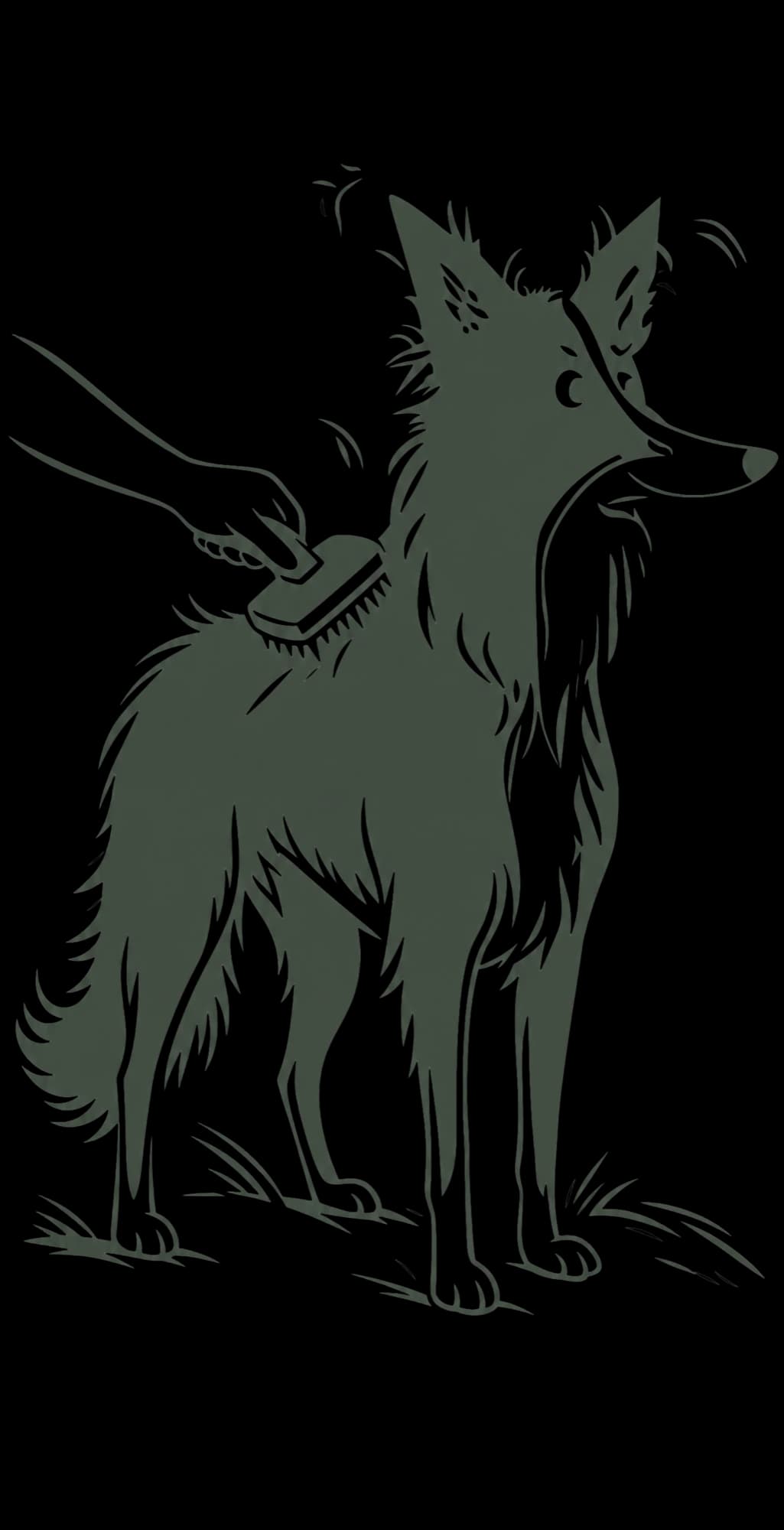
- The long silky coat needs several brushing sessions a week to stay free of tangles
Best matched accessories
All accessoriesThe collections that suit the breed, judged by the same independent standard.

Common owner questions
How much exercise does a Japanese Chin actually need?
Not much by most dogs' standards. A couple of short, gentle walks plus some indoor playtime is usually enough. Because of the flat face, avoid exercise in heat or humidity, and treat laboured breathing as a sign to slow down.
Is the Japanese Chin prone to putting on weight?
Yes, easily. A few extra grams of food a day is proportionally far more significant for a dog this size than for a large breed. Feed to body condition, not guesswork, and our Food Finder can match a portion-appropriate, weight-conscious recipe.
Are Japanese Chins good with children?
They do best with calm, older children who understand how to handle a small, delicate dog gently, rather than boisterous toddlers, given the fragile build and prominent eyes.
Why does my Japanese Chin snore and snort so much?
It's typical of the flat-faced build, where airway space is restricted. Keeping your Chin at a lean, healthy weight through appropriate portions reduces the extra effort its breathing already requires.