



Most important facts
- Group
- Crossbreed
- Size
- Medium
- Weight
- 18–32 kg
- Lifespan
- 12–15 years
- Coat
- Variable — most are smooth-coated
- Energy
- Moderate
- Height
- 55–75 cm
- Colours
- Any colour or combination
- Shedding
- Light
- Est. feeding cost
- ~£1.28 a day
- Gear to consider
- Padded or orthopaedic bed, well-fitted sighthound harness or martingale collar, warm winter coat
Typical dry food, adult
About the Lurcher
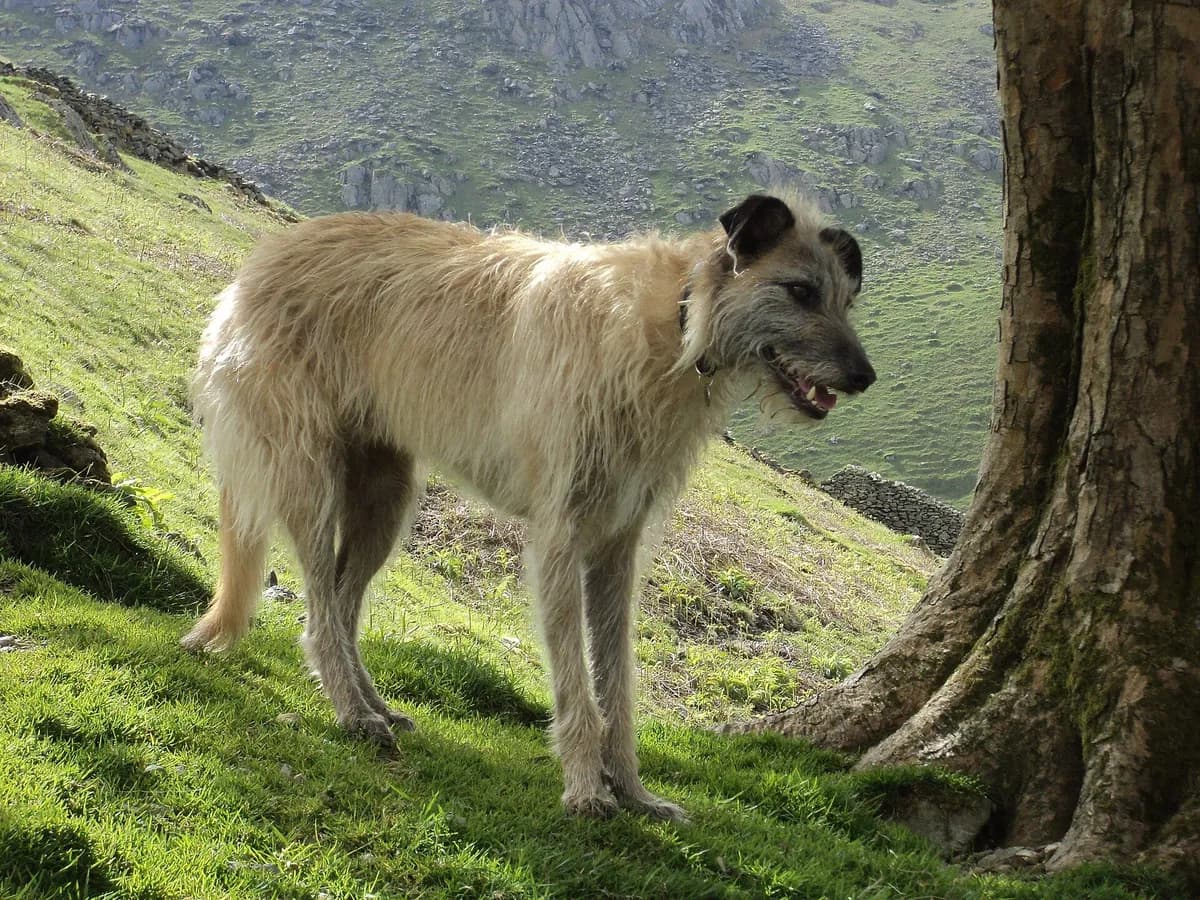
The Lurcher is a type rather than a breed, produced in Britain and Ireland for centuries by crossing sighthounds with collies or terriers. Tradition traces it to eras when commoners were barred from owning coursing hounds, and a cross made a fast, clever, unremarkable-looking dog for the pot. Every Lurcher is its own blend, which is much of the appeal, and rescues are full of gentle examples looking for sofas.
Lurchers are known for the contrast between their indoor and outdoor selves, a laid-back, sofa-loving companion at home that transforms into a determined, fast-moving hunter the moment the lead comes off. That strong prey drive is instinct rather than a training gap, so secure fencing and considered recall work matter more than with many breeds.
There is no fixed standard behind a Lurcher, only working stock, so temperament varies with the breeds behind each dog. A terrier cross tends to be livelier and more vocal than one bred mostly from sighthound lines. Most are gentle, sensitive dogs that respond best to calm, reward-based handling, and many bond so strongly that long absences can tip into anxiety.
Common health conditions
Things Lurcher owners commonly watch for. Guidance, not veterinary advice.
Bloat (gastric dilatation-volvulus)
The deep, narrow chest common in Lurchers raises the risk of this life-threatening emergency. Serve two or three smaller meals and let food settle before hard running.
Corns on the paw pads
Inherited from greyhound lines, these thickened, painful growths on the pads are a well-known sighthound issue. Check the paws regularly to catch them early.
Hip dysplasia
Hereditary looseness in the hip, which can bring on arthritis. Keep a Lurcher lean, and the joints carry less.
Dental disease
Sighthound heritage tends to bring poor dental health. Brush daily and use dental-friendly chews or kibble textures to make a real difference over a lifetime.
Feeding a Lurcher
Lurchers run a fast metabolism and carry very little spare fat, so many need a more calorie-dense diet, weight for weight, than a stockier breed of the same size. Because builds vary hugely, judge the right amount by feeling the ribs and checking for a visible waist. A visible tuck-up behind the ribs is normal for this type, not a sign of underfeeding.
The deep chest brings a real bloat risk, so two or three smaller meals through the day suit them better than one large one, with at least an hour's rest either side of exercise. Given the dental issues that run through sighthound lines, build plaque-reducing kibble textures or dental chews into the routine alongside brushing.
Every dog is different — weight, age and activity all shift what a Lurcher needs. The turns these breed tendencies into a shortlist matched to your dog’s age, size, budget and needs.
Typical adult weight
18–32 kg
Est. daily calories
730–1,510 kcal
A broad guide for an average-activity adult in good body condition — not veterinary advice. Real needs vary with age, neutering, activity, health and body condition, so no two Lurchers eat exactly the same. Get a personalised estimate or estimate feeding costs.


- Per day
- ~£1.28
- Per month
- ~£39
- Per year
- ~£469
A broad typical monthly budget guide, not a live price quote. Food format, calorie density, pack size and retailer pricing all change the real cost.
Find the right food for your Lurcher
Foods ranked to your dog
Answer a few quick questions and the Food Finder ranks foods to your Lurcher by score, price, life stage and fit.
Breed at a glance
- Exercise needs6/10
- Appetite5/10
- Trainability6/10
- Good with children7/10
- Shedding3/10
- Tolerates being alone3/10
The good & the worth-knowing
The good
- Calm, easy-going house manners once their exercise needs are met
- Affectionate and forms a close bond with their family
- Low grooming needs for the majority of smooth-coated Lurchers

Worth knowing
- Strong prey drive can make off-lead recall unreliable, especially near small animals
- Thin skin and very low body fat mean they feel the cold and graze easily
- Many dislike being left alone for long stretches and can develop separation anxiety
Best matched accessories
All accessoriesThe collections that suit the breed, judged by the same independent standard.



Common owner questions
How much should I feed my Lurcher?
Start from the feeding guide on the packaging for the dog's current weight, then adjust against body condition. The ribs are easy to find under a thin covering, and the waist shows clearly from above. Our Food Finder can help match portion guidance to an individual dog.
Do Lurchers need a special diet?
Not a specific formula, but their lean build and fast metabolism mean many do well on a calorie-dense complete food. Two or three meals a day also help reduce bloat risk, given the deep chest.
How much exercise does a Lurcher need?
Most do well with a longer walk plus a short, safe burst of off-lead sprinting each day. Hours of steady road walking do less for them. They're built for speed in short bouts, not endurance.
Are Lurchers good with children?
Generally yes, they're typically gentle at home, but their thin skin and bony frame mean boisterous play should be supervised, and their prey drive needs managing around smaller pets.