


Most important facts
- Group
- Hound
- Size
- Small
- Weight
- 9–11 kg
- Lifespan
- 12–15 years
- Coat
- Short, dense
- Energy
- High
- Height
- 33–40 cm
- Colours
- Tricolour and hound colours
- Shedding
- Moderate
- Est. feeding cost
- ~£0.67 a day
- Gear to consider
- Slow-feeder bowl, secure harness with a long training lead, snuffle mats for scent enrichment
Typical dry food, adult
About the Beagle
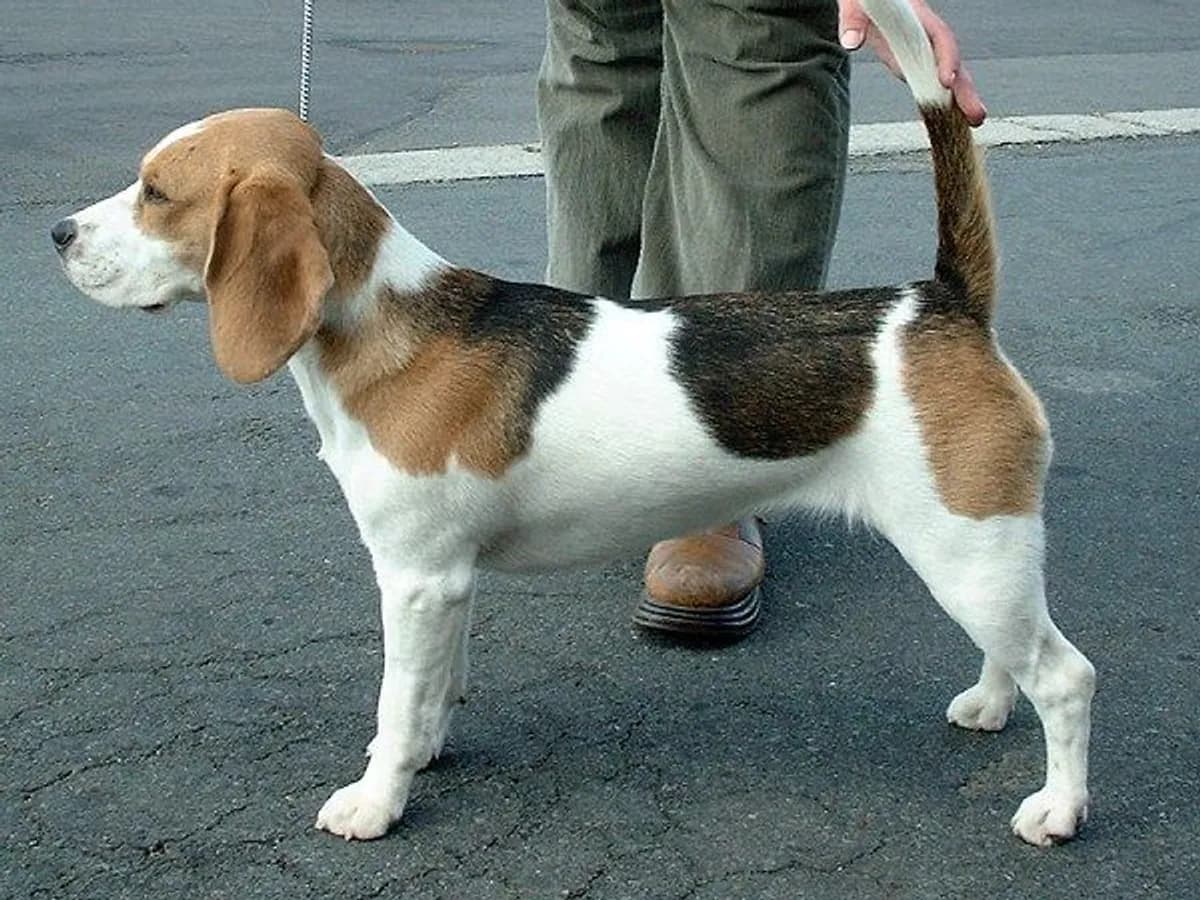
The Beagle is England's small pack hound, bred for centuries to hunt hare at a pace followers could match on foot. Elizabethan courtiers kept pocket-sized versions that rode in saddlebags, and the modern type settled in the nineteenth century. The nose is world class, which is why working Beagles now serve at airports sniffing luggage. The appetite is world class too, though nobody employs it.
Beagles are outgoing, merry hounds, and the pack breeding shows in how sociable they are at home. They are affectionate with children and generally good with other dogs, but they crave company and can become distressed or destructive when regularly left alone for long stretches.
The defining feature is the nose. Built to follow a trail for miles, a Beagle can make recall and loose-lead walking a genuine project, and the scenting focus extends to mealtimes, where anything within reach counts as found food. Measured feeding and secure storage matter as much as training.
Common health conditions
Things Beagle owners commonly watch for. Guidance, not veterinary advice.
Obesity
One of the most common conditions vets see in Beagles. Weigh the food accurately and limit the titbits to keep them at a healthy weight.
Ear infections (otitis externa)
Long, floppy ears trap moisture and wax, so check and dry them after walks and wet weather.
Intervertebral disc disease (IVDD)
Extra weight strains the back, so keeping a Beagle lean is one of the best protections for the spine.
Epilepsy
A hereditary seizure disorder seen in the breed. Buying from a health-screened breeder reduces the risk.
Dental disease
Frequently diagnosed in Beagles, so daily brushing alongside a dental-friendly diet or chews makes a real difference.
Feeding a Beagle
A small hound with an outsized appetite is exactly how weight problems happen, and extra weight is among the most common issues vets see in the breed. A complete food fed to an accurately weighed portion, rather than guesswork or free access, is the single biggest lever an owner has on a Beagle's long-term health.
Because Beagles are natural scavengers, split the daily allowance across two meals and set aside a share for training treats, which heads off begging without overshooting the day. A recipe with moderate fat and good-quality protein supports lean muscle, and with dental disease common in the breed, a helpful kibble texture or dental chews alongside brushing earn their place.
Every dog is different — weight, age and activity all shift what a Beagle needs. The turns these breed tendencies into a shortlist matched to your dog’s age, size, budget and needs.
Typical adult weight
9–11 kg
Est. daily calories
440–760 kcal
A broad guide for an average-activity adult in good body condition — not veterinary advice. Real needs vary with age, neutering, activity, health and body condition, so no two Beagles eat exactly the same. Get a personalised estimate or estimate feeding costs.


- Per day
- ~£0.67
- Per month
- ~£20
- Per year
- ~£245
A broad typical monthly budget guide, not a live price quote. Food format, calorie density, pack size and retailer pricing all change the real cost.
Find the right food for your Beagle
Foods ranked to your dog
Answer a few quick questions and the Food Finder ranks foods to your Beagle by score, price, life stage and fit.
Breed at a glance
- Exercise needs7/10
- Appetite10/10
- Trainability4/10
- Good with children9/10
- Shedding5/10
- Tolerates being alone2/10
The good & the worth-knowing
The good
- A friendly, sociable family nature
- Compact with low grooming needs
- Playful and affectionate with children

Worth knowing
- The nose makes off-lead walking difficult
- Gains weight easily without measured feeding
- Vocal, and hates being left alone
Best matched accessories
All accessoriesThe collections that suit the breed, judged by the same independent standard.


Common owner questions
How much exercise does a Beagle need?
At least 90 minutes a day, split across walks and off-lead time in a secure area. The nose can lead them clean out of an unfenced space, so security matters more than distance covered.
Why do Beagles put on weight so easily?
A hearty appetite meets a real talent for scavenging, so calories arrive that owners never counted. Weigh the food to the right amount for their size and activity rather than free-feeding, and the Food Finder can match a food to their needs.
What should I feed a Beagle puppy?
A complete puppy food suited to their size, fed in several small, measured meals a day while they grow. Weight problems in adulthood usually start early, so scheduled, weighed meals from the off beat grazing.
Are Beagles easy to train?
They are clever but independent, and the nose regularly outvotes the ears, so training takes patience and high-value food rewards. Short, consistent sessions using part of the daily allowance work better than long drills.