


Most important facts
- Group
- Hound
- Size
- Large
- Weight
- 29–50 kg
- Lifespan
- 10–12 years
- Coat
- Short
- Energy
- High
- Height
- 58–69 cm
- Colours
- Black and tan, red or tricolour
- Shedding
- Moderate
- Est. feeding cost
- ~£1.71 a day
- Gear to consider
- Slow-feeder bowl, secure long-line lead for scent trailing, sturdy no-pull harness
Typical dry food, adult
About the Coonhound
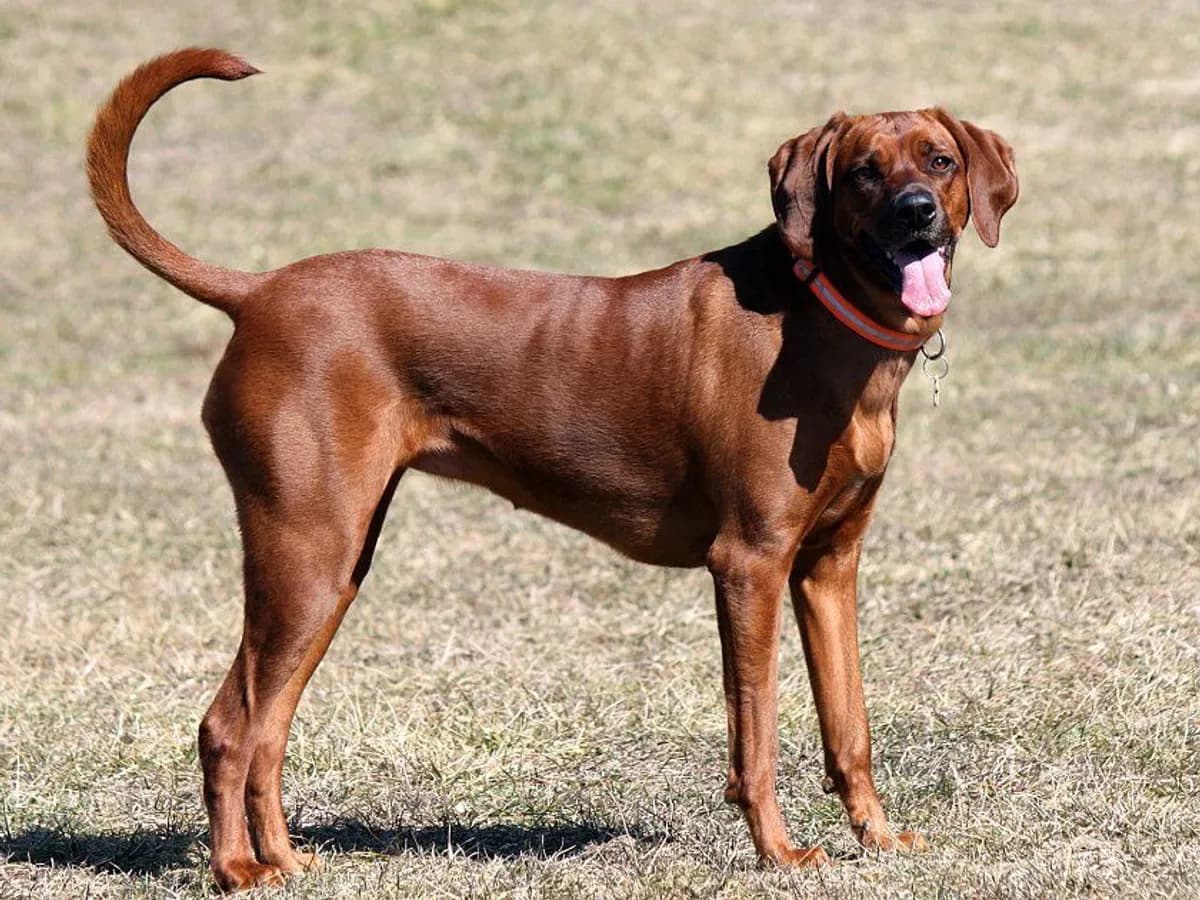
Coonhounds were developed in the American South from English Foxhounds crossed with Bloodhounds and other trailing breeds. The result was a hound that could follow a cold scent for miles and tree its quarry, most often the raccoon that gave it the name. Several distinct varieties emerged, with the Black and Tan the first formally recognised. The type remains a working and companion hound in the United States and a rarity in Britain.
Coonhounds are typically friendly, sociable dogs that form strong bonds with their family, often described as gentle and good-natured around people they know. Bred to work a scent trail far from their handler, they mature slowly and can be genuinely stubborn, so patient, motivating training built on trust works far better than a firm hand.
That independent streak, paired with a powerful nose, means Coonhounds are easily distracted by scent and will follow their nose over recall if not trained in a secure area. They are also known for their distinctive baying voice, which may not suit close neighbours, so a securely fenced garden and consistent, reward-based training help this breed settle as a family companion.
Common health conditions
Things Coonhound owners commonly watch for. Guidance, not veterinary advice.
Hip and elbow dysplasia
Malformed joints are common in larger hounds. Keep your Coonhound lean through puppyhood and adulthood rather than overfeeding for rapid growth.
Ear infections (otitis externa)
Long, low-set ears trap moisture, wax and debris after work or swimming. Check and dry the ears regularly, and consider a coat-supporting food for skin-sensitive dogs.
Bloat (gastric dilatation-volvulus)
As a deep-chested breed, Coonhounds carry a higher risk of this life-threatening emergency. Feed two or more smaller meals, and keep vigorous exercise well away from mealtimes.
Atopy and skin allergies
Environmental allergies causing itching and irritation are reported in the breed. Ask your vet whether a skin-support diet or elimination trial would help if symptoms appear.
Feeding a Coonhound
Coonhounds are large, deep-chested, high-stamina dogs with a hearty appetite. A diet balanced for protein and fat, with large-breed mineral levels, supports steady joint development. Rapid growth is what strains hips and elbows. Adults in regular exercise can need more calories than their size suggests, but portions should come down for less active pet dogs.
Their deep chest puts them at raised risk of bloat, so split meals into two or three portions, feed from a slow-feeder bowl and rest before and after exercise. Watch body condition closely, as a genuine hunting appetite can lead to overfeeding. Our Food Finder can help match portion size and calorie density to your dog's activity and life stage.
Every dog is different — weight, age and activity all shift what a Coonhound needs. The turns these breed tendencies into a shortlist matched to your dog’s age, size, budget and needs.
Typical adult weight
29–50 kg
Est. daily calories
1,050–2,370 kcal
A broad guide for an average-activity adult in good body condition — not veterinary advice. Real needs vary with age, neutering, activity, health and body condition, so no two Coonhounds eat exactly the same. Get a personalised estimate or estimate feeding costs.


- Per day
- ~£1.71
- Per month
- ~£52
- Per year
- ~£625
A broad typical monthly budget guide, not a live price quote. Food format, calorie density, pack size and retailer pricing all change the real cost.
Find the right food for your Coonhound
Foods ranked to your dog
Answer a few quick questions and the Food Finder ranks foods to your Coonhound by score, price, life stage and fit.
Breed at a glance
- Exercise needs9/10
- Appetite8/10
- Trainability4/10
- Good with children7/10
- Shedding4/10
- Tolerates being alone3/10
The good & the worth-knowing
The good
- Affectionate, easy-going and sociable with family once settled
- Impressive nose, stamina and appetite for scent work and long walks
- Short, low-maintenance coat needing minimal grooming

Worth knowing
- Independent-minded and slow to train, easily distracted by scent
- Prone to loud, sustained baying and vocalisation
- Needs a securely fenced garden and substantial daily exercise
Best matched accessories
All accessoriesThe collections that suit the breed, judged by the same independent standard.
Common owner questions
How much exercise does a Coonhound need?
A great deal. Most do best with well over an hour of varied daily exercise, including secure off-lead running where possible, plus scent-based enrichment such as tracking games. Mental stimulation matters as much as physical tiring for this breed.
Are Coonhounds prone to putting on weight?
Yes, they can be. Coonhounds have a strong appetite left over from their working history, so measure meals accurately, go easy on treats and check body condition regularly. Eyeballing the bowl will not do. The Food Finder can help find a calorie-controlled food if weight creeps up.
Do Coonhounds bark a lot?
They are known for a distinctive bay rather than a standard bark, used historically to signal to hunters at a distance, and many are vocal by nature. Consider this carefully if you have close neighbours.
How should I feed a Coonhound to reduce bloat risk?
Feed this hound two or three smaller meals a day, never one large one. A slow-feeder bowl reduces gulping, and strenuous exercise should stay well clear of mealtimes. Speak to a vet promptly if you see unproductive retching or a swollen abdomen, as bloat is an emergency.