
Most important facts
- Group
- Pastoral
- Size
- Large
- Weight
- 27–45 kg
- Lifespan
- 10–12 years
- Coat
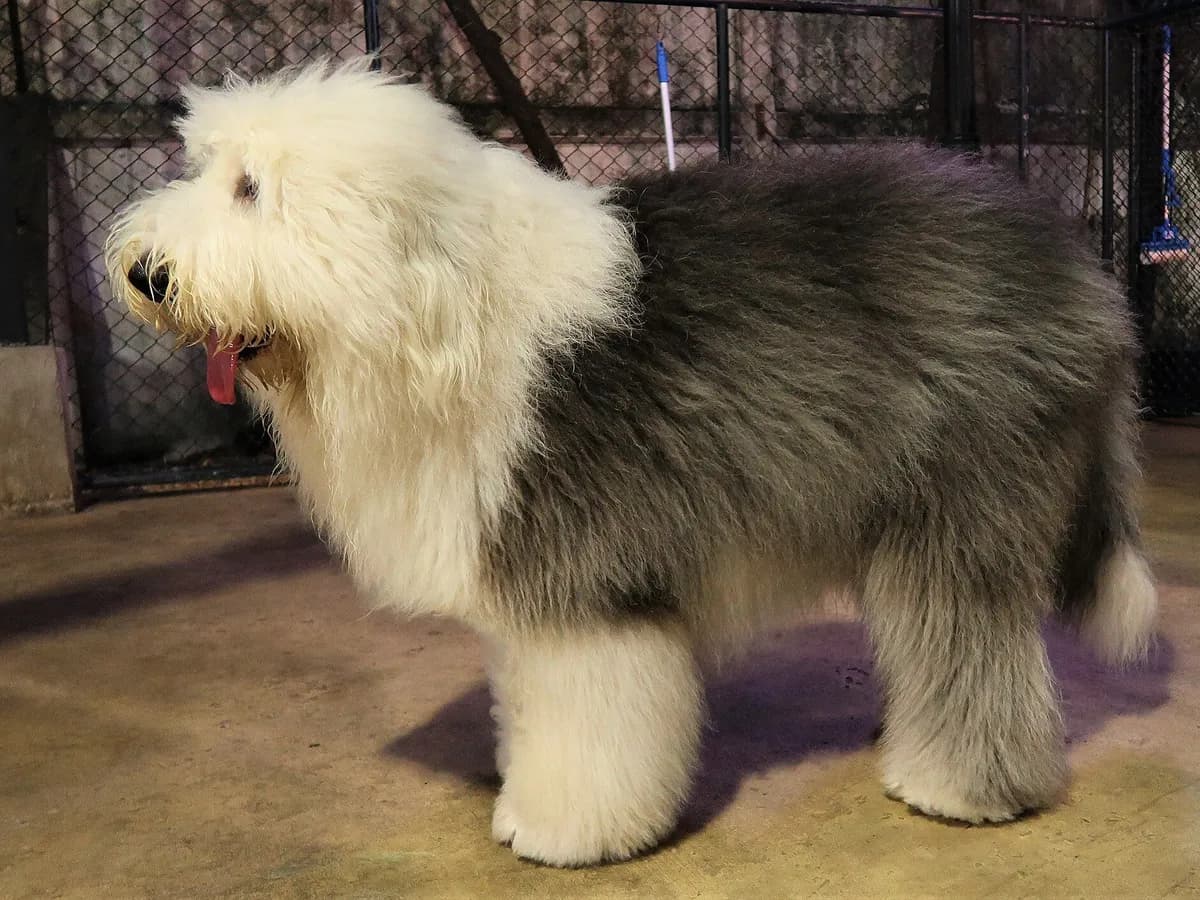
- Long, harsh-textured
- Energy
- Moderate
- Height
- 56–61 cm
- Colours
- Grey, grizzle or blue with white
- Shedding
- Light
- Est. feeding cost
- ~£1.67 a day
- Gear to consider
- Slow-feeder bowl, undercoat rake and detangling comb, well-cushioned orthopaedic bed
Typical dry food, adult
About the Old English Sheepdog
The Old English Sheepdog was developed in the West of England in the eighteenth century as a drover's dog that walked cattle and sheep to market. Its docked tail is said to have marked it as a working animal exempt from tax, hence the nickname Bobtail. Its shaggy coat later made it a show ring favourite and an advertising icon, best known in Britain as the face of Dulux paint for over sixty years.
Bred originally to drove and guard sheep and cattle, the Old English Sheepdog is bold, biddable and even-tempered, with the breed standard calling for no hint of nervousness or aggression. In practice this translates into a sociable, affectionate family dog that tends to be gentle with children and keen to stay close to its people.
This is not a breed suited to being left alone for long stretches, as the strong bond it forms with its household can tip into separation anxiety if home-alone time isn't built up gradually. A settled daily routine, including consistent mealtimes, gives a naturally people-oriented dog the predictability it thrives on.
Common health conditions
Things Old English Sheepdog owners commonly watch for. Guidance, not veterinary advice.
Hip dysplasia
A well-recognised concern in the breed. Choose hip-scored parents and keep puppies lean during growth to protect developing joints.
Gastric dilatation-volvulus (bloat)
This deep-chested breed carries a raised bloat risk. Split the daily ration into smaller meals and let food go down before energetic play.
Hereditary eye conditions
Progressive retinal atrophy and hereditary cataracts are seen in the breed. Check that breeding stock has been screened.
Congenital deafness
BAER hearing testing from around six weeks old can identify affected puppies early. Ask breeders whether litters are tested.
Obesity
The dense coat can mask early weight gain. Check body condition by hand regularly and keep portions accurately measured.
Feeding a Old English Sheepdog
Old English Sheepdogs are large and deep-chested, so split meals into two or three smaller portions a day. Keep activity calmer either side of mealtimes to manage the raised bloat risk. A complete food with an appropriate calcium-to-phosphorus balance supports controlled growth in puppies and joint health in adults.
Because the thick double coat can hide the early stages of weight gain, check body condition by hand rather than by eye, and adjust portions as activity shifts through the year. A diet that supports joints, skin and coat suits a breed prone to hip dysplasia.
Every dog is different — weight, age and activity all shift what a Old English Sheepdog needs. The turns these breed tendencies into a shortlist matched to your dog’s age, size, budget and needs.
Typical adult weight
27–45 kg
Est. daily calories
990–1,950 kcal
A broad guide for an average-activity adult in good body condition — not veterinary advice. Real needs vary with age, neutering, activity, health and body condition, so no two Old English Sheepdogs eat exactly the same. Get a personalised estimate or estimate feeding costs.
- Per day
- ~£1.67
- Per month
- ~£51
- Per year
- ~£609
A broad typical monthly budget guide, not a live price quote. Food format, calorie density, pack size and retailer pricing all change the real cost.
Find the right food for your Old English Sheepdog
Foods ranked to your dog
Answer a few quick questions and the Food Finder ranks foods to your Old English Sheepdog by score, price, life stage and fit.
Breed at a glance
- Exercise needs8/10
- Appetite6/10
- Trainability7/10
- Good with children8/10
- Shedding3/10
- Tolerates being alone3/10
The good & the worth-knowing
The good
- Gentle, affectionate temperament that generally suits family life
- Sheds relatively little for such a heavily coated breed, provided grooming is kept up
- Sociable and eager to be part of everything the household does
Worth knowing
- Grooming demands are considerable, needing regular brushing right down to the skin
- Prone to separation anxiety and does not do well left alone for long stretches
- Deep chest and large size bring a raised risk of bloat, so mealtime routine needs care
Best matched accessories
All accessoriesThe collections that suit the breed, judged by the same independent standard.
Common owner questions
How much should I feed an Old English Sheepdog?
Portions depend on age, activity and neuter status, so start from the feeding guide on the packaging and adjust to a body condition where you can feel the ribs without pressing hard. Our Food Finder can help match a food's calorie density to a large, moderately active breed.
Are Old English Sheepdogs prone to bloat?
Yes. That deep chest carries a real risk of gastric dilatation-volvulus. A slow-feeder bowl and two or three smaller meals a day both work well here. Avoiding strenuous exercise immediately before or after eating is another sensible precaution.
How much exercise does an Old English Sheepdog need?
Plan on a good hour or more of exercise daily, split across a couple of sessions, alongside mental stimulation to suit their herding heritage. Matching food intake to actual activity helps prevent the weight gain the thick coat can otherwise hide.
Do Old English Sheepdogs need a lot of grooming?
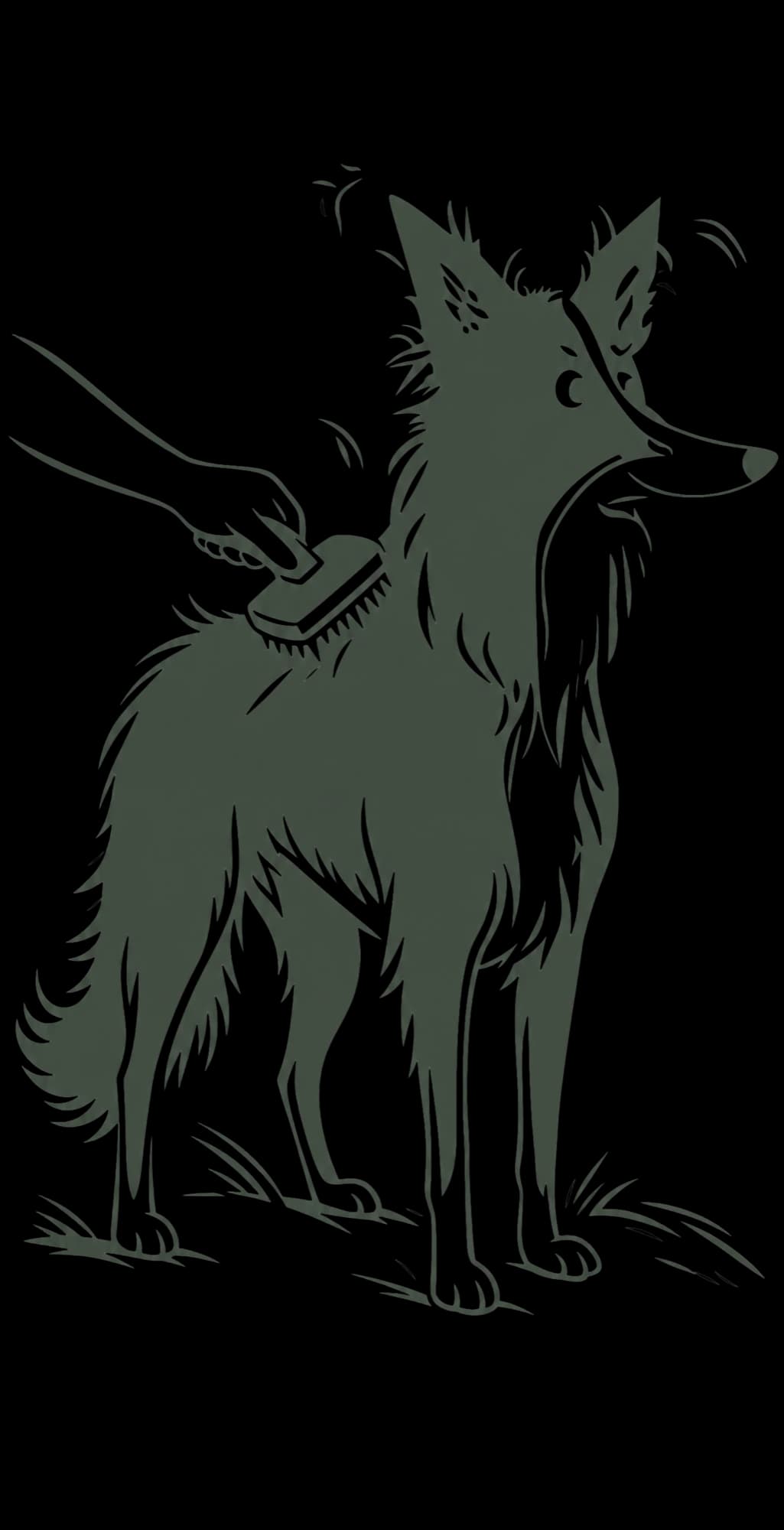
Yes. Brush the long, harsh-textured coat several times a week, right down to the skin, to prevent matting, and many owners book a professional groom every six to eight weeks. Good nutrition supports coat condition from the inside, which makes the brushing easier.