




Most important facts
- Group
- Pastoral
- Size
- Large
- Weight
- 26–38 kg
- Lifespan
- 13–15 years
- Coat
- Long, harsh
- Energy
- Moderate
- Height
- 54–62 cm
- Colours
- Shades of grey to black
- Shedding
- Light
- Est. feeding cost
- ~£1.50 a day
- Gear to consider
- Slow-feeder bowl, raised feeding stand, tough outdoor harness
Typical dry food, adult
About the Bergamasco
The Bergamasco has guarded and herded sheep in the Italian Alps around Bergamo for many centuries, and the extraordinary felted coat is pure work equipment, armour against weather and wolf teeth alike. The flocks of hair form naturally over the first years of life and were traditionally left exactly alone. Shepherds prized the breed for making its own decisions on the mountain, a habit it has never seen any reason to give up.
Bred for centuries to guard and manage flocks on alpine slopes, the Bergamasco is calm, patient and firmly independent-minded. It bonds closely with its family and watches strangers carefully before accepting them, a working trait rather than nervousness, though it makes early socialisation matter more than for naturally sociable breeds. Once you are accepted, you are family, and the watch never really comes off duty.
The breed is intelligent and used to making its own decisions, a legacy of working unsupervised on remote hillsides, so training moves slower than with eager-to-please breeds. Food rewards work well on this steady, food-motivated worker, counted into the day's allowance so training never widens the waist.
Common health conditions
Things Bergamasco owners commonly watch for. Guidance, not veterinary advice.
Hip dysplasia
As with many large working breeds, hip malformation can develop. Keep them lean through growth and adulthood, without over-supplementing calcium.
Gastric dilatation-volvulus (bloat)
A deep-chested breed at raised risk of this emergency. Smaller, more frequent meals and calm mealtimes are sensible precautions.
Progressive retinal atrophy (PRA)
An inherited eye condition causing gradual sight loss. Breeders screen for it, and night-time clumsiness belongs with a vet promptly.
Hypothyroidism
An underactive thyroid can appear in middle age as weight gain and a duller coat. Routine blood screening catches it early.
Feeding a Bergamasco
A large, solidly built breed stays healthiest lean, especially through the growth months when overfeeding or excess calcium can contribute to skeletal trouble. A complete large-breed food with controlled calorie density, portioned so ribs are easily felt but not seen, is the sound starting point, reviewed as puppy becomes adult. Most adults are best on two meals a day.
The deep chest raises bloat risk, so feed two or three smaller meals, slow the bowl down and keep strenuous exercise clear of mealtimes. That coat can hide weight gain from the eye entirely, so regular hands-on condition checks matter more here than watching the scales.
Every dog is different — weight, age and activity all shift what a Bergamasco needs. The turns these breed tendencies into a shortlist matched to your dog’s age, size, budget and needs.
Typical adult weight
26–38 kg
Est. daily calories
970–1,710 kcal
A broad guide for an average-activity adult in good body condition — not veterinary advice. Real needs vary with age, neutering, activity, health and body condition, so no two Bergamascos eat exactly the same. Get a personalised estimate or estimate feeding costs.

- Per day
- ~£1.50
- Per month
- ~£46
- Per year
- ~£547
A broad typical monthly budget guide, not a live price quote. Food format, calorie density, pack size and retailer pricing all change the real cost.
Find the right food for your Bergamasco
Foods ranked to your dog
Answer a few quick questions and the Food Finder ranks foods to your Bergamasco by score, price, life stage and fit.
Breed at a glance
- Exercise needs5/10
- Appetite6/10
- Trainability6/10
- Good with children7/10
- Shedding2/10
- Tolerates being alone5/10
The good & the worth-knowing
The good
- A calm, steady temperament once settled
- A bulky coat that sheds very little
- Naturally protective and loyal

Worth knowing
- The felted coat is a long-term, hands-on commitment
- Guarding instincts need early socialisation
- Independent nature slows training
Best matched accessories
All accessoriesThe collections that suit the breed, judged by the same independent standard.
Common owner questions
How much should I feed my Bergamasco?
Start from the guide for their current weight, then portion by their waistline, and adjust until the ribs are easily felt and no longer visible. Two or three meals a day also help manage the breed's bloat risk.
Is the Bergamasco a fussy eater?
Most are steady, reliable eaters, which makes food-based training effective. A sudden loss of appetite is worth a vet check rather than a shrug about pickiness.
Does the Bergamasco's coat need brushing?
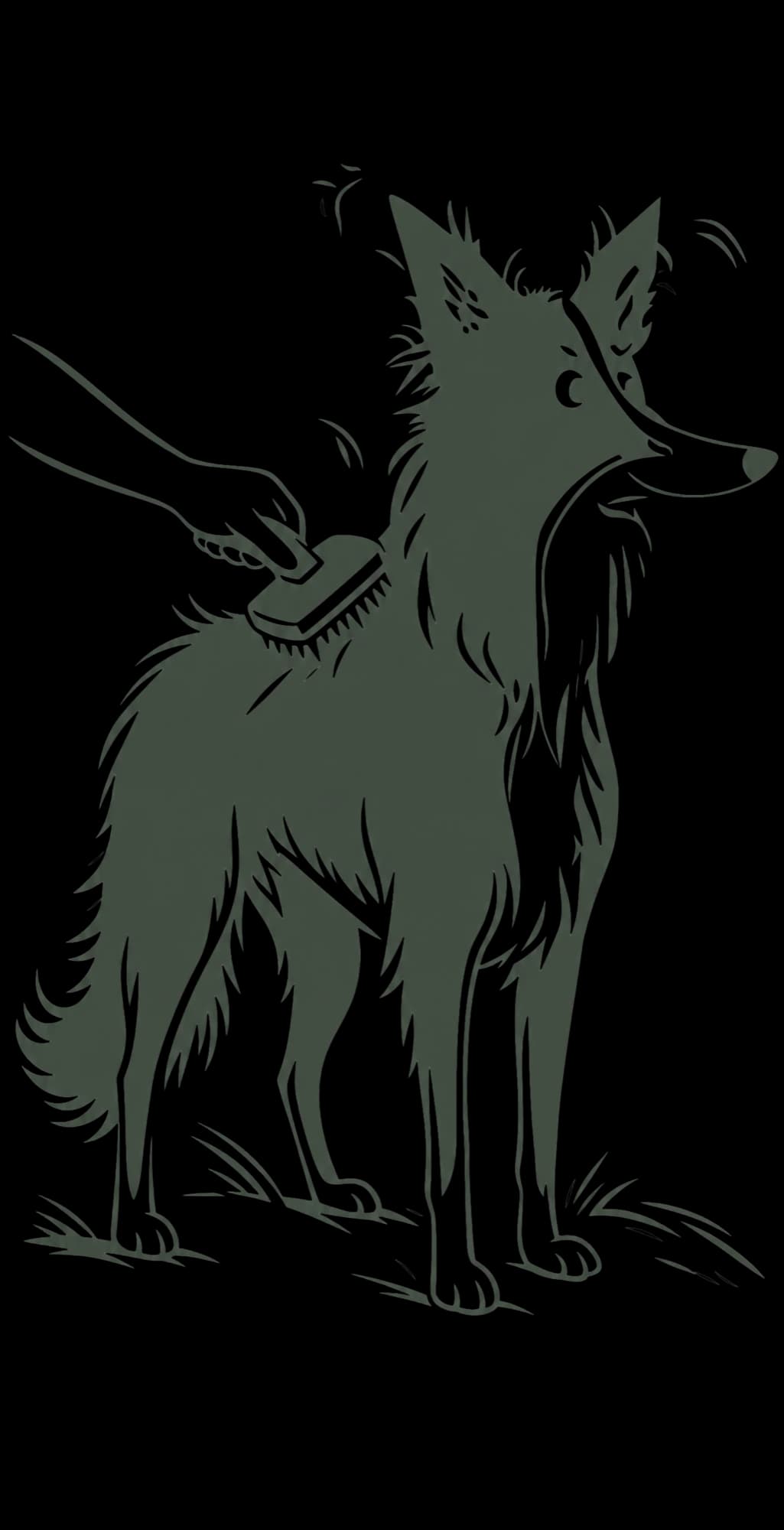
No. Once the mats begin forming in puppyhood the coat is deliberately left unbrushed, because brushing stops the flocks developing. The mats are separated by hand periodically and baths are rarer than for smooth-coated breeds.
How much exercise does a Bergamasco need?
A solid hour or so daily suits most adults, split between a proper walk and something mentally engaging like scent work or herding-style games. It reflects the working background without overloading the joints. A bored Bergamasco patrols the fence line, and a well-walked one snoozes through the afternoon.
Similar breeds
Photo: Luigi Guidobono Cavalchini (Josephine06), CC BY 3.0, via Wikimedia Commons