



Most important facts
- Group
- Pastoral
- Size
- Giant
- Weight
- 36–61 kg
- Lifespan
- 10–12 years
- Coat
- Long
- Energy
- Moderate
- Height
- 60–80 cm
- Colours
- White
- Shedding
- Light
- Est. feeding cost
- ~£2.05 a day
- Gear to consider
- Slow-feeder or puzzle bowl, corded-coat grooming and separating tools, sturdy harness for controlled walks
Typical dry food, adult
About the Komondor
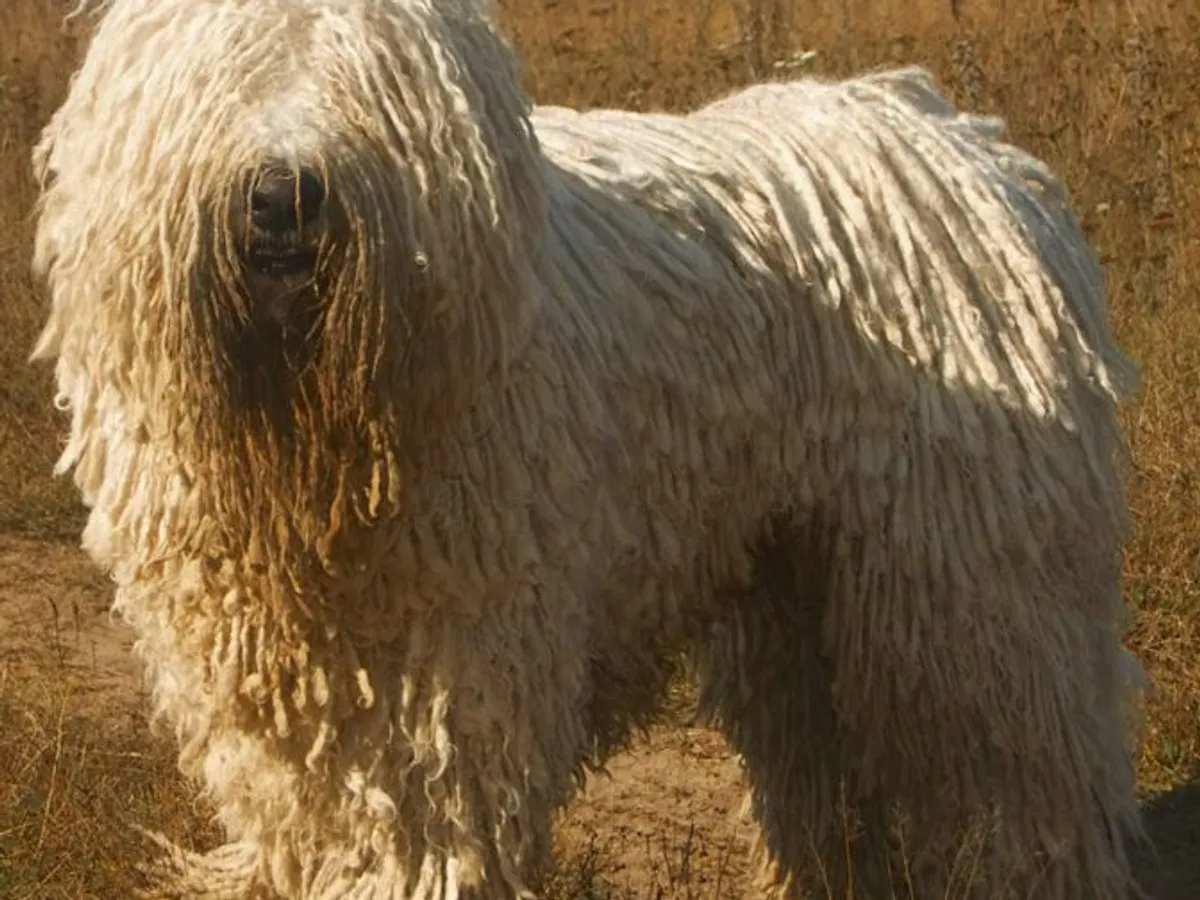
The Komondor has guarded sheep on the Hungarian plains for many centuries, its extraordinary corded coat serving as both weatherproofing and armour against wolves, while letting the dog pass for one of the flock. The breed is thought to have arrived with the Cuman people in the Middle Ages. Hungarian guardian breeds were decimated during the Second World War, and the Komondor was carefully rebuilt from the survivors.
Bred over centuries to live out on the Hungarian plains guarding sheep, the Komondor is naturally independent, watchful and slow to trust strangers. At home with its family it tends to be calm and dignified, and quiet with it. The guarding instinct is never far away, and it will act decisively if it perceives a genuine threat to its household. Thorough socialisation and confident training are essential from puppyhood.
This is not a breed that thrives on constant activity or company for its own sake. It is content with steady daily exercise and a settled routine, but it needs a secure garden, firm boundaries and an owner who understands livestock-guardian instincts. A predictable routine around mealtimes and rest helps this independent dog settle.
Common health conditions
Things Komondor owners commonly watch for. Guidance, not veterinary advice.
Hip dysplasia
The hip joint develops with too much laxity, and arthritis can follow. Keep a Komondor lean from puppyhood through adulthood.
Gastric Dilatation Volvulus (bloat)
A life-threatening emergency in which the stomach fills with gas and twists. Feed smaller, more frequent meals and keep the feeding routine calm.
Ear infections
The heavy, corded coat can trap moisture and debris around the ears. Check regularly and dry thoroughly after wet walks or baths.
Coat matting and skin irritation
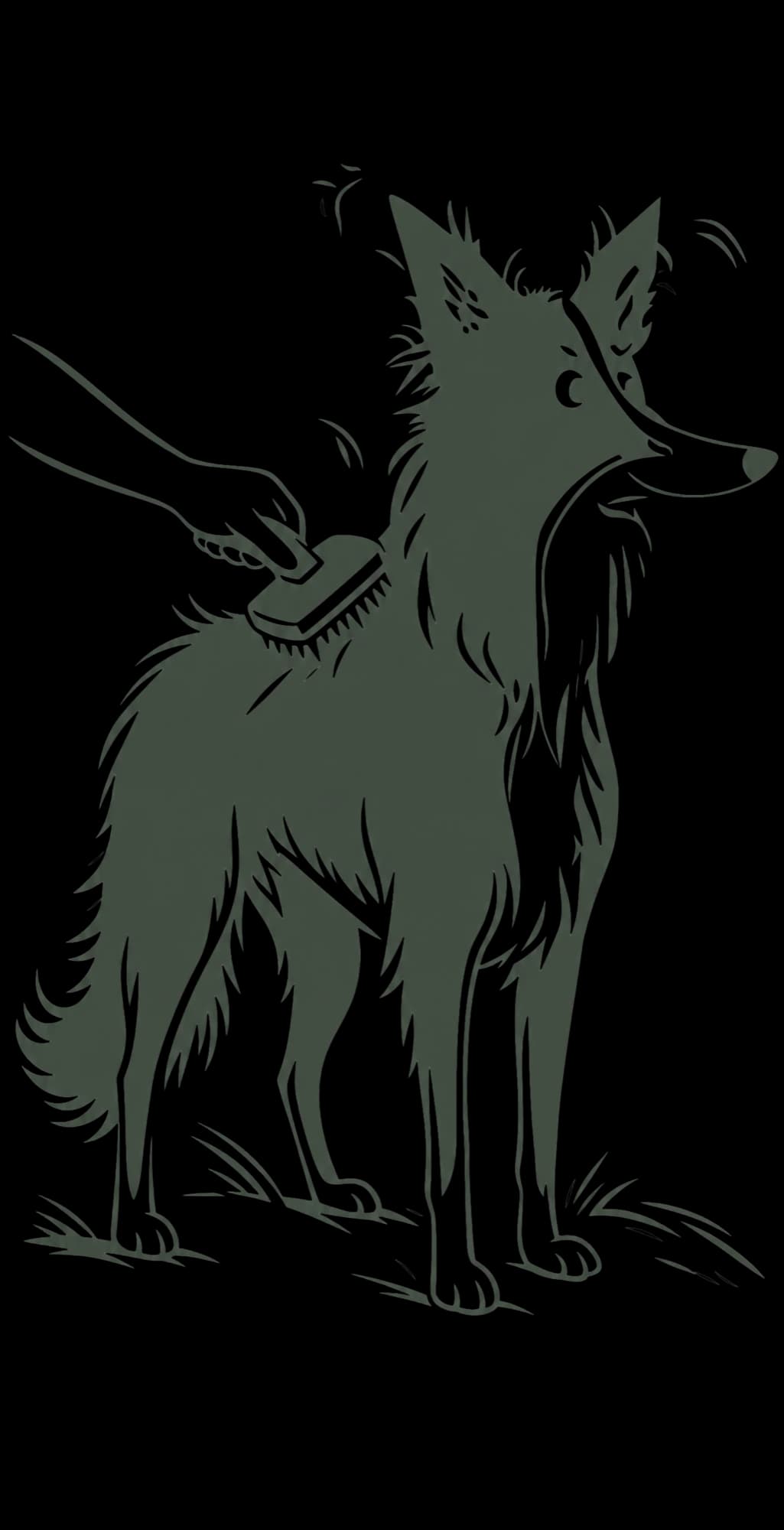
If the cords aren't separated by hand every few weeks, matting can trap moisture against the skin and cause soreness. Keep up the routine alongside a skin-supporting diet.
Feeding a Komondor
A Komondor's size and deep chest make feeding management a genuine welfare consideration. Because the breed is prone to bloat, split meals into two or three smaller portions a day, feed calmly, and keep strenuous exercise away from mealtimes. A large-breed complete food with controlled calcium and phosphorus supports steady joint development in a breed prone to hip dysplasia.
Judge portions against body condition rather than a fixed bowl size, since this powerfully built breed can gain weight quietly under a heavy coat that hides changes in shape. Check the ribs and waist by hand regularly, and our Food Finder can help match a suitable large-breed recipe.
Every dog is different — weight, age and activity all shift what a Komondor needs. The turns these breed tendencies into a shortlist matched to your dog’s age, size, budget and needs.
Typical adult weight
36–61 kg
Est. daily calories
1,230–2,440 kcal
A broad guide for an average-activity adult in good body condition — not veterinary advice. Real needs vary with age, neutering, activity, health and body condition, so no two Komondors eat exactly the same. Get a personalised estimate or estimate feeding costs.


- Per day
- ~£2.05
- Per month
- ~£62
- Per year
- ~£748
A broad typical monthly budget guide, not a live price quote. Food format, calorie density, pack size and retailer pricing all change the real cost.
Find the right food for your Komondor
Foods ranked to your dog
Answer a few quick questions and the Food Finder ranks foods to your Komondor by score, price, life stage and fit.
Breed at a glance
- Exercise needs5/10
- Appetite6/10
- Trainability5/10
- Good with children6/10
- Shedding3/10
- Tolerates being alone5/10
The good & the worth-knowing
The good
- Deeply loyal and naturally protective of home and family
- Low-shedding corded coat that, once formed, needs no brushing
- Calm and dignified at home once mature, with only moderate daily exercise needs

Worth knowing
- Independent, stubborn streak that needs a confident, experienced owner
- Extremely demanding grooming, with cords needing hand-separating every few weeks
- Naturally wary of strangers and protective by instinct, so unsuited to first-time owners
Best matched accessories
All accessoriesThe collections that suit the breed, judged by the same independent standard.


Common owner questions
How much exercise does a Komondor need?
Around an hour a day is usually enough, split across walks in a secure area, since this is a steady, watchful breed rather than a high-energy one. Mental stimulation and a settled routine matter as much as distance.
What should I feed a Komondor to help prevent bloat?
The Komondor does better on two or three smaller meals than one large one, so avoid vigorous exercise around eating and feed a large-breed recipe suited to a deep-chested dog. Our Food Finder can help narrow down options.
How do I know if I'm feeding the right amount?
Because the corded coat hides body shape, weight gain can go unnoticed. Check body condition by feel every few weeks and adjust portions to keep the waist and ribs easily felt.
Are Komondors good with children and other pets?
They can be loyal and gentle with their own family when well socialised from puppyhood, but their guarding instincts mean time with visiting children or unfamiliar animals should always be supervised.
Similar breeds
Photo: Nikki68 at Russian Wikipedia, CC BY 2.5, via Wikimedia Commons