


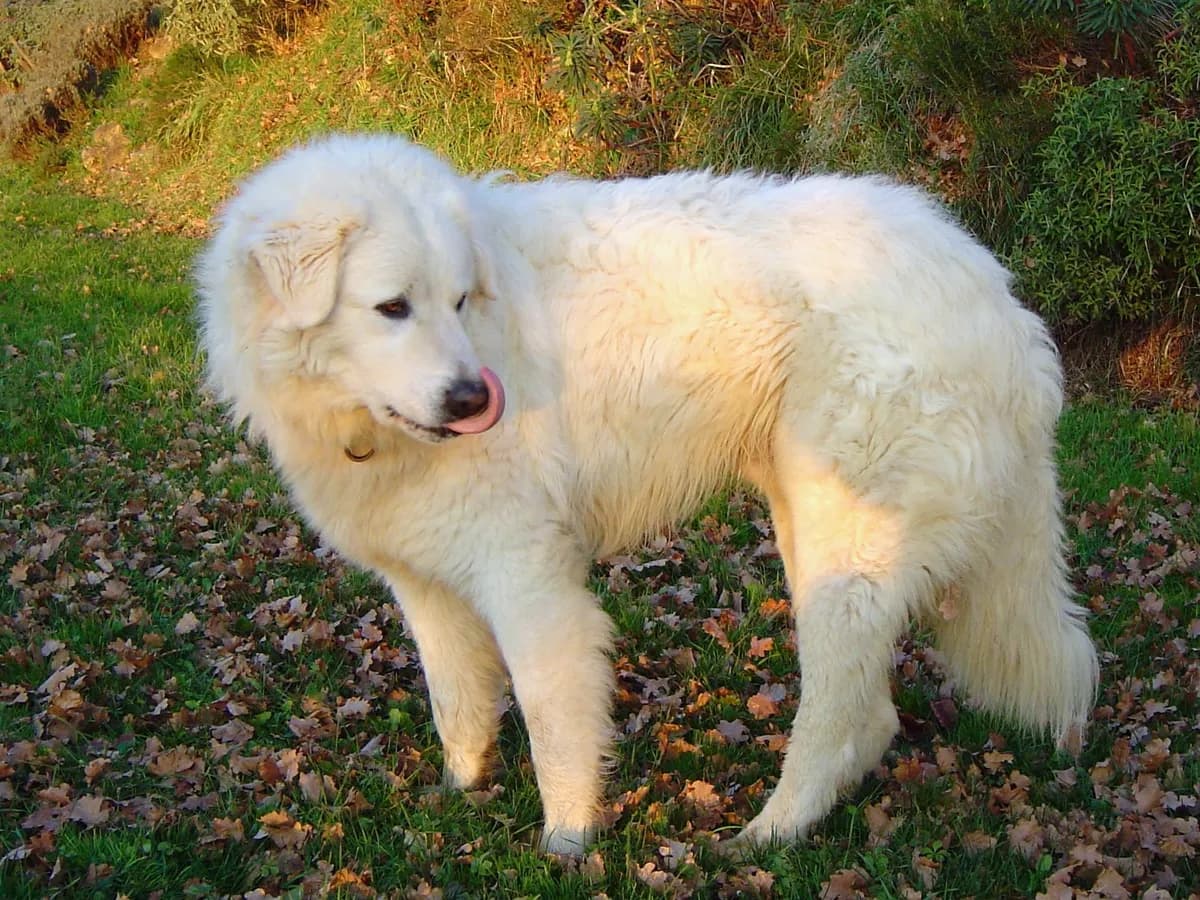

Most important facts
- Group
- Pastoral
- Size
- Large
- Weight
- 30–45 kg
- Lifespan
- 11–13 years
- Coat
- Long
- Energy
- Moderate
- Height
- 60–73 cm
- Colours
- White
- Shedding
- Heavy
- Est. feeding cost
- ~£1.71 a day
- Gear to consider
- Slow-feeder bowl, de-shedding undercoat rake, robust garden fencing
Typical dry food, adult
About the Maremma Sheepdog
The Maremma Sheepdog has guarded flocks in the Maremma and Abruzzo regions of central Italy for at least two thousand years, bred to live with the sheep and face down wolves without a shepherd's direction. Its white coat let shepherds tell dog from wolf in a dusk scuffle. The breed still works worldwide today, including in celebrated conservation projects guarding penguin colonies in Australia.
Bred over centuries to guard flocks alone in the mountains of central Italy, the Maremma is naturally independent, watchful and slow to defer to instructions. This isn't stubbornness for its own sake. The breed was selected to assess threats and act without direction, which makes it intelligent but genuinely difficult to train through conventional obedience, suiting experienced owners who understand guardian breeds.
Within the family, a well-socialised Maremma is calm, affectionate and quietly protective, bonding strongly with the people, animals and property it considers its own. It tends to be reserved with strangers and will bark to warn off perceived threats, a trait that needs managing in a residential setting. A predictable routine, including consistent feeding times, gives this independent dog useful structure.
Common health conditions
Things Maremma Sheepdog owners commonly watch for. Guidance, not veterinary advice.
Hip dysplasia
A common concern in large, fast-growing breeds. Feed a controlled-calorie large-breed puppy diet during growth to support the joints.
Elbow dysplasia
Linked to growth rate in big-boned breeds. Avoid overfeeding as a puppy and keep portions measured rather than relying on supplements.
Bloat (gastric dilation-volvulus)
The Maremma's deep chest raises bloat risk. One big meal is riskier than two or three modest ones spread through the day, and vigorous activity straight after eating is best avoided.
Eye conditions (cataracts, progressive retinal atrophy)
Both are seen in the breed. Buy from health-tested parents and keep up routine vet checks.
Feeding a Maremma Sheepdog
The Maremma can take up to two years to reach full maturity. Through that time it does well on a puppy food for large breeds, one with controlled calcium and phosphorus and moderate calorie density. Slow, steady growth reduces strain on developing hips and elbows, so feed for that and not for rapid gain. Weighing puppies regularly against a growth chart beats feeding to appetite.
The deep-chested build that helps a Maremma patrol tirelessly also raises bloat risk. A fast eater needs a slow-feeder bowl, and the day's food is better measured out across two or three meals. These are calm, watchful dogs and no frantic movers, so judge portions against body condition. Coat-supporting fatty acids are useful given how much coat the breed carries.
Every dog is different — weight, age and activity all shift what a Maremma Sheepdog needs. The turns these breed tendencies into a shortlist matched to your dog’s age, size, budget and needs.
Typical adult weight
30–45 kg
Est. daily calories
1,080–1,950 kcal
A broad guide for an average-activity adult in good body condition — not veterinary advice. Real needs vary with age, neutering, activity, health and body condition, so no two Maremma Sheepdogs eat exactly the same. Get a personalised estimate or estimate feeding costs.


- Per day
- ~£1.71
- Per month
- ~£52
- Per year
- ~£623
A broad typical monthly budget guide, not a live price quote. Food format, calorie density, pack size and retailer pricing all change the real cost.
Find the right food for your Maremma Sheepdog
Foods ranked to your dog
Answer a few quick questions and the Food Finder ranks foods to your Maremma Sheepdog by score, price, life stage and fit.
Breed at a glance
- Exercise needs5/10
- Appetite7/10
- Trainability3/10
- Good with children6/10
- Shedding8/10
- Tolerates being alone7/10
The good & the worth-knowing
The good
- Deeply loyal and protective of family, home and livestock once bonded
- Calm, steady temperament that doesn't need frantic exercise to stay content
- A striking, characterful breed suited to those wanting a genuine working guardian

Worth knowing
- Independent and strong-willed, so training takes patience and isn't ideal for first-time owners
- Needs a secure, spacious garden and can be vocal, especially at dusk and night
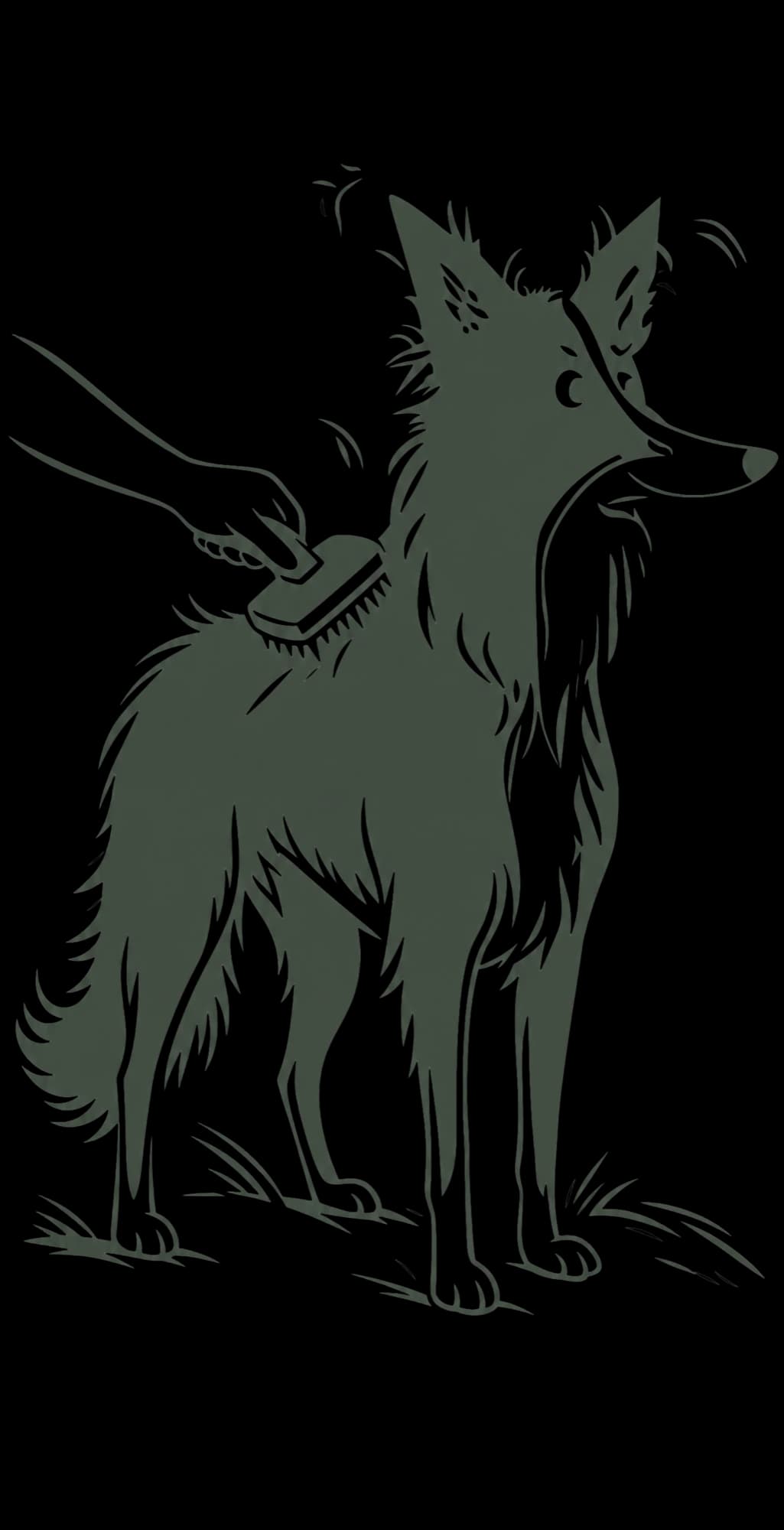
- Heavy seasonal shedding from a thick double coat means frequent brushing
Best matched accessories
All accessoriesThe collections that suit the breed, judged by the same independent standard.


Common owner questions
How much exercise does a Maremma Sheepdog need?
Moderate but steady. A Maremma is built for patrolling ground, not sprinting, so daily walks plus safe access to a secure space to patrol suit it better than intense, high-impact exercise.
Is the Maremma Sheepdog good with children?
They can be devoted and protective of children they're raised with, but their guarding instinct means early, consistent socialisation is essential, and time with visiting children or unfamiliar dogs should be supervised.
How much should I feed a Maremma Sheepdog?
Feed to the dog in front of you rather than a fixed amount. Use a large-breed puppy diet through the growth period, split adult meals into two or three portions to guard against bloat, and keep the dog in lean body condition. The Food Finder can match a diet to their life stage.
Do Maremma Sheepdogs shed a lot?
Yes. The thick white double coat sheds year-round and blows its undercoat heavily at least once a year, so brush several times a week, more during a coat blow, to keep shedding and matting under control.
Similar breeds
Photo: Justlettersandnumbers, CC BY-SA 4.0, via Wikimedia Commons