


Most important facts
- Group
- Pastoral
- Size
- Medium
- Weight
- 20–25 kg
- Lifespan
- 12–14 years
- Coat
- Long
- Energy
- High
- Height
- 51–56 cm
- Colours
- Slate, brown, blue or fawn, with white
- Shedding
- Moderate
- Est. feeding cost
- ~£1.28 a day
- Gear to consider
- Slicker brush and undercoat rake, no-pull harness, durable puzzle feeders
Typical dry food, adult
About the Bearded Collie
The Bearded Collie is Scotland's shaggy droving dog, used for centuries to push sheep and cattle across the Highlands in weather that would send most dogs home. One story credits Polish Lowland Sheepdogs traded off a ship in the 1500s with founding the type. The modern breed was rebuilt almost from scratch in the 1940s from a single accidental litter, which makes every bouncing Beardie a small miracle of persistence.
Beardies are outgoing, cheerful dogs with a habit of treating everyone as a friend. That sociability and the bouncy, playful nature make them popular family dogs, and it also means they thrive on company and do badly left to their own devices for long stretches.
Under the good humour sits a proper working herder, alert and confident, with a strong instinct to gather and control movement. Without an outlet that instinct starts shepherding the children or the cat, so regular exercise, training and mental work keep everyone happier, helped by a predictable feeding routine.
Common health conditions
Things Bearded Collie owners commonly watch for. Guidance, not veterinary advice.
Hip dysplasia
A common joint condition in the breed. Keep them lean through accurately measured portions to reduce strain on the hips.
Hypothyroidism
Relatively common in Beardies and can bring weight gain and low energy, so calorie needs often need reassessing alongside treatment.
Addison's disease (hypoadrenocorticism)
An autoimmune condition needing lifelong veterinary management, with diet playing a supporting role in steady weight and energy.
Progressive retinal atrophy (PRA)
An inherited eye condition causing gradual sight loss. Reputable breeders screen for it, and a predictable routine helps affected dogs.
Feeding a Bearded Collie
An active, working-bred dog needing an hour or two of exercise a day should be fed to that output. A hard-working Beardie may need a more energy-dense diet, while one living a calmer family life gains weight on the same bowlful, so set portions from their waistline and adjust through the year. Most adults settle into two meals a day.
The breed's hip risks make leanness genuinely protective, with ribs easy to feel without a hard press. Coat condition matters more here than in short-coated breeds, so decent protein and omega fatty acids keep the famous beard in order, and any thyroid or adrenal diagnosis means reviewing portions with your vet.
Every dog is different — weight, age and activity all shift what a Bearded Collie needs. The turns these breed tendencies into a shortlist matched to your dog’s age, size, budget and needs.
Typical adult weight
20–25 kg
Est. daily calories
790–1,410 kcal
A broad guide for an average-activity adult in good body condition — not veterinary advice. Real needs vary with age, neutering, activity, health and body condition, so no two Bearded Collies eat exactly the same. Get a personalised estimate or estimate feeding costs.
- Per day
- ~£1.28
- Per month
- ~£39
- Per year
- ~£467
A broad typical monthly budget guide, not a live price quote. Food format, calorie density, pack size and retailer pricing all change the real cost.
Find the right food for your Bearded Collie
Foods ranked to your dog
Answer a few quick questions and the Food Finder ranks foods to your Bearded Collie by score, price, life stage and fit.
Breed at a glance
- Exercise needs8/10
- Appetite6/10
- Trainability7/10
- Good with children8/10
- Shedding5/10
- Tolerates being alone3/10
The good & the worth-knowing
The good
- Friendly, sociable and easy-going with everyone
- Genuine stamina for active households
- Clever and biddable once the instinct has a job
Worth knowing
- Daily grooming is a serious commitment
- Needs one to two hours of exercise daily
- The herding instinct needs an outlet
Best matched accessories
All accessoriesThe collections that suit the breed, judged by the same independent standard.
Common owner questions
How much exercise does a Bearded Collie need?
Plan for one to two hours a day. Walks and off-lead time with room to run cover the legs, and scent games or training cover the head. An under-exercised Beardie finds its own outlets, and herding the household is the usual one.
Do Bearded Collies shed a lot?
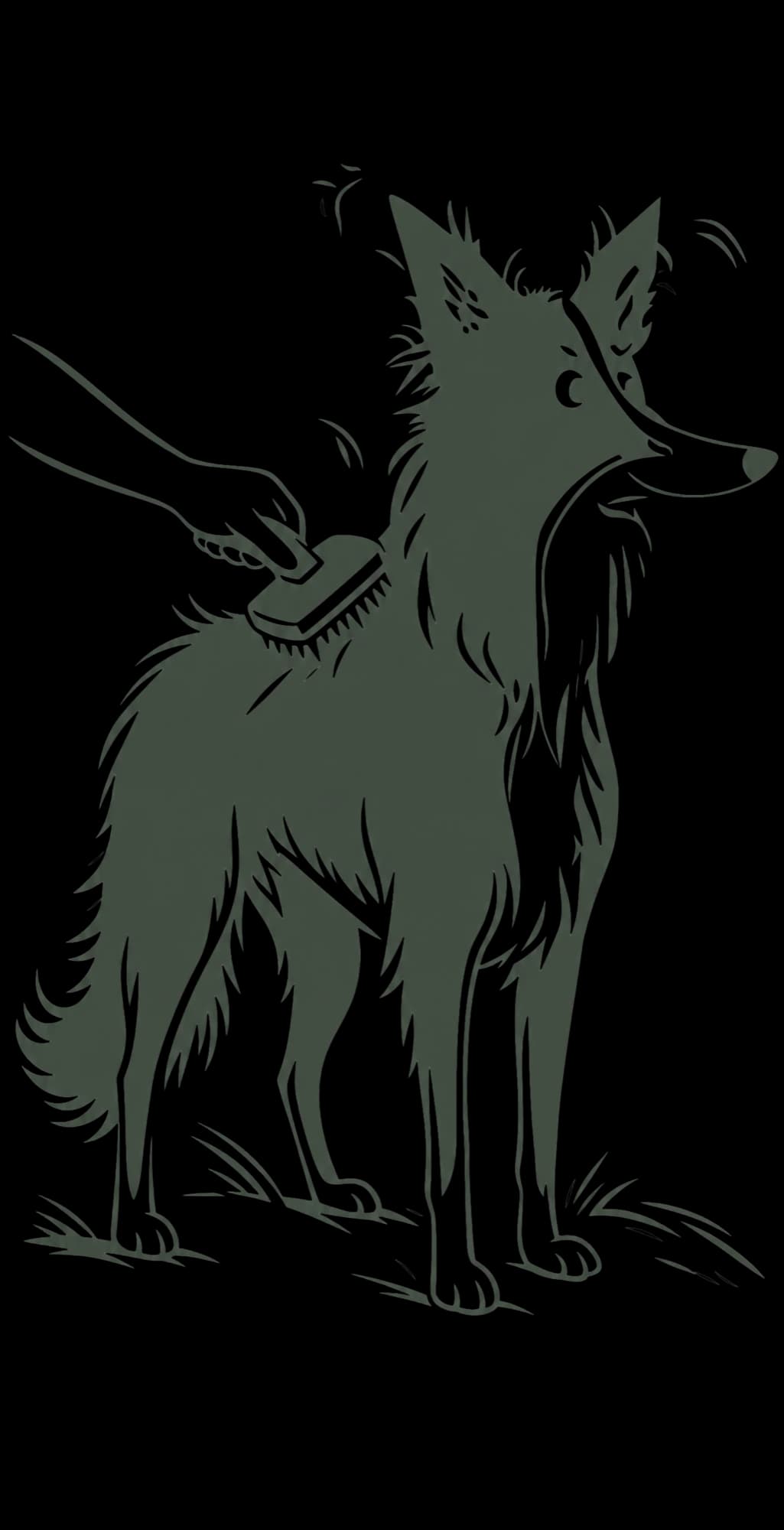
They shed, but the long coat traps the loose hair rather than scattering it, which is exactly why daily brushing matters. Skip it and that shed hair mats close to the skin.
How much should I feed a Bearded Collie?
Start from the feeding guide for their weight and activity, then adjust by look and feel, because the pack figure is only a starting point. The Food Finder can match a diet to an individual dog's energy needs and coat priorities. Weigh the food rather than scooping.
Are Bearded Collies prone to weight gain?
They can be, particularly if exercise drops off or a condition like hypothyroidism develops, and extra weight goes straight onto hips already at risk. Regular waistline checks and portions matched to actual activity are the best safeguard.