




Most important facts
- Group
- Pastoral
- Size
- Large
- Weight
- 32–41 kg
- Lifespan
- 10–12 years
- Coat
- Long, dry
- Energy
- High
- Height
- 56–68 cm
- Colours
- Fawn, black or grey
- Shedding
- Moderate
- Est. feeding cost
- ~£1.71 a day
- Gear to consider
- Slow-feeder bowl, detangling grooming comb and slicker brush, sturdy no-pull harness
Typical dry food, adult
About the Briard
The Briard is an old French sheepdog, recorded for centuries in the plains around Brie and used both to herd flocks and to guard them from wolves and poachers. The breed served as a messenger and sentry dog with the French army during the First World War, which cost it dearly in numbers. Careful breeding restored it afterwards, and today the Briard is found worldwide as both a working sheepdog and a devoted family companion.
Briards are intelligent, independent-minded herding dogs, bred to work unsupervised guarding and moving sheep. That heritage shows in a dog that is watchful and somewhat reserved with strangers, but deeply devoted, playful and affectionate with its own family, often bonding especially closely with one or two people.
This is a breed that needs early socialisation and confident, patient training. Its independent streak and herding instincts, including a tendency to nip at heels or circle moving children, can otherwise become hard to manage. A well-exercised Briard is a calm, trustworthy presence at home, but one left bored or isolated can become anxious, vocal or destructive.
Common health conditions
Things Briard owners commonly watch for. Guidance, not veterinary advice.
Hip dysplasia
A known concern in the breed, screened through the BVA/KC hip scheme. Keep your Briard lean from puppyhood onwards to take pressure off the joints.
Congenital stationary night blindness (CSNB)
An inherited eye condition specific to the breed. Ask to see the parents' DNA test results before committing to a puppy.
Progressive retinal atrophy (RPED/CPRA)
Another inherited eye disorder monitored through annual eye examinations. Ask breeders for up-to-date eye certificates alongside CSNB results.
Bloat (gastric dilatation-volvulus)
Large, deep-chested breeds like the Briard carry a higher bloat risk. Give measured portions as two meals, and hold vigorous exercise back until well after eating.
Non-malignant skin tumours
Benign skin lumps are reported more often in this breed than average. Use grooming sessions to check the skin and flag any changes to your vet early.
Feeding a Briard
As a large, deep-chested working breed, Briards do best on good-quality animal protein to support their muscular build, with fat and calories kept in check to avoid extra weight straining the hips and joints. Split the daily food into two measured meals rather than one big bowlful, which is sensible practice for any deep-chested breed and may help reduce bloat risk.
Look for a complete food with added glucosamine, chondroitin or omega-3 fatty acids to support the joints, plus a decent level of omega oils for the skin under all that coat. Puppies should move onto a large-breed formula that keeps growth steady, since rapid growth in big dogs is linked to joint problems later.
Every dog is different — weight, age and activity all shift what a Briard needs. The turns these breed tendencies into a shortlist matched to your dog’s age, size, budget and needs.
Typical adult weight
32–41 kg
Est. daily calories
1,130–2,040 kcal
A broad guide for an average-activity adult in good body condition — not veterinary advice. Real needs vary with age, neutering, activity, health and body condition, so no two Briards eat exactly the same. Get a personalised estimate or estimate feeding costs.


- Per day
- ~£1.71
- Per month
- ~£52
- Per year
- ~£625
A broad typical monthly budget guide, not a live price quote. Food format, calorie density, pack size and retailer pricing all change the real cost.
Find the right food for your Briard
Foods ranked to your dog
Answer a few quick questions and the Food Finder ranks foods to your Briard by score, price, life stage and fit.
Breed at a glance
- Exercise needs8/10
- Appetite7/10
- Trainability7/10
- Good with children7/10
- Shedding6/10
- Tolerates being alone3/10
The good & the worth-knowing
The good
- Deeply loyal and protective of its family, with a strong guardian instinct
- Highly intelligent and capable, thriving on training and having a job to do
- Affectionate and devoted once properly bonded and socialised

Worth knowing
- Daily grooming is non-negotiable for a long coat that mats readily
- Naturally wary of strangers, so early and consistent socialisation is essential
- Doesn't take well to being left alone and can become vocal or anxious
Best matched accessories
All accessoriesThe collections that suit the breed, judged by the same independent standard.



Common owner questions
How much exercise does a Briard need?
Briards were bred to work outdoors all day, so plan on well over an hour of varied exercise daily, including off-lead time and mental work such as training or herding-style games. An under-exercised Briard can become boisterous indoors.
What should I feed a Briard to support their joints?
A complete diet with added glucosamine and chondroitin, fed at a level that keeps your dog lean, is a sensible starting point. Our Food Finder can match a joint-support diet to your dog's life stage and weight.
Are Briards prone to bloat, and does feeding style matter?
Yes. The Briard is a large, deep-chested breed, and that brings an elevated bloat risk. Give two smaller meals a day, use a slow-feeder bowl, and keep strenuous exercise well away from mealtimes.
How much grooming does a Briard need?
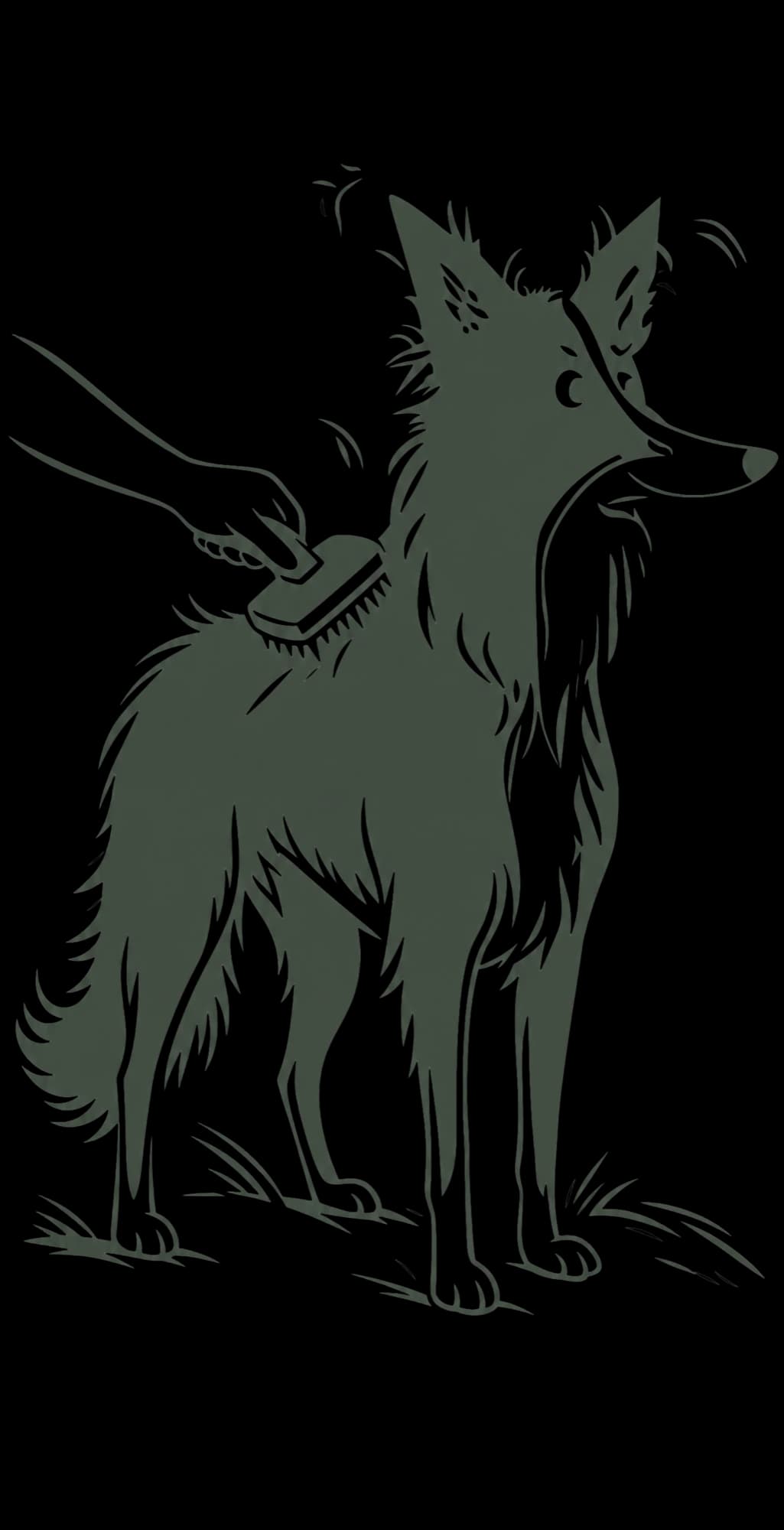
Their long, coarse double coat needs brushing most days to prevent matting, particularly behind the ears, under the legs and around the rear. Regular sessions are also a good chance to check the skin for lumps.