


Most important facts
- Group
- Working
- Size
- Large
- Weight
- 27–40 kg
- Lifespan
- 10–12 years
- Coat
- Harsh
- Energy
- Moderate
- Height
- 59–68 cm
- Colours
- Black, brindle, fawn or grey
- Shedding
- Light
- Est. feeding cost
- ~£1.64 a day
- Gear to consider
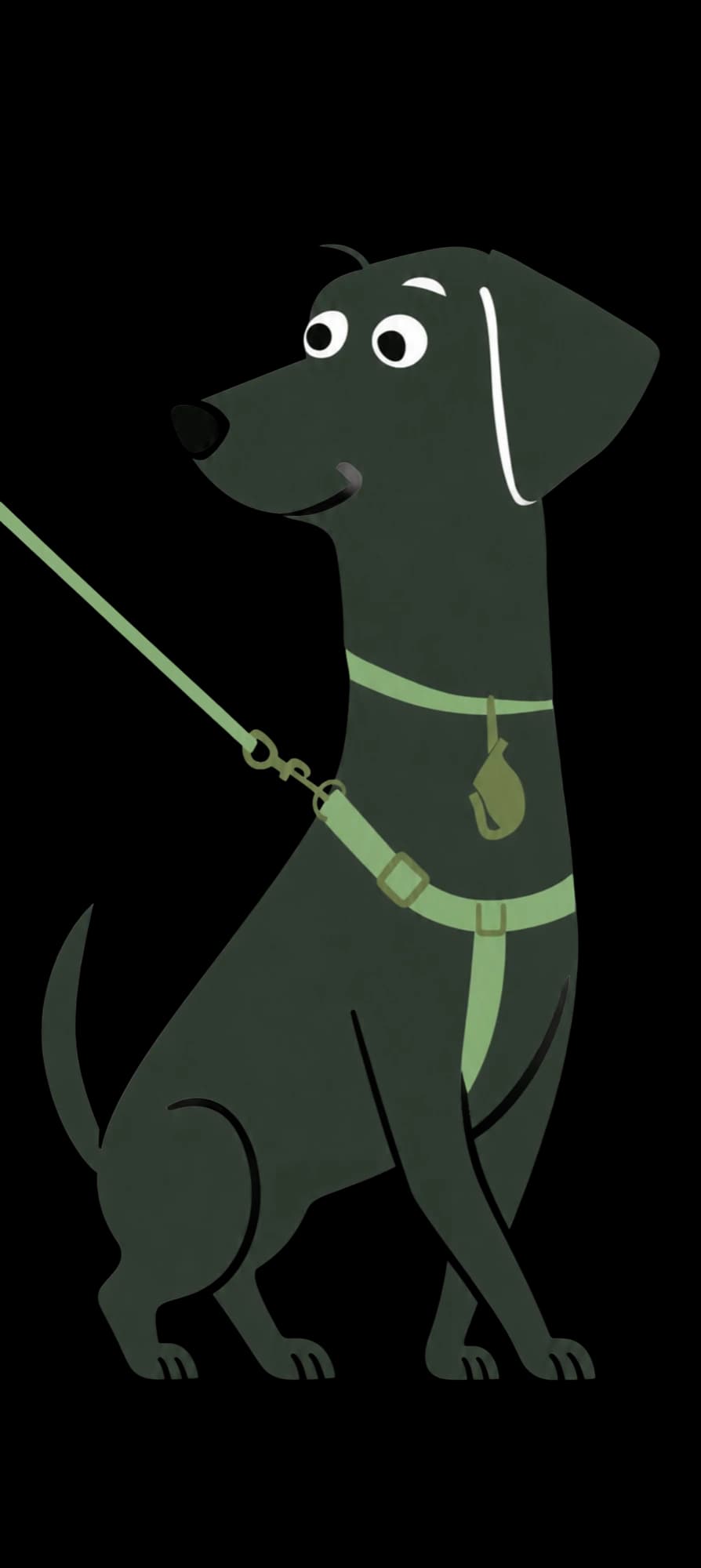
- Slow-feeder bowl, detangling grooming comb and slicker brush, robust no-pull harness
Typical dry food, adult
About the Bouvier Des Flandres
The Bouvier des Flandres was the all-purpose farm dog of Flanders, driving cattle, churning butter by treadmill and pulling carts to market. The First World War fought across its homeland nearly erased the breed, and it was rebuilt partly from a single celebrated trench dog, Nic, who served with the Belgian army. The beard, the eyebrows and the work ethic all survived intact.
Bouviers are calm and sensible at their core, genuinely affectionate and devoted to family without the excitability of many working breeds. The heavy eyebrows and beard give a forbidding look the dog does not share, though strangers meet reserve rather than open friendliness, because the guarding heritage persists.
This is a clever, trainable breed with a real work ethic, historically a drover, cart-puller and guard, and more recently a police and assistance dog. The intelligence needs an outlet, so structured training and purposeful daily work keep a Bouvier easy to live with, and early socialisation keeps the wariness in proportion.
Common health conditions
Things Bouvier Des Flandres owners commonly watch for. Guidance, not veterinary advice.
Hip and elbow dysplasia
Common in large, heavy-boned working breeds. Keep a Bouvier lean from puppyhood onwards with growth-controlled feeding.
Gastric dilatation-volvulus (bloat)
The deep, narrow chest brings real risk of this emergency. Feed two or three smaller measured meals and rest around eating.
Glaucoma
Raised eye pressure is reported in the breed. Annual checks help, and sudden redness, cloudiness or pain means the vet urgently.
Subaortic stenosis and laryngeal paralysis
Both a heart narrowing and a laryngeal condition are recognised in Bouviers, so routine checks matter and a healthy weight eases both heart and airway.
Feeding a Bouvier Des Flandres
The substantial frame makes portioning matter. This is a large, deep-chested dog, genuinely predisposed to bloat, so the ration goes out as two or three measured meals with settling time around exercise. A large-breed food with controlled energy density suits an adult better than a rich recipe, because this breed carries weight well and gains it quietly.
Joint support earns its place from puppyhood, with a controlled calcium balance during growth and glucosamine or omega-3 support in adulthood protecting a heavy frame's mobility. The famous beard traps food and water, so a rinse after meals keeps the skin beneath comfortable.
Every dog is different — weight, age and activity all shift what a Bouvier Des Flandres needs. The turns these breed tendencies into a shortlist matched to your dog’s age, size, budget and needs.
Typical adult weight
27–40 kg
Est. daily calories
990–1,780 kcal
A broad guide for an average-activity adult in good body condition — not veterinary advice. Real needs vary with age, neutering, activity, health and body condition, so no two Bouvier Des Flandreses eat exactly the same. Get a personalised estimate or estimate feeding costs.


- Per day
- ~£1.64
- Per month
- ~£50
- Per year
- ~£597
A broad typical monthly budget guide, not a live price quote. Food format, calorie density, pack size and retailer pricing all change the real cost.
Find the right food for your Bouvier Des Flandres
Foods ranked to your dog
Answer a few quick questions and the Food Finder ranks foods to your Bouvier Des Flandres by score, price, life stage and fit.
Breed at a glance
- Exercise needs8/10
- Appetite7/10
- Trainability8/10
- Good with children6/10
- Shedding3/10
- Tolerates being alone4/10
The good & the worth-knowing
The good
- Calm and steady once mature
- Loyal, protective and naturally watchful
- Highly trainable with a real working heritage
Worth knowing
- Grooming is a serious ongoing commitment
- Needs an active household with secure space
- Reserved with strangers by nature
Best matched accessories
All accessoriesThe collections that suit the breed, judged by the same independent standard.
Common owner questions
How much should I feed my Bouvier des Flandres?
Portion to your dog's actual shape rather than a chart figure, feeling the ribs and waist and adjusting accordingly. This deep-chested breed does better with the day's food given as two or three smaller meals, and the Food Finder can match a recipe to age and activity. Weigh the food, don't scoop.
Is the Bouvier des Flandres prone to bloat?
Yes, the deep, narrow chest is a recognised risk factor for this genuine emergency. Smaller, more frequent meals, a slower feeding pace and no strenuous exercise around mealtimes are the everyday precautions.
How much grooming does a Bouvier need?
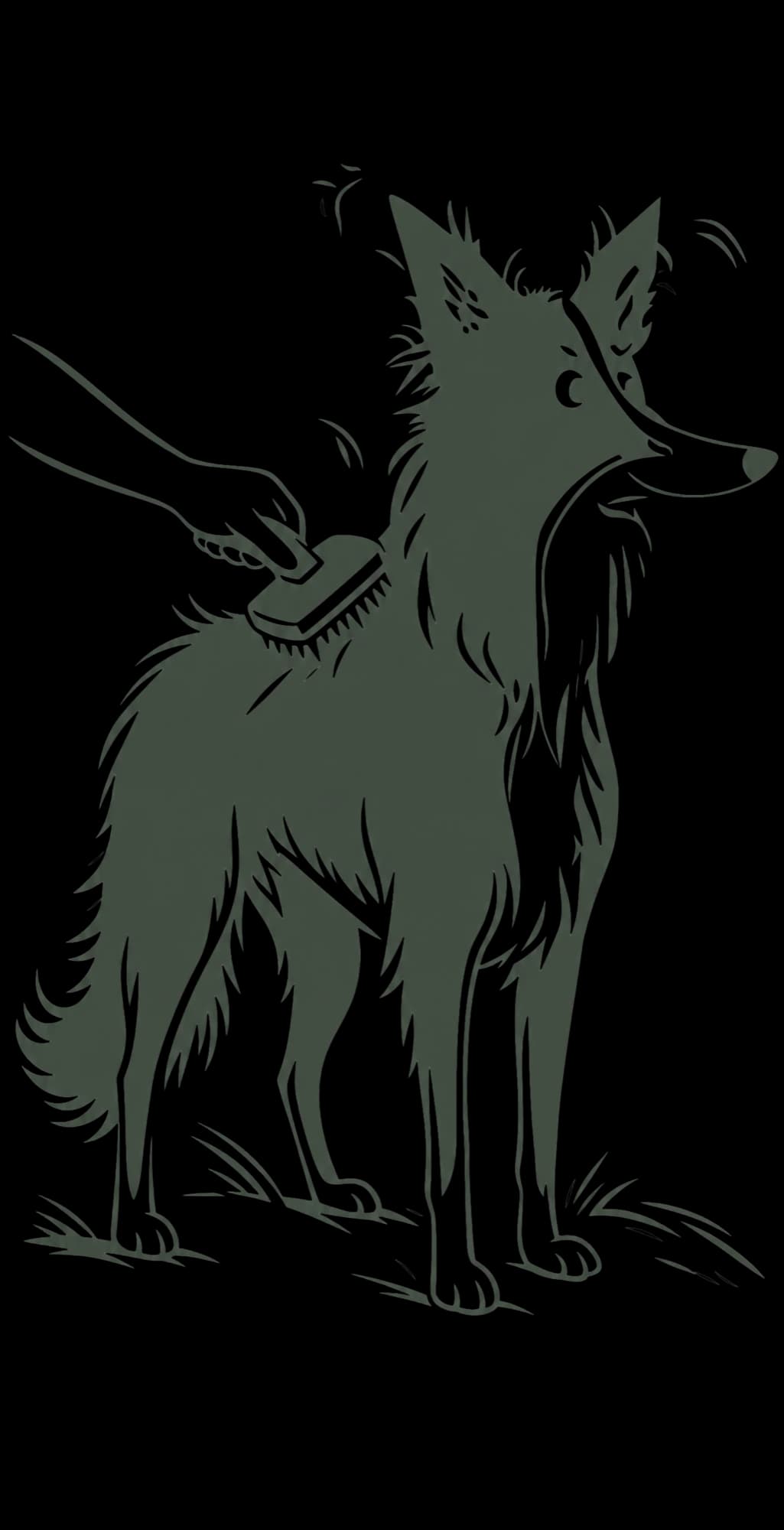
A great deal. The harsh double coat needs brushing two to three times a week to prevent matting, with attention to the beard and leg furnishings, plus professional hand-stripping around twice a year. This is not a low-maintenance breed.
Are Bouviers good with children and other pets?
Generally calm and protective of their own family, and best with older children who understand a large, powerful dog. Early socialisation shapes the natural reserve and guarding instinct into good manners. Calm children and calm dogs make an excellent pairing.