


51/100Good
Alpha
Flavour
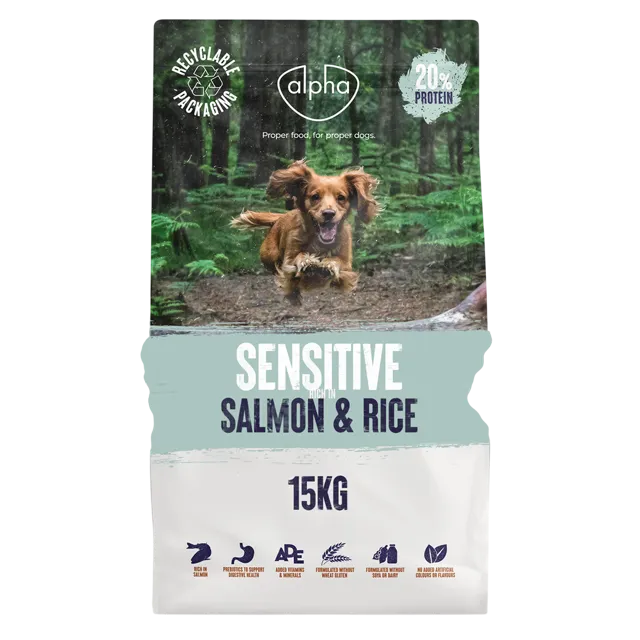
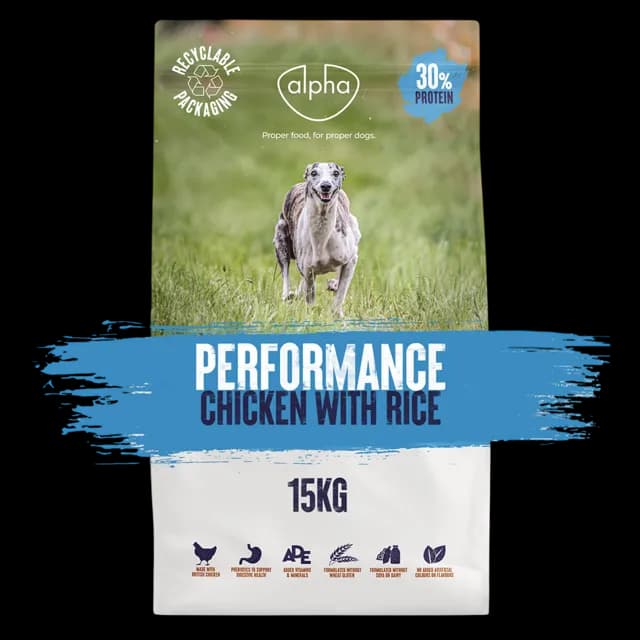
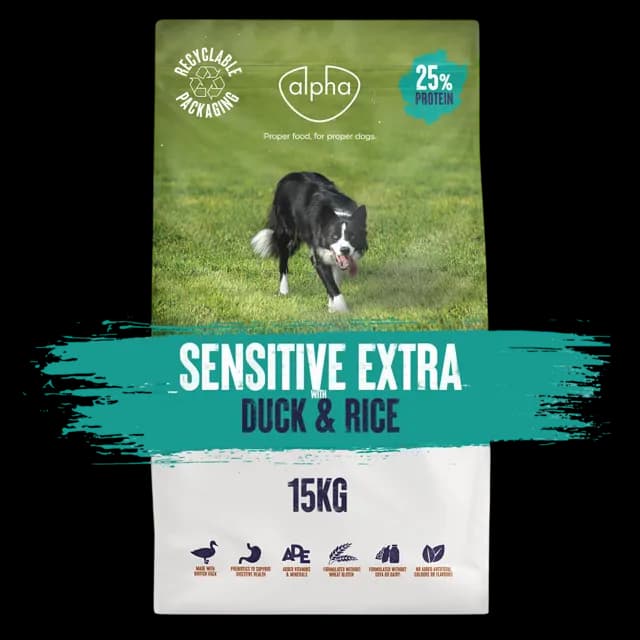
A plain, cereal-led kibble in the working dog tradition, made as an everyday recipe and a salmon one, both in our Average band. That reflects how much of the bowl is grain, not anything worrying in the food. The lists are short enough to take in at a glance.
Written by our editorial team. Independent guidance, not veterinary advice.
Listed for adults of every size, and neither label declares calcium, so these are not growth foods. Read both lists before choosing, since the two are less alike than the name suggests.
Dry
Adult
Toy, Small, Medium, Large, Giant
Salmon
All two Average. Typical dry food: Good.
Cereal does most of the carrying in both, and the everyday recipe's unnamed animals pull it lower than the salmon.
Vitamins A, D3 and E with zinc, iron, manganese, copper and iodine as oxides and sulphates, which a dog absorbs a little less readily than chelates, and selenium as sodium selenite.
No moisture figure on the label, so the dry matter column assumes the 8% standard for a dry food.
Named ingredients
The only one of the pair that a dog kept to a single animal source can eat.
Both recipes open on whole maize and whole oats, and both carry chicory-sourced FOS and mannan-oligosaccharides at 0.1% each, with brewers yeast, linseed and yucca. The vitamin and trace mineral panel is identical and printed in full, though neither label declares calcium.
The animal side is where they split. The everyday recipe draws on meat and bone meal, poultry meal, poultry oil and fish meal, none named to a species; the salmon recipe has salmon meal alone, with rapeseed oil for fat.
Estimated using Modified Atwater factors*
20%
8%
4%
6%
21.7%
8.7%
4.3%
6.5%
58.8%
Estimated breakdown of the finished product by ingredient category, from the declared ingredient list and ingoing weights. These are estimates, not measurements.
18.5%
67.9%
0.1%
6.2%
7.3%
Budget end of the market for a dry food, though the analysis gives back less than even that price suggests.
Ingredients and nutrition are taken from manufacturer data. Retailer pricing is not yet live for this food.
Ranked shortlists that include foods like this one.
Beco
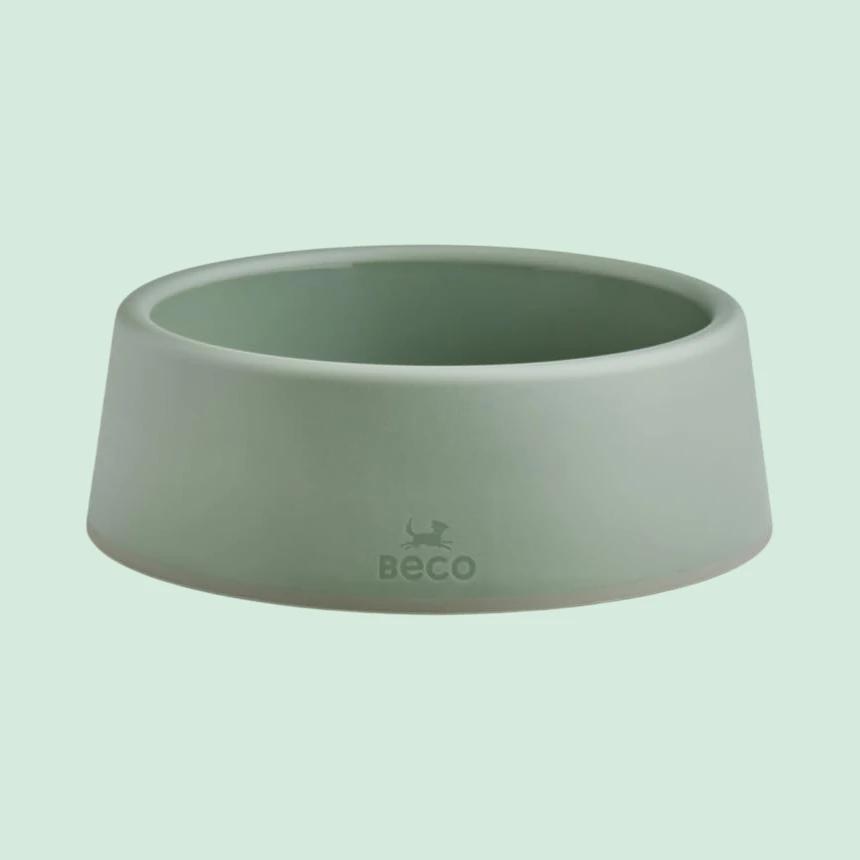
A recycled plastic dog bowl with a wide weighted base that stays where you put it.
Petface
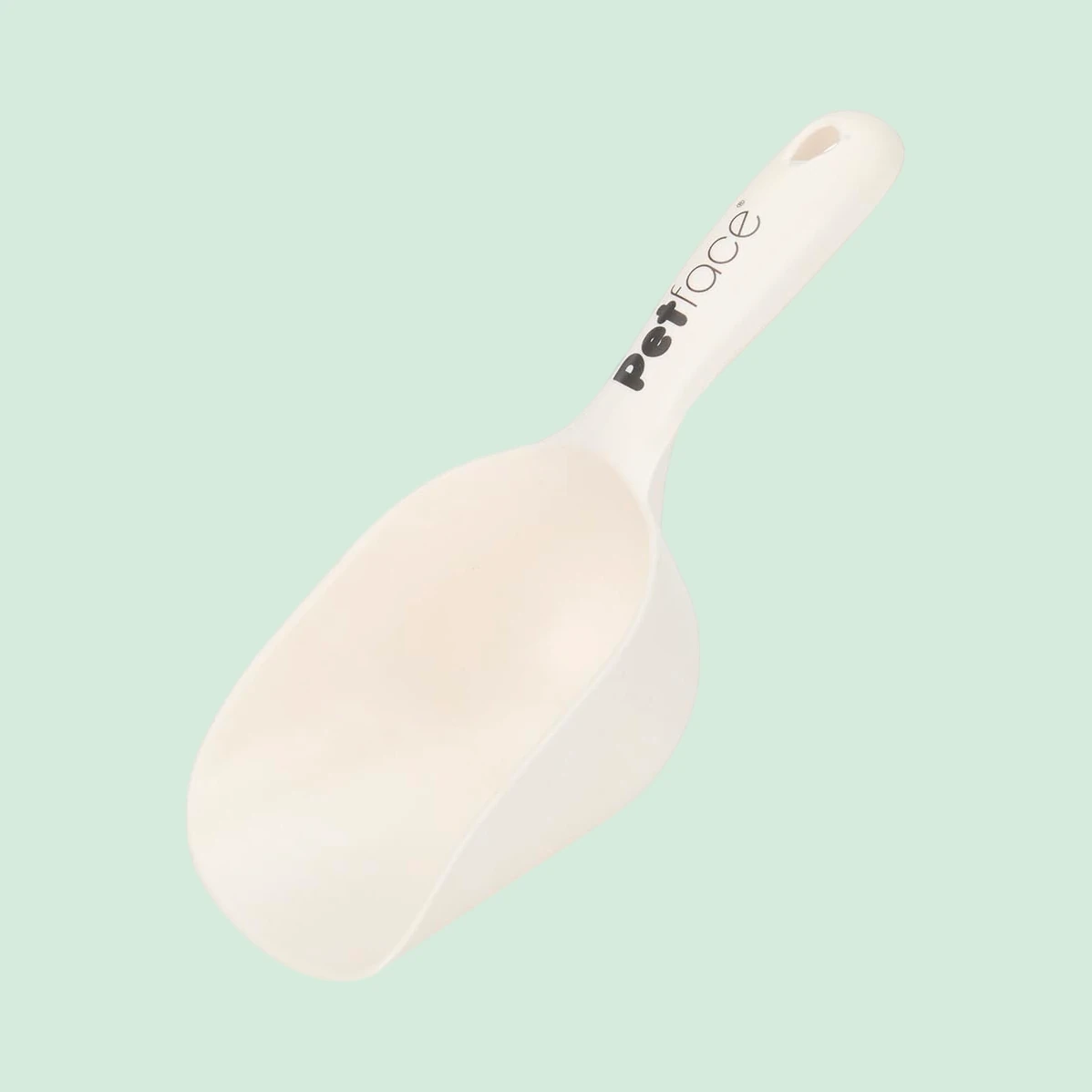
A light plastic food scoop that makes measuring kibble a daily habit.
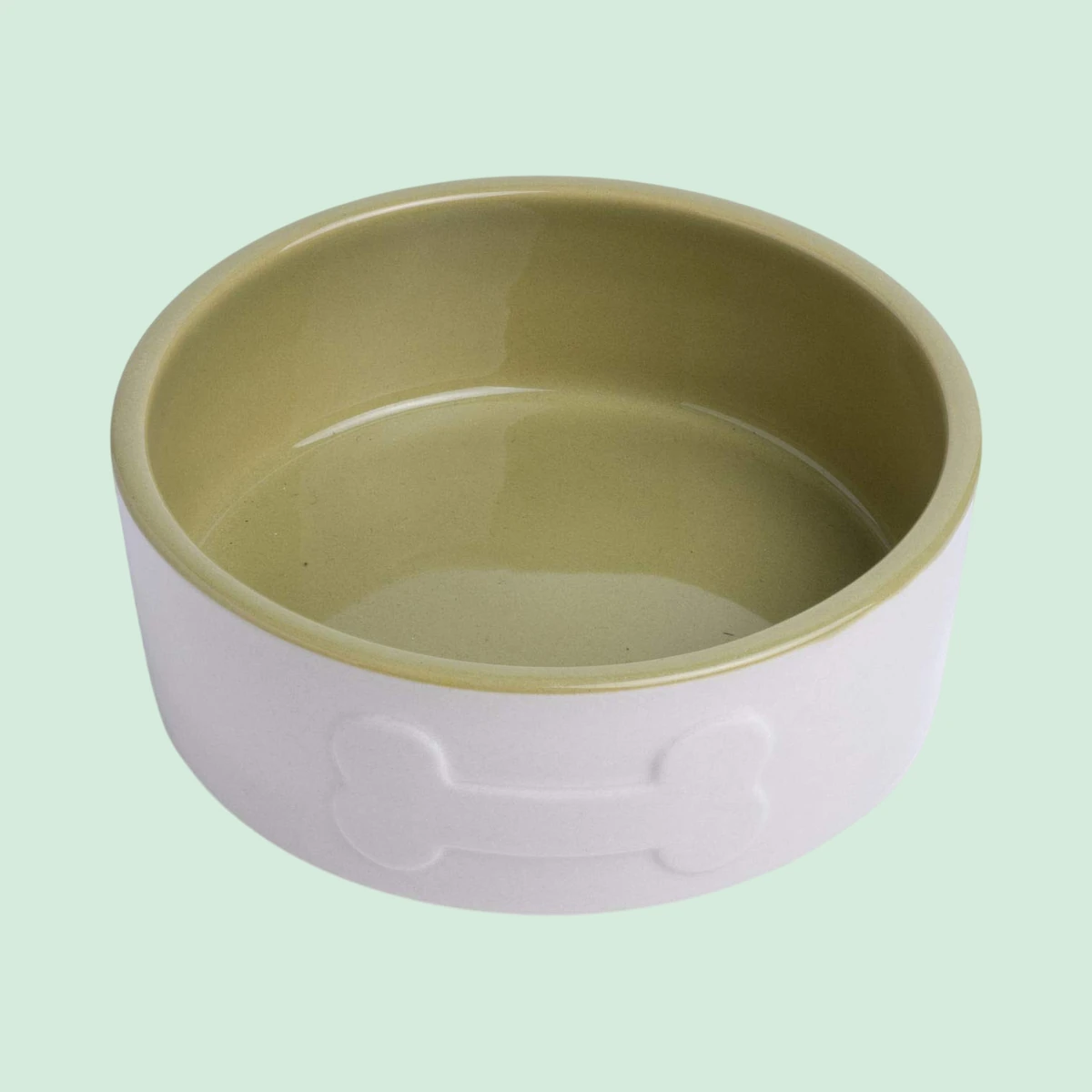
Petface
A 15cm ceramic dog bowl in cream and green, sized for toy and small breeds.
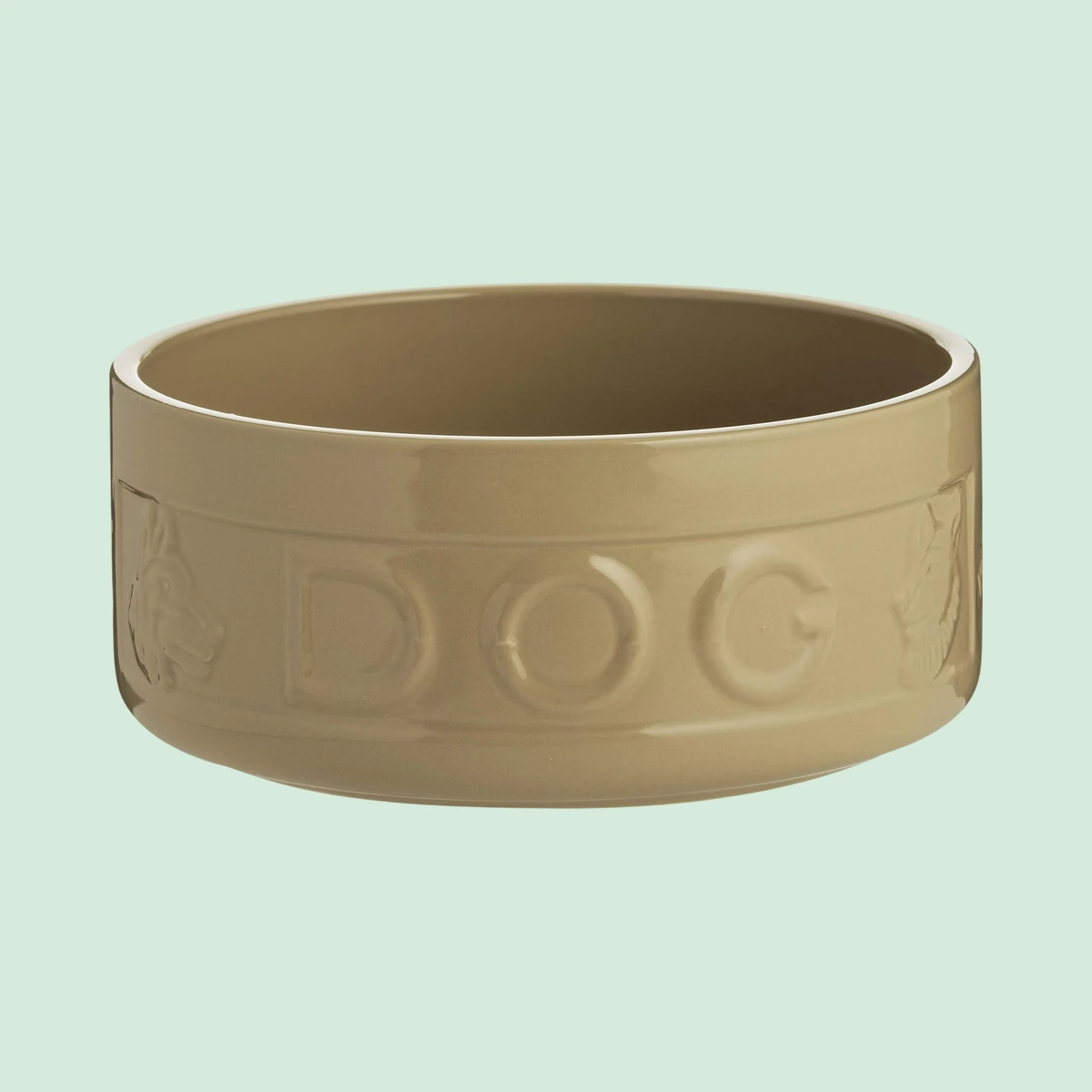
Mason Cash
The Derbyshire stoneware classic, a 20cm dog bowl holding 1.6 litres and dishwasher safe.