For a first dog, look for a breed that tells you clearly what it wants and forgives a beginner's mistakes. Labradors, golden retrievers, cavaliers, cockapoos, greyhounds, border terriers and shih tzus all tend to suit a first home. None of them are low effort. Each asks for something specific, and knowing what that is beforehand matters far more than the breed name.
What makes a dog easier to live with while you learn?
Most lists of first dogs quietly promise something no breed can deliver, which is a dog that raises itself. What some breeds do offer is room to get things wrong, and in a first year you will get plenty of things wrong. That is the real quality worth shopping for.
The dogs that tend to suit a beginner are the ones that say what they mean. Their signals are legible, so you can spot worry before it turns into a bark. Their needs are steady and never spiky, so an ordinary week of walks and training actually covers them. And they bounce back quickly when a session goes badly, which matters more than any other trait while you are learning.
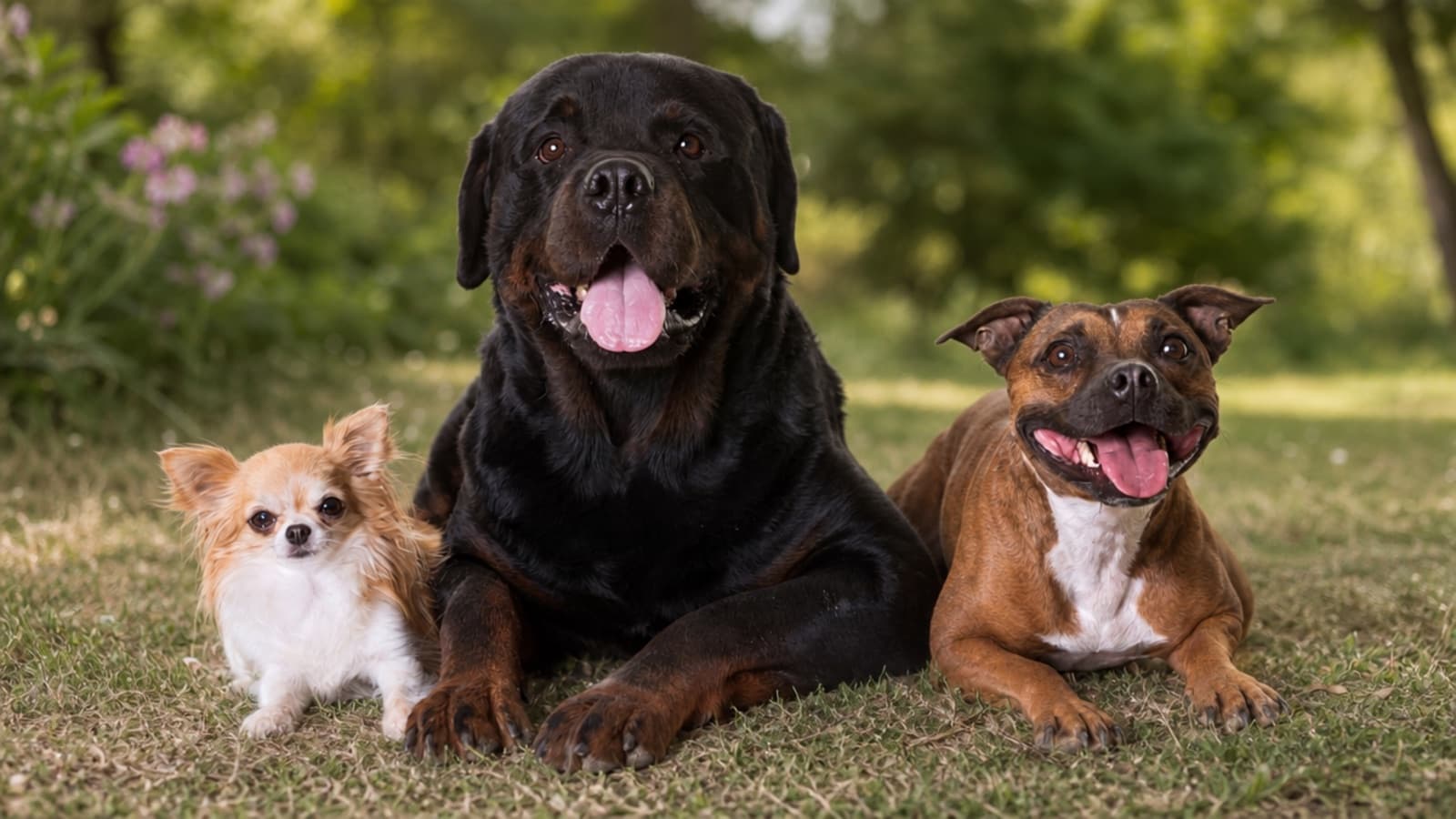
Size is a less useful filter than people expect. A large, settled dog who sleeps through the afternoon can be gentler on a beginner than a small, watchful one who patrols the front window all day. Look at temperament first and measurements second, then be honest about your working week and how much of your walk time is genuinely free.
Which retrievers suit a first home?
The labrador retriever is the default recommendation for good reason. Labs are cheerful, and unusually willing to work with you. Their interest in food makes early training straightforward for someone who has never trained a dog before, because a reward means something to them every single time you ask.
The thing to know before you choose one is the first two years. A young lab is a big, bouncy adolescent with far more energy than judgement. When the walks and the thinking games dry up, that energy finds your skirting boards instead. The second thing is the waistline. A lab will happily eat well past the point of sense, so portions get weighed rather than guessed from the start.
The golden retriever asks for much the same and answers in a softer voice. Goldens are sociable and quick to please. A sharp word lands hard with them, so a calm handler gets the best out of them. Two things to plan for. The coat is a standing appointment, with brushing at home several times a week and a proper groom kept in the calendar. And a golden genuinely wants company, so a house that stands empty from eight until six is a harder fit unless you can break the day up.
Is a cockapoo a good first dog?
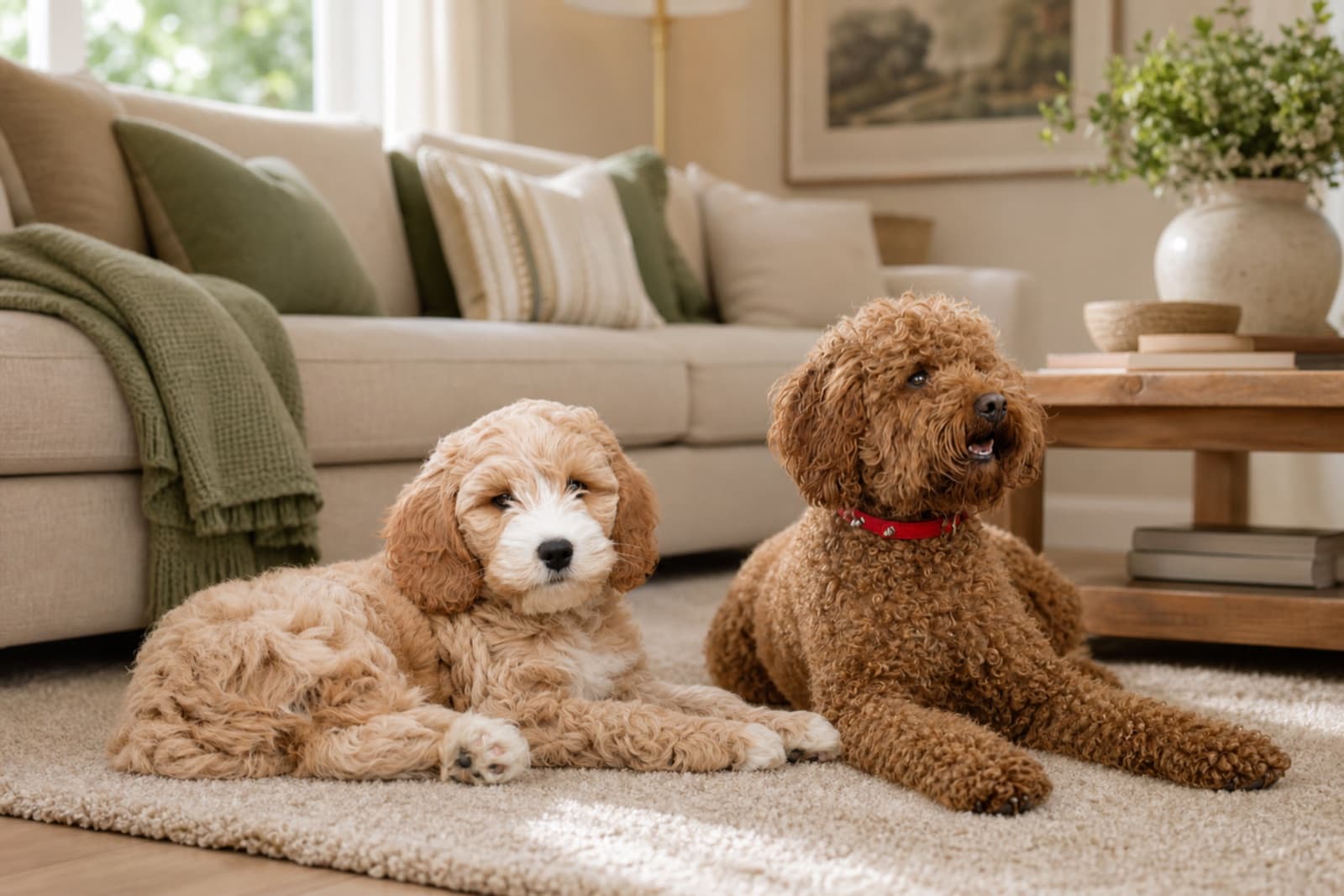
Cockapoos are everywhere in British parks because they earn their place. They are people-focused and quick to learn, and they slot into family life with very little drama. They are a cross, so you get a range and no template, and meeting both parents tells you more than any breed description will.
The thing to know is the coat. A cockapoo coat does not shed itself tidy. Left alone it mats, which is uncomfortable for the dog. A few minutes with a comb most evenings is usually enough to stop a doodle coat matting between appointments. That means brushing at home most days, plus a standing appointment with a groomer through the year. The second thing is separation. A dog bred to be your shadow can find being alone genuinely hard, so teach short, undramatic departures from the first week, well before the first crisis.
Which smaller breeds make steady company?
The cavalier King Charles spaniel is a spaniel in miniature, up for a long walk and equally content on the sofa afterwards. They are gentle with children and relaxed about visitors, which takes a lot of pressure off a first-time owner. They are companion dogs in the truest sense and do not enjoy long days alone. Choose a breeder who health tests properly and keep routine check-ups in the diary, and take anything clinical to your vet first.
The shih tzu was bred for indoor company and is very good at it. They are funny and self-possessed. Modest daily exercise keeps them happy, which suits a flat or a small garden. Two practical points. The coat is a real job, either kept long with daily brushing or kept in a short clip with a regular grooming slot. And with any flat-faced breed, choose a breeder who breeds for open nostrils and comfortable breathing, then ask your vet what to watch for on warm days.
The border terrier is the workmanlike option, small enough for a terraced house and tough enough for a proper walk in the rain. The coat is low fuss and wants hand stripping a couple of times a year, with the clippers left alone. The thing to know is the terrier brain. A border was bred to follow things underground, so recall around squirrels and rabbits takes real work. A long line earns its keep while you build it.
The underrated first dog: why a greyhound might surprise you
If one breed belongs on these lists more often than it appears, it is the greyhound. Retired racers arrive already used to being handled and to living alongside other dogs, and most of them are astonishingly calm indoors. They sleep for a large part of the day, and two decent walks satisfy them without any endless hike. The short coat asks for little more than a rub down.
The honest catch is recall. A sighthound is moving after something before the thought has finished forming, so most greyhound homes rely on a long line and secure fields, and never gamble on an open park. They also feel the cold more than a thick-coated dog, so a winter coat is kit rather than decoration. Take those two things seriously and you have one of the quietest housemates going.
How do you feed a first dog well?
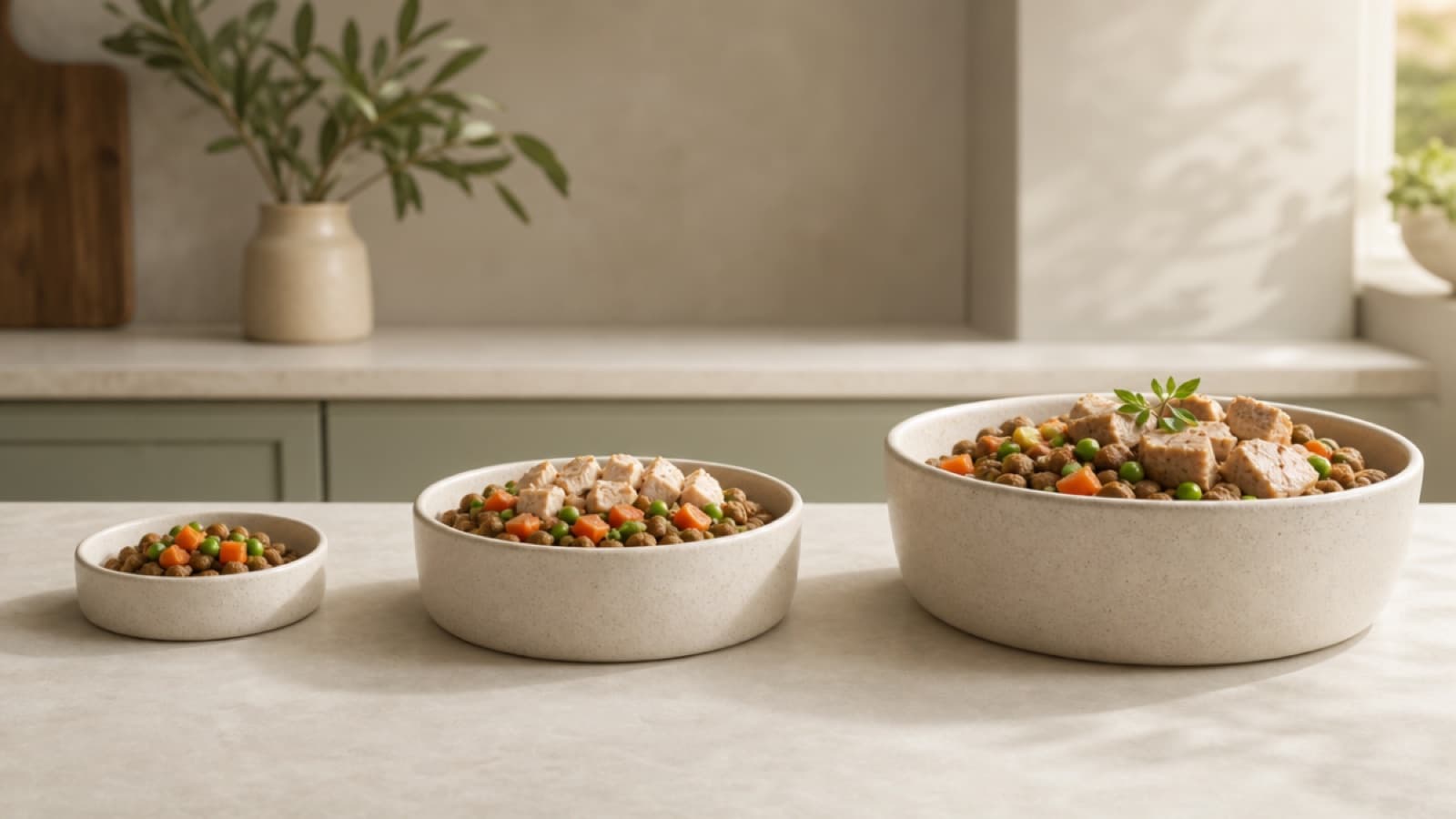
Feeding a first dog is simpler than the internet makes it look. The bowl is set by size, age, activity and waistline, not by the breed on the paperwork. A puppy needs a food built for growth, split across more meals a day than an adult gets. A large breed puppy does best on a growth food formulated for a bigger frame, and your breeder or vet can point you towards one.
An adult dog in normal work needs the right amount of a sound adult food, measured with scales and not a mug, adjusted by what you can feel along the ribs. If you would rather skip the reading, our asks about age and size, along with any fussiness. Then it shows you what genuinely matches. Each breed guide on the site also ends with the foods we have matched to that breed.
How do you choose between two breeds you both like?
When you are down to a shortlist of two, stop reading and start meeting. Go and see adults of the breed. A puppy tells you nothing about what you will live with for the next decade. Ask owners what the worst month was and what they underestimated. Watch a dog at the end of a long walk, when the good manners have run out.
Then be honest about the ordinary version of your week. What happens on a wet Tuesday when work overruns? If you are still torn, our guide to which dog breed fits your life works through the same questions from the other direction. And do not rule out an adult dog from a rescue. A settled three year old with a known temperament takes most of the guesswork out of a first year, and plenty of first homes are better off starting exactly there.
Frequently asked questions
Is a puppy or an adult dog better for a first-time owner?
An adult is often the kinder introduction. What you meet is broadly what you get. House training is usually behind them. You skip the sleepless fortnight and the shark-toothed adolescence entirely. A puppy gives you a longer shared history and full control of early socialising, but it is a demanding job on top of a normal working week. Neither choice is wrong. Be honest about the time you actually have.
Are crossbreeds like cockapoos easier for beginners than pedigrees?
Not automatically. With a cross you get a range, and no fixed type, so two cockapoos from the same litter can want different things from life. That can work beautifully for a first home, but it means judging the individual dog and its parents, with the breed description set aside. Meet the mother, ask about the coat, and ask what the breeder is breeding for.
How much time does a first dog really need each day?
Think in terms of a whole day, not a walk. Most of the dogs here want two decent outings and a short training session to keep their brain busy. Company while you get on with things matters just as much. A puppy needs far more than that, in small frequent doses. The daily minimum matters less than consistency, because dogs settle around a routine they can predict.
Should a first-time owner choose a big dog or a small one?
Judge temperament before size. A large, settled dog who sleeps through the afternoon can be far easier to live with than a small, highly alert one who reacts to every sound in the street. Size mainly changes the practical side, meaning how much dog you can hold on a lead and how much room a bed takes up in your hallway.