

Most important facts
- Group
- Terrier
- Size
- Medium
- Weight
- 11–17 kg
- Lifespan
- 12–14 years
- Coat
- Short, smooth
- Energy
- High
- Height
- 36–41 cm
- Colours
- Red, fawn, black, blue, brindle or with white
- Shedding
- Moderate
- Est. feeding cost
- ~£0.87 a day
- Gear to consider
- Strong, well-fitted harness for a powerful walker, tough long-lasting chew toys, a warm coat for cold-weather walks
Typical dry food, adult
About the Staffordshire Bull Terrier
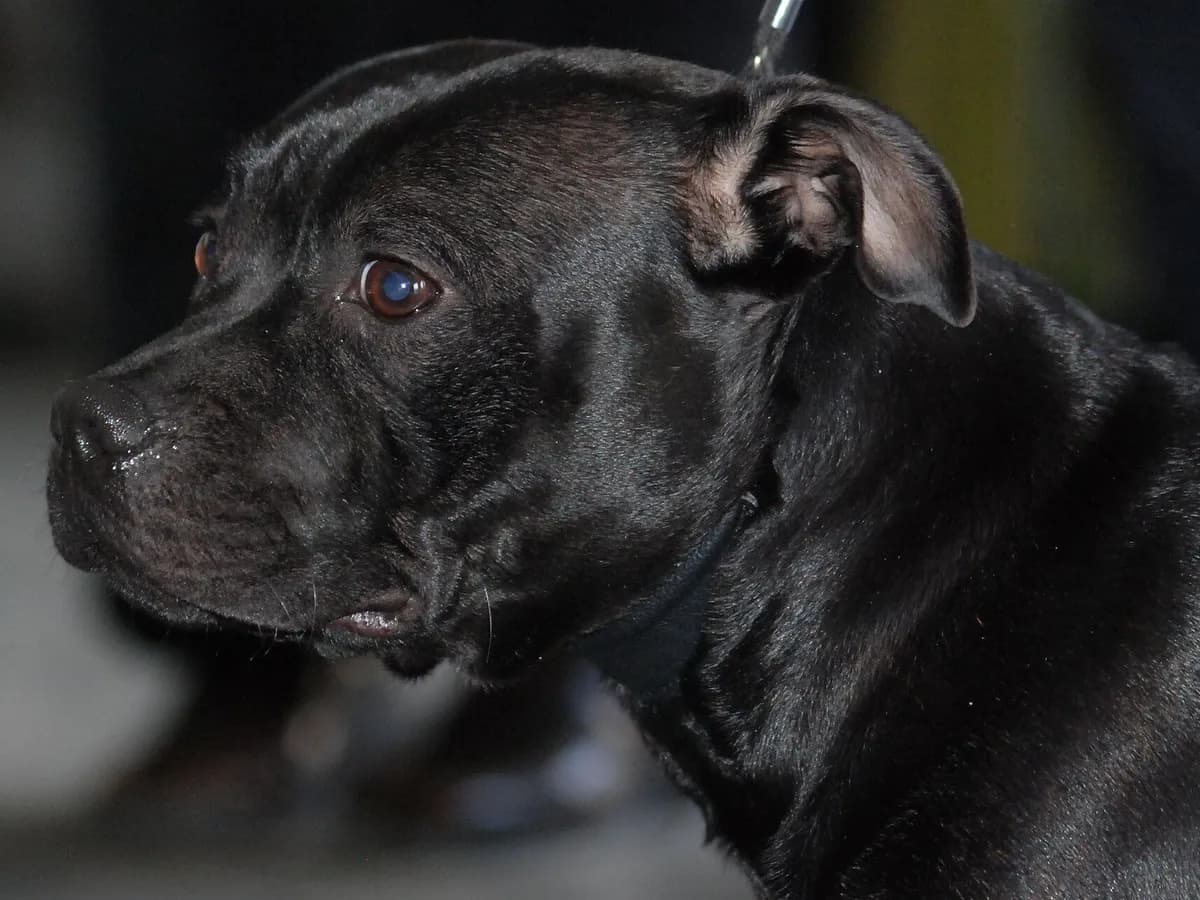
The Staffordshire Bull Terrier was shaped from bull-and-terrier stock in the potteries and iron towns of nineteenth-century Staffordshire and the Black Country. Kennel Club recognition followed in 1935, thanks largely to breeder Joe Dunn and a pub meeting in Cradley Heath. Its devotion to people, children especially, later earned it the affectionate nickname of the nanny dog, and it remains one of Britain's best-loved breeds.
Staffies are affectionate, courageous and endlessly people-focused, the sort of dog that wants to be on the sofa, in the garden and underfoot in the kitchen all at once. They bond closely with their families, suit busy homes, and are often wonderful with the children they're raised alongside, with sensible supervision always wise.
Underneath the softness is a strong, athletic dog with real determination. Some can be selective or over-excitable around other dogs, so early, positive socialisation matters. They're clever and food-motivated, making reward-based training enjoyable, but they don't cope well left alone for long, so build up time apart gradually.
Common health conditions
Things Staffordshire Bull Terrier owners commonly watch for. Guidance, not veterinary advice.
Hereditary cataracts (HC)
An inherited eye condition recorded in the breed. Ask a breeder for the parents' DNA test results.
L-2-hydroxyglutaric aciduria (L-2-HGA)
A rare inherited metabolic condition the breed can carry. Choose breeders who use the DNA test.
Skin and allergy sensitivities
Some Staffies are prone to itchy or reactive skin. Speak to your vet about persistent scratching rather than changing food on a hunch.
Weight gain and obesity
A food-keen breed whose muscular frame can mask extra weight. Weigh portions and check body condition honestly and regularly.
Mast cell tumours
The breed can be somewhat prone to these skin lumps. Have any new or changing lump checked, though many turn out harmless.
Hip dysplasia
A joint condition screened for in breeding dogs. Keep a Staffie lean and fit to spare the joints.
Feeding a Staffordshire Bull Terrier
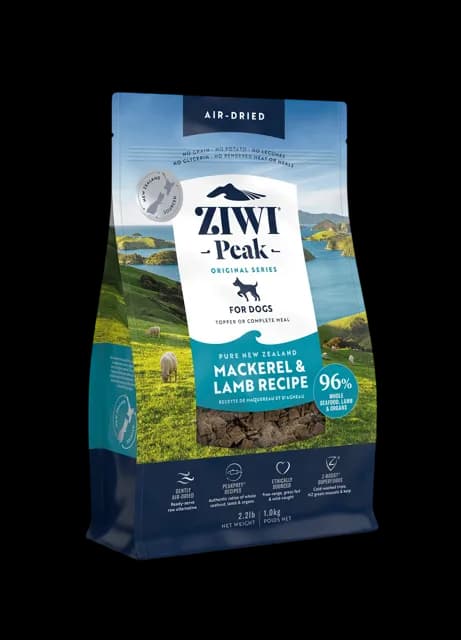
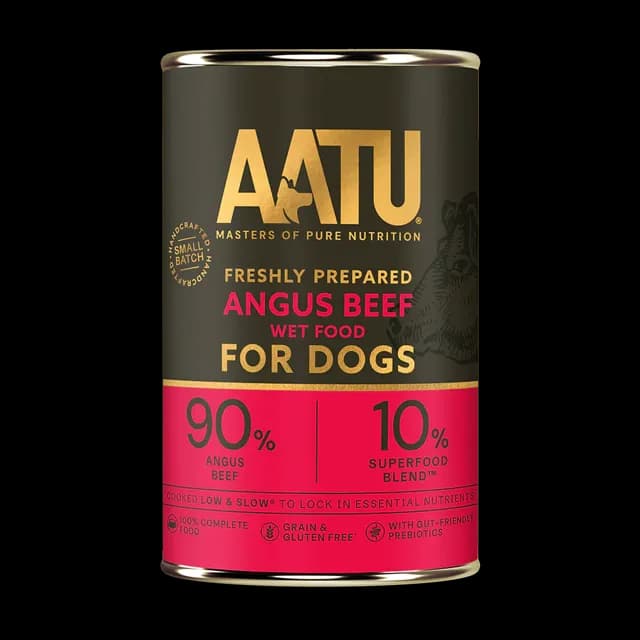
A muscular, active Staffie does well on a complete food with a clearly named protein source and a sensible energy density for its actual activity. Because the breed loves its food, it's easy to overfeed one without realising, so weigh out a measured daily amount rather than free-feeding.
A Staffie's stocky build can hide weight gain, so feed to body condition, checking you can easily feel the ribs, and keep treats to roughly a tenth of daily calories with training rewards counted in. Some Staffies have sensitive skin or a delicate tummy, so introduce any new food gradually.
Every dog is different — weight, age and activity all shift what a Staffordshire Bull Terrier needs. The turns these breed tendencies into a shortlist matched to your dog’s age, size, budget and needs.
Typical adult weight
11–17 kg
Est. daily calories
510–1,050 kcal
A broad guide for an average-activity adult in good body condition — not veterinary advice. Real needs vary with age, neutering, activity, health and body condition, so no two Staffordshire Bull Terriers eat exactly the same. Get a personalised estimate or estimate feeding costs.
- Per day
- ~£0.87
- Per month
- ~£26
- Per year
- ~£316
A broad typical monthly budget guide, not a live price quote. Food format, calorie density, pack size and retailer pricing all change the real cost.
Best food for Staffordshire Bull Terriers
All food reviewsMatched on score, life stage, food type, breed size, fit, value and retailer availability. How we score.
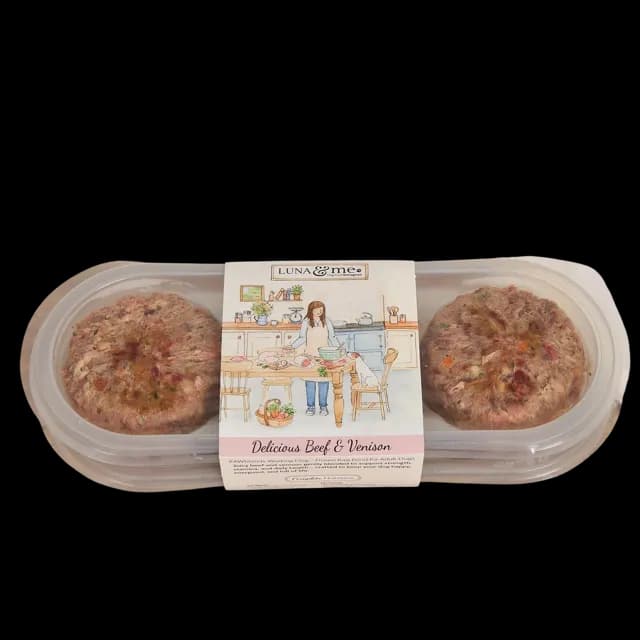
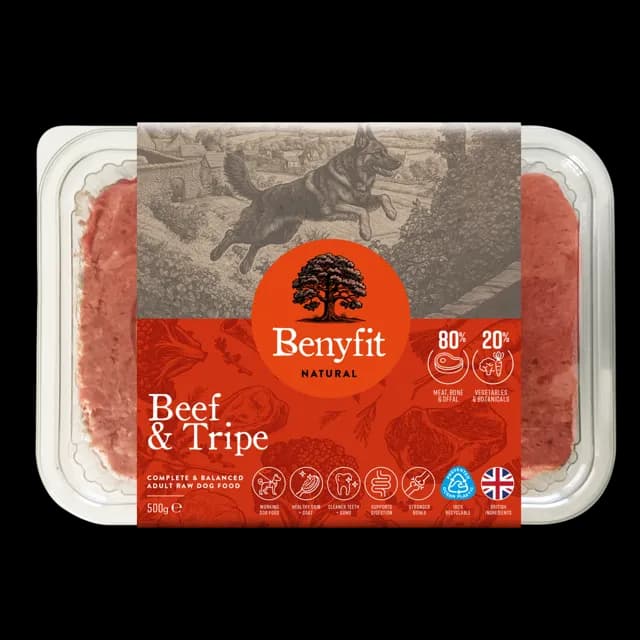
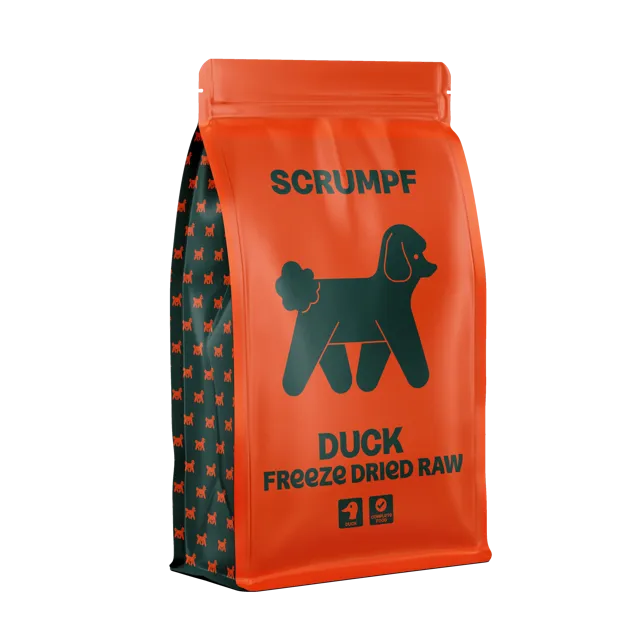
Ranked shortlists for Staffordshire Bull Terriers
Want the full food shortlist?
See foods matched to your Staffordshire Bull Terrier by score, price, life stage and fit.
Breed at a glance
- Exercise needs7/10
- Appetite8/10
- Trainability7/10
- Good with children8/10
- Shedding4/10
- Tolerates being alone3/10
The good & the worth-knowing
The good
- Hugely affectionate, loyal and devoted to their people
- Short, smooth coat that needs very little grooming
- Sturdy, playful and full of character, a lot of dog in a compact package
Worth knowing
- Very people-oriented, so can find being left alone for long a struggle
- Strong and powerful, so lead training and good equipment really matter
- Can be selective around other dogs without early, positive socialisation
Best matched accessories
All accessoriesThe collections that suit the breed, judged by the same independent standard.
Common owner questions
Are Staffies good family dogs?
Staffies are known for being affectionate and people-focused, and many are gentle, patient companions in a family home. Supervise time with young children, and use early training and socialisation to help a Staffie grow into a calm adult.
How much exercise does a Staffie need?
Most Staffies do well on around an hour or more a day, split between walks, play and mental stimulation such as scentwork. They're strong and enthusiastic, so lead manners and a well-fitted harness make walks easier.
Why does my Staffie always seem hungry?
Staffies love their food, and their muscular build can quietly hide extra weight. Weigh out the daily allowance, keep treats to a tenth or less of daily calories, and use our calorie calculator as a starting point, adjusting to keep your dog lean.
Do Staffies have sensitive skin?
Some Staffies are prone to itchy or sensitive skin, but plenty never have any bother. If the scratching or licking persists, speak to your vet, because food changes alone are only guesswork.
Can Staffies be left alone during the day?
Staffies are deeply attached to their people and can find long stretches alone hard, showing it as restlessness or unwanted behaviour. Build up alone time gradually from puppyhood and keep absences reasonable.
Similar breeds
Photo: Lilly M real name: Małgorzata Miłaszewska, CC BY-SA 3.0, via Wikimedia Commons