


Most important facts
- Group
- Gundog
- Size
- Medium
- Weight
- 14–22 kg
- Lifespan
- 10–14 years
- Coat
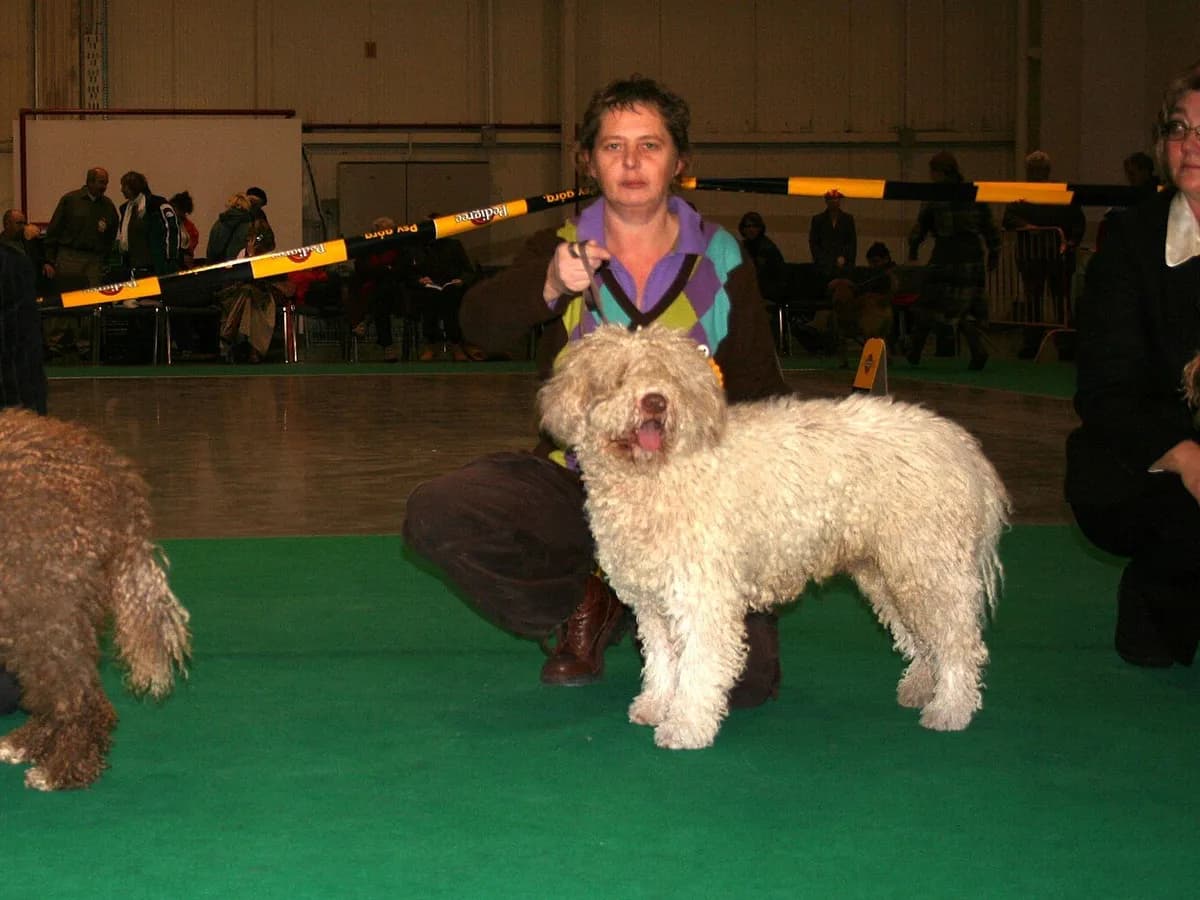
- Curly, woolly
- Energy
- High
- Height
- 40–50 cm
- Colours
- Black, brown, beige or white, solid or bicolour
- Shedding
- Light
- Est. feeding cost
- ~£1.01 a day
- Gear to consider
- Ear-drying towels, professional coat clippers or cording tools, floating retrieve toys for swimming
Typical dry food, adult
About the Spanish Water Dog
The Spanish Water Dog worked as an all-rounder in rural Andalusia for centuries, herding sheep and goats in the hills and helping fishermen with nets and boats on the coast. The breed was formally rescued from obscurity in the 1970s by Spanish enthusiasts who gathered working dogs from farms across the south. Its corded coat and versatility have won it a growing British following.
The Spanish Water Dog is bright and faithful, and genuinely eager to please. It bonds very closely with its family and wants to be involved in whatever is going on. Its working background shows in a strong instinct to keep its human flock together and real enthusiasm for a job, whether training, agility or retrieving.
That intelligence makes the breed highly trainable, and food-based positive reinforcement works particularly well, with short sessions using measured-out kibble doubling as part of the day's allowance. Early socialisation matters, since watchfulness can tip into wariness or vocal guarding if under-stimulated.
Common health conditions
Things Spanish Water Dog owners commonly watch for. Guidance, not veterinary advice.
Hip dysplasia
A joint condition affecting the hip socket that can cause stiffness and pain. Keep this working breed lean, with portions matched to activity, and choose hip-scored parents.
Progressive retinal atrophy (PRA)
Sight fades slowly in this inherited eye condition. A DNA test is available, so choose tested breeding lines.
Glaucoma / goniodysgenesis
An inherited eye-drainage abnormality that can raise pressure within the eye. Ask breeders about annual eye testing, particularly for breeding dogs.
Ear infections
Drop ears and an enthusiasm for swimming can trap moisture. Squeeze the ears dry, never rub, after water play or bathing.
Congenital hypothyroidism with goitre (CHG)
An inherited thyroid condition affecting growth and metabolism from puppyhood. Choose DNA-tested breeding lines, as thyroid function affects how a dog uses energy from food.
Feeding a Spanish Water Dog
The Spanish Water Dog is a genuinely high-energy working breed, and its diet needs enough protein and calories for long days of exercise and training. Judge that against the individual dog's actual activity. Because the curly coat hides early weight gain, check body condition by hand every few weeks.
Given the breed's predisposition to hip dysplasia, keeping dogs lean through puppyhood and adulthood is one of the most effective ways to protect the joints. A good-quality diet with adequate omega fatty acids also supports the coat and skin barrier, useful given the tendency towards ear and skin irritation after regular swimming.
Every dog is different — weight, age and activity all shift what a Spanish Water Dog needs. The turns these breed tendencies into a shortlist matched to your dog’s age, size, budget and needs.
Typical adult weight
14–22 kg
Est. daily calories
610–1,280 kcal
A broad guide for an average-activity adult in good body condition — not veterinary advice. Real needs vary with age, neutering, activity, health and body condition, so no two Spanish Water Dogs eat exactly the same. Get a personalised estimate or estimate feeding costs.


- Per day
- ~£1.01
- Per month
- ~£31
- Per year
- ~£368
A broad typical monthly budget guide, not a live price quote. Food format, calorie density, pack size and retailer pricing all change the real cost.
Find the right food for your Spanish Water Dog
Foods ranked to your dog
Answer a few quick questions and the Food Finder ranks foods to your Spanish Water Dog by score, price, life stage and fit.
Breed at a glance
- Exercise needs9/10
- Appetite6/10
- Trainability9/10
- Good with children6/10
- Shedding1/10
- Tolerates being alone3/10
The good & the worth-knowing
The good
- Highly trainable and genuinely keen to work, responding well to positive reinforcement
- Low-shedding curly coat, which some allergy-conscious households find more manageable
- Loyal, versatile companion equally at home working, swimming or with an active family

Worth knowing
- Coat care is a specialist skill, as cords are teased and clipped, not brushed
- Needs well over an hour of exercise plus real mental work most days
- Bonds very closely with its family and can find long periods alone difficult
Best matched accessories
All accessoriesThe collections that suit the breed, judged by the same independent standard.
Common owner questions
How much exercise does a Spanish Water Dog need?
At least an hour of proper exercise a day, plus mental stimulation such as training or retrieving games. This is a working breed bred to herd and to fish, and it struggles without an outlet, with swimming a favourite way to tire it out safely.
Is the Spanish Water Dog easy to groom?
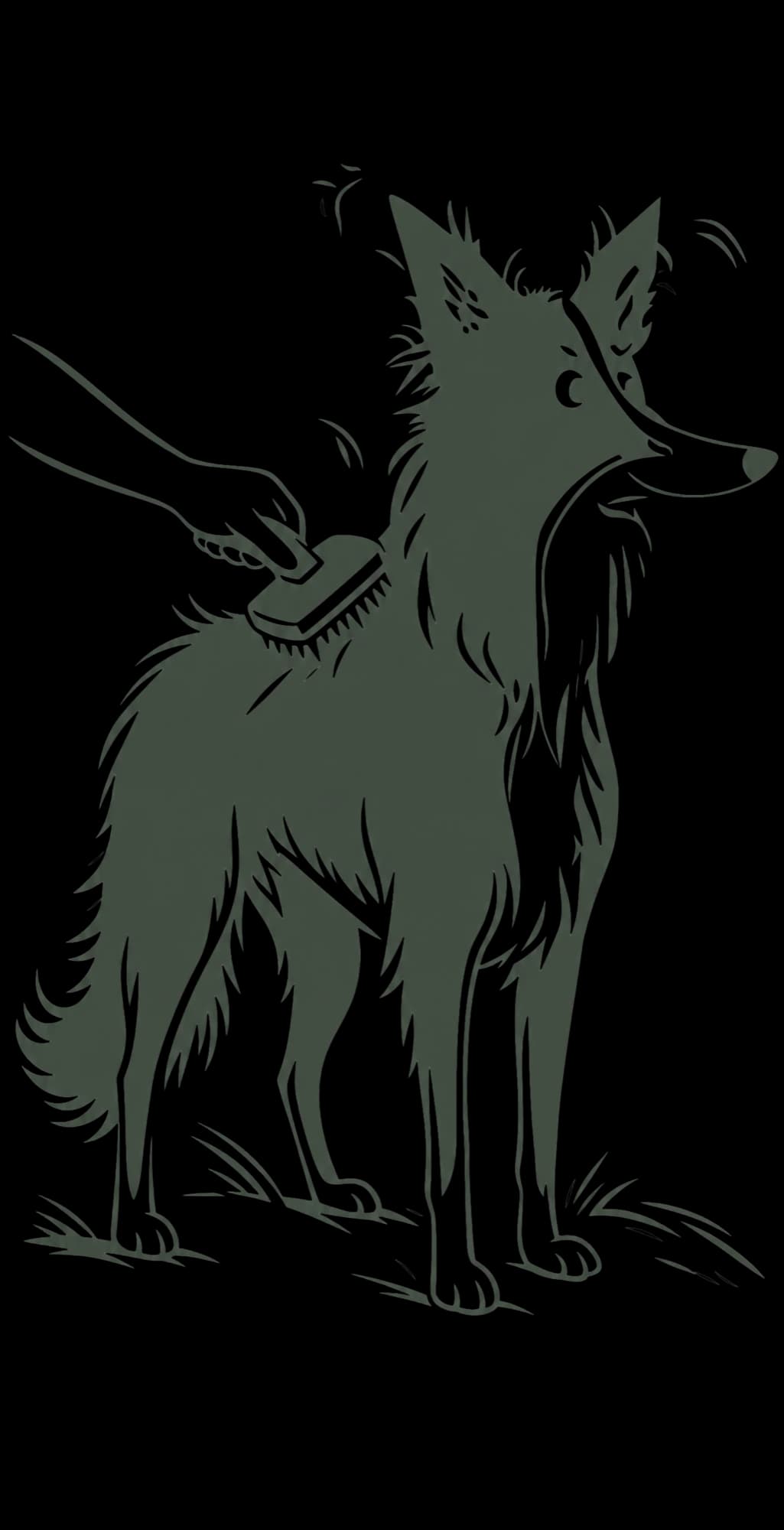
Not in the way most breeds are. The coat is never brushed, but teased into cords and clipped uniformly once or twice a year, with checks for matting in between. It needs someone willing to learn the routine.
How much should I feed a Spanish Water Dog?
There's no single fixed amount. Feed to body condition rather than a bag guideline, checking the waist and ribs regularly and adjusting portions as exercise changes through the seasons. Our Food Finder can suggest a starting point from your dog's weight and activity level.
Are Spanish Water Dogs prone to putting on weight?
They can be, partly because the thick corded coat makes early weight gain harder to spot by eye. Since the breed is also predisposed to hip dysplasia, keeping dogs lean through regular hands-on checks and portion adjustments is one of the more useful things an owner can do.