


Most important facts
- Group
- Toy
- Size
- Toy
- Weight
- 1.8–3.5 kg
- Lifespan
- 12–16 years
- Coat
- Long
- Energy
- Moderate
- Height
- 18–24 cm
- Colours
- Orange, sable, cream, black and more
- Shedding
- Moderate
- Est. feeding cost
- ~£0.32 a day
- Gear to consider
- Lightweight step-in harness, small-breed slow-feeder bowl, soft-bristle grooming brush
Typical dry food, adult
About the Pomeranian
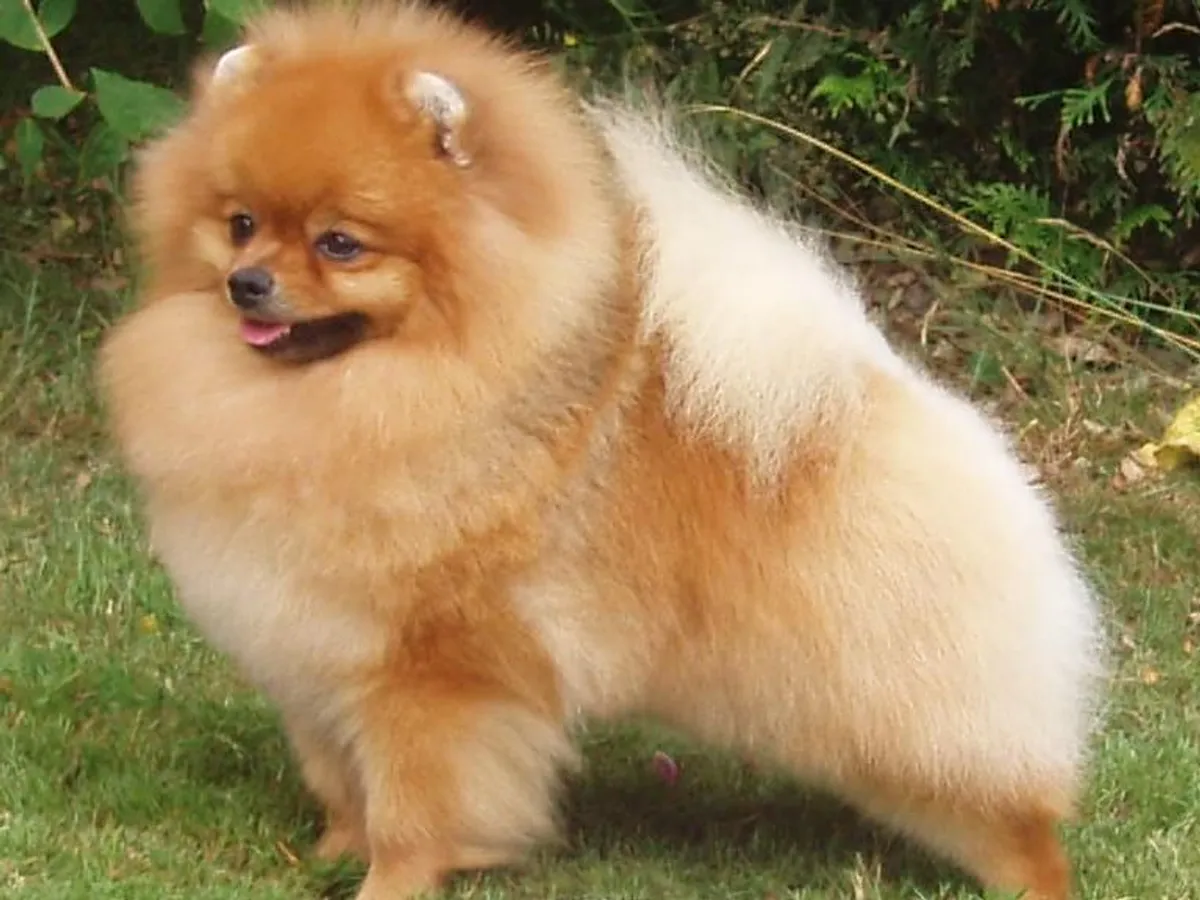
The Pomeranian was bred down from the sturdy spitz sled and herding dogs of Pomerania on the Baltic coast. Its toy size is owed largely to Queen Victoria, whose beloved Marco sparked a Victorian craze for ever-smaller specimens. Earlier fanciers reputedly included Mozart and Michelangelo. The breed has kept the full spitz personality while shrinking to lapdog proportions.
Pomeranians are lively and self-assured, often behaving as though they are far larger than their two-to-three-kilogram frame suggests. They are affectionate with their household and enjoy being at the centre of family life, but their boldness can tip into yappiness or wariness of strangers if not gently socialised from puppyhood.
They form strong bonds with their owners and can be prone to separation distress, so build up alone time gradually. Their intelligence makes them responsive to reward-based training, though a stubborn streak means short, consistent sessions work best, with small high-value treats counted into the day's overall allowance.
Common health conditions
Things Pomeranian owners commonly watch for. Guidance, not veterinary advice.
Luxating patella
The kneecap slips out of position, and the sign is an on-and-off skip in the back leg. Keep a Pomeranian lean to reduce the strain considerably.
Tracheal collapse
The windpipe can weaken and narrow, leading to a honking cough, especially in overweight dogs or those pulling on a collar. Use a harness and manage weight carefully.
Dental disease
Small, crowded jaws mean plaque and tartar build up quickly. Brush daily and feed a diet suited to dental health.
Progressive retinal atrophy
Sight fades gradually with this inherited deterioration of the retina. Choose breeders who screen for it before mating.
Feeding a Pomeranian
A Pomeranian's stomach is small enough that portions need measuring on kitchen scales, as a few extra grams of kibble is a large share of daily calories for a two-kilogram dog. A complete, energy-dense small-breed food fed in several small meals through the day suits their tiny digestive capacity and helps avoid the blood sugar dips toy breeds can be prone to.
Because the breed carries a genuine risk of tracheal collapse and luxating patellas, a lean, correct body condition matters more than for most breeds, sparing both windpipe and knees. Small kibble and consistent routines also help with fussy eating, and a dental-support food is worth prioritising given how quickly plaque builds in their crowded jaws.
Every dog is different — weight, age and activity all shift what a Pomeranian needs. The turns these breed tendencies into a shortlist matched to your dog’s age, size, budget and needs.
Typical adult weight
1.8–3.5 kg
Est. daily calories
130–290 kcal
A broad guide for an average-activity adult in good body condition — not veterinary advice. Real needs vary with age, neutering, activity, health and body condition, so no two Pomeranians eat exactly the same. Get a personalised estimate or estimate feeding costs.

- Per day
- ~£0.32
- Per month
- ~£10
- Per year
- ~£115
A broad typical monthly budget guide, not a live price quote. Food format, calorie density, pack size and retailer pricing all change the real cost.
Find the right food for your Pomeranian
Foods ranked to your dog
Answer a few quick questions and the Food Finder ranks foods to your Pomeranian by score, price, life stage and fit.
Breed at a glance
- Exercise needs3/10
- Appetite4/10
- Trainability6/10
- Good with children4/10
- Shedding6/10
- Tolerates being alone3/10
The good & the worth-knowing
The good
- Thrives in flats and smaller homes thanks to modest exercise needs
- Affectionate and lively, and strongly attached to the family it lives with
- Long lifespan for a dog of any size, often well into its teens

Worth knowing
- Small, crowded jaws leave them prone to dental problems, so care needs to start early
- A fine frame and delicate trachea mean rough handling or collar pulling can cause injury
- A tendency towards fussy eating alongside a tiny stomach makes portion accuracy especially important
Best matched accessories
All accessoriesThe collections that suit the breed, judged by the same independent standard.


Common owner questions
How much should I feed my Pomeranian?
Because Poms weigh so little, follow the feeding guide on a small-breed food and weigh portions on kitchen scales, as a small overfeed is a large share of daily calories at this size. Our Food Finder can match a food's calorie density to your dog's exact weight and activity.
Why is my Pomeranian a fussy eater?
Toy breeds are commonly selective eaters, partly from small stomach capacity and partly learned behaviour if food changes often. Stick to a consistent, palatable food and limit extras to settle appetite over a few weeks.
How much exercise does a Pomeranian need?
Two or three short outings adding up to around 30 minutes of walking usually suffice, with some indoor play and training. Watch body condition rather than appetite alone, since a lightly worked toy breed gains weight quickly if food isn't adjusted.
Are Pomeranians good with children?
They can do well with calm, gentle older children, but their small size and delicate joints and trachea make them vulnerable to injury from boisterous handling, so supervision with younger children is important.