

Most important facts
- Group
- Hound
- Size
- Large
- Weight
- 30–55 kg
- Lifespan
- 10–13 years
- Coat
- Dense, rough
- Energy
- High
- Height
- 60–69 cm
- Colours
- Grizzle, sandy, red or black and tan
- Shedding
- Moderate
- Est. feeding cost
- ~£1.79 a day
- Gear to consider
- Large slow-feeder bowl, waterproof drying towel or robe, sturdy long-line lead for recall training
Typical dry food, adult
About the Otterhound
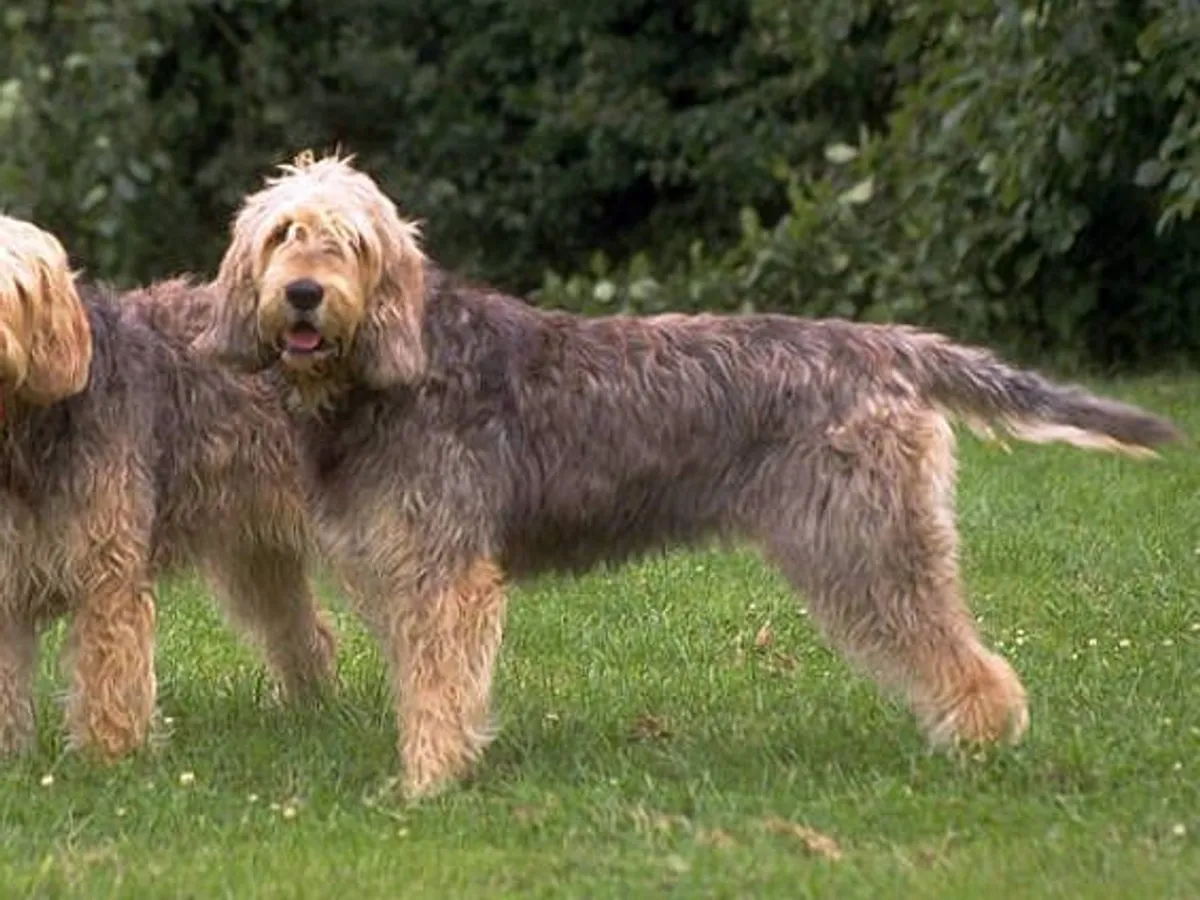
The Otterhound hunted otters along British rivers from medieval times, kept in packs by kings and squires to protect fish stocks, with its oily double coat and webbed feet built for cold water. When otter hunting was banned in 1978 the breed lost its job almost overnight. It is now Britain's rarest native breed, with only a few dozen puppies registered in a typical year.
The Otterhound is amiable and thoroughly good-natured, with an even temper and none of the sharpness sometimes seen in other hound breeds. Bred to work in packs pursuing scent for hours at a stretch, they are independent-minded and can be surprisingly stubborn once nose-down on an interesting trail.
They tend to be sociable with people and other dogs, and their easy-going nature usually extends to children, though their size and enthusiasm mean supervision around small children is sensible. That working stamina means a bored, under-exercised Otterhound can become vocal or destructive, so mental engagement matters as much as a properly portioned bowl.
Common health conditions
Things Otterhound owners commonly watch for. Guidance, not veterinary advice.
Hip dysplasia
A malformation of the hip joint that's relatively common in large, heavy-boned breeds. Feed for controlled growth on a balanced large-breed puppy food rather than rapid weight gain.
Gastric dilatation-volvulus (bloat)
Deep-chested large breeds like the Otterhound carry a higher risk of this life-threatening emergency. Feed two or more smaller meals and rest your dog around mealtimes.
Ear infections
Long, heavily furred ears combined with a fondness for swimming mean ears often stay damp. Check regularly and dry thoroughly after water play.
Elbow dysplasia and other joint conditions
Developmental joint problems can occur in large, fast-growing hounds. Feed controlled calcium and phosphorus during growth and joint-supportive nutrients in adulthood.
Feeding a Otterhound
A working scenthound of this size needs a food that supports sustained, moderate-intensity activity and not short bursts of speed. A moderate-to-high protein complete diet suits most adults better than a light formula, provided body condition is monitored. The breed is deep-chested and prone to bloat, so the day's ration is better fed as two or more meals. Slow the feeding pace and keep your dog rested around mealtimes.
Otterhound puppies grow slowly and reach a large adult size, so a puppy food formulated for large breeds, with moderate calcium and calories, is the safer choice. Overly rapid growth stresses developing hips and elbows. Adults carry a lot of coat and can look deceptively lean or bulky underneath it, so regular hands-on body condition checks keep portions accurate as activity changes with age.
Every dog is different — weight, age and activity all shift what a Otterhound needs. The turns these breed tendencies into a shortlist matched to your dog’s age, size, budget and needs.
Typical adult weight
30–55 kg
Est. daily calories
1,080–2,540 kcal
A broad guide for an average-activity adult in good body condition — not veterinary advice. Real needs vary with age, neutering, activity, health and body condition, so no two Otterhounds eat exactly the same. Get a personalised estimate or estimate feeding costs.
- Per day
- ~£1.79
- Per month
- ~£55
- Per year
- ~£655
A broad typical monthly budget guide, not a live price quote. Food format, calorie density, pack size and retailer pricing all change the real cost.
Find the right food for your Otterhound
Foods ranked to your dog
Answer a few quick questions and the Food Finder ranks foods to your Otterhound by score, price, life stage and fit.
Breed at a glance
- Exercise needs9/10
- Appetite8/10
- Trainability5/10
- Good with children7/10
- Shedding6/10
- Tolerates being alone3/10
The good & the worth-knowing
The good
- Amiable, good-natured temperament with little aggression
- Loves water and long, purposeful walks
- Distinctive, low-maintenance rough coat needs no clipping
Worth knowing
- Very rare in the UK, so puppies can be hard to find and waiting lists long
- Sheds year-round and often comes home muddy, wet or drooly
- Large size and strong hound instincts mean recall takes patient, consistent training
Best matched accessories
All accessoriesThe collections that suit the breed, judged by the same independent standard.
Common owner questions
How much should I feed an Otterhound?
Most adults do well on a moderate-to-high protein complete food split across two meals a day, with the exact amount depending on weight, age and activity. Because they're deep-chested, avoid one large meal and check body condition regularly, keeping ribs easily felt but not visible.
Is the Otterhound prone to bloat?
Yes, its large, deep chest puts it in a higher-risk group for gastric dilatation-volvulus. Feeding smaller, more frequent meals, avoiding strenuous exercise around mealtimes and slowing the feeding pace all help reduce the risk, alongside knowing the emergency signs.
How much exercise does an Otterhound need?
A good deal. Bred to work all day trailing scent, they need substantial daily exercise, ideally including access to water, plus mental stimulation such as scent games to prevent boredom-driven behaviour.
Are Otterhounds easy to find in the UK?
No, they're recognised by the Kennel Club as the UK's rarest native breed, with only a handful of litters registered each year. Expect a long wait, and approach the Otterhound Club or Kennel Club-assured breeders directly.