
Most important facts
- Group
- Toy
- Size
- Small
- Weight
- 4–8 kg
- Lifespan
- 13–15 years
- Coat
- Long
- Energy
- Moderate
- Height
- 25–33 cm
- Colours
- Any colour or combination
- Shedding
- Light
- Est. feeding cost
- ~£0.47 a day
- Gear to consider
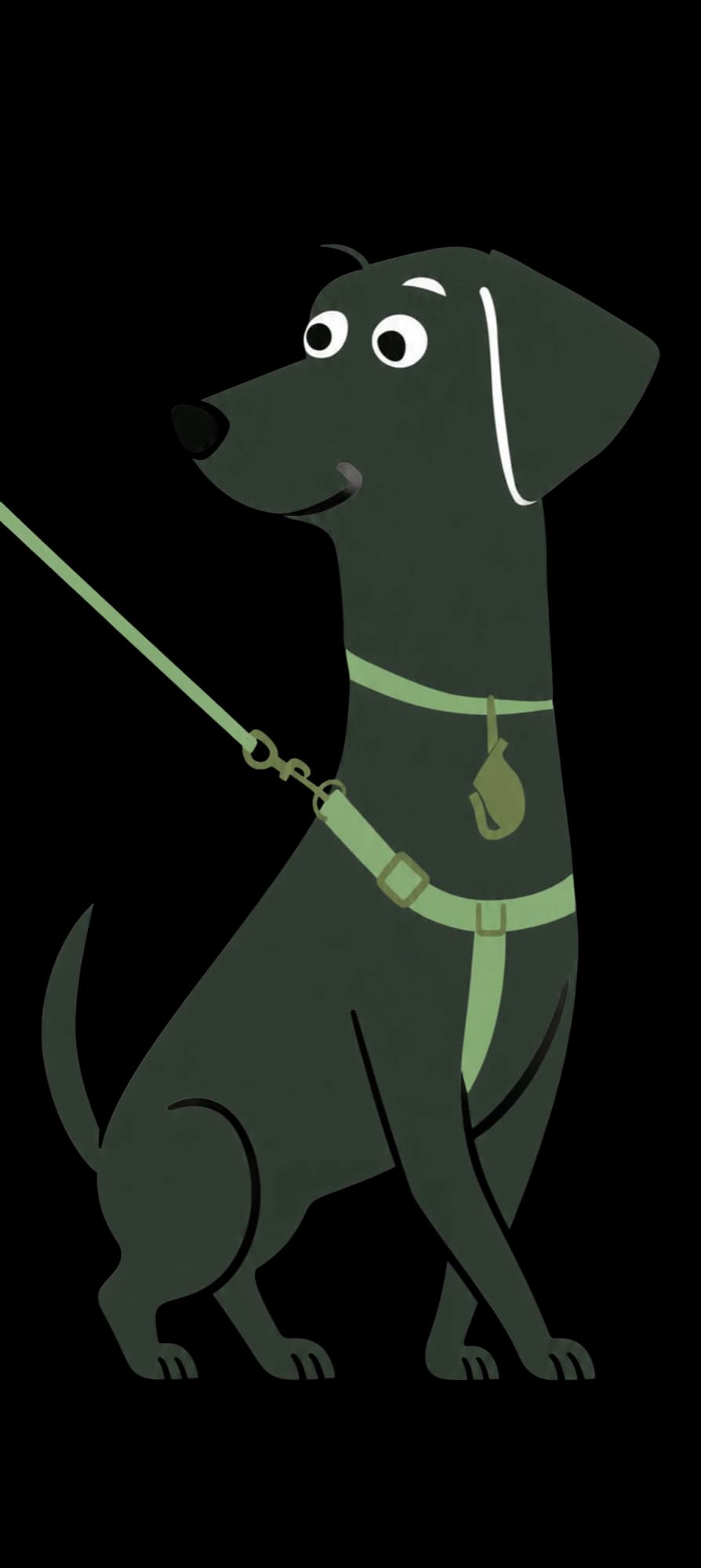
- Soft-bristle brush and detangling comb, small-breed no-pull harness, slow-feeder bowl
Typical dry food, adult
About the Lowchen
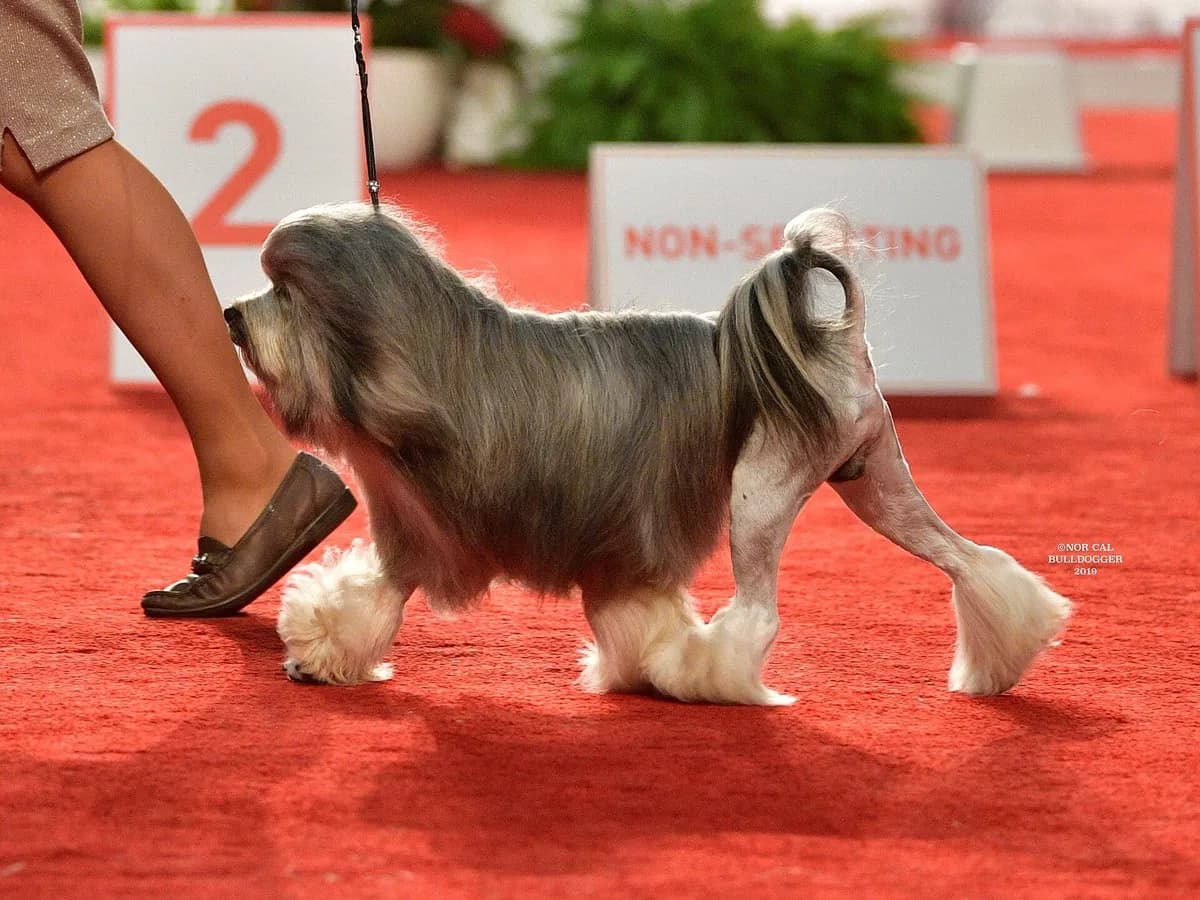
The Lowchen, or Little Lion Dog, appears in European paintings and tapestries from the Renaissance onwards, clipped in its distinctive lion trim as the pampered companion of continental courts. Tradition holds that the bare skin was left exposed so the little dog could warm its owner's feet. By the 1960s it was widely described as the rarest breed in the world, and it remains one of the least commonly registered breeds in Britain.
The Lowchen is lively and thoroughly people-oriented, often described by owners as more dog in personality than its glamorous coat suggests. It bonds closely with its family, enjoys being involved in daily life, and is generally friendly towards visitors and other pets when well socialised. That closeness means it can struggle with long periods alone, so build independence gradually.
Bright and eager to please, the Lowchen usually responds well to reward-based training, including using mealtimes and food-based games as a training tool rather than just filling a bowl. This helps manage a small but genuine appetite and keeps sessions motivating without overfeeding. Time with very young children should always be supervised given the small frame.
Common health conditions
Things Lowchen owners commonly watch for. Guidance, not veterinary advice.
Patellar luxation
The kneecap can slip out of its groove, causing intermittent skipping on a back leg. Keep the Lowchen lean through carefully portioned meals.
Progressive retinal atrophy (PRA)
An inherited, gradual loss of vision that usually starts with night blindness in middle age. A DNA test is available, so choose screened breeding lines.
Hip dysplasia
Less common than in larger breeds but still reported. Maintain a healthy weight through life-stage-appropriate feeding to protect the hips.
Dental disease
Like many toy breeds, the Lowchen can be prone to tartar around crowded teeth. Use dental-friendly kibble textures alongside regular brushing.
Feeding a Lowchen
As a small toy breed, the Lowchen has a modest daily calorie requirement, so poor portioning leads to weight gain surprisingly quickly. Feed a complete small-breed food measured against pack guidelines for the dog's actual weight and adjusted to body condition, splitting the allowance into two meals weighed on scales rather than trusted to the scoop. Keeping a Lowchen lean matters given the breed's tendency towards patellar luxation.
Skin and coat condition are a visible marker of diet in a breed with this long, dense coat. Balanced omega fatty acids and good-quality protein help support it between grooming sessions. Some individuals are a little selective at mealtimes, so keep a consistent routine, an appropriately sized kibble, and a firm line on table scraps.
Every dog is different — weight, age and activity all shift what a Lowchen needs. The turns these breed tendencies into a shortlist matched to your dog’s age, size, budget and needs.
Typical adult weight
4–8 kg
Est. daily calories
240–530 kcal
A broad guide for an average-activity adult in good body condition — not veterinary advice. Real needs vary with age, neutering, activity, health and body condition, so no two Lowchens eat exactly the same. Get a personalised estimate or estimate feeding costs.
- Per day
- ~£0.47
- Per month
- ~£14
- Per year
- ~£172
A broad typical monthly budget guide, not a live price quote. Food format, calorie density, pack size and retailer pricing all change the real cost.
Find the right food for your Lowchen
Foods ranked to your dog
Answer a few quick questions and the Food Finder ranks foods to your Lowchen by score, price, life stage and fit.
Breed at a glance
- Exercise needs4/10
- Appetite5/10
- Trainability7/10
- Good with children6/10
- Shedding2/10
- Tolerates being alone3/10
The good & the worth-knowing
The good
- Affectionate, people-focused companion that thrives on family life
- Low-shedding coat, which many owners find easier on allergies day to day
- Adaptable and comfortable in smaller homes given its compact size
Worth knowing
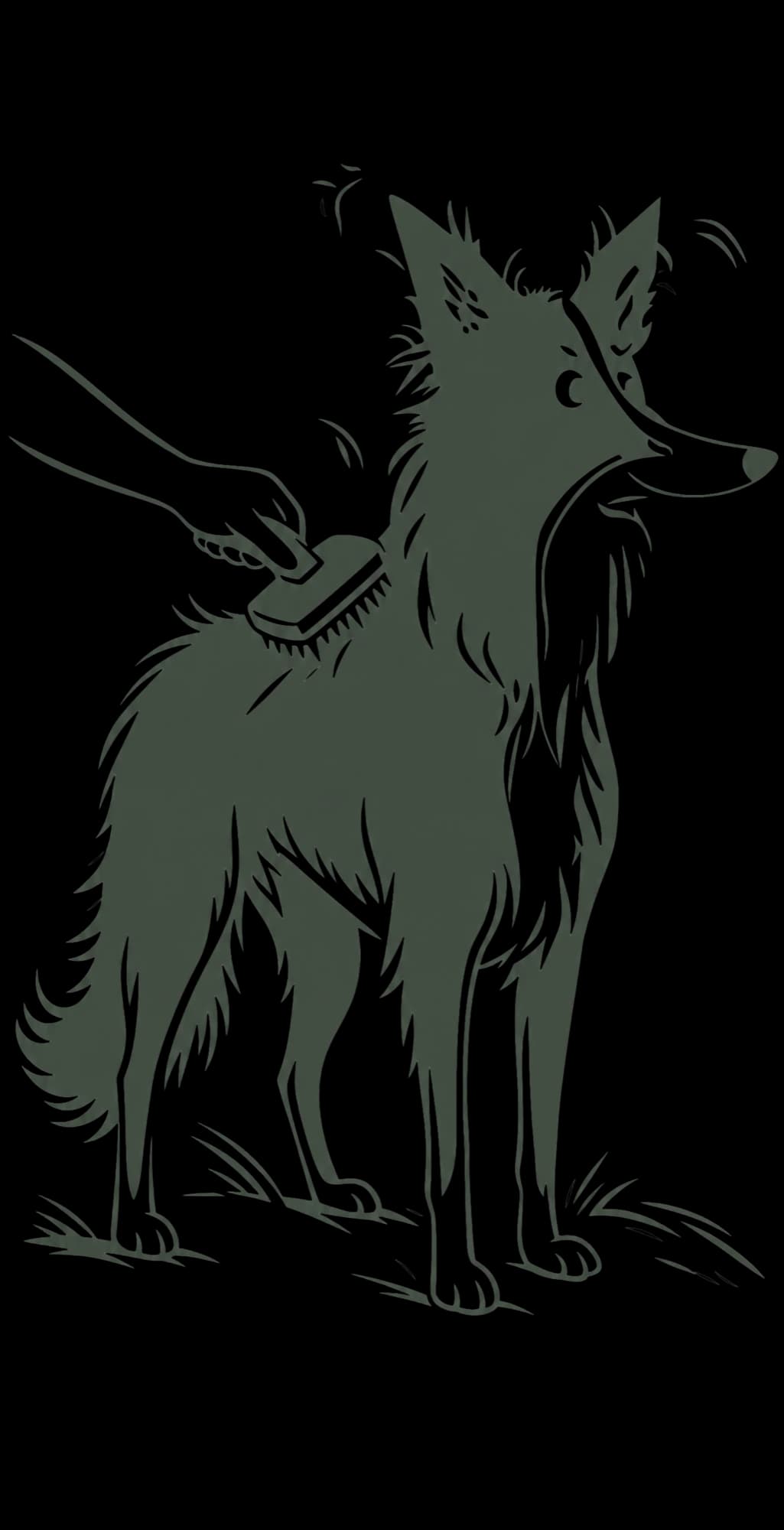
- Brushing several times a week and regular clipping keep the coat free of mats
- Can be prone to separation distress if left alone for long stretches
- Puppies can be hard to find in the UK, as the Lowchen remains one of the rarer breeds
Best matched accessories
All accessoriesThe collections that suit the breed, judged by the same independent standard.
Common owner questions
How much should I feed my Lowchen?
Measure a complete small-breed food to your dog's actual weight and body condition, never by eye, and split the daily amount into two meals. Because the Lowchen is a genuinely small dog, it's easy to overfeed, so use our Food Finder to match a diet and portion guide.
Is the Lowchen a fussy eater?
Some individuals can be selective at mealtimes. A consistent routine, an appropriately sized kibble and limiting treats and table scraps usually keep the appetite steady without constant diet-switching. A sudden appetite change is worth a vet check.
Do Lowchens need a lot of grooming?
Yes. Brush the long, dense coat several times a week to prevent matting, and clip it regularly if it's kept in the traditional lion trim. A good diet also supports coat condition between grooms.
Are Lowchens good with children?
Generally yes, given their sociable, affectionate nature, but their small size means play with very young children should always be supervised to avoid accidental knocks.