


Most important facts
- Group
- Toy
- Size
- Toy
- Weight
- 3–6 kg
- Lifespan
- 12–15 years
- Coat
- Long, silky
- Energy
- Moderate
- Height
- 23–27 cm
- Colours
- All colours, solid or mixed
- Shedding
- Light
- Est. feeding cost
- ~£0.36 a day
- Gear to consider
- Slicker brush and metal comb, dental chews, lightweight step-in harness
Typical dry food, adult
About the Havanese
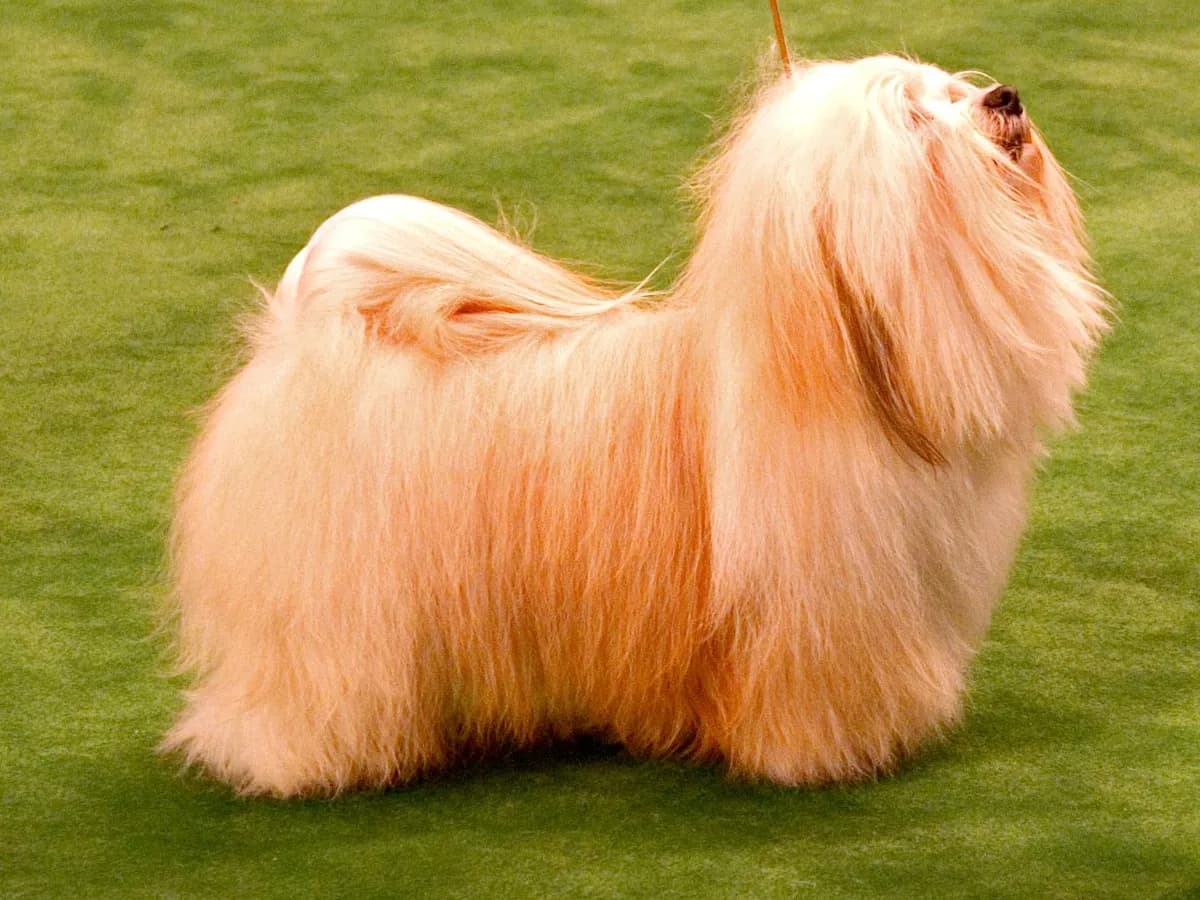
The Havanese descends from the small Bichon-type dogs carried to Cuba by Spanish settlers, where they became the pampered companions of Havana's wealthy families and earned the name Havana Silk Dog. The breed nearly disappeared after the Cuban revolution, surviving through a handful of dogs taken abroad by exiled families and rebuilt by American fanciers from the 1970s. It remains Cuba's national dog.
Havanese are lively, affectionate and highly people-oriented, often described as velcro dogs for how closely they follow their owners from room to room. They're outgoing with strangers, generally good with children who handle them gently, and get on well with other dogs when socialised as puppies. This is a breed that genuinely wants to be wherever its people are.
That attachment can tip into separation distress if the dog is regularly left alone for long periods, so build up alone time gradually. They're intelligent and food-motivated, which makes them responsive to reward-based training. It also means treat allowances need planning into the daily calorie total, and not added on top.
Common health conditions
Things Havanese owners commonly watch for. Guidance, not veterinary advice.
Luxating patella
The kneecap slips out of position in this common small-breed problem. Accurate portioning keeps your dog lean, which takes load off the joint.
Progressive retinal atrophy (PRA)
An inherited, gradual deterioration of the retina that can lead to blindness. Choose breeders who health-test the parent dogs.
Portosystemic (liver) shunt
An abnormal blood vessel that bypasses the liver, so toxins aren't filtered properly. Affected dogs typically need a vet-directed liver diet.
Distichiasis
Extra eyelashes that can irritate the eye's surface. Mention any soreness to your vet at routine check-ups.
Dental disease
A small jaw and closely set teeth make Havanese prone to plaque. Use appropriately sized kibble and dental chews to support cleaner teeth.
Feeding a Havanese
A Havanese's small frame and moderate exercise needs mean its daily calorie requirement is modest, so a few extra treats or table scraps can easily tip the balance towards weight gain. An energy-dense small-breed kibble in carefully weighed portions keeps body condition in check across the breed's long lifespan, so do not free-feed. Two small meals a day suit them better than one.
The breed can be prone to liver shunts. Owners of an affected dog should follow their vet's guidance on a specially formulated diet, and not a standard recipe. For healthy Havanese, a small-breed formula with joint-supporting nutrients and a kibble sized for a small jaw supports mobility and dental health as they age.
Every dog is different — weight, age and activity all shift what a Havanese needs. The turns these breed tendencies into a shortlist matched to your dog’s age, size, budget and needs.
Typical adult weight
3–6 kg
Est. daily calories
190–430 kcal
A broad guide for an average-activity adult in good body condition — not veterinary advice. Real needs vary with age, neutering, activity, health and body condition, so no two Havaneses eat exactly the same. Get a personalised estimate or estimate feeding costs.


- Per day
- ~£0.36
- Per month
- ~£11
- Per year
- ~£131
A broad typical monthly budget guide, not a live price quote. Food format, calorie density, pack size and retailer pricing all change the real cost.
Find the right food for your Havanese
Foods ranked to your dog
Answer a few quick questions and the Food Finder ranks foods to your Havanese by score, price, life stage and fit.
Breed at a glance
- Exercise needs5/10
- Appetite6/10
- Trainability7/10
- Good with children7/10
- Shedding2/10
- Tolerates being alone3/10
The good & the worth-knowing
The good
- Affectionate, sociable and generally excellent with families
- Low-shedding coat suits owners managing allergies in the household
- Adaptable to flat or house living given its modest exercise needs

Worth knowing
- Daily grooming is essential to stop the long coat matting
- Prone to separation distress if regularly left alone
- Small jaw means dental hygiene needs consistent attention
Best matched accessories
All accessoriesThe collections that suit the breed, judged by the same independent standard.


Common owner questions
How much should I feed my Havanese?
Feed to maintain a lean body condition rather than a generic chart figure. Ribs should be easy to feel and a waist should show when seen from above. Weigh out a small-breed complete food according to the pack guide for your dog's weight and activity, and our Food Finder can suggest a suitable food and starting portion.
Are Havanese prone to weight gain?
Yes. Their modest exercise needs and food-motivated nature make it easy to overfeed, especially through treats. Keep treats to no more than ten percent of daily calories, and weigh meals out properly, without eyeballing them.
How much exercise does a Havanese need?
Around 30 minutes to an hour of walking and play a day, split across shorter sessions, suits most adults well. They're energetic in short bursts rather than needing endurance exercise.
Do Havanese have any special dietary needs?
Most healthy Havanese do well on a small-breed complete diet with joint-supporting nutrients. Dogs diagnosed with a liver shunt need a vet-prescribed diet, not a standard formula, so always follow veterinary advice there.