




Most important facts
- Group
- Crossbreed
- Size
- Large
- Weight
- 25–32 kg (standard); Medium and Miniature types run lighter
- Lifespan
- 12–14 years
- Coat
- Wavy to curly
- Energy
- High
- Height
- 53–63 cm
- Colours
- Cream, gold, red, chocolate or black
- Shedding
- Light
- Est. feeding cost
- ~£1.47 a day
- Gear to consider
- Slow-feeder bowl, slicker brush and grooming comb, durable interactive toys
Typical dry food, adult
About the Labradoodle
The Labradoodle was created in 1989 by Wally Conron of Royal Guide Dogs Australia, who crossed a Labrador with a Standard Poodle to produce a guide dog for a client whose husband was allergic. The experiment launched the worldwide doodle phenomenon, something Conron later voiced mixed feelings about. The cross has no Kennel Club recognition, and coat and temperament still vary considerably between litters and generations.
Labradoodles inherit the Labrador's sociability and eagerness to please alongside the Poodle's intelligence and trainability, which makes them popular family dogs, usually easy with children and other pets. They are usually confident and outgoing, though individuals from more nervous lines benefit from calm, consistent handling. Size varies with the Poodle parent, from miniature to standard.
Company and activity are what this breed thrives on. Left alone too long or under-exercised, a Labradoodle can become vocal, chew furniture or pile on weight through inactivity. Their intelligence makes training rewarding, and short, food-based sessions using portions from the daily allowance build good manners without extra calories.
Common health conditions
Things Labradoodle owners commonly watch for. Guidance, not veterinary advice.
Hip and elbow dysplasia
Common in both parent breeds. Keep a Labradoodle lean and feed a controlled-growth puppy diet to reduce strain on developing joints.
Progressive retinal atrophy (PRA) and other eye conditions
Inherited from Poodle and Labrador lines. Choose breeders who health-test parents, and keep up regular vet check-ups to catch changes early.
Ear infections
Floppy, often hairy ears trap moisture and wax. Check and gently clean the ears after wet walks or swimming.
Obesity
The Labrador's hearty appetite means weight gain creeps up quickly. Feed measured, portion-controlled meals and limit extras.
Feeding a Labradoodle
Labradoodles combine the Labrador's strong appetite with a moderate-to-large frame, so they gain weight easily when meals are judged by eye and not weighed. A complete adult food with moderate energy density suits most pets, with the daily allowance split across two meals and treats counted within the total. Reassess body condition every few weeks.
Puppies benefit from a food formulated for their expected adult size, feeding a controlled rate of growth to protect developing hips and elbows. Coat condition often reflects diet quality, so wavier, curlier-coated dogs may show skin and coat benefits from good omega-3 and omega-6 levels. Check the ears regularly, especially after wet walks.
Every dog is different — weight, age and activity all shift what a Labradoodle needs. The turns these breed tendencies into a shortlist matched to your dog’s age, size, budget and needs.
Typical adult weight
25–32 kg
Est. daily calories
940–1,700 kcal
A broad guide for an average-activity adult in good body condition — not veterinary advice. Real needs vary with age, neutering, activity, health and body condition, so no two Labradoodles eat exactly the same. Get a personalised estimate or estimate feeding costs.


- Per day
- ~£1.47
- Per month
- ~£45
- Per year
- ~£535
A broad typical monthly budget guide, not a live price quote. Food format, calorie density, pack size and retailer pricing all change the real cost.
Best food for Labradoodles
All food reviewsMatched on score, life stage, food type, breed size, fit, value and retailer availability. How we score.

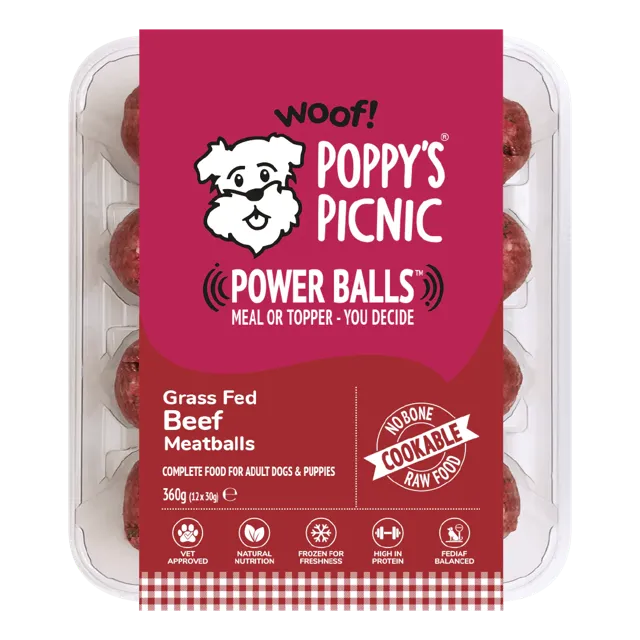

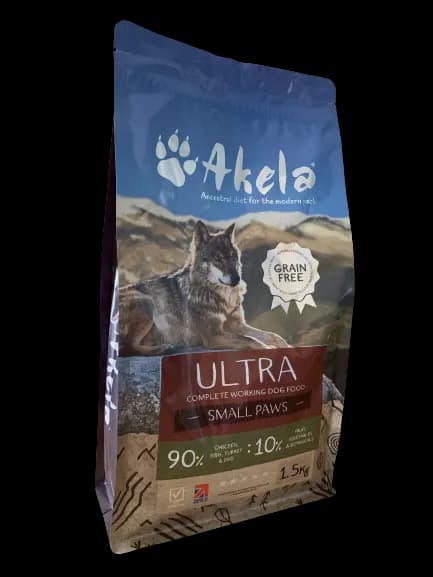
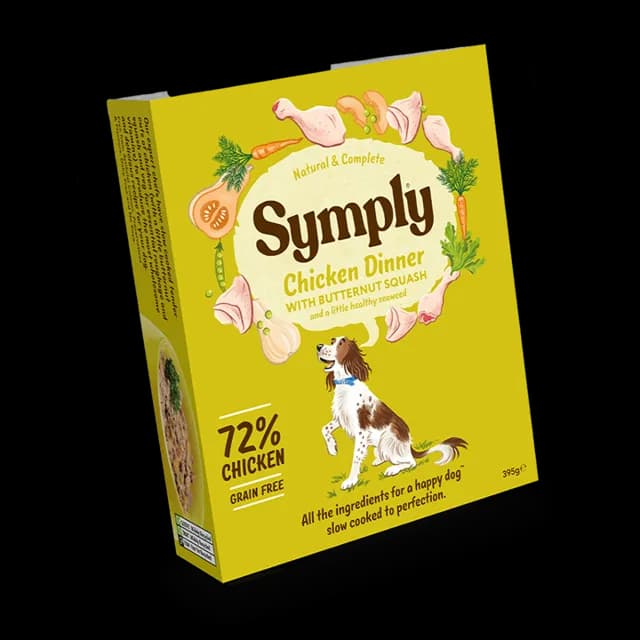
Ranked shortlists for Labradoodles
Want the full food shortlist?
See foods matched to your Labradoodle by score, price, life stage and fit.
Breed at a glance
- Exercise needs8/10
- Appetite9/10
- Trainability8/10
- Good with children8/10
- Shedding3/10
- Tolerates being alone4/10
The good & the worth-knowing
The good
- Friendly, sociable temperament that generally suits family life
- Intelligent and eager to please, making training relatively straightforward
- Lower-shedding coat than many breeds, though not guaranteed allergy-friendly

Worth knowing
- Coat type and shedding are unpredictable between litters and generations
- Needs a good daily walk plus mental stimulation, and can become destructive if bored
- A strong, Labrador-influenced appetite means weight gain creeps up without measured feeding
Best matched accessories
All accessoriesThe collections that suit the breed, judged by the same independent standard.




Common owner questions
Are Labradoodles actually hypoallergenic?
Not reliably. Coat type varies considerably between individual dogs and generations, so while many Labradoodles shed less than a Labrador, none can be guaranteed allergy-safe. Anyone with allergies should spend time with the specific dog beforehand.
How much should I feed my Labradoodle?
Feed to body condition rather than a fixed amount. Feel the ribs easily under a thin covering, and look for a visible waist from above. Weigh out a complete food suited to their weight and activity, split across two meals, and use the Food Finder to compare options.
Why is my Labradoodle always hungry?
A strong appetite is typical of the breed's Labrador ancestry rather than a sign of underfeeding. Stick to weighed portions and resist topping up between meals. If hunger seems excessive or sudden, check with a vet.
How much exercise does a Labradoodle need?
Most adults need at least an hour of exercise a day, mixing walks with play and thinking work, whether training games or puzzle feeders. Puppies need much shorter, more frequent sessions to protect growing joints.