
Most important facts
- Group
- Terrier
- Size
- Small
- Weight
- 8–11 kg
- Lifespan
- 12–14 years
- Coat
- Double coat: soft
- Energy
- Moderate
- Height
- 20–28 cm
- Colours
- Pepper or mustard
- Shedding
- Light
- Est. feeding cost
- ~£0.65 a day
- Gear to consider
- Ramp or steps to protect the back, well-fitted harness for lead walks, hand-stripping grooming kit
Typical dry food, adult
About the Dandie Dinmont Terrier
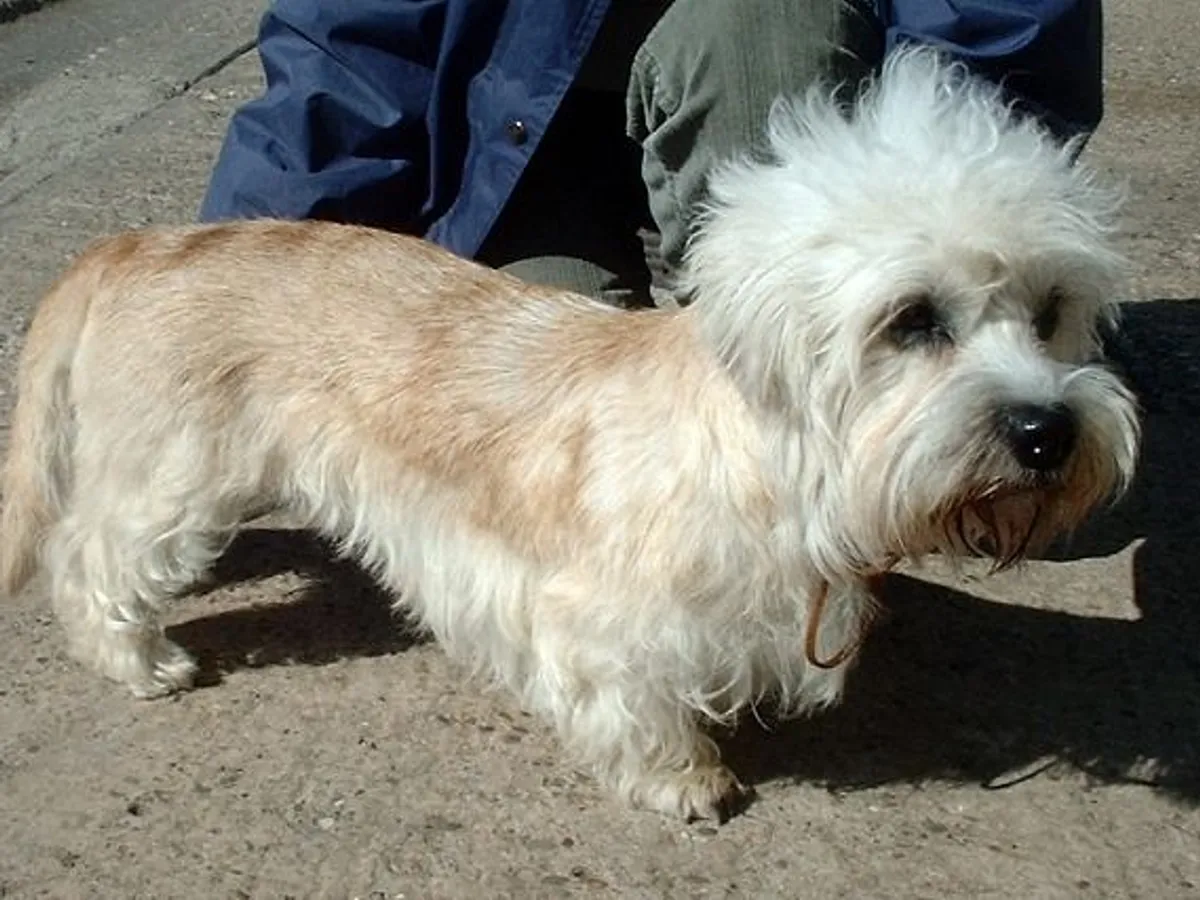
The Dandie Dinmont comes from the border country between Scotland and England, where farmers and travelling folk kept these long-bodied terriers to work otter and badger. It is the only breed named after a fictional character, taking its name from the jovial farmer Dandie Dinmont in Walter Scott's 1815 novel Guy Mannering. Today it is one of Britain's most endangered native breeds.
The Dandie Dinmont is affectionate and deeply bonded to its family, but carries a clear streak of independence and dignity that sets it apart from many other terriers. It's intelligent and determined, traits that made it an effective working terrier but which can look like stubbornness if training isn't kept consistent and rewarding.
This is a breed that tends to be reserved with strangers and can be wary of other dogs, so early and ongoing socialisation matters. Once settled, Dandies are typically calm, good with their own family's children, and less relentlessly busy than some terriers, making them a manageable companion for owners who enjoy a characterful dog.
Common health conditions
Things Dandie Dinmont Terrier owners commonly watch for. Guidance, not veterinary advice.
Intervertebral disc disease (IVDD)
The Dandie's long back and short legs put real strain on the spine. Keep this breed lean, use ramps rather than stairs where you can, and discourage jumping from height.
Glaucoma
A build-up of pressure within the eye. Keep up regular vet checks to catch early signs.
Portosystemic (liver) shunt
An inherited abnormality of blood flow around the liver. Affected dogs are often managed on a specific vet-prescribed diet, so follow clinical advice closely.
Cushing's syndrome (hyperadrenocorticism)
A hormonal disorder causing excess cortisol, often with increased appetite, thirst and weight gain. Flag these signs to a vet promptly, as feeding needs may change with treatment.
Feeding a Dandie Dinmont Terrier
The Dandie is a small but sturdy dog with moderate exercise needs, so it doesn't need a particularly calorie-dense diet. An adult complete food fed to a set portion, weighed rather than guessed, suits most Dandies well. Because the long back is prone to disc disease, keeping weight in the lean-to-ideal range is genuinely protective, and a weight-management formula is worth discussing with a vet as dogs age.
Treats are useful for training given this breed's independent streak, but they should come out of the daily allowance and never on top of it. Fatty table scraps are best avoided. If a Dandie is ever diagnosed with a liver shunt, follow your vet's clinical diet advice over any general feeding guidance.
Every dog is different — weight, age and activity all shift what a Dandie Dinmont Terrier needs. The turns these breed tendencies into a shortlist matched to your dog’s age, size, budget and needs.
Typical adult weight
8–11 kg
Est. daily calories
400–680 kcal
A broad guide for an average-activity adult in good body condition — not veterinary advice. Real needs vary with age, neutering, activity, health and body condition, so no two Dandie Dinmont Terriers eat exactly the same. Get a personalised estimate or estimate feeding costs.
- Per day
- ~£0.65
- Per month
- ~£20
- Per year
- ~£237
A broad typical monthly budget guide, not a live price quote. Food format, calorie density, pack size and retailer pricing all change the real cost.
Find the right food for your Dandie Dinmont Terrier
Foods ranked to your dog
Answer a few quick questions and the Food Finder ranks foods to your Dandie Dinmont Terrier by score, price, life stage and fit.
Breed at a glance
- Exercise needs5/10
- Appetite6/10
- Trainability5/10
- Good with children7/10
- Shedding2/10
- Tolerates being alone5/10
The good & the worth-knowing
The good
- Affectionate and devoted, forming a strong bond with its household
- Distinctive, low-shedding coat that suits owners wanting minimal hair at home
- Calmer and more dignified in temperament than many terriers once past puppyhood
Worth knowing
- Independent, sometimes stubborn streak that calls for patient, reward-based training
- Can be reserved with strangers and other pets without early socialisation
- Long back predisposes the breed to spinal disc disease, so strict weight control is essential
Best matched accessories
All accessoriesThe collections that suit the breed, judged by the same independent standard.
Common owner questions
How much exercise does a Dandie Dinmont Terrier need?
Around an hour a day is usually enough, split across walks and some mentally engaging activity such as scent games or short training sessions, which suit this breed's terrier instincts and intelligence.
How much should I feed a Dandie Dinmont Terrier?
Feed to body condition, not a fixed amount. Weigh out a complete adult food according to the pack guide for their weight and activity, and adjust down if you can't easily feel the ribs. Our Food Finder can help match a suitable food to this breed.
Is the Dandie Dinmont Terrier easy to train?
They're highly intelligent but independent and can be stubborn, so short, positive, reward-based sessions work best. They're often food-motivated, which helps, but treat portions should come out of the daily allowance to avoid weight creep.
Does the Dandie Dinmont Terrier shed much?
Very little. The double coat is low-shedding but not low-maintenance. It needs combing a couple of times a week and professional hand-stripping or scissoring around four times a year to stay in good condition.