
Most important facts
- Group
- Crossbreed
- Size
- Small
- Weight
- 5–9 kg
- Lifespan
- 12–15 years
- Coat
- Soft, curly to wavy
- Energy
- Moderate
- Height
- 28–33 cm
- Colours
- Apricot, red, cream or tricolour
- Shedding
- Light
- Est. feeding cost
- ~£0.55 a day
- Gear to consider
- Slicker brush and grooming comb, small-breed no-pull harness, slow-feeder or puzzle bowl
Typical dry food, adult
About the Cavapoochon
The Cavapoochon is a more recent creation, generally credited to American breeders in the early 2000s who crossed the Cavachon with a Toy Poodle to produce a three-way mix of Cavalier, Bichon Frise and Poodle. The aim was a soft-natured companion with a teddy-bear look that keeps a puppyish face into adulthood, and the cross has found a keen following in the UK.
Cavapoochons are affectionate, gentle-natured dogs that thrive on human company, blending the Cavalier's warmth, the Poodle's sharp intelligence and the Bichon's cheerful sociability. Children, other dogs and visitors are usually taken in their stride, which is a large part of their appeal as family companions.
This is a breed that wants to be included in everything, and that closeness can tip into separation anxiety if alone time isn't built up gradually from puppyhood. They are quick learners who notice exactly where the treats live, so it's worth deciding early how food rewards fit into the daily allowance.
Common health conditions
Things Cavapoochon owners commonly watch for. Guidance, not veterinary advice.
Mitral valve disease
A heart condition inherited through the Cavalier line, often first spotted as a murmur at a routine check. Keep your dog a healthy weight to avoid extra strain on the heart.
Patellar luxation
A slipping kneecap common in small, compact breeds. Excess weight makes symptoms worse, so keep to a measured, calorie-appropriate diet.
Progressive retinal atrophy and other eye disorders
Inherited from the Poodle and Cavalier side. Keep up regular vet eye checks to catch problems early.
Ear infections
Long, hair-covered ears trap moisture and wax. Clean routinely and dry the ears after wet walks.
Dental crowding
Small jaws can mean overcrowded teeth and faster tartar build-up. Use dental-support kibble textures and appropriate chews from an early age.
Feeding a Cavapoochon
Cavapoochons are small dogs with moderate energy output, so it's easy to overfeed them relative to what they burn. A calorie-appropriate small-breed food, fed in measured portions and never left down all day, helps prevent the gradual weight creep that loads the knees and heart. Training treats count within the daily total.
Small kibble suits their small jaws, and formulas supporting dental health are worth prioritising given the breed's tendency towards crowded teeth and tartar. Because mitral valve disease and patellar luxation both run in the parent breeds, food that supports lean condition and joint health makes a practical difference over a lifetime, alongside regular vet check-ups.
Every dog is different — weight, age and activity all shift what a Cavapoochon needs. The turns these breed tendencies into a shortlist matched to your dog’s age, size, budget and needs.
Typical adult weight
5–9 kg
Est. daily calories
280–580 kcal
A broad guide for an average-activity adult in good body condition — not veterinary advice. Real needs vary with age, neutering, activity, health and body condition, so no two Cavapoochons eat exactly the same. Get a personalised estimate or estimate feeding costs.
- Per day
- ~£0.55
- Per month
- ~£17
- Per year
- ~£201
A broad typical monthly budget guide, not a live price quote. Food format, calorie density, pack size and retailer pricing all change the real cost.
Find the right food for your Cavapoochon
Foods ranked to your dog
Answer a few quick questions and the Food Finder ranks foods to your Cavapoochon by score, price, life stage and fit.
Breed at a glance
- Exercise needs5/10
- Appetite7/10
- Trainability8/10
- Good with children8/10
- Shedding2/10
- Tolerates being alone3/10
The good & the worth-knowing
The good
- Affectionate, sociable temperament that suits family life and first-time owners
- Low-shedding coat that's a practical choice for allergy-sensitive households
- Intelligent and eager to please, making training straightforward with consistency
Worth knowing
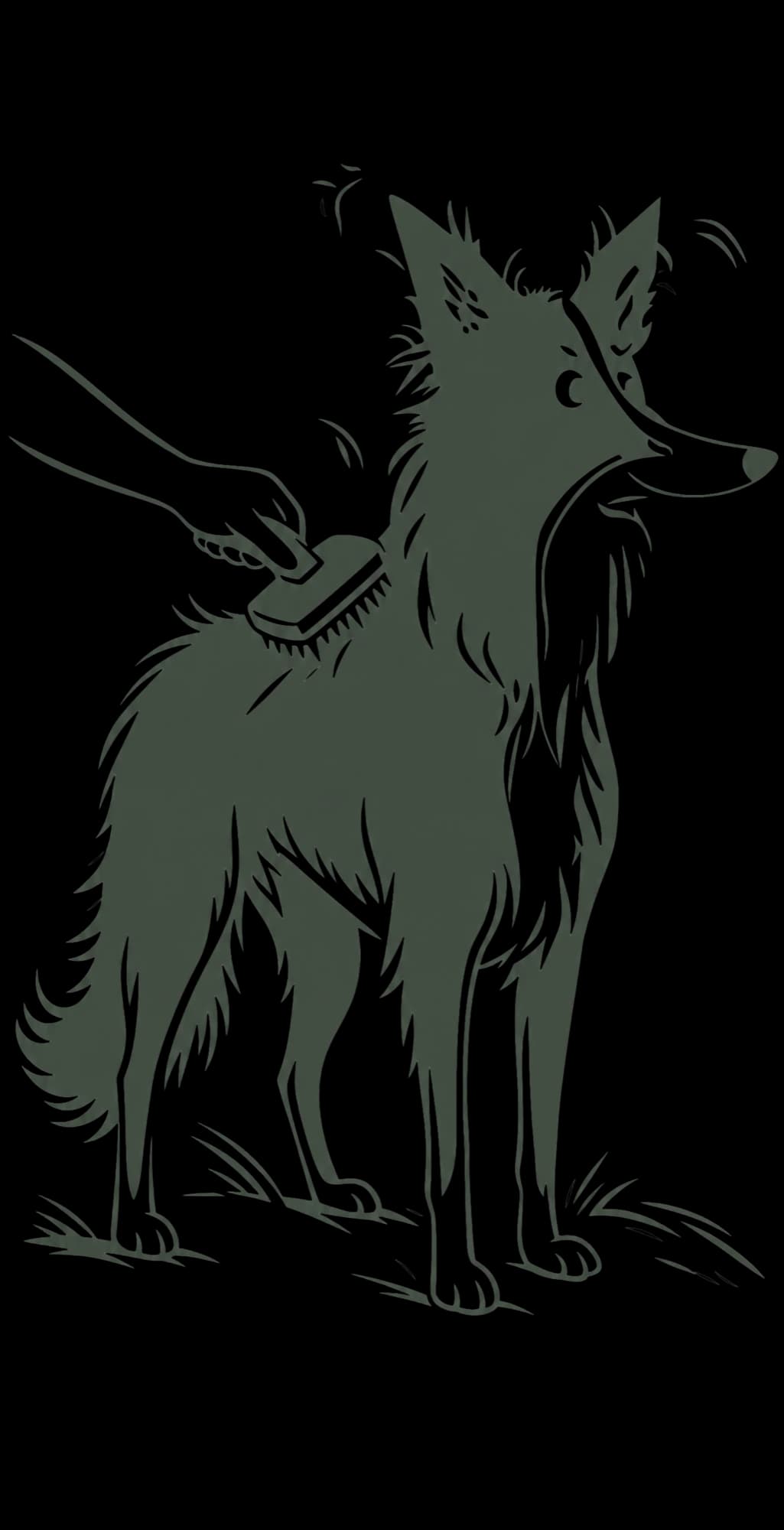
- The curly coat mats quickly and needs brushing several times a week plus regular professional grooming
- Highly people-oriented and can struggle with being left alone for long stretches
- Carries inherited health risks from all three parent breeds
Best matched accessories
All accessoriesThe collections that suit the breed, judged by the same independent standard.
Common owner questions
Are Cavapoochons good for allergy sufferers?
Their curly, Poodle-influenced coat sheds very little, which is why they're often chosen by allergy-conscious households. No dog is truly non-allergenic, but regular grooming and bathing help minimise allergen spread further.
How much should I feed a Cavapoochon?
Body condition sets the amount, not a fixed figure. Feel for ribs under a light hand, and look for a visible waist from above. A small-breed complete food split into two meals a day, with treats counted in, is usually enough, and our Food Finder can match a formula to your dog's age and size.
Do Cavapoochons need a lot of exercise?
They do well on around 45 to 60 minutes of walking a day split across two outings, plus some mental stimulation like puzzle feeders or training games, which also helps manage a food-motivated appetite.
How much grooming does a Cavapoochon need?
Their coat mats easily, so brushing three to four times a week at home plus a professional groom every six to eight weeks is typical, along with regular ear cleaning.