
Most important facts
- Group
- Crossbreed
- Size
- Large
- Weight
- 25–50 kg
- Lifespan
- 10–15 years
- Coat
- Thick
- Energy
- High
- Height
- 58–71 cm
- Colours
- Grey, black and buff wolf-like blends
- Shedding
- Heavy
- Est. feeding cost
- ~£1.66 a day
- Gear to consider
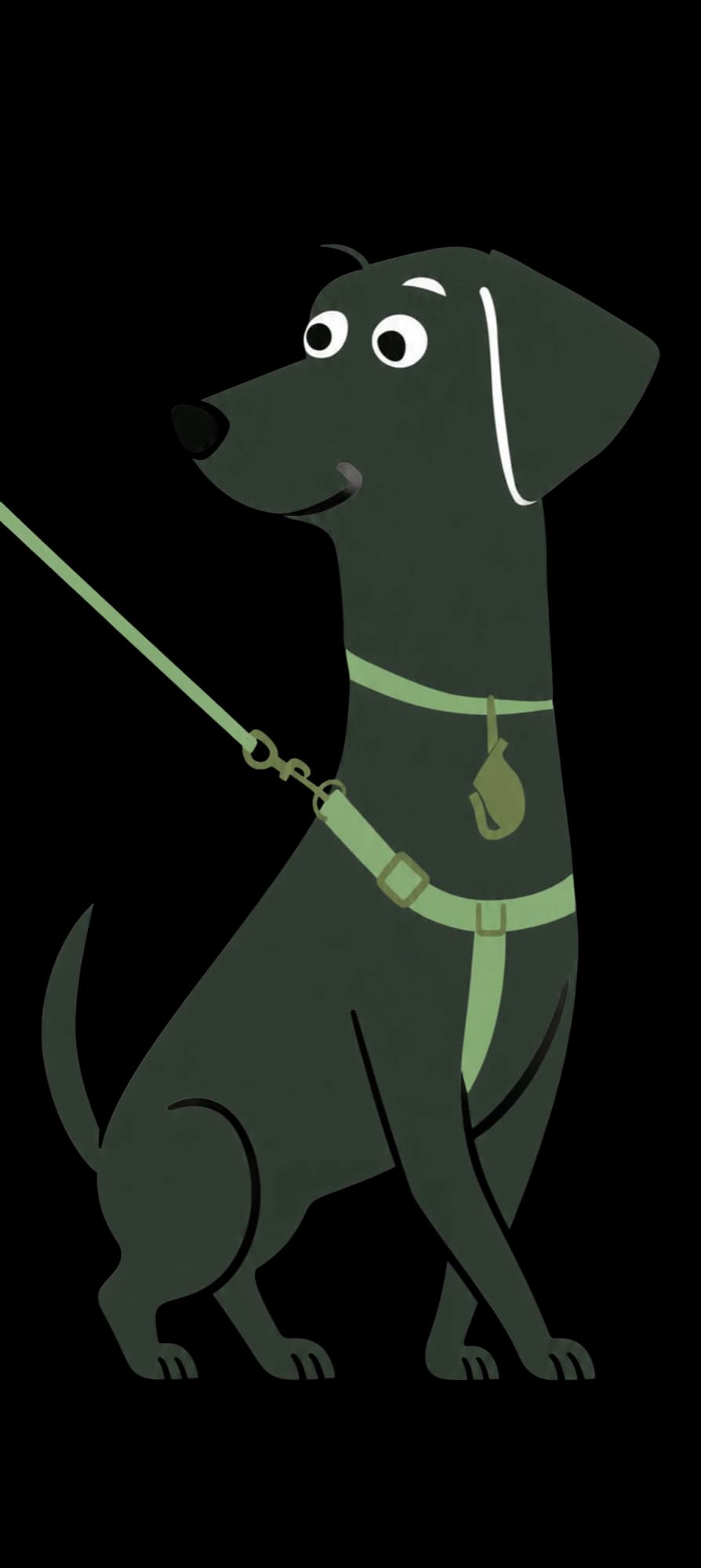
- Slow-feeder bowl, undercoat rake or de-shedding brush, sturdy no-pull harness
Typical dry food, adult
About the Utonagan
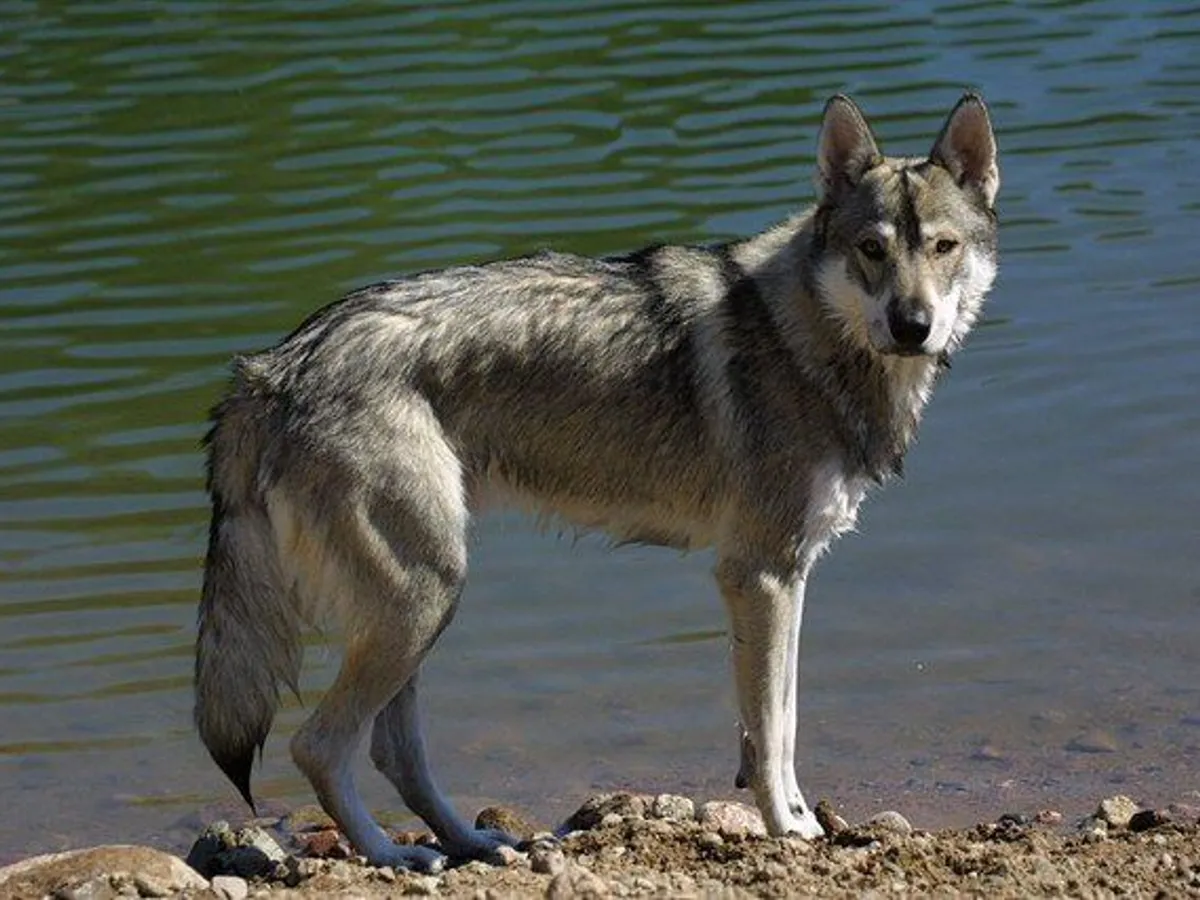
The Utonagan was developed in Britain from the late 1980s from Alaskan Malamute, Siberian Husky and German Shepherd lines. The result looks like a wolf but lives like a family companion, with no wolf content at all. The name is borrowed from a Chinook tale and is usually translated as spirit of the wolf. The closely related Northern Inuit Dog shares the same founding stock.
Utonagans were deliberately bred for temperament as much as looks. Despite the wolfish appearance, they're typically affectionate, people-oriented dogs that form close bonds with their family and are noted for gentleness with children. They can be reserved with strangers, so early, wide-ranging socialisation from puppyhood helps them grow into confident adults.
This is an intelligent, energetic breed that thrives on mental stimulation as much as physical exercise, and can become vocal or destructive if bored or under-exercised. Utonagans are also strongly pack-oriented and dislike being left alone for long stretches, so a predictable daily routine, including regular feeding and exercise times, helps them feel secure.
Common health conditions
Things Utonagan owners commonly watch for. Guidance, not veterinary advice.
Hip and elbow dysplasia
Common in large, fast-growing breeds. Feed a controlled-growth puppy diet and avoid excess weight to protect developing joints.
Bloat (gastric dilatation-volvulus)
Deep-chested breeds are at higher risk. Use a slow-feeder bowl, give two or more smaller meals, and rest around mealtimes.
Epilepsy
Seen in the Nordic-type breeds behind the Utonagan. Discuss any seizure activity with a vet promptly.
Eye conditions (including cataracts)
Routine eye checks are worthwhile, especially as the dog ages. Flag any cloudiness or vision changes to your vet.
Separation-related distress
This is a people-oriented breed that can struggle when left alone for long periods. Keep routines, including feeding times, predictable.
Feeding a Utonagan
As a large, energetic breed with a thick double coat, the Utonagan needs a diet that matches its actual activity level rather than its imposing size alone. A moderate-to-high protein food supports lean muscle and coat condition, but adjust portions regularly against body condition, since a dense coat can hide early weight gain, and scale calories down for a less exercised dog.
The breed has a deep chest, so bloat risk drops when the day's food comes as two or more smaller meals, eaten from a slow-feeder bowl, with no strenuous activity around mealtimes. For a puppy, choose a large-breed growth formula that controls calcium and phosphorus for even joint development, and good omega-3 and omega-6 provision supports the coat.
Every dog is different — weight, age and activity all shift what a Utonagan needs. The turns these breed tendencies into a shortlist matched to your dog’s age, size, budget and needs.
Typical adult weight
25–50 kg
Est. daily calories
940–2,370 kcal
A broad guide for an average-activity adult in good body condition — not veterinary advice. Real needs vary with age, neutering, activity, health and body condition, so no two Utonagans eat exactly the same. Get a personalised estimate or estimate feeding costs.
- Per day
- ~£1.66
- Per month
- ~£51
- Per year
- ~£607
A broad typical monthly budget guide, not a live price quote. Food format, calorie density, pack size and retailer pricing all change the real cost.
Find the right food for your Utonagan
Foods ranked to your dog
Answer a few quick questions and the Food Finder ranks foods to your Utonagan by score, price, life stage and fit.
Breed at a glance
- Exercise needs8/10
- Appetite7/10
- Trainability6/10
- Good with children8/10
- Shedding8/10
- Tolerates being alone3/10
The good & the worth-knowing
The good
- Deeply affectionate and loyal towards its family, including children
- Highly intelligent and responsive when given consistent, positive training
- A strikingly distinctive, wolf-like appearance without any actual wolf content
Worth knowing
- Very high exercise and mental stimulation needs, unsuited to sedentary households
- Heavy seasonal shedding and a thick double coat that demands regular grooming
- As an unrecognised, rare crossbreed, health-tested puppies can be hard to find
Best matched accessories
All accessoriesThe collections that suit the breed, judged by the same independent standard.
Common owner questions
How much should I feed my Utonagan?
There's no single fixed amount. Feed to the dog in front of you, adjusting portions so ribs stay easy to feel and the waist shows under that thick coat. Weight and activity go into the Food Finder, which suggests a suitable starting point for you to fine-tune.
Are Utonagans prone to bloat?
Their deep chest puts them at somewhat higher risk of gastric dilatation-volvulus, like other large, deep-chested breeds. Feeding smaller meals more frequently, using a slow-feeder bowl and avoiding vigorous exercise straight after eating are sensible precautions.
Do Utonagans get on well with children?
Generally yes. The breed was developed to be affectionate and gentle with family, including children, though its size and energy mean play should still be supervised, especially with younger children.
How much exercise does a Utonagan need?
A good deal. Expect varied exercise and mental stimulation daily, well over an hour of it. Under-exercised Utonagans can become destructive or vocal, and matching food intake to actual energy output avoids unwanted weight gain in a less active dog.