



Most important facts
- Group
- Working
- Size
- Medium
- Weight
- 16–27 kg
- Lifespan
- 12–14 years
- Coat
- Dense double coat with a soft undercoat
- Energy
- High
- Height
- 51–60 cm
- Colours
- All colours, from black to pure white
- Shedding
- Heavy
- Est. feeding cost
- ~£1.08 a day
- Gear to consider
- No-pull harness, secure garden fencing/escape-proof gear, slow-feeder bowl
Typical dry food, adult
About the Siberian Husky
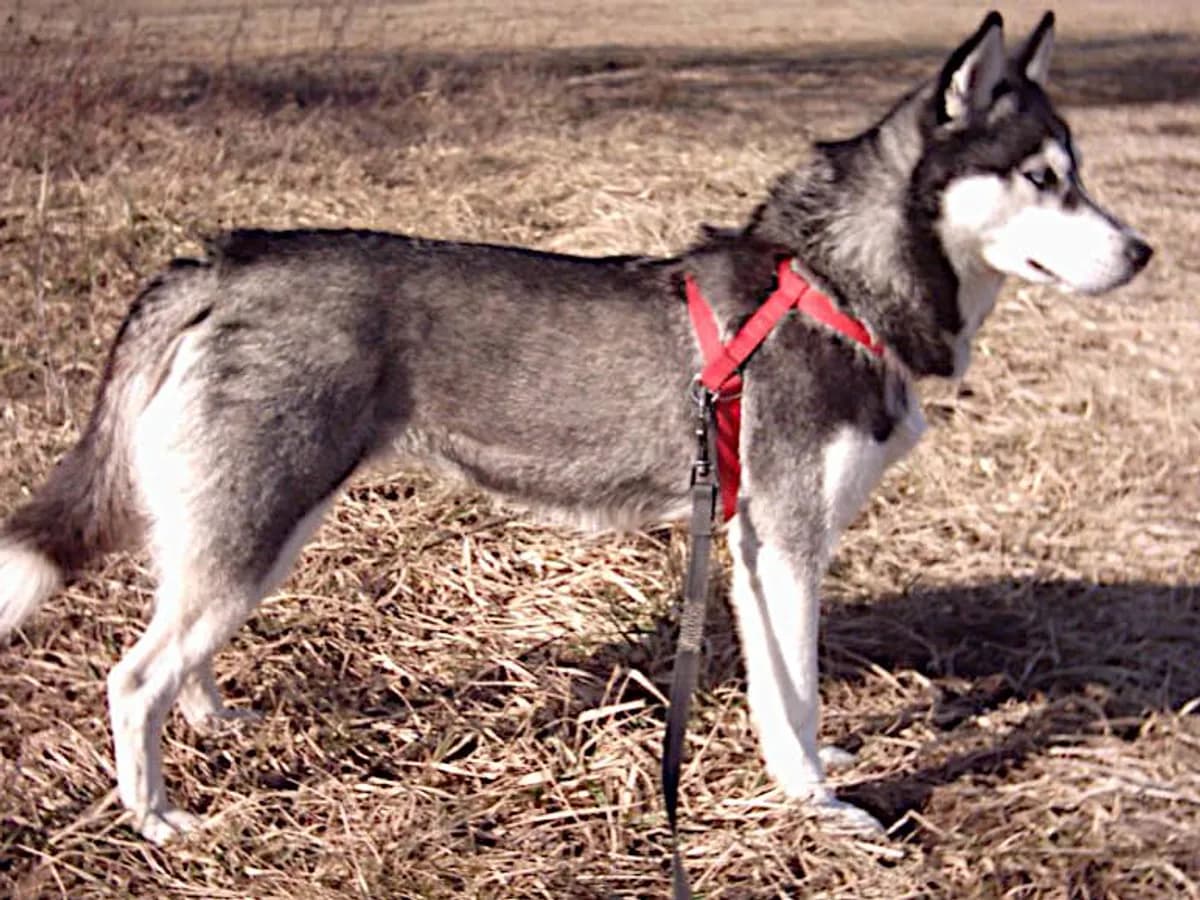
The Siberian Husky was bred by the Chukchi people of northeastern Siberia to pull light sledges over vast distances on minimal rations, and arrived in Alaska in 1908 to dominate the great sled races. The breed's defining moment came in the 1925 serum run to Nome, when relay teams carried diphtheria antitoxin through a blizzard, making heroes of dogs like Balto and Togo.
Huskies are notably sociable and good-natured, often as friendly towards strangers as their own family, making them poor guard dogs but pleasant around children and visitors. They're pack-oriented, vocal and prone to howling, and they thrive on company, so they don't cope well alone for long and can become destructive or escape-driven when bored.
Bred to work independently at a distance from a musher, Huskies retain a strong independent streak that makes recall and obedience training harder work than with breeds bred to work closely alongside people. Their history of sparse trail rations also left a keen scavenging instinct, so secure food, bins and countertops, and channel their energy through training and enrichment.
Common health conditions
Things Siberian Husky owners commonly watch for. Guidance, not veterinary advice.
Hip dysplasia
A malformed hip joint that predisposes to arthritis. Careful portions keep a Husky lean and lighten the load on affected joints.
Eye disorders (cataracts and progressive retinal atrophy)
Inherited conditions affecting the lens and retina. Choose breeders who screen parents, and book early vet checks for signs like night blindness.
Hypothyroidism
An underactive thyroid that can cause weight gain, coat changes and lethargy. Follow a vet-guided diet review alongside medication if diagnosed.
Zinc-responsive dermatosis
A skin condition seen more often in Arctic breeds where zinc isn't absorbed efficiently. Ask your vet before supplementing, and choose a diet with good zinc levels.
Feeding a Siberian Husky
Despite their size, Huskies were bred to work hard on comparatively little food, and many pet Huskies carry that efficient metabolism today. Feed to body condition and rib-check regularly, and do not follow standard weight-based charts for a medium-large breed. Overfeeding relative to actual daily exercise is a common route to unwanted weight gain.
A working heritage means Huskies do well on a diet with good-quality protein and moderate fat to support lean muscle and coat, adjusted down for pets that aren't sledding daily. Because the breed can be prone to zinc-responsive skin issues and hip dysplasia, foods with adequate zinc, essential fatty acids and joint support are worth prioritising, and palatability matters for naturally picky eaters.
Every dog is different — weight, age and activity all shift what a Siberian Husky needs. The turns these breed tendencies into a shortlist matched to your dog’s age, size, budget and needs.
Typical adult weight
16–27 kg
Est. daily calories
670–1,490 kcal
A broad guide for an average-activity adult in good body condition — not veterinary advice. Real needs vary with age, neutering, activity, health and body condition, so no two Siberian Huskies eat exactly the same. Get a personalised estimate or estimate feeding costs.


- Per day
- ~£1.08
- Per month
- ~£33
- Per year
- ~£393
A broad typical monthly budget guide, not a live price quote. Food format, calorie density, pack size and retailer pricing all change the real cost.
Find the right food for your Siberian Husky
Foods ranked to your dog
Answer a few quick questions and the Food Finder ranks foods to your Siberian Husky by score, price, life stage and fit.
Breed at a glance
- Exercise needs9/10
- Appetite6/10
- Trainability5/10
- Good with children7/10
- Shedding9/10
- Tolerates being alone3/10
The good & the worth-knowing
The good
- Friendly, sociable nature with people, including strangers and children
- Impressive stamina and enthusiasm for outdoor activity and cold-weather exercise
- Comparatively economical eaters for their size when fed correctly

Worth knowing
- Independent, stubborn streak that makes recall and obedience training harder work
- Heavy seasonal shedding, with a full coat blow twice a year
- Strong prey drive and a determined escape instinct, so not suited to long stretches alone
Best matched accessories
All accessoriesThe collections that suit the breed, judged by the same independent standard.

Common owner questions
How much should I feed a Siberian Husky?
Often less than you'd expect for their size. Huskies have an efficient, endurance-bred metabolism, so feed to body condition: you should be able to feel the ribs but not see them. Adjust portions to actual daily exercise and not a generic weight chart. Our Food Finder can help match a food's calorie density to your Husky.
Are Siberian Huskies fussy eaters?
Many are. It's a genuine breed trait linked to their working history on minimal rations, and some Huskies will happily skip a meal with no ill effects. Sticking to a consistent, palatable, good-quality food rather than constantly switching brands tends to work best.
How much exercise does a Husky need?
A lot. Bred to run and pull for hours, Huskies need substantial daily exercise plus mental stimulation, and a secure, escape-proof garden is essential.
Do Huskies shed a lot?
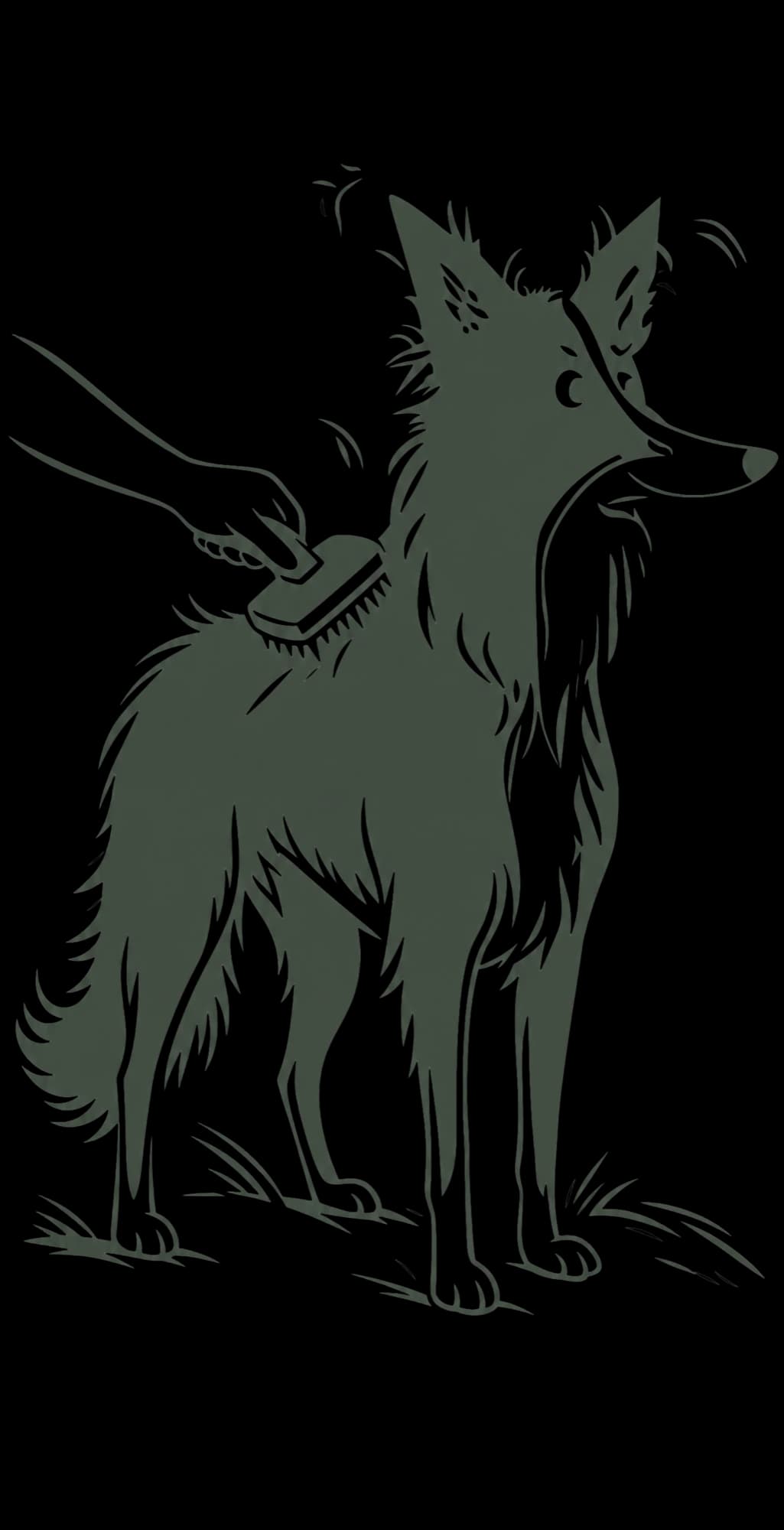
Yes. They carry a dense double coat and blow it heavily twice a year, needing daily brushing during those periods and a weekly brush otherwise. Their coat should never be clipped, as it insulates against both cold and heat.
Similar breeds
Photo: xJaM (talk · contribs), CC BY-SA 3.0, via Wikimedia Commons