


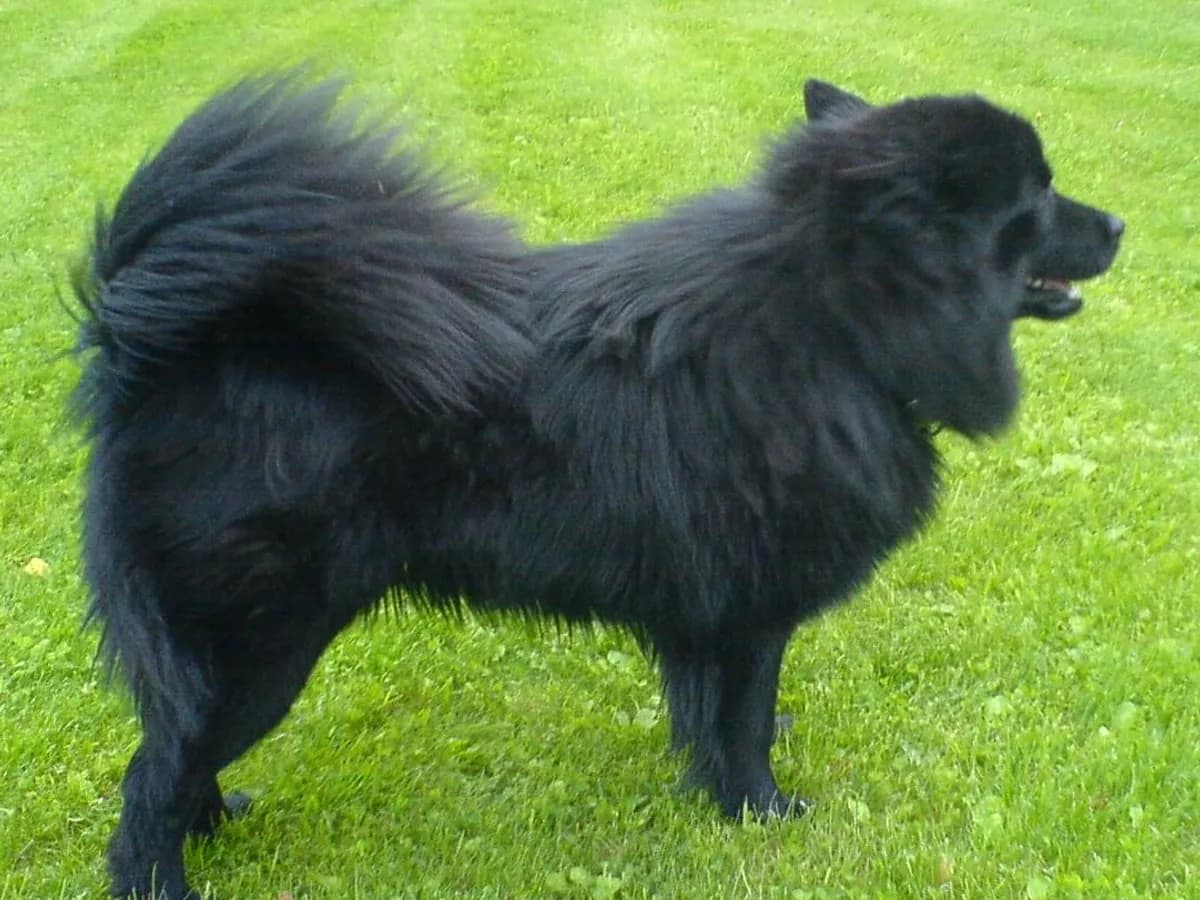

Most important facts
- Group
- Pastoral
- Size
- Medium
- Weight
- 19–21 kg
- Lifespan
- 12–14 years
- Coat
- Dense weatherproof double coat: straight
- Energy
- High
- Height
- 40–51 cm
- Colours
- Black, sometimes with bronze shading
- Shedding
- Heavy
- Est. feeding cost
- ~£1.08 a day
- Gear to consider
- Undercoat rake or deshedding brush, weatherproof harness, food puzzle toys and slow feeders
Typical dry food, adult
About the Swedish Lapphund
The Swedish Lapphund is among Sweden's oldest native breeds, kept for centuries by the Sami people to herd and guard reindeer across Lapland, where its jet-black coat stood out against the snow. Affectionately known at home as the black beauty of Norrland, it remains uncommon even in Sweden. In Britain, numbers run to dozens and not hundreds.
Kind, friendly, lively and alert, the Swedish Lapphund was developed to work independently alongside reindeer herders, and it shows in a watchful, vocal dog quick to notice anything new. It naturally alerts its family to visitors, so early socialisation and calm boundaries around barking are a worthwhile investment.
This is an intelligent, biddable breed that is quick to learn and enjoys having a job, whether training, scentwork or simply being included in family activity. It bonds closely with its people and does not thrive left alone for long, so routines combining exercise and reliable mealtimes suit it best.
Common health conditions
Things Swedish Lapphund owners commonly watch for. Guidance, not veterinary advice.
Hip dysplasia
A hereditary joint condition affecting the fit of the hip. A lean body weight through puppyhood and adulthood takes strain off the joints of this active breed.
Progressive retinal atrophy (PRA)
This inherited eye condition takes sight away gradually. DNA testing is available, so choose screened breeding lines.
Diabetes mellitus
The breed has a recognised predisposition to diabetes. Maintain a healthy body weight through measured, consistent meals rather than free-feeding.
Idiopathic epilepsy
Seizures with no identifiable cause are seen in the breed and thought to have a hereditary component. Have any dog showing seizure activity assessed promptly.
Feeding a Swedish Lapphund
Bred to work all day in the cold, the Swedish Lapphund has a naturally healthy appetite. In a warmer, more sedentary UK household, watch portions closely, because the energy levels the breed evolved for no longer apply. Two measured meals a day, adjusted for activity, help avoid the steady weight creep that can tip this breed towards diabetes.
A complete diet with a moderate, quality protein source supports the muscle this working breed needs, while consistent portions and regular weigh-ins matter given the recognised diabetes risk. Check body condition by hand every few weeks, and deduct training treats from the daily allowance rather than adding them on top.
Every dog is different — weight, age and activity all shift what a Swedish Lapphund needs. The turns these breed tendencies into a shortlist matched to your dog’s age, size, budget and needs.
Typical adult weight
19–21 kg
Est. daily calories
760–1,240 kcal
A broad guide for an average-activity adult in good body condition — not veterinary advice. Real needs vary with age, neutering, activity, health and body condition, so no two Swedish Lapphunds eat exactly the same. Get a personalised estimate or estimate feeding costs.

- Per day
- ~£1.08
- Per month
- ~£33
- Per year
- ~£395
A broad typical monthly budget guide, not a live price quote. Food format, calorie density, pack size and retailer pricing all change the real cost.
Find the right food for your Swedish Lapphund
Foods ranked to your dog
Answer a few quick questions and the Food Finder ranks foods to your Swedish Lapphund by score, price, life stage and fit.
Breed at a glance
- Exercise needs8/10
- Appetite6/10
- Trainability8/10
- Good with children7/10
- Shedding8/10
- Tolerates being alone3/10
The good & the worth-knowing
The good
- Highly intelligent and quick to learn, responding well to positive, consistent training
- A weatherproof double coat suited to an active, outdoor lifestyle in all conditions
- Affectionate and devoted with its family, forming close bonds
Worth knowing
- Sheds constantly, with a heavier seasonal coat blow twice a year
- A naturally vocal breed that barks to announce visitors, needing early management
- Bonds closely with family and does not do well left alone for long stretches
Best matched accessories
All accessoriesThe collections that suit the breed, judged by the same independent standard.

Common owner questions
How much exercise does a Swedish Lapphund need?
Give this working spitz at least an hour of varied daily exercise, plus mental work such as training games or scentwork, as it was bred to be busy. Under-exercised Lapphunds gain weight and can become vocal or destructive from boredom.
What should I feed a Swedish Lapphund to avoid weight gain?
Feed a complete diet in two measured meals, with nothing left down between them, and size portions to the dog's actual activity and body condition. Given the breed's diabetes predisposition, keeping weight stable over time beats reacting after gain, and the Food Finder can help match a diet to your dog.
Do Swedish Lapphunds shed a lot?
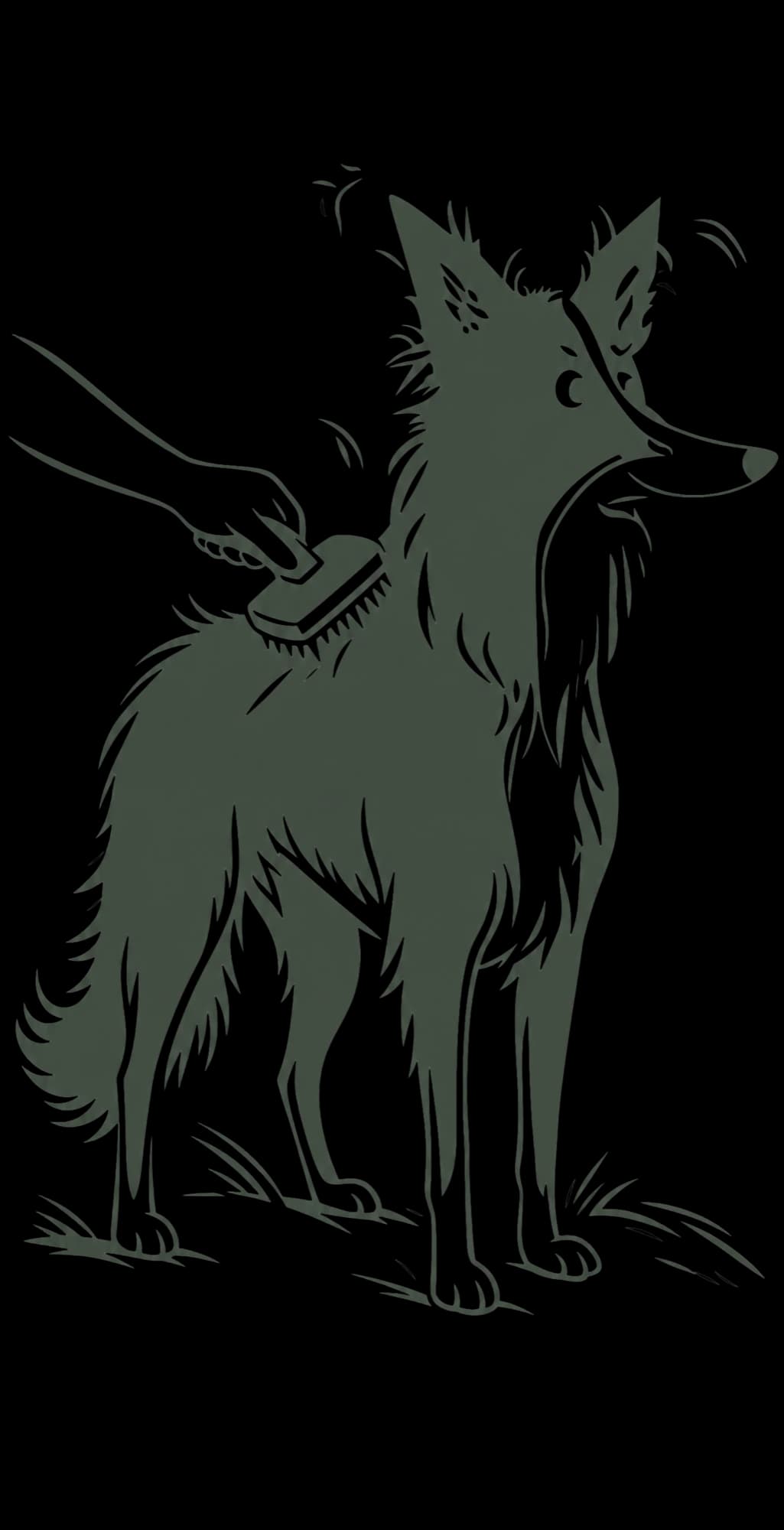
Yes. The dense double coat sheds year-round and blows its undercoat heavily twice a year, so brush near-daily during those periods and two to three times a week otherwise. An omega-rich diet supports the coat but cannot replace grooming.
Are Swedish Lapphunds prone to diabetes, and does diet play a role?
The breed has a recognised higher risk of diabetes mellitus than many others. Keeping the dog lean throughout life, feeding consistent measured meals, and avoiding excess treats are the main dietary levers an owner has, alongside regular veterinary check-ups as the dog ages.
Similar breeds
Photo: Bjørn Roger Larsen, Public domain, via Wikimedia Commons