


Most important facts
- Group
- Pastoral
- Size
- Small
- Weight
- 6–12 kg
- Lifespan
- 12–14 years
- Coat
- Long
- Energy
- Moderate
- Height
- 35–37 cm
- Colours
- Sable, tricolour, blue merle or black and white
- Shedding
- Heavy
- Est. feeding cost
- ~£0.61 a day
- Gear to consider
- Slicker brush and undercoat rake, dental chews, puzzle feeders for mental stimulation
Typical dry food, adult
About the Shetland Sheepdog
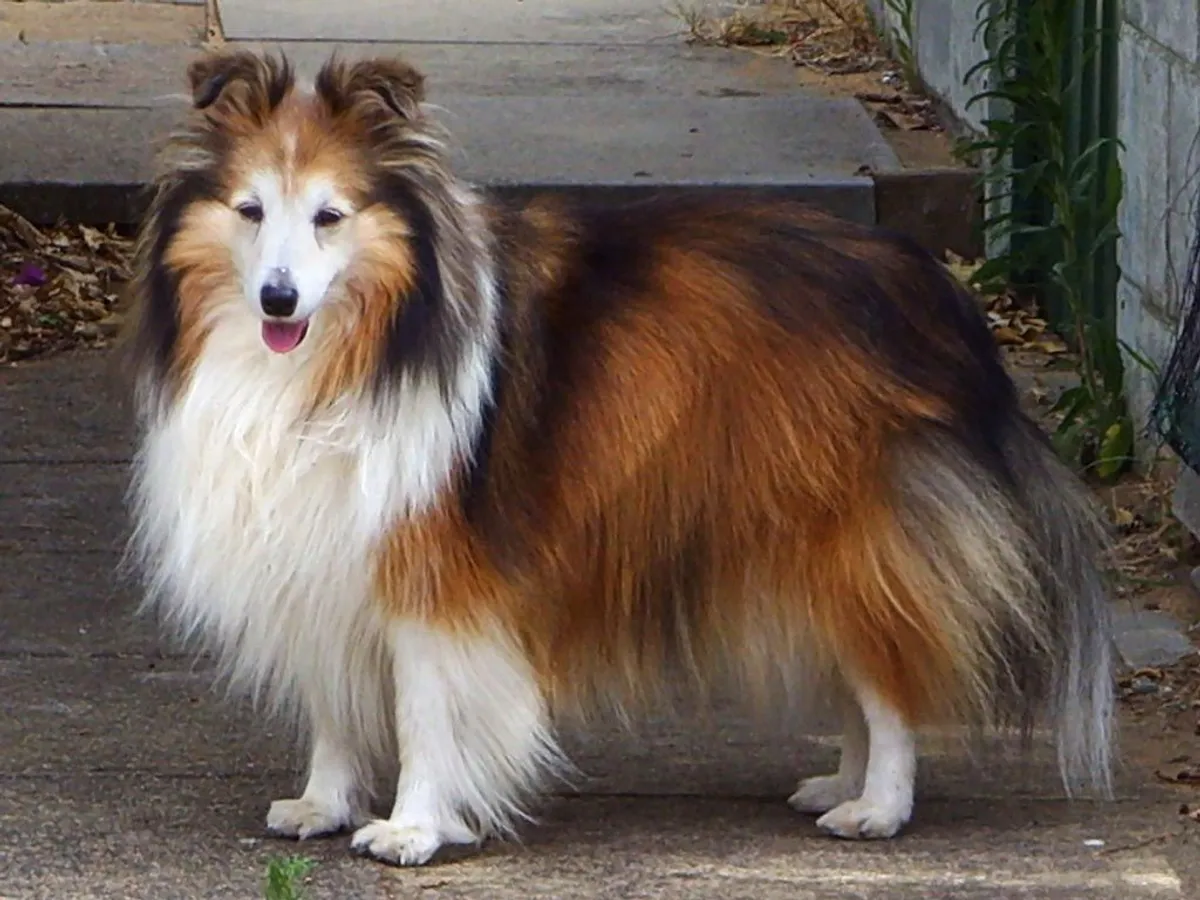
The Shetland Sheepdog was developed on the Shetland Isles, where crofters favoured small, hardy animals, from ponies to sheep to the quick little dogs that herded them and kept hungry birds off the crops. Crosses with the Rough Collie refined the breed into its miniature-Lassie look, and the Kennel Club recognised it in 1909. It remains one of the most trainable of all companion breeds.
Shelties are bright, sensitive and deeply devoted to their families, descended from working farm collies bred to herd and guard livestock on the Shetland Isles. That heritage shows up as watchfulness and a tendency to bark at anything unfamiliar, which early socialisation and consistent training can channel into a more measured, confident temperament.
They thrive on engagement, as a bored Sheltie is more likely to become vocal, herd-nip at moving things or pace, so mealtimes are a good opportunity for enrichment as well as nutrition. Puzzle feeders or scatter feeding tap into their working instincts and take the edge off a naturally busy mind, alongside their daily walk and training.
Common health conditions
Things Shetland Sheepdog owners commonly watch for. Guidance, not veterinary advice.
Collie eye anomaly (CEA)
An inherited eye condition affecting the retina, present from birth. Choose breeders who screen parents, and have puppies eye-tested early.
Hip dysplasia
The hip joint sits loosely and that can lead to arthritis. Keep a Sheltie lean through accurate portioning to take load off the joints.
Hypothyroidism
An underactive thyroid is relatively common in the breed, often showing as weight gain and low energy. Have unexplained changes in body condition checked by a vet.
Dental disease
Shelties are more prone than average to plaque and tartar build-up. Brush daily and use dental-friendly chews alongside meals.
Feeding a Shetland Sheepdog
Shelties are a small-to-medium breed, so precise portioning matters more than it would for a larger dog, as even small overfeeding shows up quickly as excess weight. A complete diet with moderate energy density suits most adults well, split across two meals a day, with treats counted inside the daily allowance and not added on top.
Their thick double coat and predisposition to dermatomyositis mean skin and coat condition is worth watching, and diets with a good balance of omega fatty acids support coat quality alongside regular grooming. Because the breed can run towards hip dysplasia and, later in life, hypothyroidism, keep them lean through adulthood, checking body condition by feel rather than by eye.
Every dog is different — weight, age and activity all shift what a Shetland Sheepdog needs. The turns these breed tendencies into a shortlist matched to your dog’s age, size, budget and needs.
Typical adult weight
6–12 kg
Est. daily calories
320–720 kcal
A broad guide for an average-activity adult in good body condition — not veterinary advice. Real needs vary with age, neutering, activity, health and body condition, so no two Shetland Sheepdogs eat exactly the same. Get a personalised estimate or estimate feeding costs.


- Per day
- ~£0.61
- Per month
- ~£19
- Per year
- ~£222
A broad typical monthly budget guide, not a live price quote. Food format, calorie density, pack size and retailer pricing all change the real cost.
Find the right food for your Shetland Sheepdog
Foods ranked to your dog
Answer a few quick questions and the Food Finder ranks foods to your Shetland Sheepdog by score, price, life stage and fit.
Breed at a glance
- Exercise needs6/10
- Appetite6/10
- Trainability9/10
- Good with children7/10
- Shedding8/10
- Tolerates being alone4/10
The good & the worth-knowing
The good
- Highly intelligent and eager to please, making them very responsive to training
- Affectionate and loyal, forming close bonds with their family
- Adaptable to a range of homes provided they get enough stimulation

Worth knowing
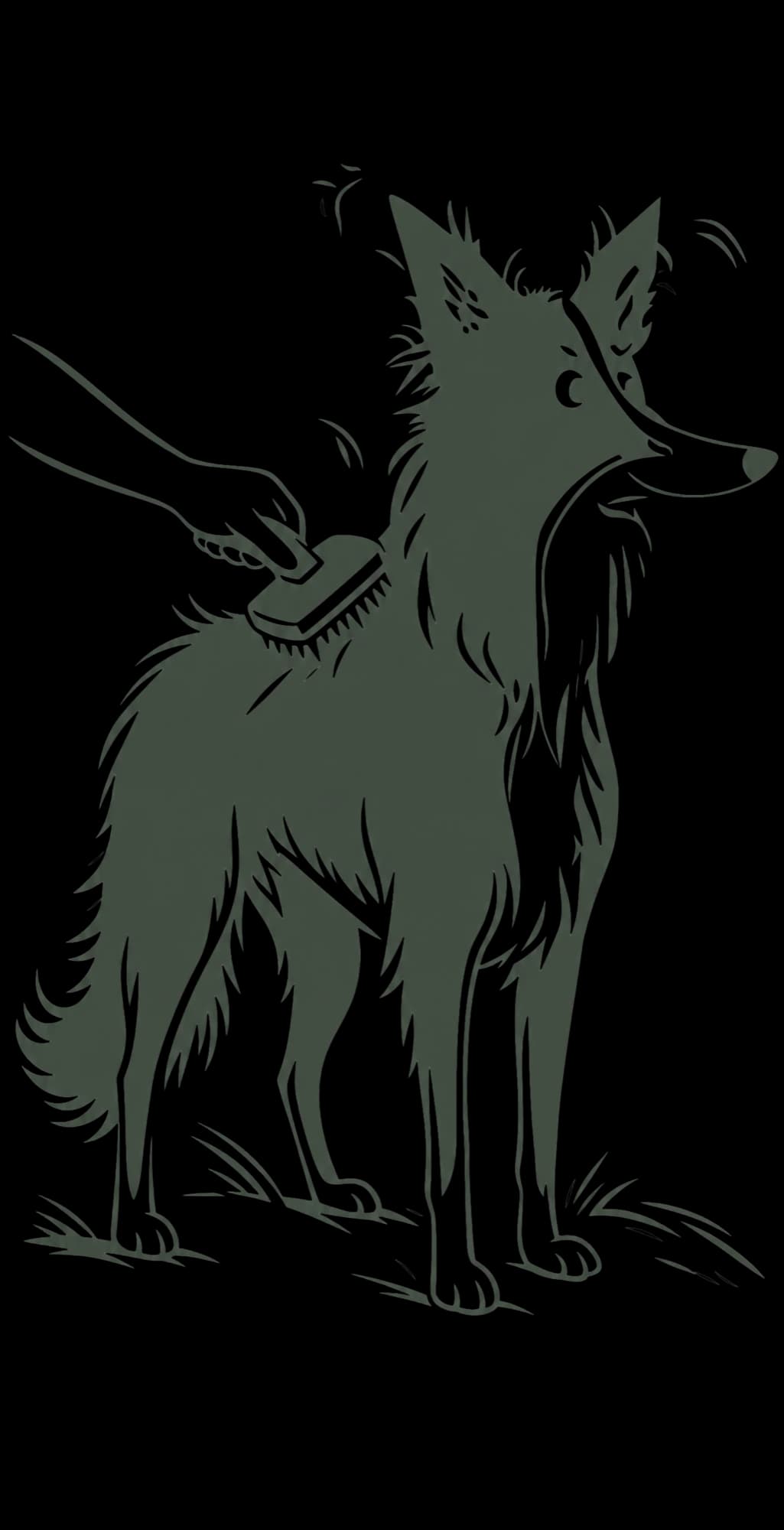
- Sheds heavily, especially during seasonal coat blows, needing frequent brushing
- Can be vocal, barking readily at unfamiliar sights and sounds if not guided early
- Bonds closely with their family and may struggle with long periods alone
Best matched accessories
All accessoriesThe collections that suit the breed, judged by the same independent standard.
Common owner questions
How much should I feed my Shetland Sheepdog?
Start from the feeding guide on the food's packaging for their weight, then adjust to body condition and not the bag alone. Shelties are small enough that a slightly generous scoop each day adds up to noticeable weight gain over a few months. Use the Food Finder for a steer on their age and activity.
Are Shetland Sheepdogs prone to weight gain?
They can be, particularly once neutered or heading into middle age, and it's often masked by their thick coat. Regular hands-on body condition checks and feeding to condition, not habit, keep this in check.
Do Shelties need a special diet for their coat?
Not a special diet as such, but a complete food with good levels of omega-3 and omega-6 fatty acids supports the dense double coat, working alongside, not instead of, regular brushing.
How much exercise does a Shetland Sheepdog need?
Roughly an hour a day suits most Shelties, covering walks and mentally engaging activity such as training games or agility. They were bred to work and are happiest with a job to do, even a small one.
Similar breeds
Photo: Flickr user nickobec (Nick Cowie), CC BY-SA 2.0, via Wikimedia Commons