


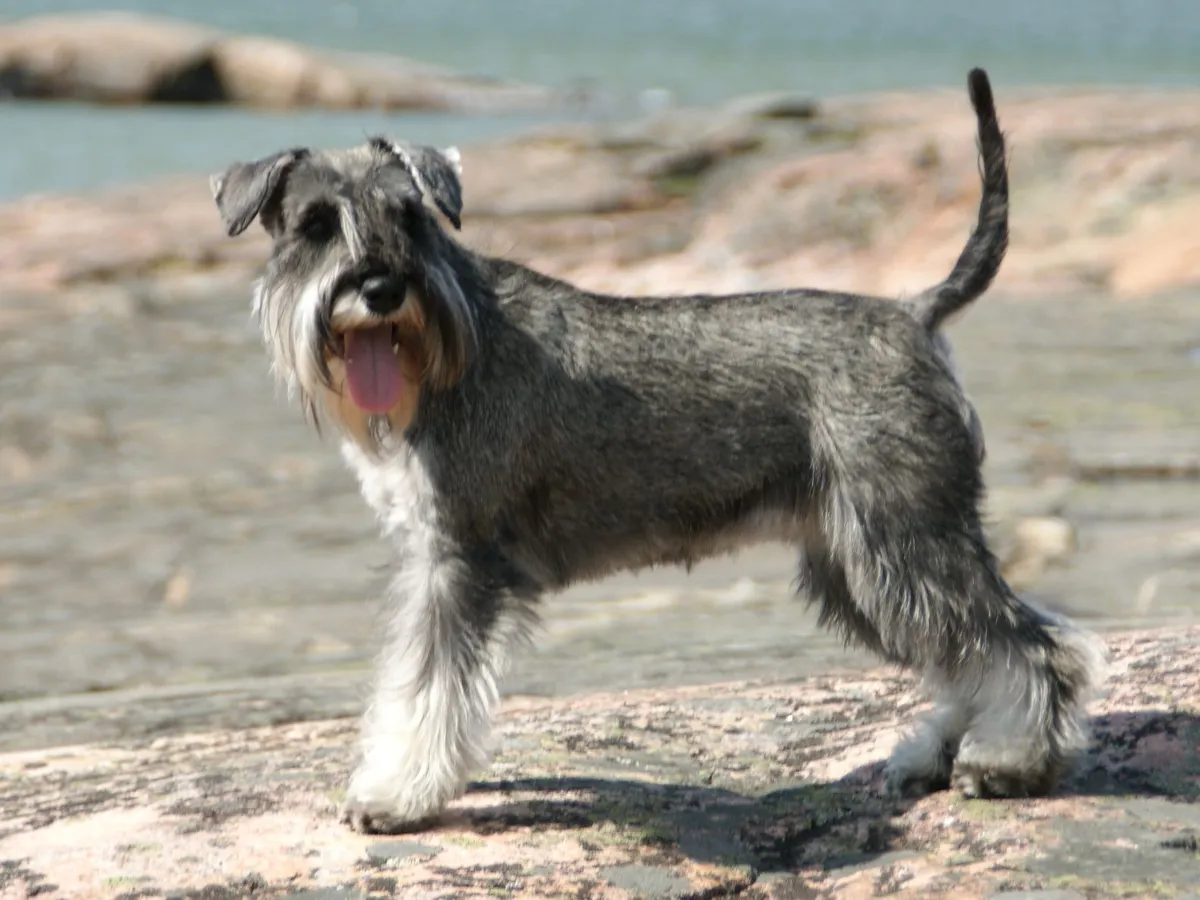

Most important facts
- Group
- Utility
- Size
- Small
- Weight
- 6–9 kg
- Lifespan
- 12–14 years
- Coat
- Wiry
- Energy
- Moderate
- Height
- 33–36 cm
- Colours
- Pepper and salt, black, black and silver or white
- Shedding
- Light
- Est. feeding cost
- ~£0.58 a day
- Gear to consider
- Dental chews and an oral-care kit, stripping comb or grooming tools, slow-feeder bowl for portion control
Typical dry food, adult
About the Miniature Schnauzer
The Miniature Schnauzer was created in late nineteenth-century Germany by breeding the Standard Schnauzer down with the Affenpinscher and other small breeds, producing a compact farm ratter with the family's signature beard and eyebrows. It has since become by far the most popular of the three Schnauzer sizes, prized as a smart, sturdy companion that kept its working alertness while losing none of its charm.
Miniature Schnauzers are alert, intelligent and feisty, traits from their farmyard ratting history that make them quick learners but also confident, opinionated little dogs needing consistent, reward-based training. They bond closely with their family and can be wary of strangers, usually expressing this through watchful alert-barking rather than aggression.
Their sharp food motivation is a genuine training asset, as small, well-timed treats shape good behaviour quickly, but the same trait is exactly why treat portions and begging need managing early. Generally sociable with children and other pets when socialised, they suit an owner who enjoys grooming and routine as much as a daily walk.
Common health conditions
Things Miniature Schnauzer owners commonly watch for. Guidance, not veterinary advice.
Bladder and kidney stones (urolithiasis)
The Miniature Schnauzer is the UK breed most commonly affected by calcium oxalate stones. Keep fresh water constantly available and feed a diet with appropriate mineral content.
Schnauzer comedo syndrome
A hereditary follicular skin condition causing blackhead-like plugs along the back. Feed a skin-supporting diet and work with your vet on skincare.
Periodontal (dental) disease
Vets see dental disease more often in this breed than almost anything else. Dental chews and regular brushing belong in the daily routine, and kibble texture helps.
Obesity and overweight
Extra weight is a common finding in the breed. Measure meals and keep treats limited. Body condition is worth checking regularly.
Pancreatitis
The breed has a recognised predisposition to pancreatitis, often linked to fatty foods. Keep dietary fat moderate and avoid rich scraps and leftovers.
Feeding a Miniature Schnauzer
Miniature Schnauzers are a small, sturdily built breed that does well on a moderately energy-dense complete food rather than anything high-calorie, as their food-driven nature can quickly outpace their moderate exercise needs. Let a visible waist and a firm-but-not-sharp rib feel set the portion, and don't rely on the bag guideline alone. Keep treats small and infrequent.
The breed has a marked predisposition to calcium oxalate bladder stones and pancreatitis, so a moderate-fat diet with controlled minerals and constant fresh water is a sensible long-term choice. Discuss it with a vet if stones have occurred before. Smaller, harder kibble pieces also support the jaw and gums, given how common dental disease is in this breed.
Every dog is different — weight, age and activity all shift what a Miniature Schnauzer needs. The turns these breed tendencies into a shortlist matched to your dog’s age, size, budget and needs.
Typical adult weight
6–9 kg
Est. daily calories
320–580 kcal
A broad guide for an average-activity adult in good body condition — not veterinary advice. Real needs vary with age, neutering, activity, health and body condition, so no two Miniature Schnauzers eat exactly the same. Get a personalised estimate or estimate feeding costs.

- Per day
- ~£0.58
- Per month
- ~£18
- Per year
- ~£210
A broad typical monthly budget guide, not a live price quote. Food format, calorie density, pack size and retailer pricing all change the real cost.
Find the right food for your Miniature Schnauzer
Foods ranked to your dog
Answer a few quick questions and the Food Finder ranks foods to your Miniature Schnauzer by score, price, life stage and fit.
Breed at a glance
- Exercise needs5/10
- Appetite7/10
- Trainability7/10
- Good with children7/10
- Shedding2/10
- Tolerates being alone4/10
The good & the worth-knowing
The good
- Low-shedding wiry coat suits many allergy-conscious households, provided grooming is kept up
- Intelligent, alert and generally quick to train, drawing on its working ratter origins
- Compact, sturdy size adapts well to family homes and flats with moderate daily exercise

Worth knowing
- Grooming is demanding, needing hand-stripping or clipping every six to eight weeks
- Prone to vocal alert-barking if under-stimulated or under-socialised
- Carries above-average predisposition to bladder stones, pancreatitis and dental disease
Best matched accessories
All accessoriesThe collections that suit the breed, judged by the same independent standard.

Common owner questions
How much should I feed my Miniature Schnauzer?
There's no single number that suits every dog. Feed for a visible waist and ribs you can feel, and adjust portions as activity and age change. Our Food Finder can suggest a starting point based on your dog's weight and life stage.
Are Miniature Schnauzers prone to weight gain?
Yes. Excess weight is one of the more common issues vets see in this breed, linked to its food motivation and modest exercise needs. Measure meals and limit treats. Check body condition regularly.
Do Miniature Schnauzers shed much?
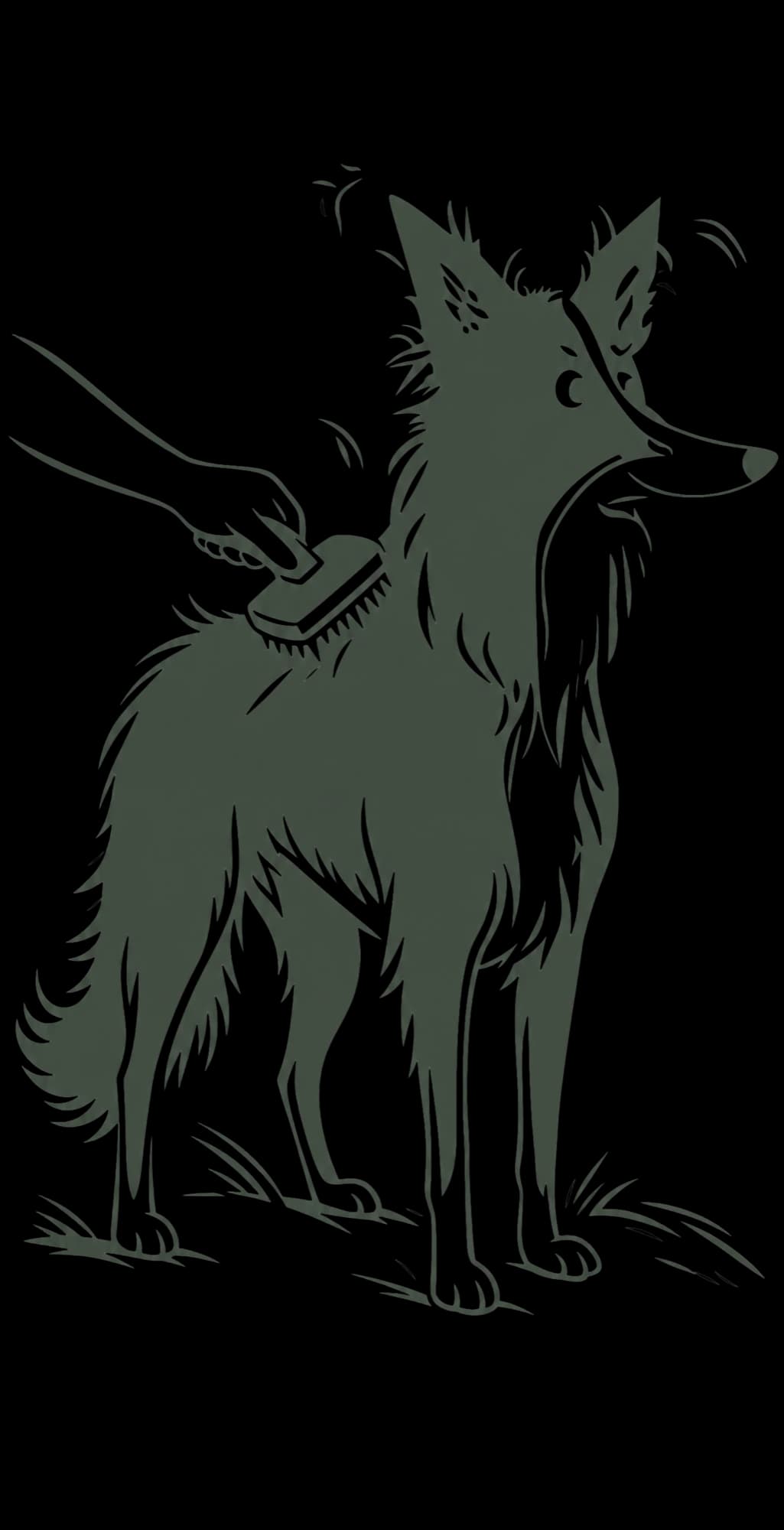
Very little day to day, but the wiry double coat needs hand-stripping or clipping every six to eight weeks, with frequent brushing to prevent matting around the beard and legs.
Are Miniature Schnauzers good with children?
Generally yes, they tend to be sociable, sturdy and affectionate with familiar family members when well socialised from puppyhood, though their alert nature means they can be vocal, so early training around barking is worthwhile.