


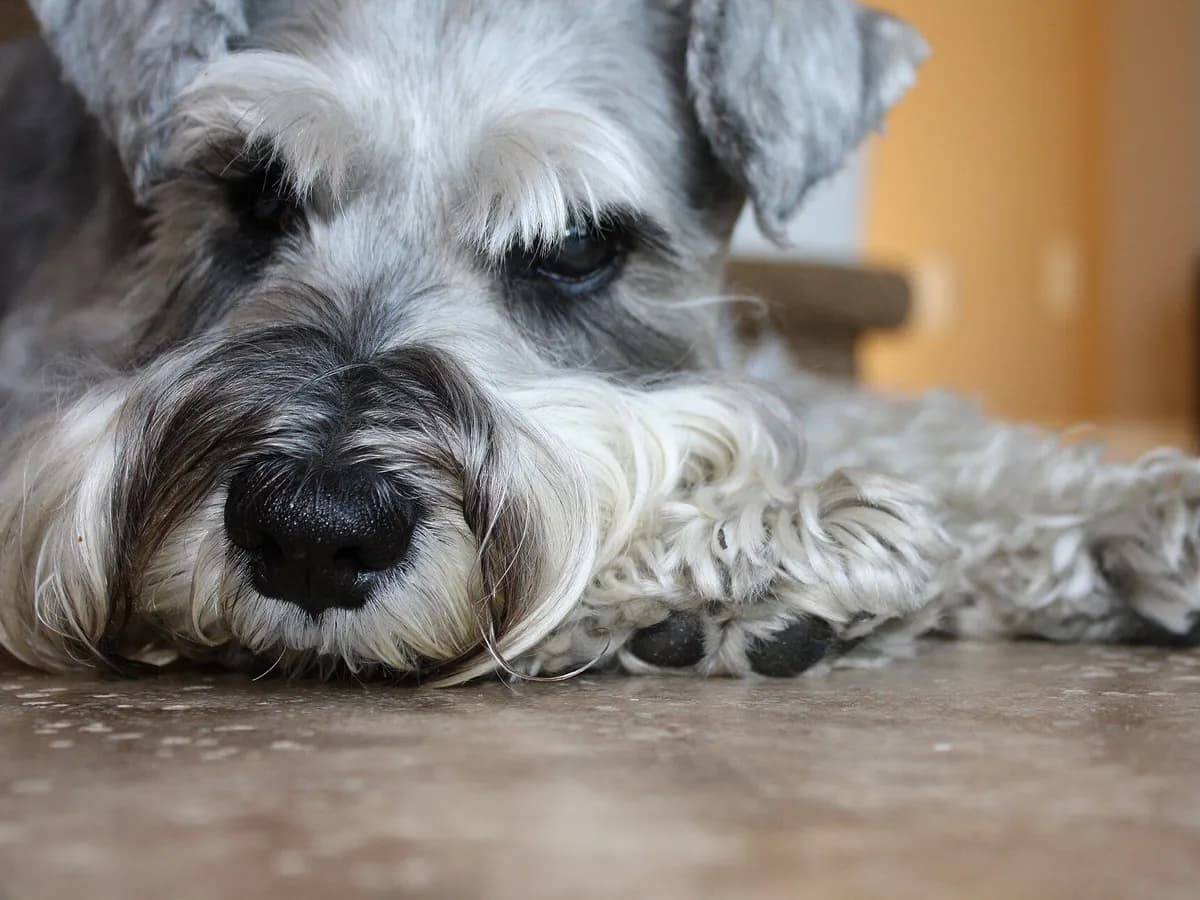

Most important facts
- Group
- Utility
- Size
- Medium
- Weight
- 16–20 kg
- Lifespan
- 13–15 years
- Coat
- Wiry
- Energy
- Moderate
- Height
- 45–48 cm
- Colours
- Pepper and salt or black
- Shedding
- Light
- Est. feeding cost
- ~£1.04 a day
- Gear to consider
- Slicker brush and stripping comb, no-pull harness, dental chews
Typical dry food, adult
About the Schnauzer
The Schnauzer is the original and middle-sized of Germany's three Schnauzer breeds, kept for centuries as an all-round farm dog, ratting in the stables and guarding the cart on market day. Its name comes from the German for muzzle, a nod to the signature beard. The breed served as a messenger and guard dog in the First World War before settling into companion life.
Alert and intelligent, Schnauzers are loyal dogs originally bred as versatile farm and guard dogs, and that heritage shows in their watchful, confident nature. With their own family they are deeply attached, and they do well with children, though a stranger meets a more reserved dog. Early socialisation pays off, as their independent streak can tip into stubbornness or barking without it.
This is a food-motivated breed, which makes treat-based training effective but also means Schnauzers can be persistent beggars given the chance. This breed is prone to pancreatitis and raised blood fats. Careful treat choice and portion control guard against a known health risk, and the waistline too. A structured feeding routine suits their alert, busy temperament.
Common health conditions
Things Schnauzer owners commonly watch for. Guidance, not veterinary advice.
Schnauzer comedo syndrome
A breed-specific skin condition causing blackheads and hair loss along the back. Feed a skin-supporting diet with omega fatty acids alongside veterinary skincare.
Hip dysplasia
Loose joints that can bring on arthritis in later life. Keep a Schnauzer lean from puppyhood to reduce strain on developing joints.
Pancreatitis and hyperlipidaemia
Schnauzers are prone to breed-associated raised blood fats, which increases pancreatitis risk. Feed a moderate-fat diet and never fatty scraps or rich treats.
Bladder or kidney stones
The breed can be predisposed to urinary stones. Keep fresh water constantly available and follow vet advice on a suitable diet.
Feeding a Schnauzer
Schnauzers are medium-sized, moderately active dogs that do well on a complete diet with moderate protein and fat, split across two meals. What sets the breed apart is a documented tendency towards raised blood fats and pancreatitis. Keeping fat content sensible and steering well clear of fatty scraps and rich treats matters more here than for most breeds.
Extra weight adds pressure to joints already at risk from hip dysplasia, so keeping a Schnauzer lean throughout life is one of the most protective things an owner can do. Keep fresh water always available, as the breed can be prone to bladder and kidney stones, and wipe the wiry beard after meals to stop food debris irritating the skin.
Every dog is different — weight, age and activity all shift what a Schnauzer needs. The turns these breed tendencies into a shortlist matched to your dog’s age, size, budget and needs.
Typical adult weight
16–20 kg
Est. daily calories
670–1,060 kcal
A broad guide for an average-activity adult in good body condition — not veterinary advice. Real needs vary with age, neutering, activity, health and body condition, so no two Schnauzers eat exactly the same. Get a personalised estimate or estimate feeding costs.


- Per day
- ~£1.04
- Per month
- ~£32
- Per year
- ~£380
A broad typical monthly budget guide, not a live price quote. Food format, calorie density, pack size and retailer pricing all change the real cost.
Find the right food for your Schnauzer
Foods ranked to your dog
Answer a few quick questions and the Food Finder ranks foods to your Schnauzer by score, price, life stage and fit.
Breed at a glance
- Exercise needs6/10
- Appetite7/10
- Trainability7/10
- Good with children8/10
- Shedding2/10
- Tolerates being alone5/10
The good & the worth-knowing
The good
- Loyal, alert and makes a genuinely good watchdog
- Low-shedding wiry coat, useful for allergy-conscious households that keep up grooming
- Intelligent and trainable, generally good with children when raised together

Worth knowing
- High grooming demands, with regular hand-stripping or clipping to keep the coat in condition
- Can be stubborn and vocal without consistent, early training and socialisation
- Prone to pancreatitis and weight gain, so feeding and treats need careful management
Best matched accessories
All accessoriesThe collections that suit the breed, judged by the same independent standard.

Common owner questions
How much exercise does a Schnauzer need?
An hour a day, divided between walks and play, is generally enough. Schnauzers are alert and inquisitive rather than tireless, so mental stimulation such as training games matters as much as distance covered.
Do Schnauzers shed a lot?
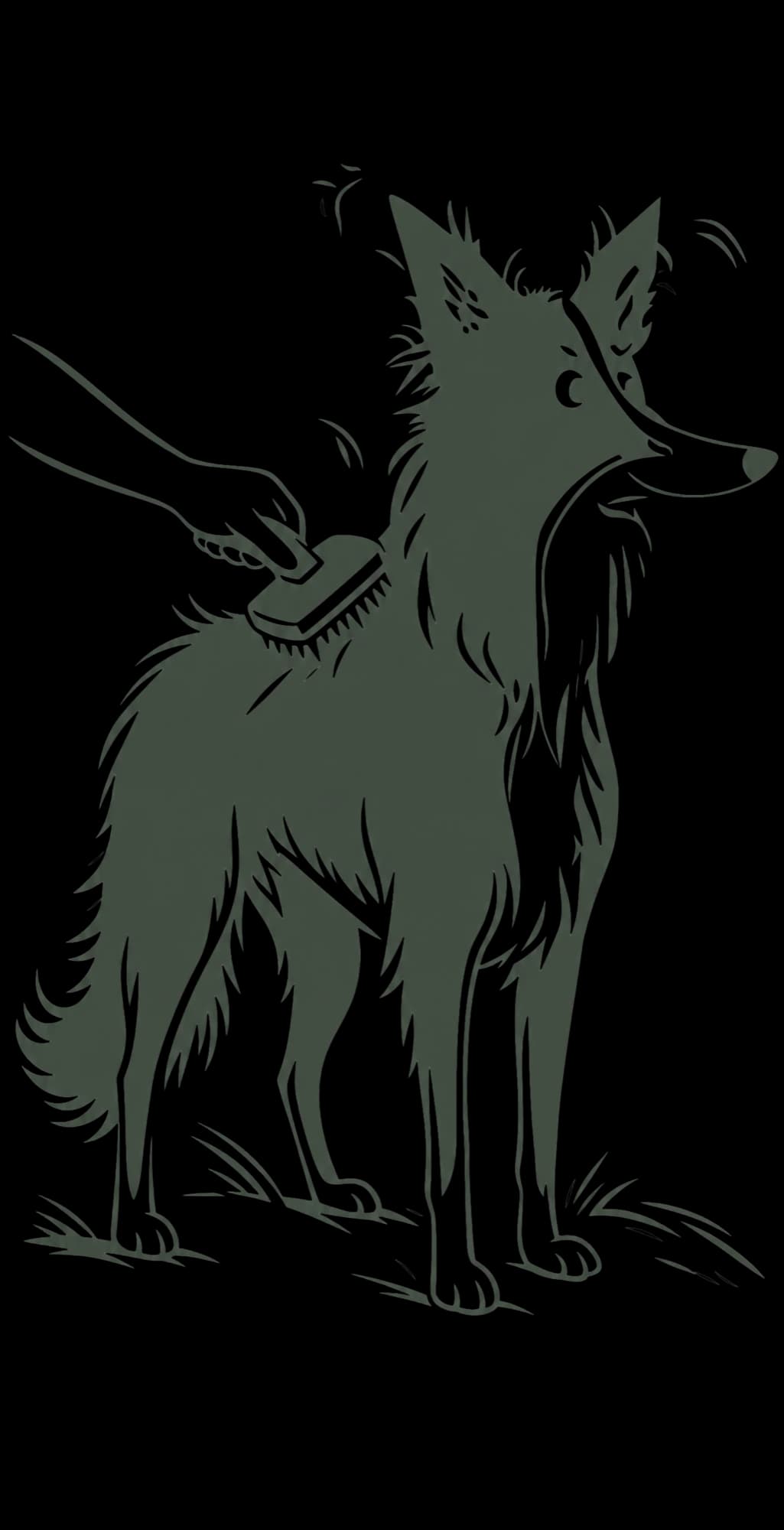
Very little, thanks to their wiry double coat, which is one reason the breed suits some allergy-conscious households. That low shedding comes at a cost, as the coat needs regular brushing plus periodic hand-stripping or clipping.
What should I feed a Schnauzer to help avoid pancreatitis?
A consistent, moderate-fat complete diet fed to body condition, without fatty table scraps or rich treats, is the main safeguard. If your Schnauzer has had raised blood fats or a pancreatitis episode, ask your vet about a lower-fat formula, and use the Food Finder to compare options.
Are Schnauzers prone to putting on weight?
Yes, they're often food-motivated and gain weight if meals and treats aren't measured. Keeping them lean protects both their joints and their pancreas, so weigh food and limit extras. The Food Finder can help you find a suitable weight-conscious recipe.