


Most important facts
- Group
- Toy
- Size
- Toy
- Weight
- 3.5–5.5 kg
- Lifespan
- 12–15 years
- Coat
- Two coat varieties: a dense
- Energy
- Moderate
- Height
- 18–20 cm
- Colours
- Red, black or black and tan
- Shedding
- Light
- Est. feeding cost
- ~£0.37 a day
- Gear to consider
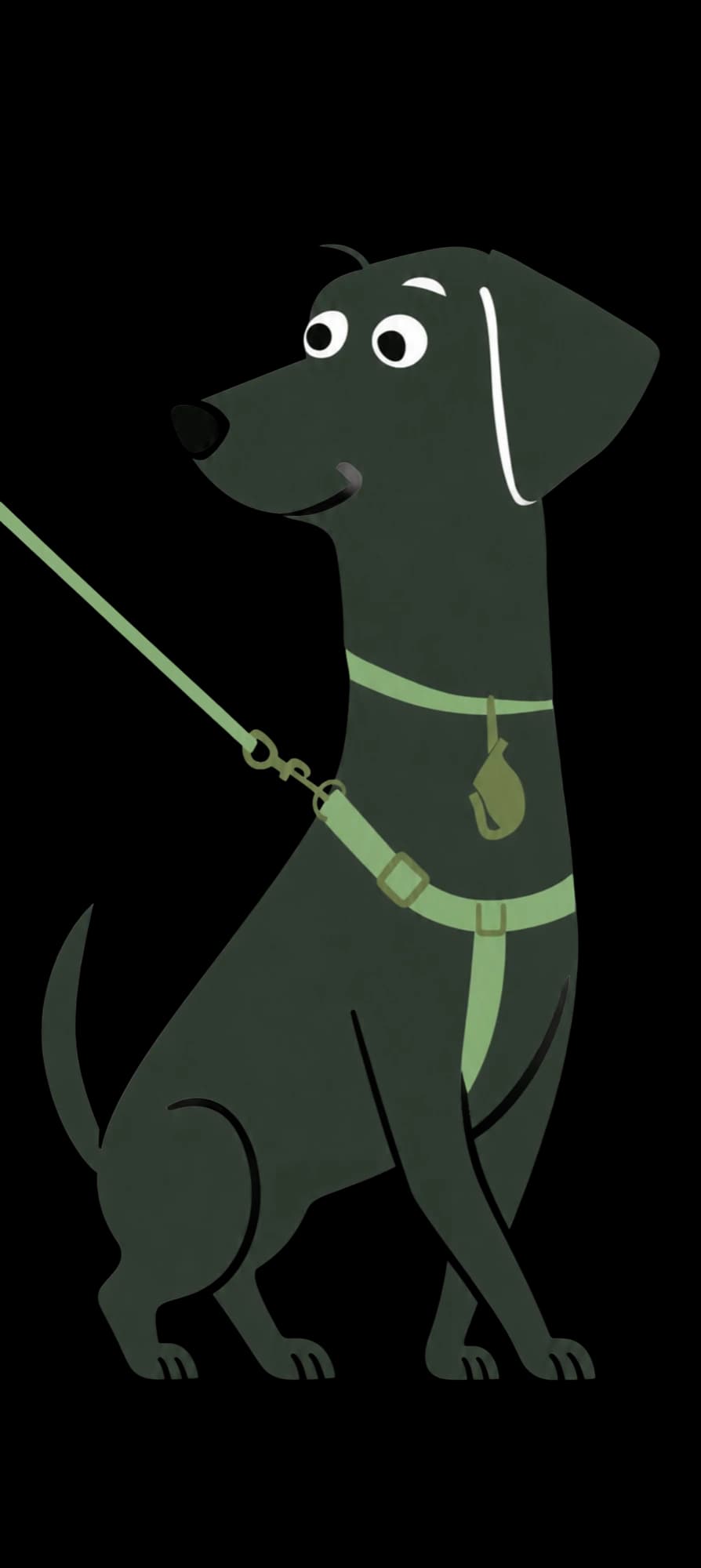
- Soft step-in harness (not a neck collar), small-breed slow feeder bowl, stripping comb or slicker brush
Typical dry food, adult
About the Griffon Bruxellois
The Griffon Bruxellois began as a scruffy stable-yard ratter in nineteenth-century Brussels, where coachmen kept small rough-coated terriers to control vermin. Crosses with the Pug and toy spaniels produced the flat, expressive face, and the breed's fortunes rose when Queen Marie Henriette of Belgium became a devoted fancier. Numbers fell badly through both world wars, and it remains an uncommon but characterful companion today.
Griffon Bruxellois are affectionate, alert and carry far more personality than their pocket size suggests. Originally bred as ratters in the stable yards of Brussels, they keep a terrier-like confidence and curiosity. They tend to bond intensely with one particular person, and they will follow them from room to room and settle readily on a lap.
They can be sensitive souls, wary of strangers and quick to vocalise if startled, and most don't cope well with long periods alone. Their low exercise needs are easily met with a couple of short walks, and that leaves spare energy. Channel it into training and into food puzzles and enrichment feeding, so it does not build into anxiety.
Common health conditions
Things Griffon Bruxellois owners commonly watch for. Guidance, not veterinary advice.
Brachycephalic Obstructive Airway Syndrome (BOAS)
The flat face and shortened airway can restrict breathing, especially in heat or excitement. Keep your Griffon lean through careful portioning to ease the load on the airway.
Hereditary cataracts and other eye disease
The Kennel Club recommends annual eye testing for breeding stock. Ask to see certificates for both parents when buying a puppy.
Chiari-like malformation and syringomyelia (CMSM)
A structural condition affecting the skull and spinal fluid flow, screened under a BVA/KC scheme. Buy from health-tested parents wherever possible.
Patellar luxation and dental crowding
A slipping kneecap and overcrowded teeth are both more likely to cause problems in an overweight dog. Keep body condition lean and dental care consistent.
Feeding a Griffon Bruxellois
Griffons are tiny dogs with a correspondingly small stomach, so meals are best split into two or three modest portions across the day. A few extra treats represent a much bigger share of daily needs at this size. Weighing the food, and not guessing by eye, is the simplest way to keep them at a healthy weight.
The flattened face and undershot jaw can make larger biscuits awkward to pick up, so a small kibble designed for toy or flat-faced breeds is worth seeking out. Dental care deserves particular attention too, as the compact jaw leaves teeth crowded and prone to plaque. Keeping the breed lean for life also takes pressure off sensitive knees and an already-restricted airway.
Every dog is different — weight, age and activity all shift what a Griffon Bruxellois needs. The turns these breed tendencies into a shortlist matched to your dog’s age, size, budget and needs.
Typical adult weight
3.5–5.5 kg
Est. daily calories
210–400 kcal
A broad guide for an average-activity adult in good body condition — not veterinary advice. Real needs vary with age, neutering, activity, health and body condition, so no two Griffon Bruxelloises eat exactly the same. Get a personalised estimate or estimate feeding costs.

- Per day
- ~£0.37
- Per month
- ~£11
- Per year
- ~£134
A broad typical monthly budget guide, not a live price quote. Food format, calorie density, pack size and retailer pricing all change the real cost.
Find the right food for your Griffon Bruxellois
Foods ranked to your dog
Answer a few quick questions and the Food Finder ranks foods to your Griffon Bruxellois by score, price, life stage and fit.
Breed at a glance
- Exercise needs3/10
- Appetite6/10
- Trainability6/10
- Good with children4/10
- Shedding3/10
- Tolerates being alone2/10
The good & the worth-knowing
The good
- Big personality packed into a small, flat-friendly size
- Modest daily exercise needs suit a range of lifestyles
- Deeply affectionate and devoted to its owner

Worth knowing
- Prone to breathing, eye and dental problems linked to its flat face and compact skull
- Can be nervous, vocal or wary of strangers and unfamiliar dogs if under-socialised
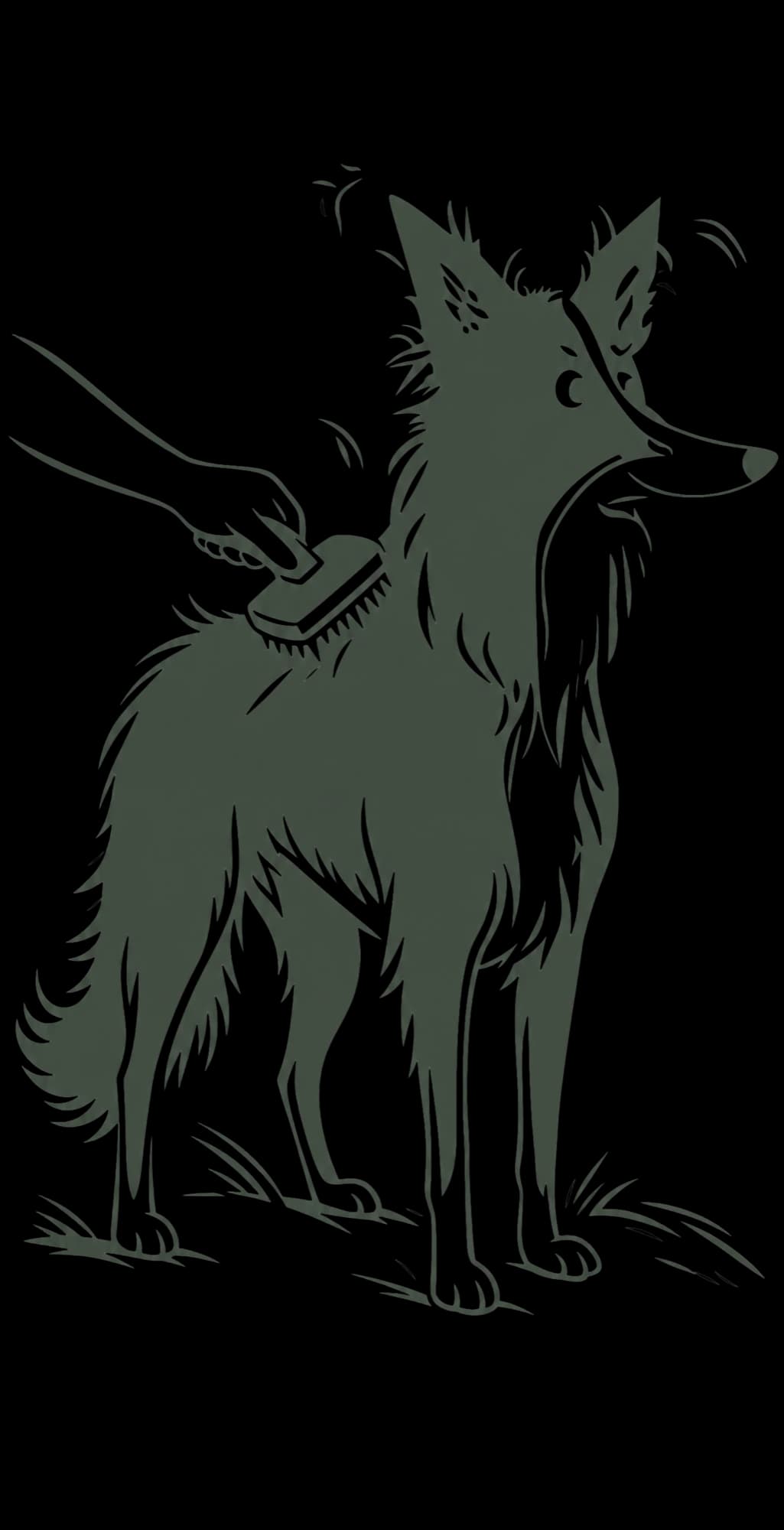
- The rough coat needs regular hand-stripping or professional grooming to stay tidy
Best matched accessories
All accessoriesThe collections that suit the breed, judged by the same independent standard.
Common owner questions
How much exercise does a Griffon Bruxellois need?
Around 30 minutes of gentle walking and play a day is usually enough, ideally split into two shorter outings and kept easy in hot weather given the flat face. Direct the remaining energy into short training sessions and food-based enrichment.
What should I feed a Griffon Bruxellois?
A complete small-breed food with an appropriately sized kibble suits most Griffons, fed in weighed portions to body condition rather than by eye, since small overfeeds add up quickly at this size. Our Food Finder can match a formula to their age and needs.
Are Griffon Bruxellois good with children?
They can do well with calm, older children who handle a small dog gently, but their size and sharp reaction to rough handling make them less suited to boisterous toddlers. Early, positive socialisation helps considerably.
Why is my Griffon Bruxellois a fussy eater?
Toy breeds are commonly selective, and in Griffons this can be worsened by dental discomfort from crowded teeth or an awkward feeding posture from the short muzzle. If fussiness is new or persistent, book a vet check first, and keep meals consistent rather than constantly switching.