


Most important facts
- Group
- Utility
- Size
- Medium
- Weight
- 22–26 kg
- Lifespan
- 13–15 years
- Coat
- Dense double coat with a harsh
- Energy
- Moderate
- Height
- 48–60 cm
- Colours
- Fawn, red, wolf grey or black
- Shedding
- Heavy
- Est. feeding cost
- ~£1.32 a day
- Gear to consider
- Undercoat rake or deshedding brush, well-fitted harness, slow-feeder bowl
Typical dry food, adult
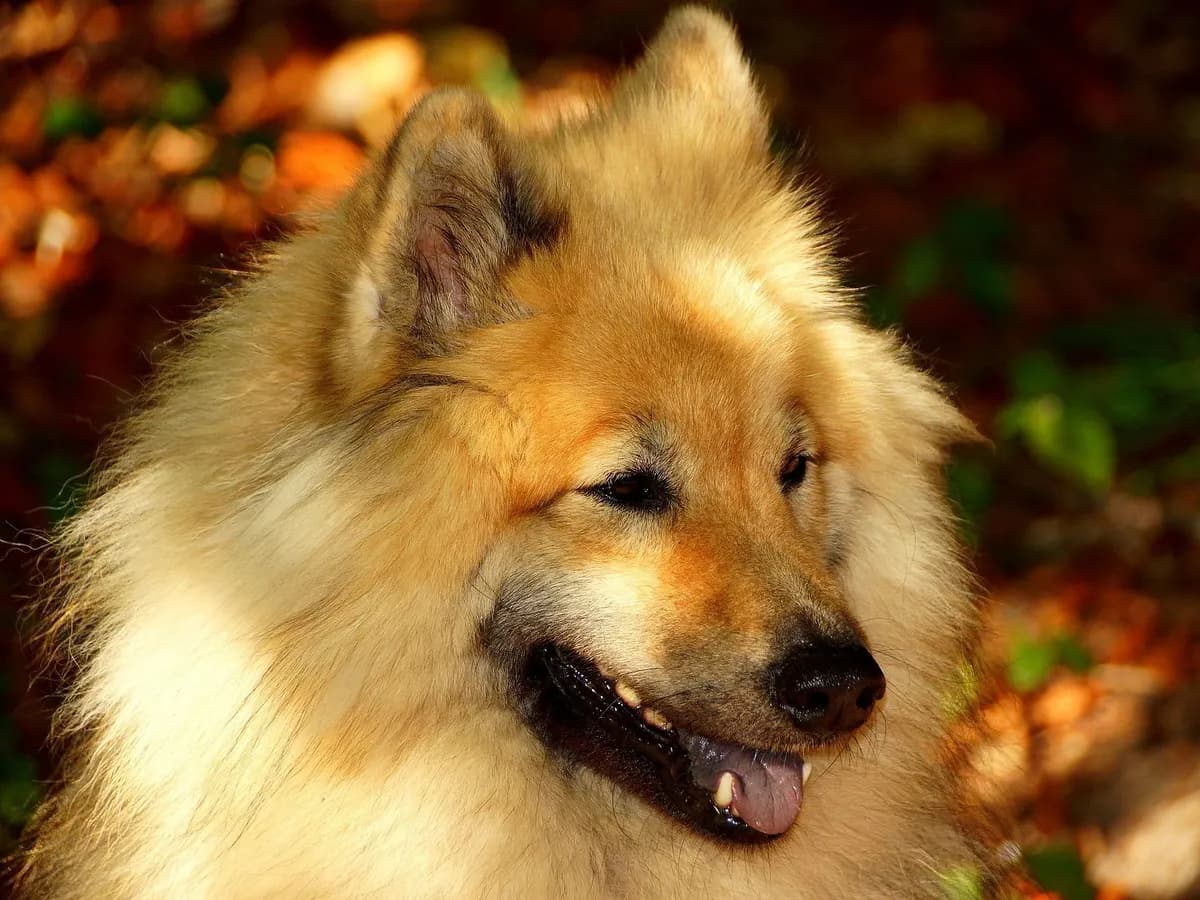
About the Eurasier
The Eurasier was created in Germany in the 1960s by Julius Wipfel, who crossed the Chow Chow with the Wolfspitz to produce what was first called the Wolf-Chow, later adding Samoyed blood. The aim, a rarity at the time, was not a working dog at all but a calm, devoted family companion. The breed was renamed the Eurasier in 1973 on gaining international recognition, and it remains uncommon in the UK.
Eurasiers are composed, watchful dogs that form an intense bond with their own family while remaining reserved, though not aggressive, towards strangers. They are quieter and less driven to hunt or bark than many other spitz breeds, but that same reserve means they need thorough, early socialisation to grow into confident adults.
This is a genuinely independent thinker, clever but not automatically inclined to obey simply to please. Calm, consistent, reward-based training works best, and because the breed is so people-orientated, a Eurasier left alone for long can become distressed. It suits households where someone is usually around.
Common health conditions
Things Eurasier owners commonly watch for. Guidance, not veterinary advice.
Hip dysplasia
The hip joint forms poorly and arthritis can follow. Look for BVA/KC hip scores in the parents, and keep your Eurasier lean to ease the strain.
Elbow dysplasia
Abnormal development of the elbow joint causing lameness or stiffness. Controlled growth on an appropriate puppy diet helps reduce risk during development.
Patellar luxation
The kneecap slips out of its normal groove. Extra weight worsens the strain, so keep your dog at a healthy body condition.
Distichiasis
An eyelash disorder where extra lashes grow along the eyelid margin and can irritate the eye. Mention sore or weepy eyes at routine vet check-ups.
Feeding a Eurasier
The Eurasier's medium-large frame calls for a diet that supports steady, controlled growth and keeps weight gain slow, since hip and elbow dysplasia and patellar luxation are recognised in the breed. A growth formula fed to the manufacturer's guidance, with joint-supportive nutrients, is a sensible foundation, and adult weight should be checked by hand rather than by eye under all that coat.
Adult Eurasiers are not high-energy dogs, so portions should follow actual daily exercise, since a home-loving temperament plus generous feeding leads to gradual weight gain. Feeding twice daily helps digestion, and a diet with good omega-3 and omega-6 content supports skin and coat given how much this breed sheds. The Food Finder can offer a tailored steer.
Every dog is different — weight, age and activity all shift what a Eurasier needs. The turns these breed tendencies into a shortlist matched to your dog’s age, size, budget and needs.
Typical adult weight
22–26 kg
Est. daily calories
850–1,290 kcal
A broad guide for an average-activity adult in good body condition — not veterinary advice. Real needs vary with age, neutering, activity, health and body condition, so no two Eurasiers eat exactly the same. Get a personalised estimate or estimate feeding costs.

- Per day
- ~£1.32
- Per month
- ~£40
- Per year
- ~£482
A broad typical monthly budget guide, not a live price quote. Food format, calorie density, pack size and retailer pricing all change the real cost.
Find the right food for your Eurasier
Foods ranked to your dog
Answer a few quick questions and the Food Finder ranks foods to your Eurasier by score, price, life stage and fit.
Breed at a glance
- Exercise needs6/10
- Appetite5/10
- Trainability6/10
- Good with children8/10
- Shedding9/10
- Tolerates being alone2/10
The good & the worth-knowing
The good
- Calm, watchful and deeply devoted to its family
- Naturally quiet, with far less urge to bark or hunt than most spitz breeds
- Well suited to households that can offer close, near-constant companionship

Worth knowing
- Struggles badly with being left alone and needs almost constant companionship
- Sheds heavily year-round, with a much heavier seasonal blow twice a year
- Independent, thoughtful nature means training progresses more slowly
Best matched accessories
All accessoriesThe collections that suit the breed, judged by the same independent standard.
Common owner questions
How much exercise does a Eurasier need?
A daily walk of around an hour, split across one or two outings, suits most Eurasiers. They need regular, reliable exercise at moderate intensity, and they cope poorly with heat, so keep warm-weather walks short and gentle.
Is the Eurasier easy to train?
They are intelligent but independent thinkers, so training goes more smoothly with calm, consistent, reward-based methods. Using part of the daily food allowance as training treats, rather than adding extra on top, keeps sessions motivating without tipping calories too high.
How much should I feed a Eurasier?
Let body condition set the amount, checking that the waist is visible from above and ribs are easy to feel. Adults generally do best on two measured meals a day, adjusted for age, activity and neutering, and the Food Finder can match a food to your dog.
Do Eurasiers shed a lot?
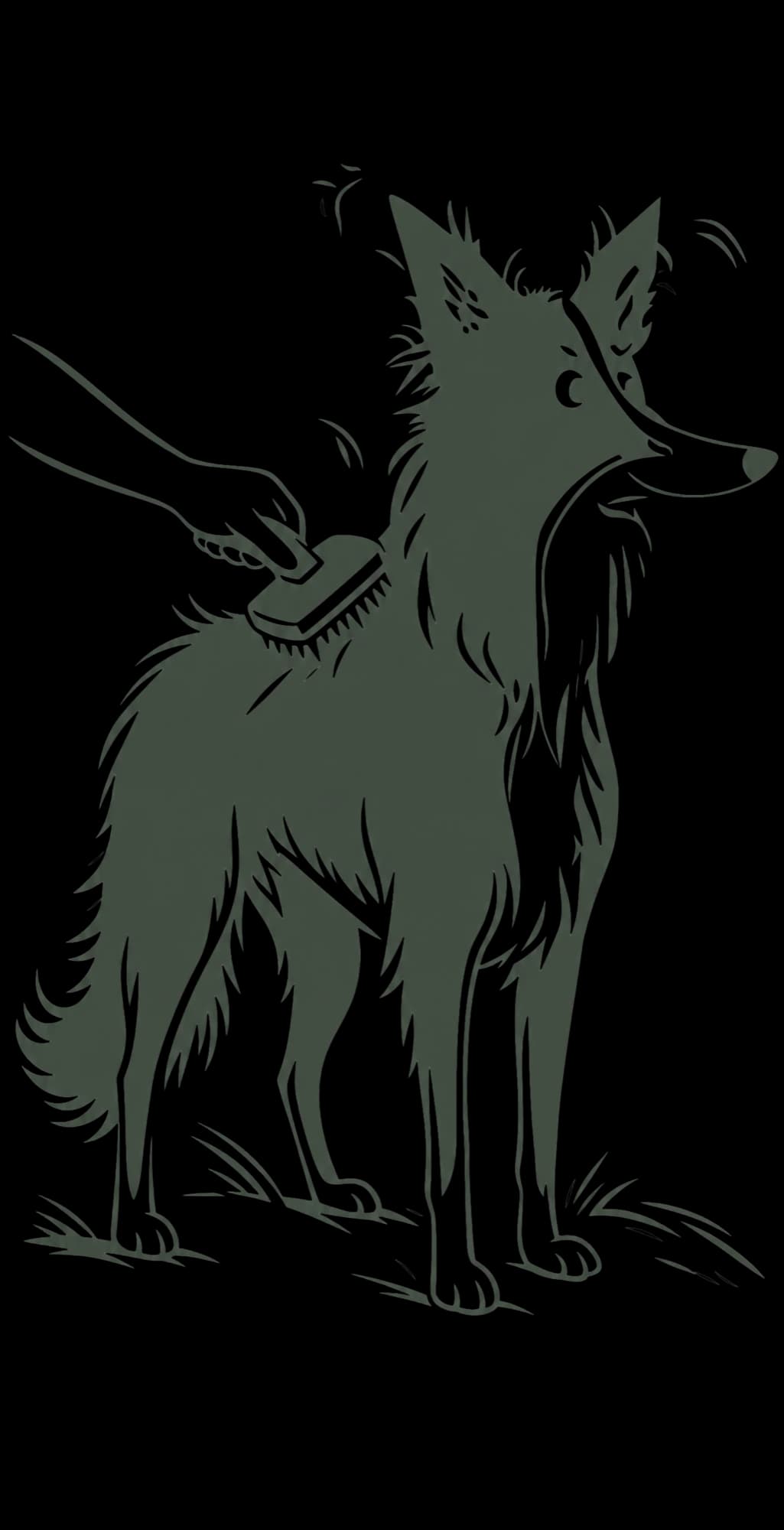
Yes, this is a heavily shedding breed year-round, with far heavier seasonal blows. Regular brushing is the main defence, with a diet rich in fatty acids supporting the skin and coat.
Similar breeds
Photo: Stiller Beobachter from Ansbach, Germany, CC BY-SA 2.0, via Wikimedia Commons