

Most important facts
- Group
- Hound
- Size
- Medium
- Weight
- 23–27 kg
- Lifespan
- 12–14 years
- Coat
- Long, fine and silky
- Energy
- Moderate
- Height
- 63–74 cm
- Colours
- Any colour
- Shedding
- Moderate
- Est. feeding cost
- ~£1.35 a day
- Gear to consider
- Slow-feeder or anti-bloat bowl, pin brush and detangling comb, secure long-line lead
Typical dry food, adult
About the Afghan Hound
The Afghan Hound is an ancient sighthound type, bred to course game across the mountains of Afghanistan, where the long coat earned its keep against the cold. British soldiers brought the breed home in the early twentieth century and the show ring fell for it hard. The glamour came later. Underneath it is still a fast, independent hunting hound, and the coat is the least interesting thing about it.
Afghan Hounds are dignified, independent and somewhat aloof with strangers, though genuinely affectionate with their own family. Bred to hunt at speed over rough ground, they keep a powerful chase instinct towards anything small and fast, so secure fencing and a long line are essential rather than optional.
At home, mature Afghans are often self-contained and calm, happy to lounge for long stretches between bursts of speed. That independence can show at mealtimes too. Some are selective eaters, so a consistent routine and a food they reliably enjoy help keep condition steady.
Common health conditions
Things Afghan Hound owners commonly watch for. Guidance, not veterinary advice.
Hypothyroidism
An underactive thyroid can slow the metabolism and cause weight gain on a normal ration, so unexplained changes are worth a vet check.
Gastric Dilatation-Volvulus (bloat)
A deep-chested breed with a known risk of this life-threatening stomach twist. Smaller, more frequent meals, a slow feeder and rest around mealtimes all reduce the risk.
Hip dysplasia and panosteitis
Joint and growing-bone problems can affect this tall breed, so steady, controlled puppy growth matters more than rapid growth.
Necrotic myelopathy (Afghan Hound myelopathy)
A rare, breed-specific spinal condition. It isn't diet-related, but report any wobbliness or hind-limb weakness promptly.
Feeding a Afghan Hound
A lean, deep-chested hound with real daily exercise needs does best on a complete diet that supports sustained energy without padding a naturally slight frame. Because of the deep chest, smaller and more frequent meals are wiser than one large one, with a rest either side of hard running to help manage the breed's bloat risk.
The famous coat shows what goes in the bowl, so good-quality protein and balanced omega fatty acids support skin and coat from the inside. The coat also hides body shape, so check condition by feel, with ribs and waist as the guide. Grow puppies steadily and never fast. Two meals a day suits most adults.
Every dog is different — weight, age and activity all shift what a Afghan Hound needs. The turns these breed tendencies into a shortlist matched to your dog’s age, size, budget and needs.
Typical adult weight
23–27 kg
Est. daily calories
880–1,330 kcal
A broad guide for an average-activity adult in good body condition — not veterinary advice. Real needs vary with age, neutering, activity, health and body condition, so no two Afghan Hounds eat exactly the same. Get a personalised estimate or estimate feeding costs.
- Per day
- ~£1.35
- Per month
- ~£41
- Per year
- ~£493
A broad typical monthly budget guide, not a live price quote. Food format, calorie density, pack size and retailer pricing all change the real cost.
Find the right food for your Afghan Hound
Foods ranked to your dog
Answer a few quick questions and the Food Finder ranks foods to your Afghan Hound by score, price, life stage and fit.
Breed at a glance
- Exercise needs8/10
- Appetite5/10
- Trainability4/10
- Good with children5/10
- Shedding4/10
- Tolerates being alone5/10
The good & the worth-knowing
The good
- Strikingly elegant and unmistakable
- Calm and dignified indoors once mature
- Forms a loyal bond with familiar people
Worth knowing
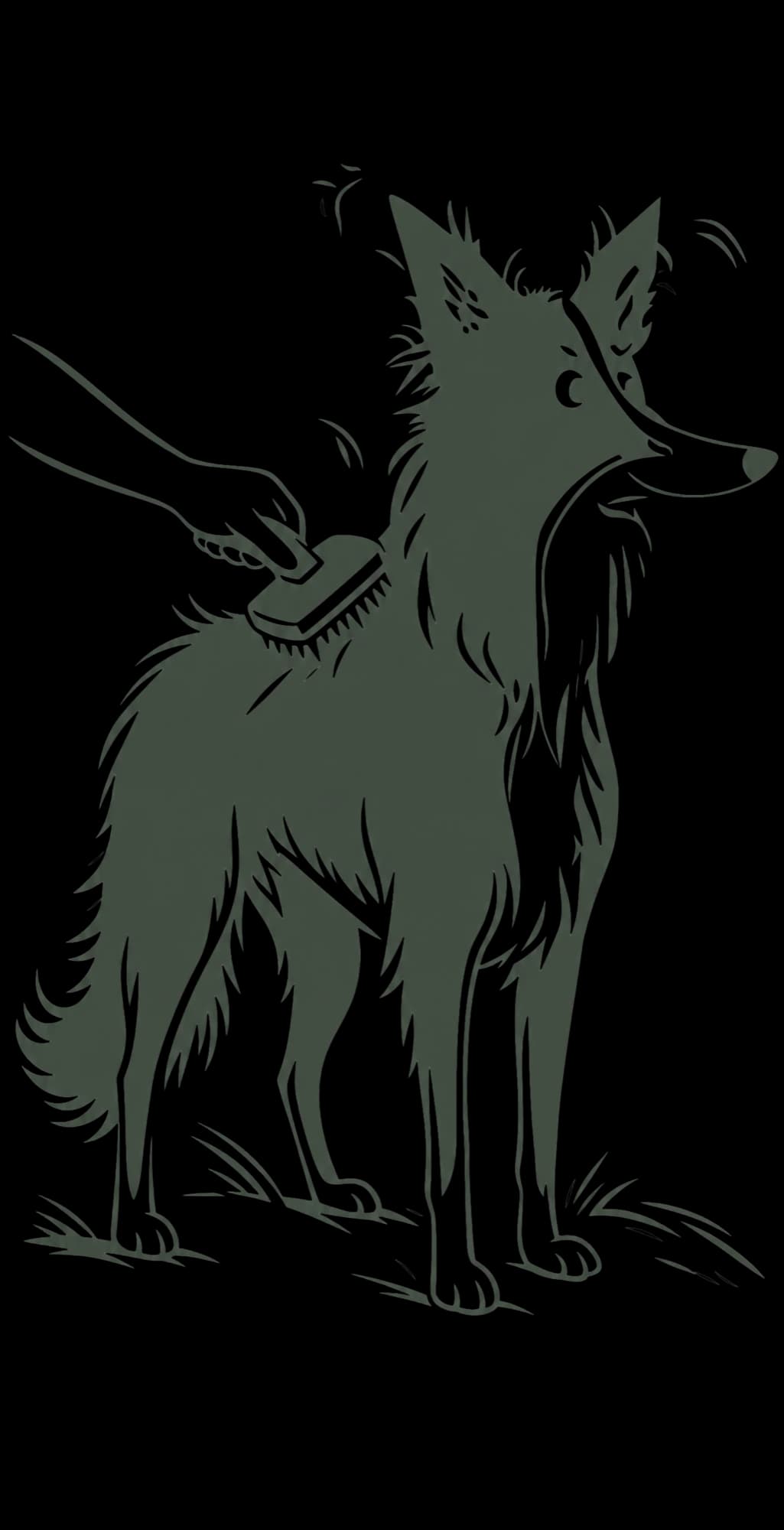
- Daily brushing is non-negotiable for the coat
- A hard-wired chase instinct limits off-lead freedom
- Independent nature makes training a patient project
Best matched accessories
All accessoriesThe collections that suit the breed, judged by the same independent standard.
Common owner questions
How much exercise does an Afghan Hound need?
At least two hours a day, ideally including a proper run in a securely enclosed space. The breed's prey drive makes recall unreliable near livestock, wildlife or other small pets, so security comes first. A tired Afghan is a calm one, and the sofa does the rest.
Are Afghan Hounds easy to train?
Not particularly. They are intelligent but independent, so training needs to be patient, reward-based and started early, with realistic expectations rather than a hunt for instant obedience. Short, upbeat sessions get further than long drills.
What should I feed an Afghan Hound?
A complete diet suited to a lean, deep-chested large breed, fed in smaller, more frequent meals to help manage bloat risk. Adjust the amount to their waistline and not to a fixed figure. The Food Finder can match a food to this build.
How much grooming does an Afghan Hound need?
A great deal. Daily brushing is essential to prevent matting in the long, silky coat, alongside regular bathing and trims. Good nutrition with balanced fatty acids supports the coat from the inside, but nothing replaces the brush.