


Most important facts
- Group
- Utility
- Size
- Toy
- Weight
- 3–6 kg
- Lifespan
- 14–16 years
- Coat
- Dense, curly
- Energy
- Moderate
- Height
- 24–28 cm
- Colours
- All solid colours
- Shedding
- Light
- Est. feeding cost
- ~£0.36 a day
- Gear to consider
- Slow-feeder bowl for small kibble, soft-bristle grooming brush and comb, well-fitted step-in harness
Typical dry food, adult
About the Toy Poodle
The Toy Poodle was bred down from the Miniature in the early twentieth century to suit city apartments and fashionable laps. It carries the same working water-retriever ancestry as its larger relatives, which is why so much brain fits in so small a dog. Circus trainers prized the size for exactly that reason. It remains one of the most popular toy breeds in Britain.
Toy Poodles are affectionate and among the most trainable of all breeds. They were bred down in size from working Standard Poodles, and not as a purely ornamental toy. They form close bonds with their owners and are eager to please, which makes them responsive to reward-based training, including food-motivated exercises around mealtimes.
Their sharp minds mean they need mental stimulation as much as physical exercise, and boredom can show up as excessive barking or attention-seeking. Many Toy Poodles are sensitive to being left alone for long stretches, so gradual training for independence, alongside a settled feeding routine, helps them feel secure.
Common health conditions
Things Toy Poodle owners commonly watch for. Guidance, not veterinary advice.
Patellar luxation
In small breeds the kneecap commonly slips out of position. Keep a Toy Poodle lean and measure food rather than free-feeding.
Progressive retinal atrophy (PRA)
This inherited condition of the eye brings a slow loss of sight. Buy from a breeder who health-tests the parents.
Legg-Calve-Perthes disease
Breakdown of the top of the femur seen in toy-breed puppies, causing limping. Feed for controlled growth to avoid excess strain.
Dental disease
Small, crowded mouths make Toy Poodles prone to plaque and tooth loss. Use dental-support kibble textures and brush regularly.
Tracheal collapse
A weakening of the windpipe cartilage that can cause a honking cough. Keep weight in check and use a harness rather than a collar.
Feeding a Toy Poodle
Toy Poodles have small stomachs and fast metabolisms, so a calorie-dense, nutrient-rich small-breed kibble works best fed as two or three measured meals a day, not one large one. That also guards against the low blood sugar episodes small puppies can be prone to. Even a few extra grams can tip a dog this size into being overweight, so weigh portions out and never judge by eye.
Their small, crowded jaws make them prone to plaque build-up, so kibble shapes designed to support dental health, alongside appropriate chews, are worth prioritising. Some Toy Poodles are selective eaters, so a palatable, protein-forward recipe helps maintain a steady appetite, and any sudden loss of interest in food is worth mentioning to a vet.
Every dog is different — weight, age and activity all shift what a Toy Poodle needs. The turns these breed tendencies into a shortlist matched to your dog’s age, size, budget and needs.
Typical adult weight
3–6 kg
Est. daily calories
190–430 kcal
A broad guide for an average-activity adult in good body condition — not veterinary advice. Real needs vary with age, neutering, activity, health and body condition, so no two Toy Poodles eat exactly the same. Get a personalised estimate or estimate feeding costs.
- Per day
- ~£0.36
- Per month
- ~£11
- Per year
- ~£131
A broad typical monthly budget guide, not a live price quote. Food format, calorie density, pack size and retailer pricing all change the real cost.
Find the right food for your Toy Poodle
Foods ranked to your dog
Answer a few quick questions and the Food Finder ranks foods to your Toy Poodle by score, price, life stage and fit.
Breed at a glance
- Exercise needs5/10
- Appetite4/10
- Trainability9/10
- Good with children6/10
- Shedding1/10
- Tolerates being alone3/10
The good & the worth-knowing
The good
- Highly intelligent and quick to train
- Low-shedding coat suits allergy-sensitive households
- Compact size suits smaller homes and flats

Worth knowing
- Curly coat needs professional clipping every four to six weeks to avoid matting
- Can develop separation anxiety if routinely left alone for long periods
- Small size makes portion control and dental care especially important
Best matched accessories
All accessoriesThe collections that suit the breed, judged by the same independent standard.

Common owner questions
How much should I feed a Toy Poodle?
Age and activity shift portion needs, and so does metabolism. Feed to your dog's body condition and not a fixed amount, and split daily food into two or three small meals. Our Food Finder can suggest a suitable starting point based on your dog's weight and life stage.
Are Toy Poodles fussy eaters?
Some can be, partly because their small stomachs mean even a modest treat can dull appetite for the next meal. Sticking to a consistent, palatable diet and limiting extras between meals usually keeps eating habits steady.
How much exercise does a Toy Poodle need?
Most Toy Poodles do well on 30 to 45 minutes of daily walking, split into shorter outings, plus mental stimulation such as training games. Overfeeding relative to this modest activity level is a common cause of weight gain in the breed.
How often does a Toy Poodle need grooming?
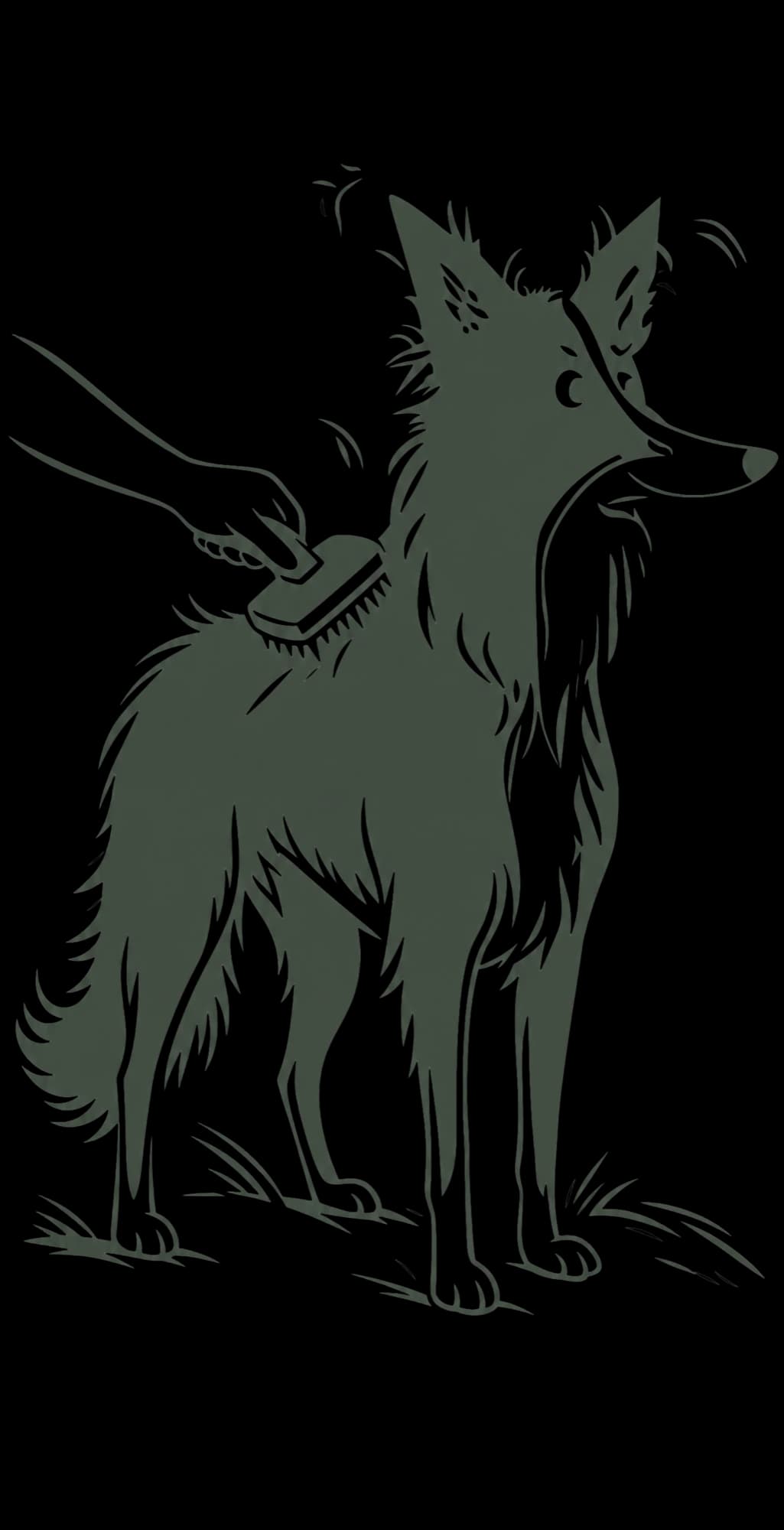
Brush the curly, low-shedding coat several times a week, and book a professional clip every four to six weeks to prevent matting. Regular grooming sessions are also a good opportunity to check teeth, ears and weight.
Similar breeds
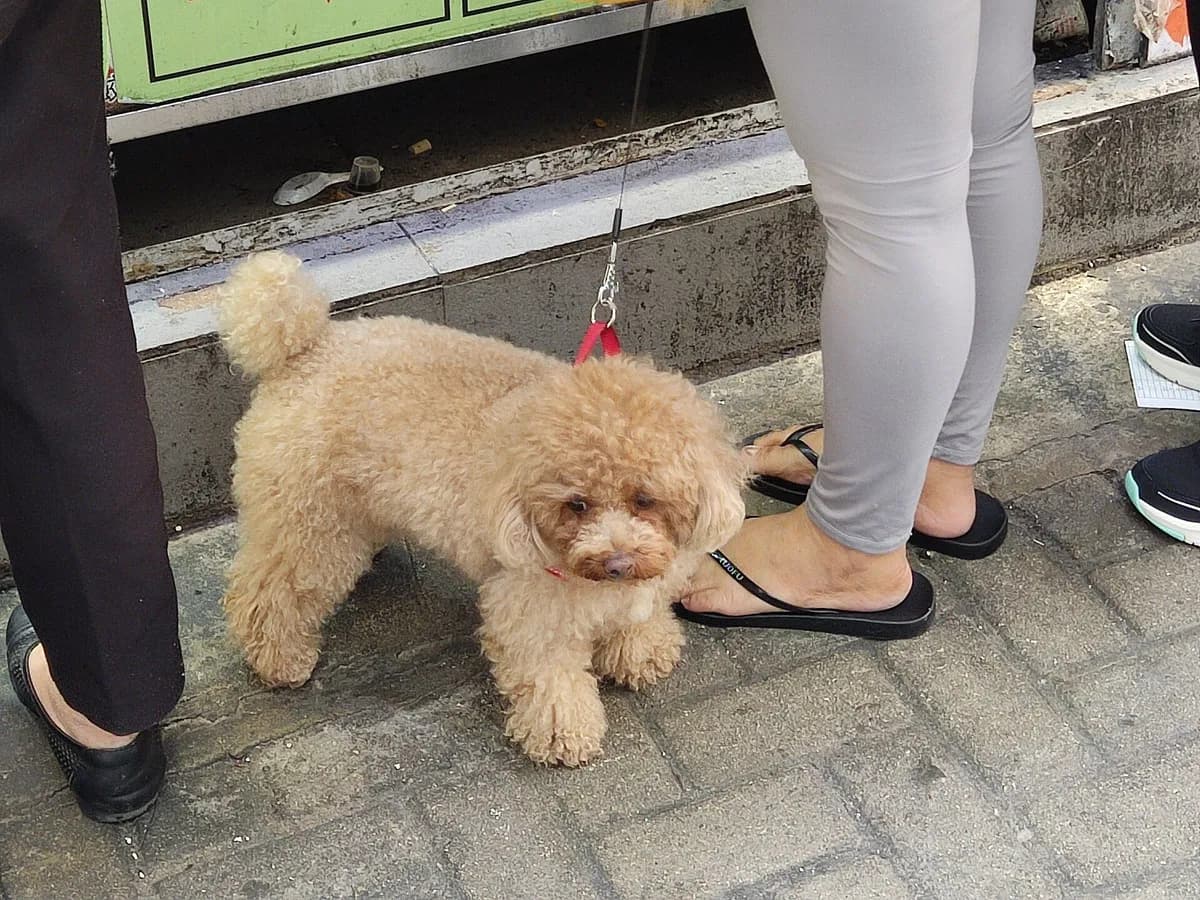
Photo: Shsingma Lainwia, CC BY-SA 4.0, via Wikimedia Commons