



Most important facts
- Group
- Pastoral
- Size
- Medium
- Weight
- 17–27 kg
- Lifespan
- 12–15 years
- Coat
- Long
- Energy
- High
- Height
- 42–55 cm
- Colours
- Grey, fawn, yellow or chestnut
- Shedding
- Light
- Est. feeding cost
- ~£1.08 a day
- Gear to consider
- Slicker brush and detangling comb, treat pouch for reward-based training, secure well-fitted harness
Typical dry food, adult
About the Portuguese Sheepdog
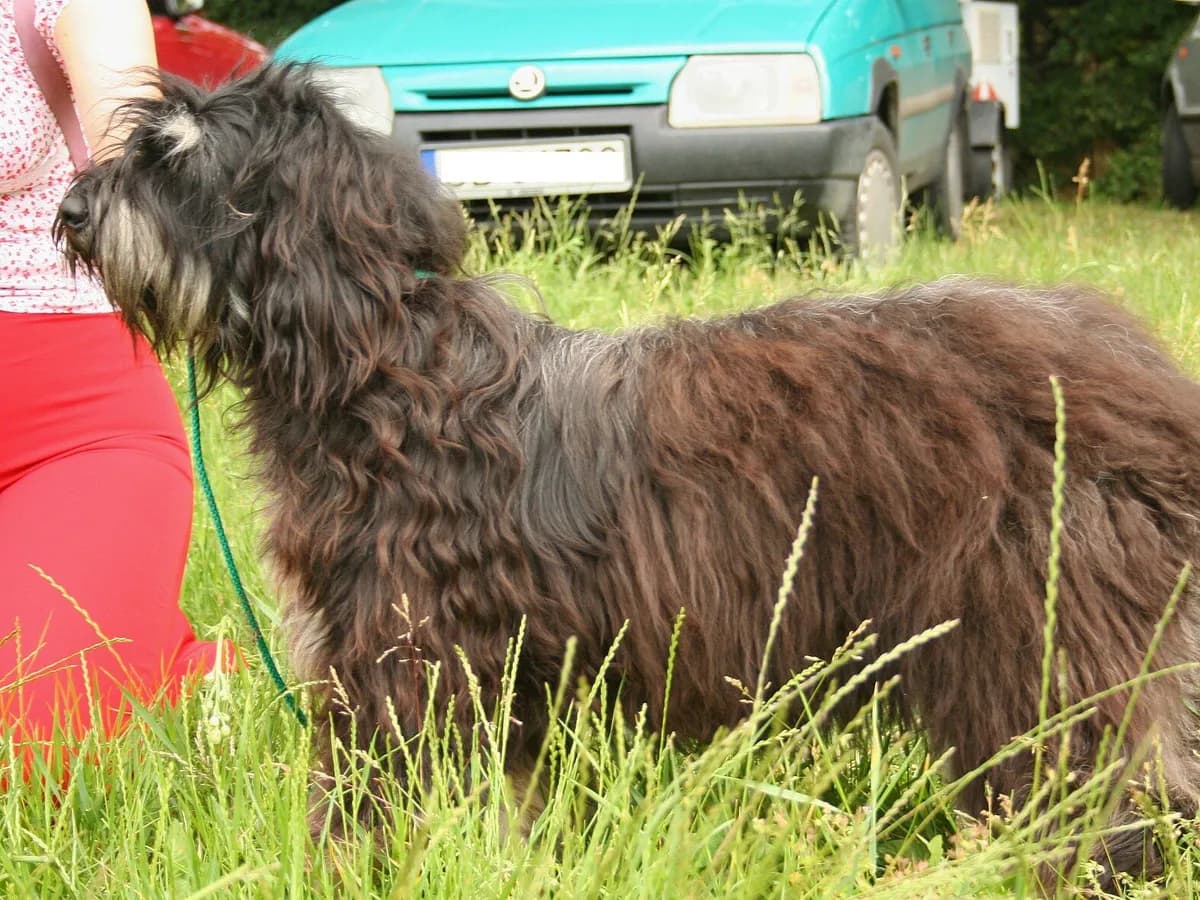
The Portuguese Sheepdog herded flocks across the southern plains of Portugal for generations, where its shaggy face and lively wit earned it the local nickname of the monkey dog. The breed came close to disappearing in the 1970s as traditional shepherding declined, before Portuguese enthusiasts rebuilt it. It remains well loved at home and a genuine rarity in Britain.
Exceptionally intelligent and full of energy, the Portuguese Sheepdog was bred to think for itself while managing flocks across rough terrain. That independence shows in a dog that is quick to learn but also quick to test boundaries. It's deeply devoted to its family and can be wary of strangers, making early socialisation important alongside reward-based training.
This is not a breed that settles happily into long stretches alone. It bonds closely with its household and does best with a predictable daily routine, including regular exercise and feeding times. With familiar children it's typically affectionate and playful, though its herding instinct can show as nipping at heels or chasing fast movement, so supervision around younger children is worthwhile.
Common health conditions
Things Portuguese Sheepdog owners commonly watch for. Guidance, not veterinary advice.
Hip dysplasia
The hip joint forms poorly and can bring stiffness and a limping gait. Keep this active breed lean and choose a diet with joint-supporting nutrients.
Progressive retinal atrophy (PRA)
This inherited condition takes sight away gradually. Choose breeders who health-test parents through BVA and Kennel Club eye schemes, and keep up regular vet checks.
Patellar luxation
Kneecaps can slip out of position, a risk that runs higher in agile, fast-moving breeds. Maintain a healthy body weight to reduce the load on the joint.
Ear infections
Long, dropped ears and a hairy face can trap moisture and debris. Check the ears routinely and dry them after wet walks.
Feeding a Portuguese Sheepdog
As a working herding breed built for sustained activity, the Portuguese Sheepdog does well on good-quality animal protein for lean muscle and steady-release energy. A rich, high-fat formula leads to weight gain when exercise dips. Set portions against the dog's actual size and activity, since a dog doing structured training needs noticeably more than one living quietly.
Given this breed's tendency towards hip dysplasia and patellar luxation, a diet including glucosamine, chondroitin or omega-3 fatty acids helps support joints through growth and into adulthood. Those same omega oils benefit the distinctive long, undercoat-free coat. This is a food-motivated breed, so count training treats within the daily allowance to avoid gradual weight creep.
Every dog is different — weight, age and activity all shift what a Portuguese Sheepdog needs. The turns these breed tendencies into a shortlist matched to your dog’s age, size, budget and needs.
Typical adult weight
17–27 kg
Est. daily calories
700–1,490 kcal
A broad guide for an average-activity adult in good body condition — not veterinary advice. Real needs vary with age, neutering, activity, health and body condition, so no two Portuguese Sheepdogs eat exactly the same. Get a personalised estimate or estimate feeding costs.


- Per day
- ~£1.08
- Per month
- ~£33
- Per year
- ~£395
A broad typical monthly budget guide, not a live price quote. Food format, calorie density, pack size and retailer pricing all change the real cost.
Find the right food for your Portuguese Sheepdog
Foods ranked to your dog
Answer a few quick questions and the Food Finder ranks foods to your Portuguese Sheepdog by score, price, life stage and fit.
Breed at a glance
- Exercise needs8/10
- Appetite6/10
- Trainability8/10
- Good with children6/10
- Shedding2/10
- Tolerates being alone3/10
The good & the worth-knowing
The good
- Highly intelligent and eager to work with its owner
- Low-shedding coat that some allergy sufferers find easier to live with
- Devoted, loyal companion and a naturally alert watchdog

Worth knowing
- Can be wary of strangers if not well socialised early
- Needs a good amount of daily exercise plus mental stimulation to stay content
- Long coat needs regular brushing to prevent matting and tangles
Best matched accessories
All accessoriesThe collections that suit the breed, judged by the same independent standard.




Common owner questions
How much exercise does a Portuguese Sheepdog need?
Plan for at least an hour a day, varied across walks, recall practice and games that use its herding brain, such as scentwork. Without this, the breed can become bored and vocal or destructive.
Is the Portuguese Sheepdog hypoallergenic?
No dog is truly hypoallergenic, but this breed's long coat has no undercoat and sheds comparatively little, which some allergy sufferers tolerate better. Regular brushing helps manage loose hair and any dander it carries.
How much should I feed a Portuguese Sheepdog?
Feed to the dog in front of you rather than a fixed amount. Use the food's guidelines as a starting point, then adjust to body condition and how active the dog actually is. Our Food Finder can help match a formula to your dog's life stage and energy needs.
Are Portuguese Sheepdogs prone to weight gain?
They're generally a lean, active breed, but their intelligence and food motivation mean training treats can add up quickly. Keep an eye on body condition and factor treats into the day's total allowance.