

Most important facts
- Group
- Utility
- Size
- Small
- Weight
- 6.8–11 kg
- Lifespan
- 12–15 years
- Coat
- Short
- Energy
- Moderate
- Height
- 34–40 cm
- Colours
- Red, sesame, black and tan or white
- Shedding
- Heavy
- Est. feeding cost
- ~£0.62 a day
- Gear to consider
- Slow-feeder or puzzle bowl, secure no-pull harness, undercoat deshedding brush
Typical dry food, adult
About the Japanese Shiba Inu
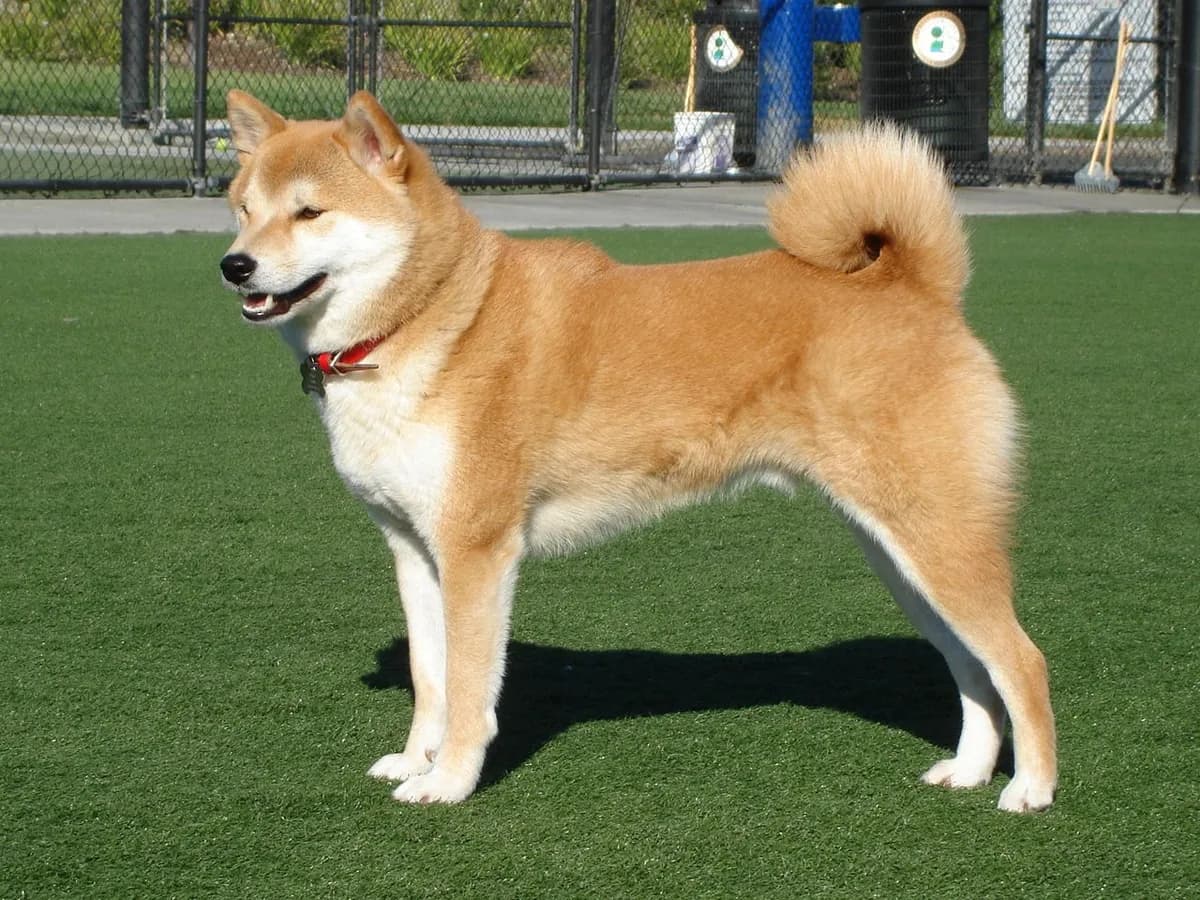
The Shiba Inu is Japan's oldest and smallest native breed, kept for centuries to flush birds and small game in mountainous terrain. It came close to disappearing in the 1940s through wartime hardship and distemper outbreaks, and the modern breed was rebuilt from three surviving regional bloodlines. Declared a natural monument of Japan in 1936, it has since become the country's most popular companion breed and a worldwide favourite.
The Shiba Inu is bold and determinedly independent, often described as behaving more like a cat than a dog. They are deeply loyal to their family but can be aloof with strangers, and their strong prey drive means secure boundaries and reliable recall are essential off-lead. They keep themselves notably clean and rarely carry much doggy odour.
Highly intelligent but equally strong-willed, Shibas can be a challenge to train and are known for the distinctive high-pitched Shiba scream when frustrated or overstimulated. Positive, reward-based training and food-motivated puzzle feeders channel their intelligence and independence constructively.
Common health conditions
Things Japanese Shiba Inu owners commonly watch for. Guidance, not veterinary advice.
Patellar luxation
Slipping kneecaps turn up often in small, compact breeds. Keep the Shiba lean through accurate portioning to take pressure off the joint.
Hip dysplasia
Screening is recommended before breeding. Feed a joint-support diet and keep growth steady and controlled through puppyhood.
Glaucoma
The breed is genetically predisposed to this painful eye condition. Keep up regular vet checks and treat any eye changes promptly.
Dental disease
Shibas are prone to tartar build-up. Use dental-care kibble textures and appropriate chews to support the teeth and gums.
Feeding a Japanese Shiba Inu
Shiba Inus are a small, energy-efficient breed, so it's easy to overfeed relative to their true needs. A calorie-controlled, nutrient-dense small-breed food fed in measured portions keeps them at a healthy weight and protects joints prone to patellar luxation and hip dysplasia, while moderate, good-quality protein supports their lean, athletic build. Treats used in training should come out of the daily ration, as this compact frame shows extra weight quickly.
Many Shibas are selective, independent eaters, and the breed's tendency towards skin and dental sensitivities means ingredient quality counts. A smaller kibble suited to their jaw, alongside recipes formulated for skin and coat health, helps manage both fussiness and any underlying sensitivities. Two measured meals a day suit most adults.
Every dog is different — weight, age and activity all shift what a Japanese Shiba Inu needs. The turns these breed tendencies into a shortlist matched to your dog’s age, size, budget and needs.
Typical adult weight
6.8–11 kg
Est. daily calories
350–680 kcal
A broad guide for an average-activity adult in good body condition — not veterinary advice. Real needs vary with age, neutering, activity, health and body condition, so no two Japanese Shiba Inus eat exactly the same. Get a personalised estimate or estimate feeding costs.
- Per day
- ~£0.62
- Per month
- ~£19
- Per year
- ~£227
A broad typical monthly budget guide, not a live price quote. Food format, calorie density, pack size and retailer pricing all change the real cost.
Find the right food for your Japanese Shiba Inu
Foods ranked to your dog
Answer a few quick questions and the Food Finder ranks foods to your Japanese Shiba Inu by score, price, life stage and fit.
Breed at a glance
- Exercise needs6/10
- Appetite4/10
- Trainability4/10
- Good with children5/10
- Shedding8/10
- Tolerates being alone6/10
The good & the worth-knowing
The good
- Low day-to-day grooming effort thanks to a naturally clean, self-grooming nature
- Compact size and moderate exercise needs suit a range of home types
- Alert, loyal and devoted to their family once bonded
Worth knowing
- Independent and strong-willed, so training takes patience and consistency
- Sheds heavily twice a year despite a short coat, needing intensive brushing during the blow
- Strong prey drive and a distinctive, loud vocalisation can catch new owners off guard
Best matched accessories
All accessoriesThe collections that suit the breed, judged by the same independent standard.

Common owner questions
Are Shiba Inus fussy eaters?
Many owners report their Shiba can be selective about food, which fits the breed's independent character. Stick to a consistent, high-quality diet and avoid treat-based bargaining, and our Food Finder can suggest recipes suited to choosier eaters.
How much should I feed a Shiba Inu?
As a small, efficient breed, Shibas gain weight quickly if overfed. Feed to body condition rather than by eye, following pack guidelines as a starting point and adjusting for activity and neuter status.
Do Shiba Inus shed a lot despite their short coat?
Yes. The double coat is shed heavily twice a year when blowing coat, requiring daily brushing during those periods, even though day-to-day grooming needs are otherwise low.
Are Shiba Inus good with children?
They can do well in families with older, respectful children, but their independent, sometimes aloof nature makes them less tolerant of rough handling than some breeds. Early socialisation and supervised time together matter.
Similar breeds
Photo: Takashiba at English Wikipedia, Public domain, via Wikimedia Commons