




Most important facts
- Group
- Toy
- Size
- Toy
- Weight
- 3.5–4.5 kg
- Lifespan
- 12–14 years
- Coat
- Long, straight
- Energy
- Moderate
- Height
- 23–26 cm
- Colours
- Blue and tan
- Shedding
- Light
- Est. feeding cost
- ~£0.36 a day
- Gear to consider
- Slow-feeder bowl, soft-bristle grooming brush, well-fitted harness
Typical dry food, adult
About the Australian Silky Terrier
The Australian Silky Terrier was created in Sydney around the turn of the twentieth century, crossing Yorkshire Terriers with the native Australian Terrier. The aim was a fine, flowing coat in blue and tan on a slightly sturdier frame. It was bred as a companion from the start, but with enough working terrier in the pedigree to take rodent control seriously. The result is a lapdog with opinions.
The Silky is bright and alert, quick to respond, and a true terrier in character. The toy classification does not change that: expect an instinct for chasing small movement and a readiness to bark at anything unfamiliar. They are affectionate with their own household and face the world with confidence, not nerves.
This is a clever, food-motivated breed that trains well when meals and treats are used as consistent rewards, which makes feeding time a daily training opportunity as well. Left alone too long or under-occupied, they turn vocal, so mental engagement matters as much as walks.
Common health conditions
Things Australian Silky Terrier owners commonly watch for. Guidance, not veterinary advice.
Patellar luxation
A kneecap that slips out of place is common in small terriers. Keep a Silky lean through accurately measured meals to reduce the strain.
Dental disease
Small jaws crowd the teeth and tartar builds quickly. A dental-friendly kibble texture alongside regular brushing slows it down.
Tracheal sensitivity
Some have a delicate windpipe, so use a well-fitted harness rather than a collar and keep weight in check to ease the airway.
Portosystemic (liver) shunt
An inherited blood vessel abnormality seen in the breed. Buy from health-tested lines and follow any prescribed liver diet precisely.
Weight gain and diabetes risk
Weight piles on fast on a tiny frame, so portion control and counted treats matter more here than in most breeds.
Feeding a Australian Silky Terrier
A Silky's daily allowance is small in absolute terms, so every gram counts, and kitchen scales beat the scoop for stopping the slow weight creep this breed is prone to. A small-breed kibble sized for little jaws encourages proper chewing, which helps the crowded, tartar-prone teeth. Two small meals a day suit most adults.
These are food-motivated little dogs that will happily overeat, so training treats come out of the daily ration rather than on top of it. Because slipping kneecaps and a delicate windpipe are both aggravated by extra weight, a visible waistline is the most protective thing an owner can maintain.
Every dog is different — weight, age and activity all shift what a Australian Silky Terrier needs. The turns these breed tendencies into a shortlist matched to your dog’s age, size, budget and needs.
Typical adult weight
3.5–4.5 kg
Est. daily calories
210–350 kcal
A broad guide for an average-activity adult in good body condition — not veterinary advice. Real needs vary with age, neutering, activity, health and body condition, so no two Australian Silky Terriers eat exactly the same. Get a personalised estimate or estimate feeding costs.


- Per day
- ~£0.36
- Per month
- ~£11
- Per year
- ~£131
A broad typical monthly budget guide, not a live price quote. Food format, calorie density, pack size and retailer pricing all change the real cost.
Find the right food for your Australian Silky Terrier
Foods ranked to your dog
Answer a few quick questions and the Food Finder ranks foods to your Australian Silky Terrier by score, price, life stage and fit.
Breed at a glance
- Exercise needs5/10
- Appetite7/10
- Trainability6/10
- Good with children5/10
- Shedding2/10
- Tolerates being alone3/10
The good & the worth-knowing
The good
- An affectionate, lively companion
- A low-shedding coat
- Alert and quick to train

Worth knowing
- Gains weight quickly without portion discipline
- The long coat needs regular brushing
- Vocal, with a strong prey drive
Best matched accessories
All accessoriesThe collections that suit the breed, judged by the same independent standard.

Common owner questions
How much should I feed my Australian Silky Terrier?
Start from the guideline for their weight, then adjust to their waistline, with ribs easily felt but not seen. Use scales and not a scoop, because at this size even a little overfeeding shows quickly. Check their waistline monthly.
Is the Australian Silky Terrier a good family dog?
Affectionate and lively with their own family, and generally good with older children who handle a small dog gently. Rough play or accidental knocks can injure a dog this size, so supervise the young ones. They repay gentle handling with lifelong devotion.
Do Silky Terriers need a special diet?
No single diet is required, but a small-breed recipe with dental benefits and controlled calories suits the breed's tartar and weight tendencies. The Food Finder can match a food to your dog's needs at their age and weight.
How much grooming does an Australian Silky Terrier need?
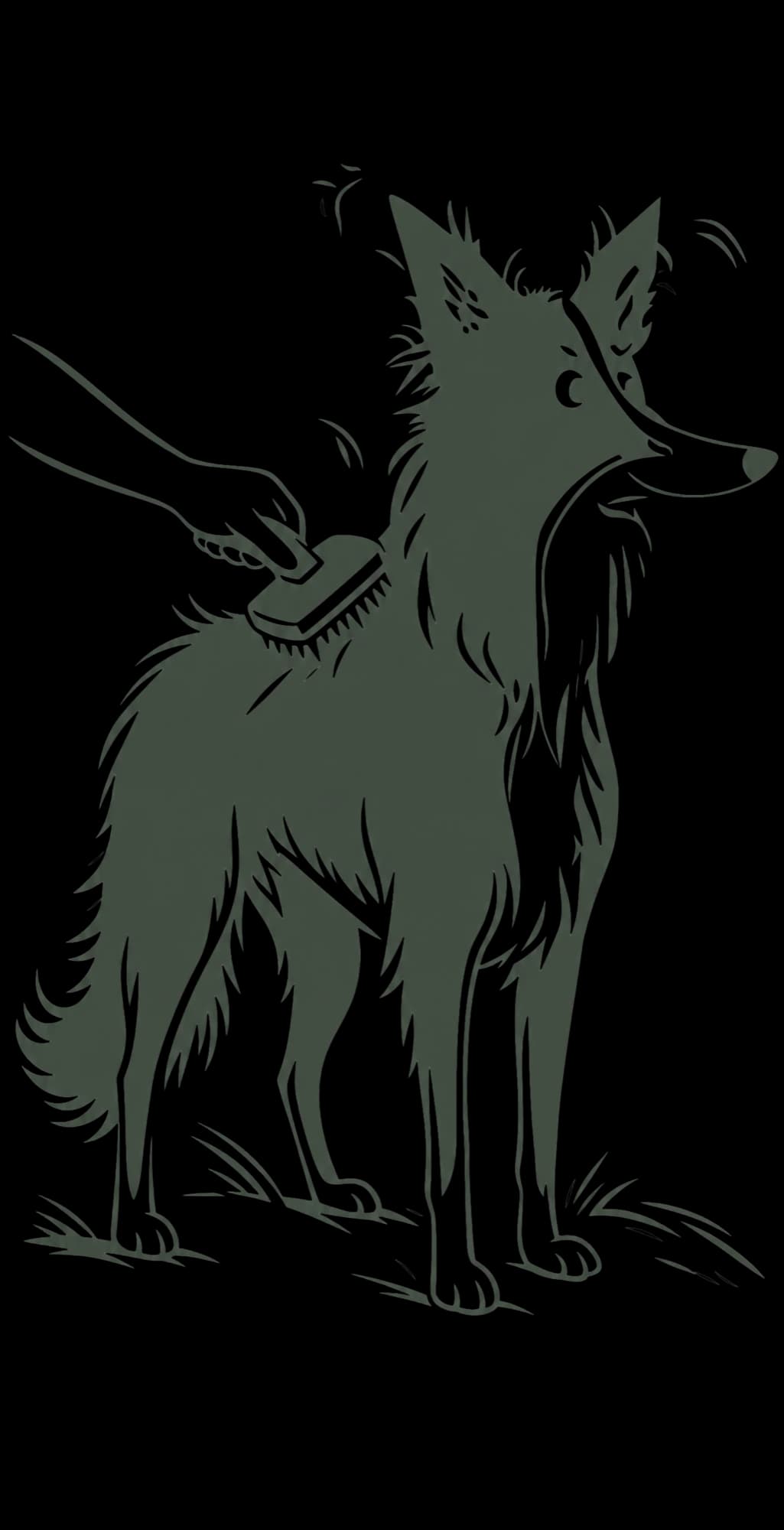
Brushing several times a week keeps the long, fine coat free of tangles, with a trim every few months. A diet with decent protein and fatty acids supports the coat from the inside.