



86/100Outstanding
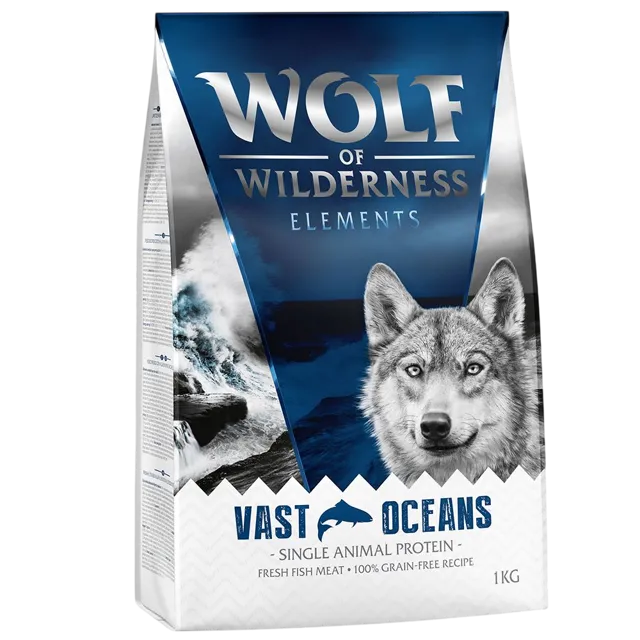
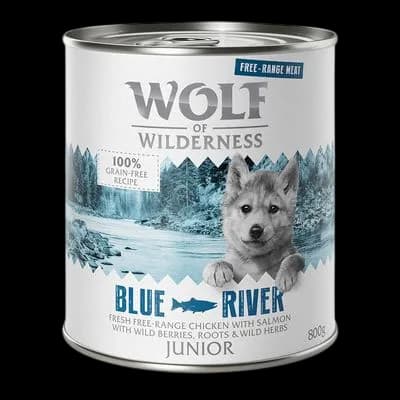
Wolf Of Wilderness
One wild setting and one animal per bag, and all four recipes sit in our Good band. Fresh meat leads every label at 40%, with a dried form of the same animal directly behind it. Potato binds the biscuit where most kibbles would use cereal.
Written by our editorial team. Independent guidance, not veterinary advice.
Listed for adults and seniors of every size. The label's chart is written for a low-activity dog, so a busier dog will want a little more than it prints.
Dry
Adult, Senior
Toy, Small, Medium, Large, Giant
Herring
All four Good. Typical dry food: Good.
Four close scores: Vast Oceans and Rough Storms edge the set, and the low carbohydrate is what the whole range is buying.
Vitamins A, D3, E, C and the B group, with copper, iron, manganese and iodine as sulphates or iodate, zinc partly as a glycine chelate at 60mg, and selenium as sodium selenite.
Named ingredients
An easy first choice for a dog off land meats, or one whose weight needs watching.
Every recipe opens with one fresh animal at 40% and the same animal dried directly behind it: lamb, beef, duck or herring. The dried entry is what survives the oven. Potato flakes and potato starch bind all four in place of cereal, with peas in two, and the protein hydrolysate is declared as yeast, so it hides no unnamed animal.
Salmon oil runs through all four, from 0.6% to 3.6%, so none is fish free. Dried beet pulp carries the fibre, with lignocellulose behind it in three. Carbohydrate converts to between 40.2% and 44.4% of dry matter, every recipe under the 46.2% typical of adult dry.
28%
12%
3%
8.2%
8%
30.4%
13%
3.3%
8.9%
44.4%
Estimated breakdown of the finished product by ingredient category, from the declared ingredient list and ingoing weights. These are estimates, not measurements.
56.4%
35.2%
1.1%
4.5%
2.9%
About 230 grams a day for a 15kg adult, a little more than its siblings because it is lighter, at 86p.
A premium for what the analysis shows, on a recipe that names every animal it uses.
Ingredients and nutrition are taken from manufacturer data. Retailer pricing is not yet live for this food.
Ranked shortlists that include foods like this one.

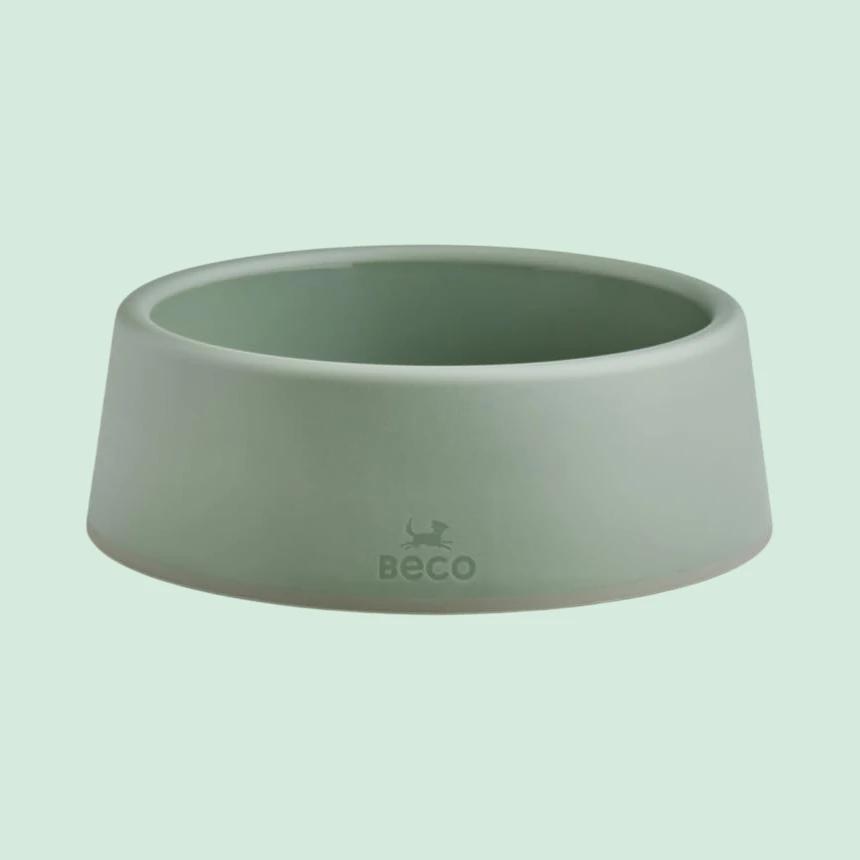
Beco
A recycled plastic dog bowl with a wide weighted base that stays where you put it.
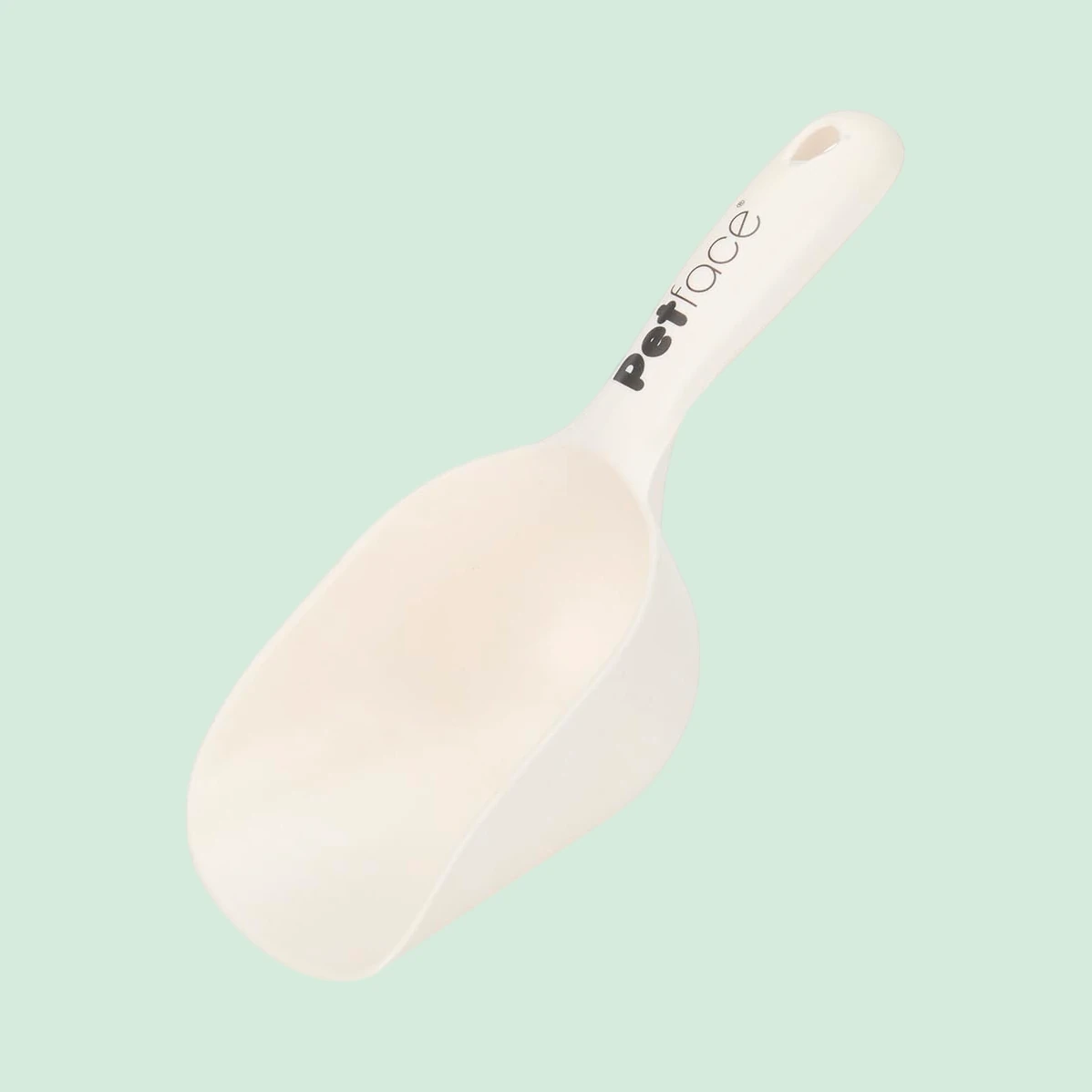
Petface
A light plastic food scoop that makes measuring kibble a daily habit.
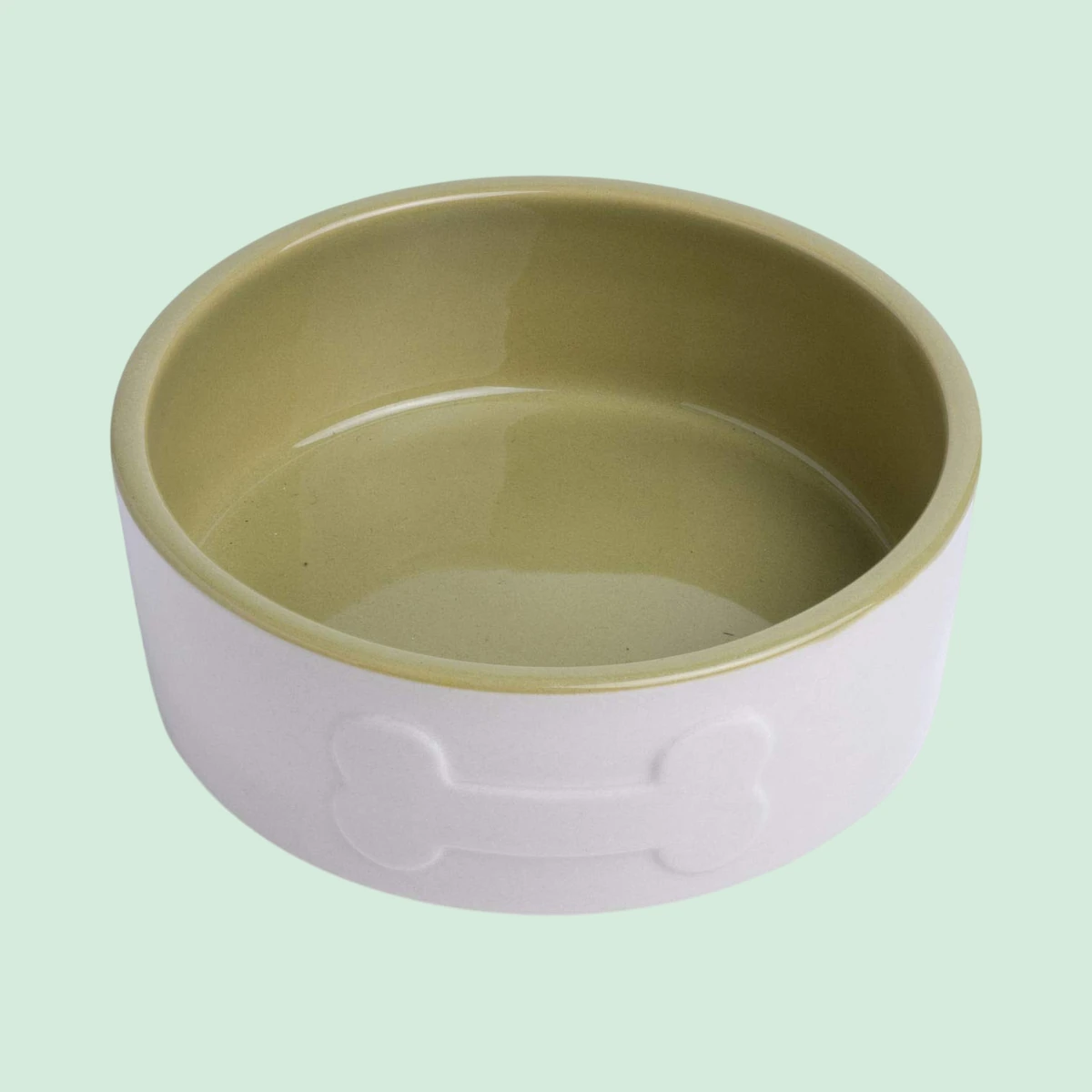
Petface
A 15cm ceramic dog bowl in cream and green, sized for toy and small breeds.
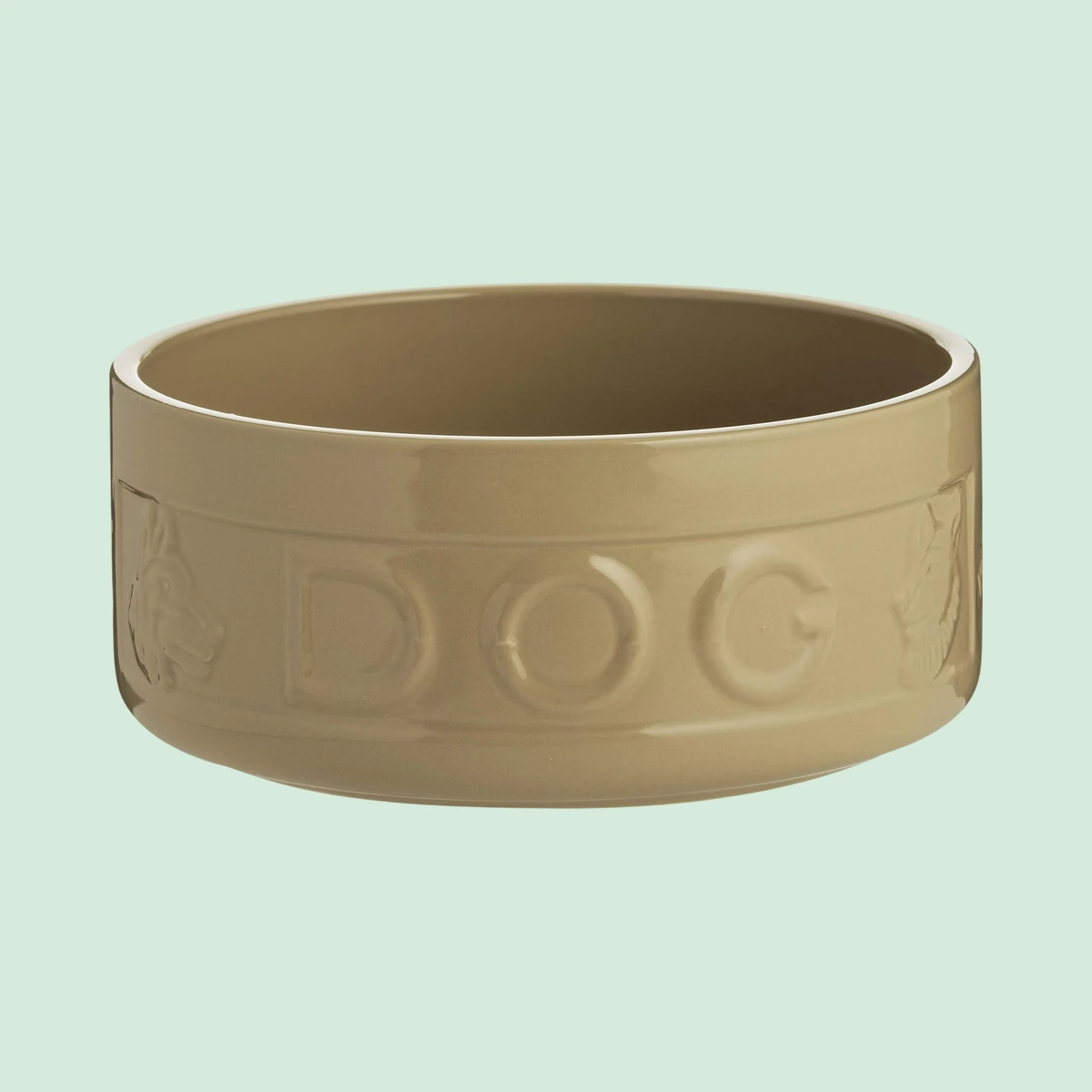
Mason Cash
The Derbyshire stoneware classic, a 20cm dog bowl holding 1.6 litres and dishwasher safe.