


77/100Excellent
11 varieties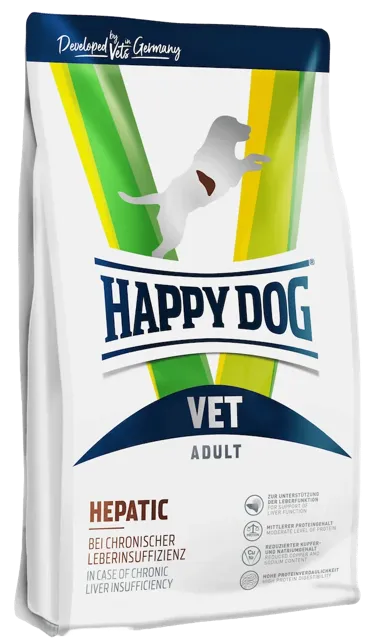
Happy Dog
We don't put a score on this food. It is a veterinary diet, formulated for a diagnosed condition and meant to be fed on a vet's advice. Your vet has seen your dog and we have not, so a number from us could only pull you towards their advice or away from it, and neither of those is ours to do. What follows is what the label declares, what the analysis works out at, and where to buy it, with no judgement attached to any of it.
Happy Dog sells these seven kibbles through its VET Diet line, each named for the condition the maker aims it at. The list runs from Adipositas and Hepatic through Intestinal, Renal and Struvite to Urinary Low Purine, for dogs already working to a vet's plan.
Flavour
Seven kibbles in Happy Dog's VET Diet line, each named for the condition the maker aims it at, from Adipositas to Urinary Low Purine. They are meant for dogs already on a vet's plan. What follows is what each label declares and what its analysis works out at.
Written by our editorial team. Independent guidance, not veterinary advice.
Listed for adults of every size, on a vet's advice. Which of the seven your dog needs is named at the consultation.
Dry
Adult
Toy, Small, Medium, Large, Giant
Chicken
Copper and manganese at 3 mg per kilo each, restrained beside the rest of the line, with taurine at 2000 mg and L-carnitine at 900 mg.
Copper is held low, a recognised feature of diets built for the liver. How that applies to your dog is the vet's reading.
Named ingredients
The additive panel is where this one differs most from the rest.
Six of the seven follow one house pattern: a cereal or potato base, poultry fat as the added fat, dried carrots, potassium and sodium chloride, then a fine tail of botanicals. Hydrolysed liver is on all seven, there to keep a therapeutic kibble worth eating. Urinary Low Purine sits apart, with no meat at all.
Species naming varies: some print chicken or salmon, others poultry protein or meat meal. None declares moisture and the bags print no calorie figure, so dry matter and energy here are estimates. The vitamin and trace element panels are itemised variety by variety.
Estimated using Modified Atwater factors*
19.5%
14%
2.5%
4%
21.2%
15.2%
2.7%
4.3%
56.6%
Estimated breakdown of the finished product by ingredient category, from the declared ingredient list and ingoing weights. These are estimates, not measurements.
13.7%
68%
3.7%
12%
2.6%
Ingredients and nutrition are taken from manufacturer data. Retailer pricing is not yet live for this food.
Ranked shortlists that include foods like this one.
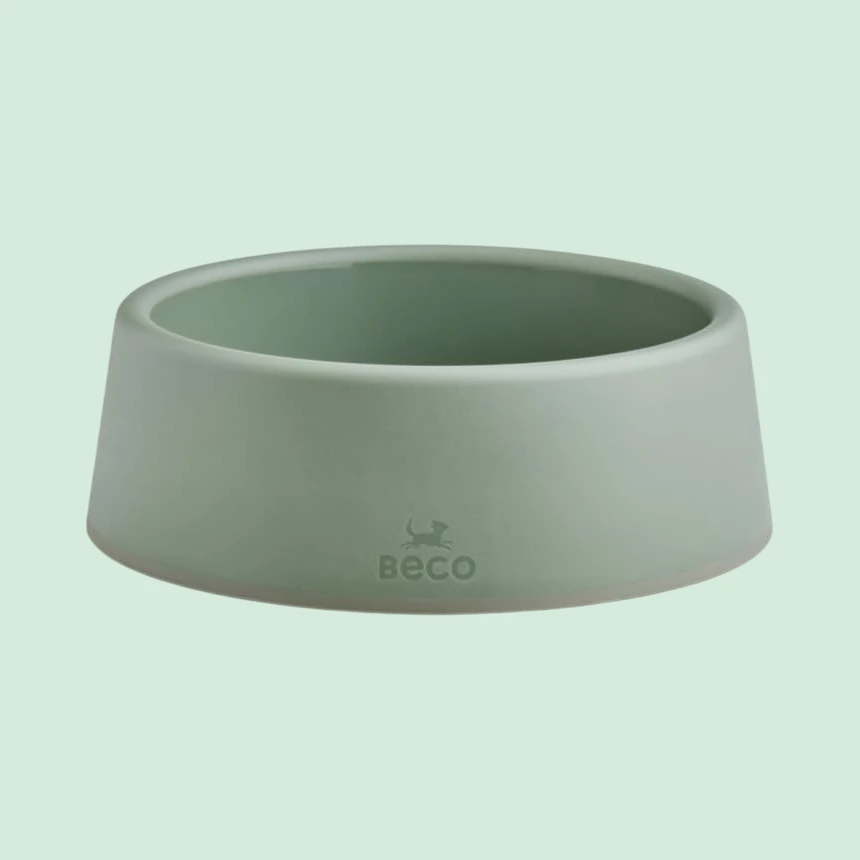
Beco
A recycled plastic dog bowl with a wide weighted base that stays where you put it.
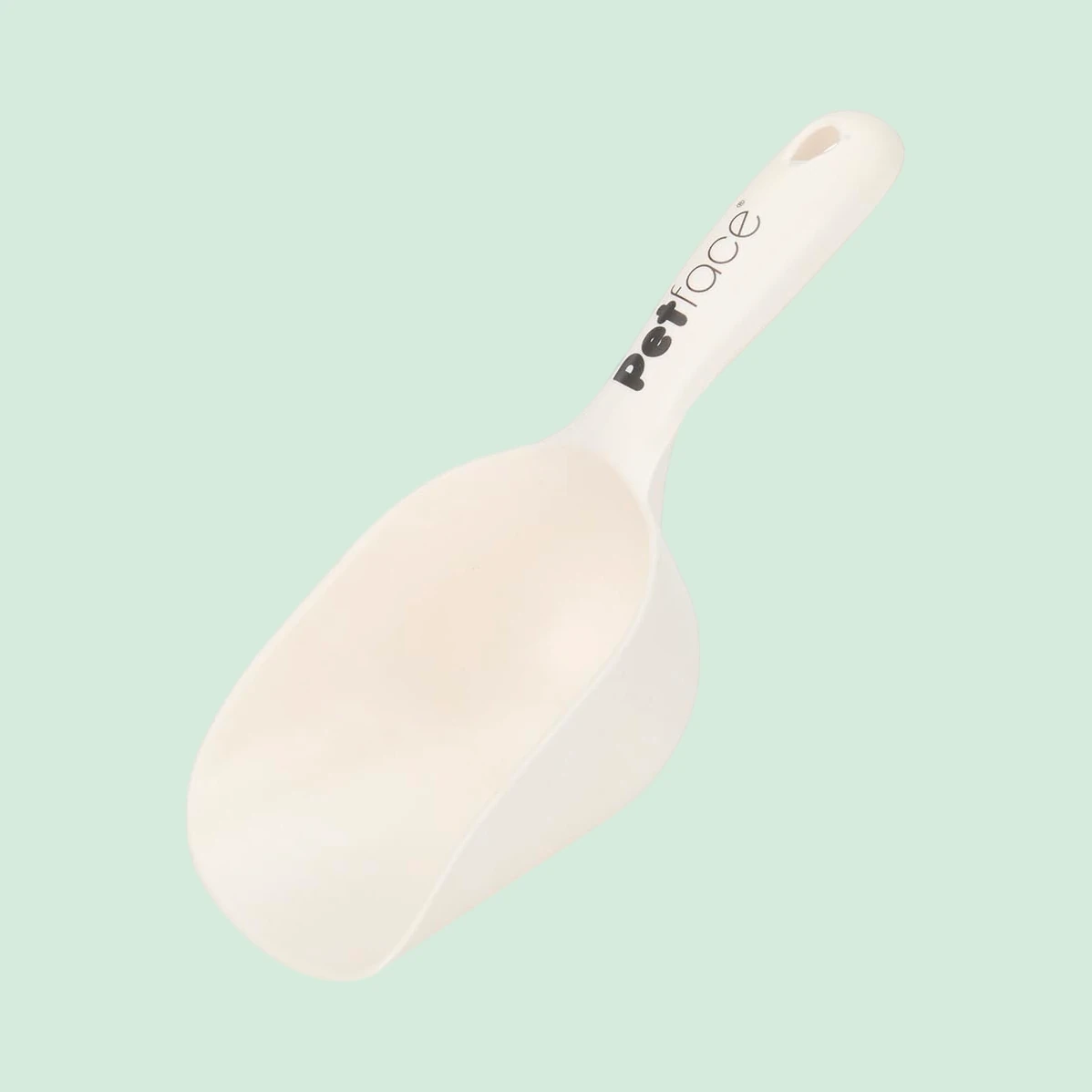
Petface
A light plastic food scoop that makes measuring kibble a daily habit.
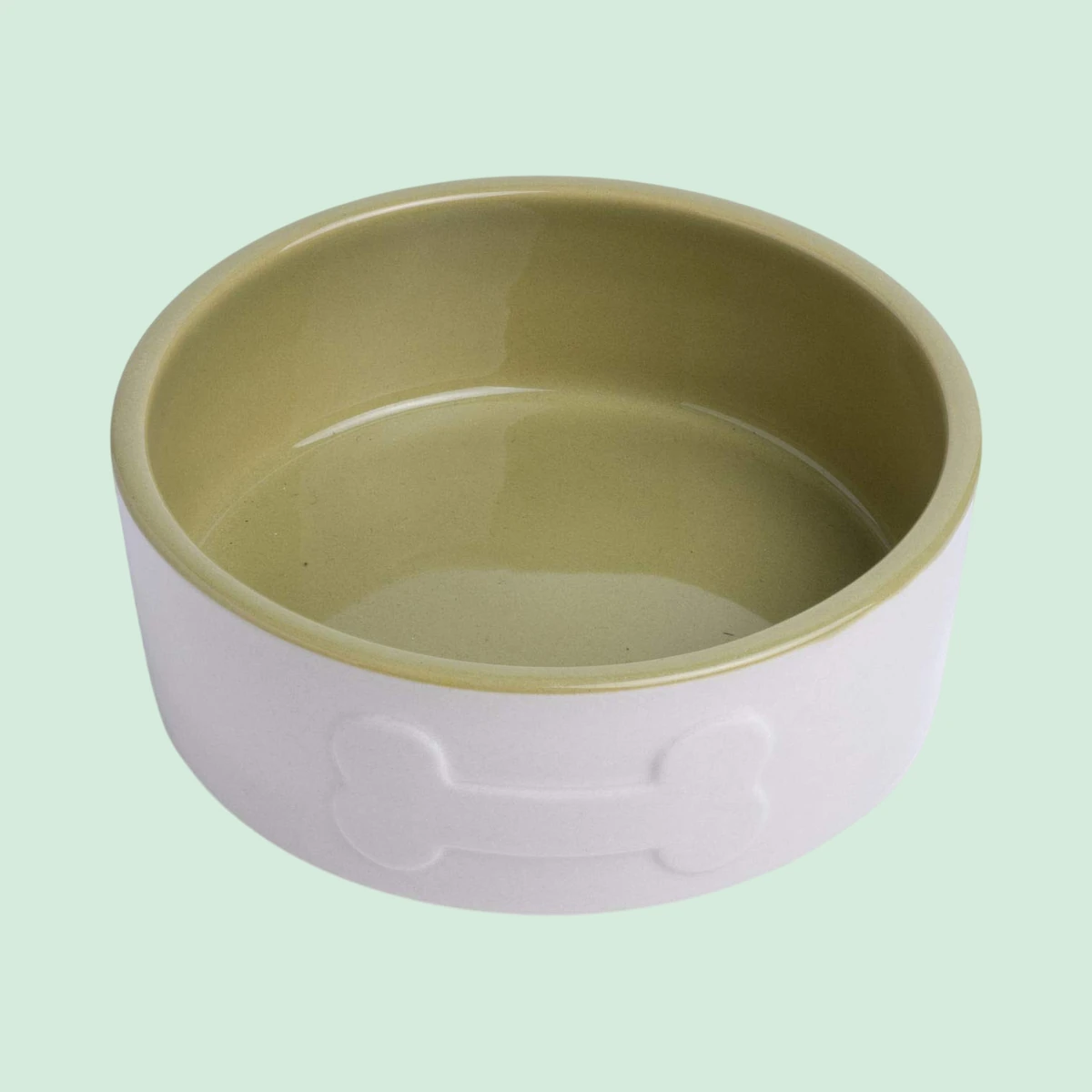
Petface
A 15cm ceramic dog bowl in cream and green, sized for toy and small breeds.
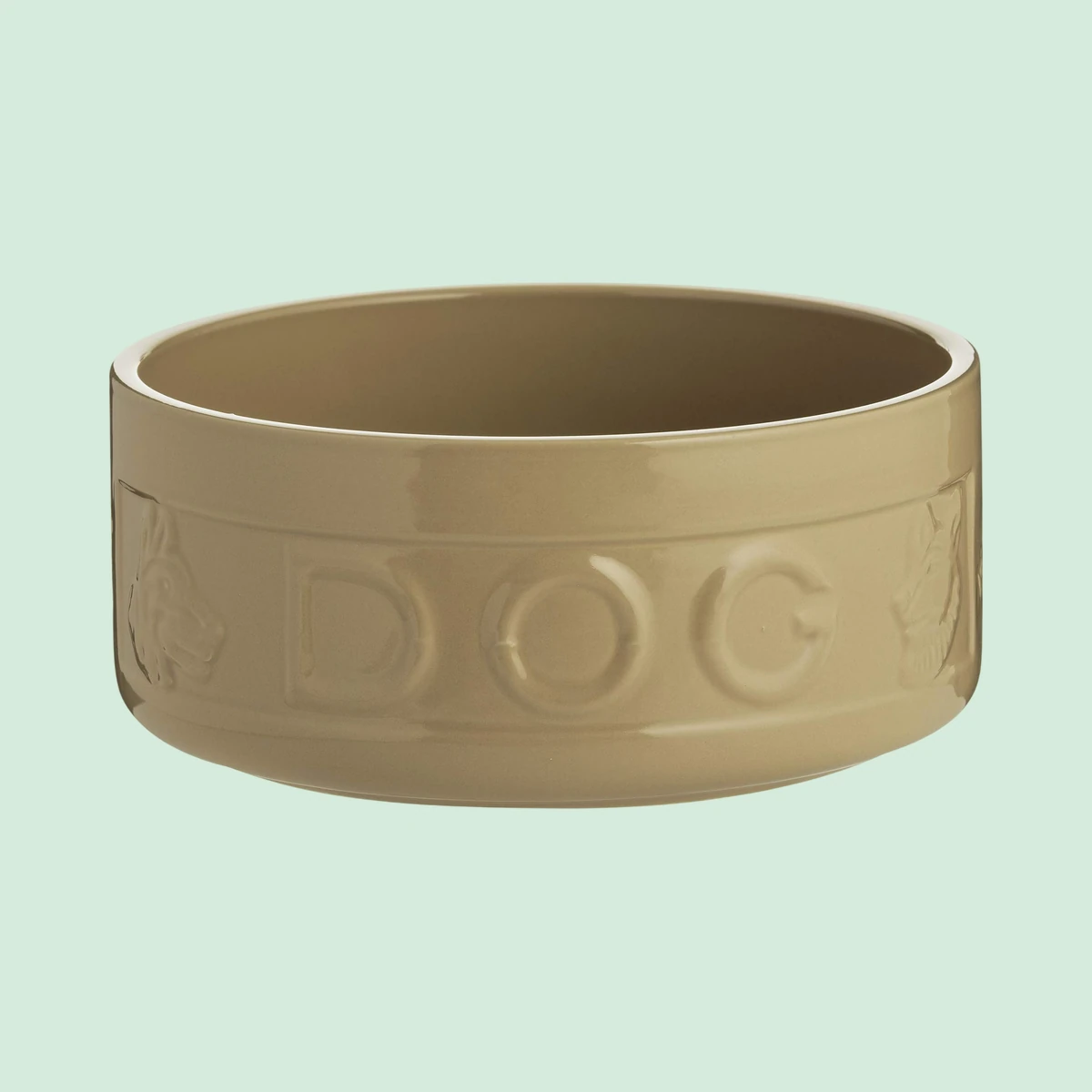
Mason Cash
The Derbyshire stoneware classic, a 20cm dog bowl holding 1.6 litres and dishwasher safe.