



72/100Excellent
Gentle
Gentle Tinned: Pheasant with Carrots review
77.4/100Excellent
WetAdult
Four single-animal tins, all in our Excellent band, and few wet labels are this open about what goes in. The animal share is itemised down to the hearts, lungs and stomachs, so you can see a whole-animal recipe for what it is. Venison reaches 93% of its tin.
Where to buy: coming soon
Live retailer links are coming soon. Once we have them from UK retailers, where to buy and the best price will appear here.
Our view
Likely to suit
- Dogs on one animal only. Nothing else of animal origin is on any of the four lists
- Owners who read past the headline percentage
- Dogs that have worked through the usual meats: goat, pheasant and venison are all here
- Cereal-free homes, with millet in the duck tin and nowhere else
- Dogs that eat better when dinner smells unfamiliar
Worth watching
- Goat at 50% meat, with fresh potatoes at 25% and carrots at 22% making up the difference
- Millet at 3% in the duck tin, the one to skip for a dog that must stay off grain
- A light goat tin at an estimated 68 kcal per 100g, so a bigger dog needs a lot of it
Written by our editorial team. Independent guidance, not veterinary advice.
How this scores
How we score77.4/100Excellent
Protein and processingExcellent
Nutritional balanceOutstanding
TransparencyOutstanding
ValueExcellent
The details
Dog fit
Listed for adults of every size. Daily amounts swing widely between tins, so check the table for the one you buy and portion to your dog's waistline.
Food type
Wet
Life stage
Adult
Breed size
Toy, Small, Medium, Large, Giant
Main protein
Pheasant
The score, in context
- Duck 79.6
- Goat 78.1
- Pheasant 77.4
- Venison 77.0
All four Excellent. Typical wet food: Excellent.
All four hold our Excellent band in a strong category, the goat getting there on the lightest meat share in the range.
What's in it
- Pheasant meat: muscle meat, stomachs, hearts, necks and wing bones84%60% muscle meat, 17% stomachs, 16% hearts and 7% necks and wing bones.
- Fresh carrots9%
- Buckwheat, amaranth2% eachSeeds, not cereal grains, so the tin stays grain free.
- Prunes2%
- Added vitamins and minerals1%
Vitamin D3 and E with zinc, manganese, copper and potassium iodide, each dosed per kilo; no added vitamin A.
Named ingredients
Pheasant Meat (84%) (consisting of : 60% muscle meat, 17% stomachs, 16% hearts, 7% necks/wing bones), Fresh Carrots (9%), Buckwheat (2%), Amaranth (2%), Prunes (2%), Added vitamins and minerals (1%)
Against the range
- Meat
- 84% pheasant
- Second only to the venison.
- Carbohydrate, dry matter
- 22.9%
- Highest of the four; duck is 15.6%.
- Hearts
- 16% of the meat
- The largest heart share in the range.
A game bird tin for a dog bored of chicken, heavy on heart.
Each tin names one animal and breaks it into its parts: muscle meat, organs and necks, each with a percentage. The animal share runs from 50% in the goat to 93% in the venison, and the rest is fresh vegetables, a little fruit and a seed or grain.
Millet in the duck tin is the only true cereal; buckwheat and amaranth are seeds. The added panel is identical on all four and every entry is dosed, with no added vitamin A.
Nutritional analysis
Declared analysis
Energy
104.3 kcal/100g
Estimated using Modified Atwater factors*
Protein
9.5%
Fat
6.1%
Fibre
0.6%
Ash
2.3%
Moisture
76%
Dry weight
Protein
39.6%
Fat
25.4%
Fibre
2.5%
Ash
9.6%
Carbs
22.9%
As-fed composition
Estimated breakdown of the finished product by ingredient category, from the declared ingredient list and ingoing weights. These are estimates, not measurements.
Meat
84%
Carbs
2%
Veg
9%
Other
5%
Pricing & size
- Price per kilo
- £8.13 (RRP)
- Pack
- 400 g tin, six-pack 400 g x 6
- A 15kg dog eats
- 845 to 1120 g a day, 985 in the middle
- Cost per day, 15kg dog
- £8.01
Premium end of the market for a wet food, and fair value for the quality in the tin.
Ingredients and nutrition are taken from manufacturer data. Retailer pricing is not yet live for this food.
Related dog food guides
Ranked shortlists that include foods like this one.
Related foods
All reviewsFeatured feeding accessories
All feeding accessories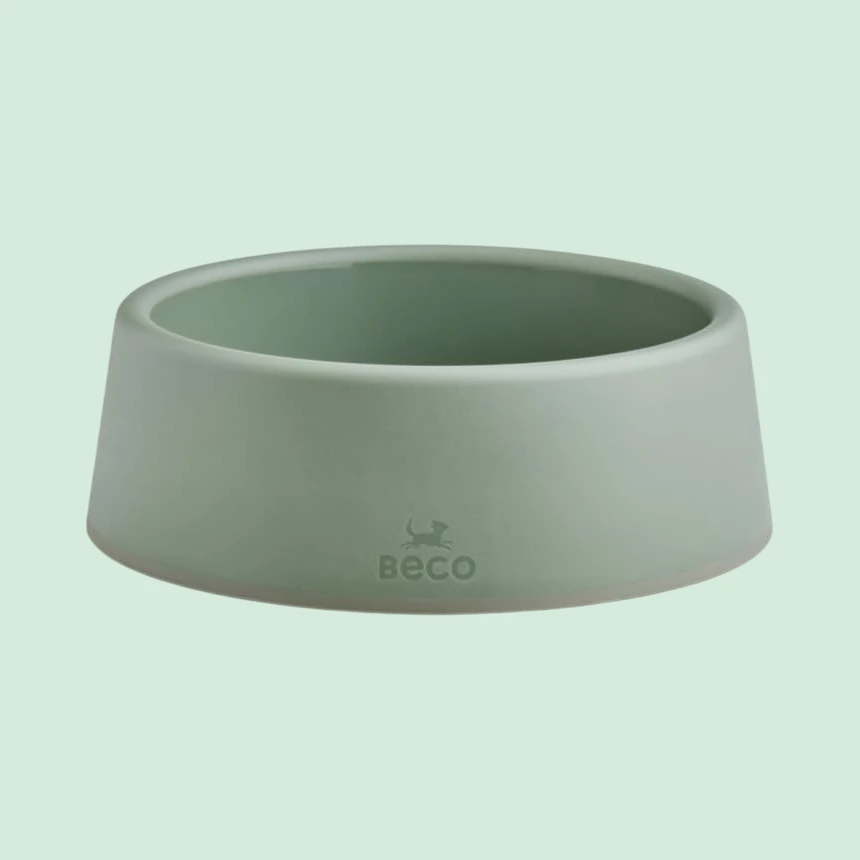
Beco
Steady Bowl
A recycled plastic dog bowl with a wide weighted base that stays where you put it.
£
View on Amazon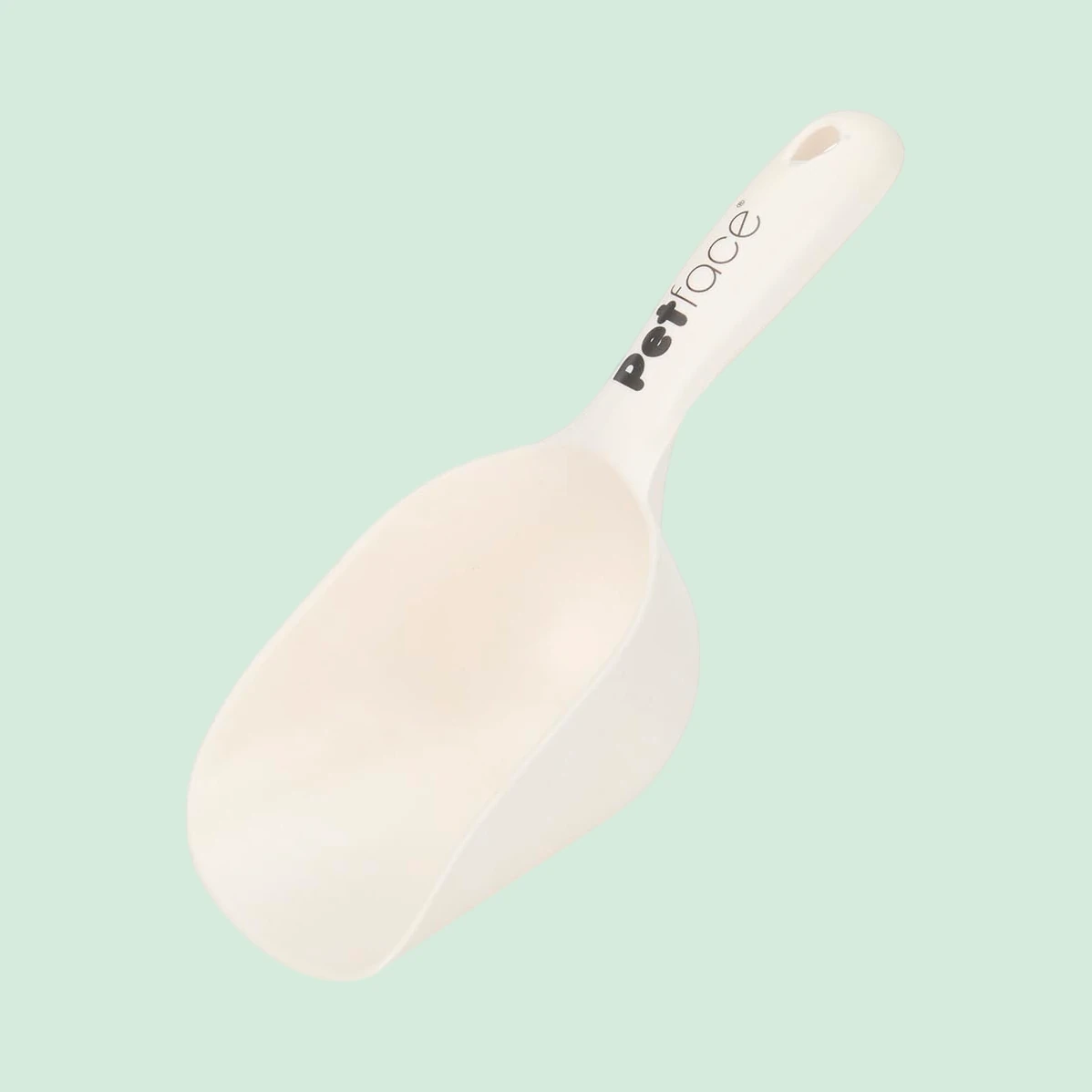
Petface
Pet Food Scoop
A light plastic food scoop that makes measuring kibble a daily habit.
£
View on Amazon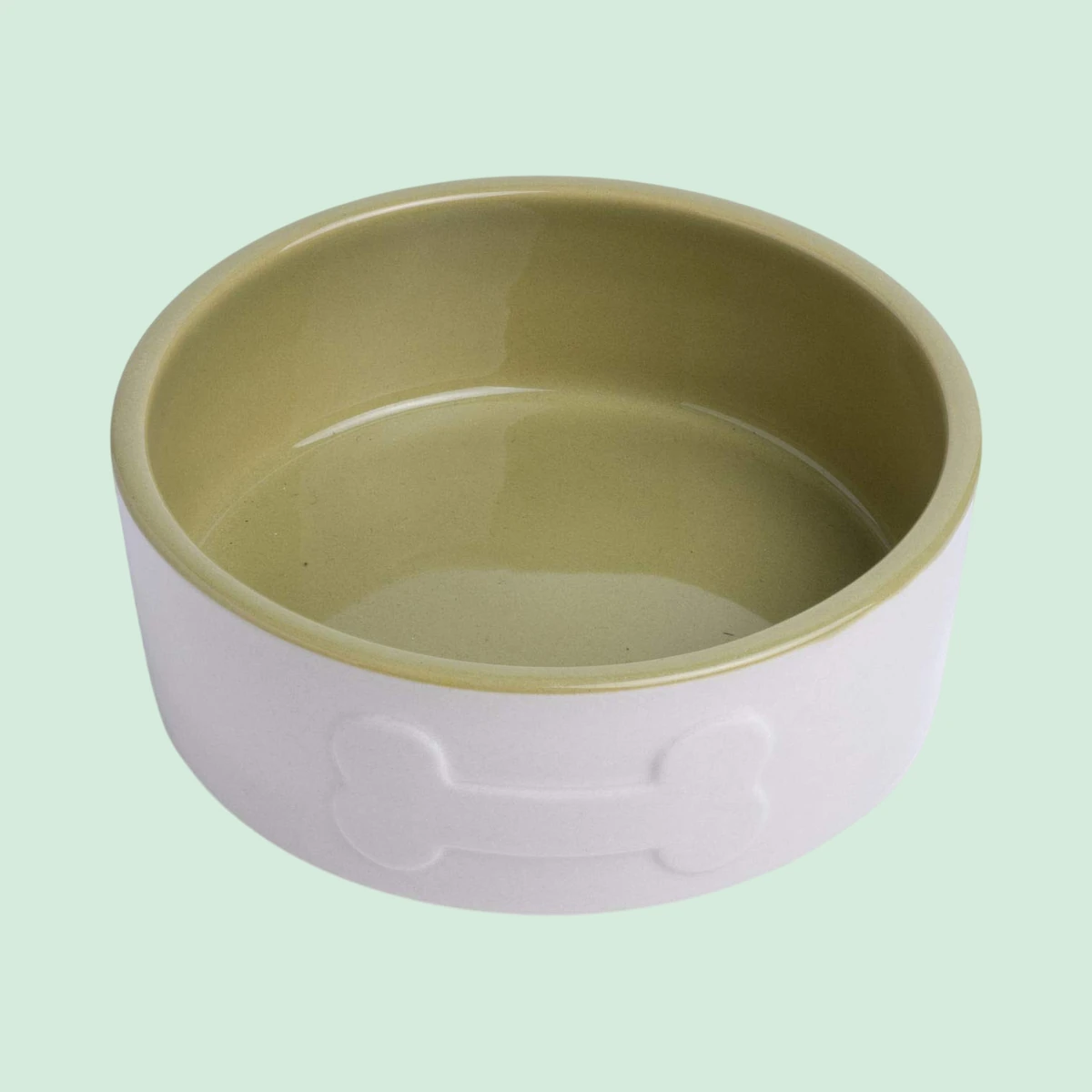
Petface
Ceramic Bone Bowl, 15cm
A 15cm ceramic dog bowl in cream and green, sized for toy and small breeds.
£
View on Amazon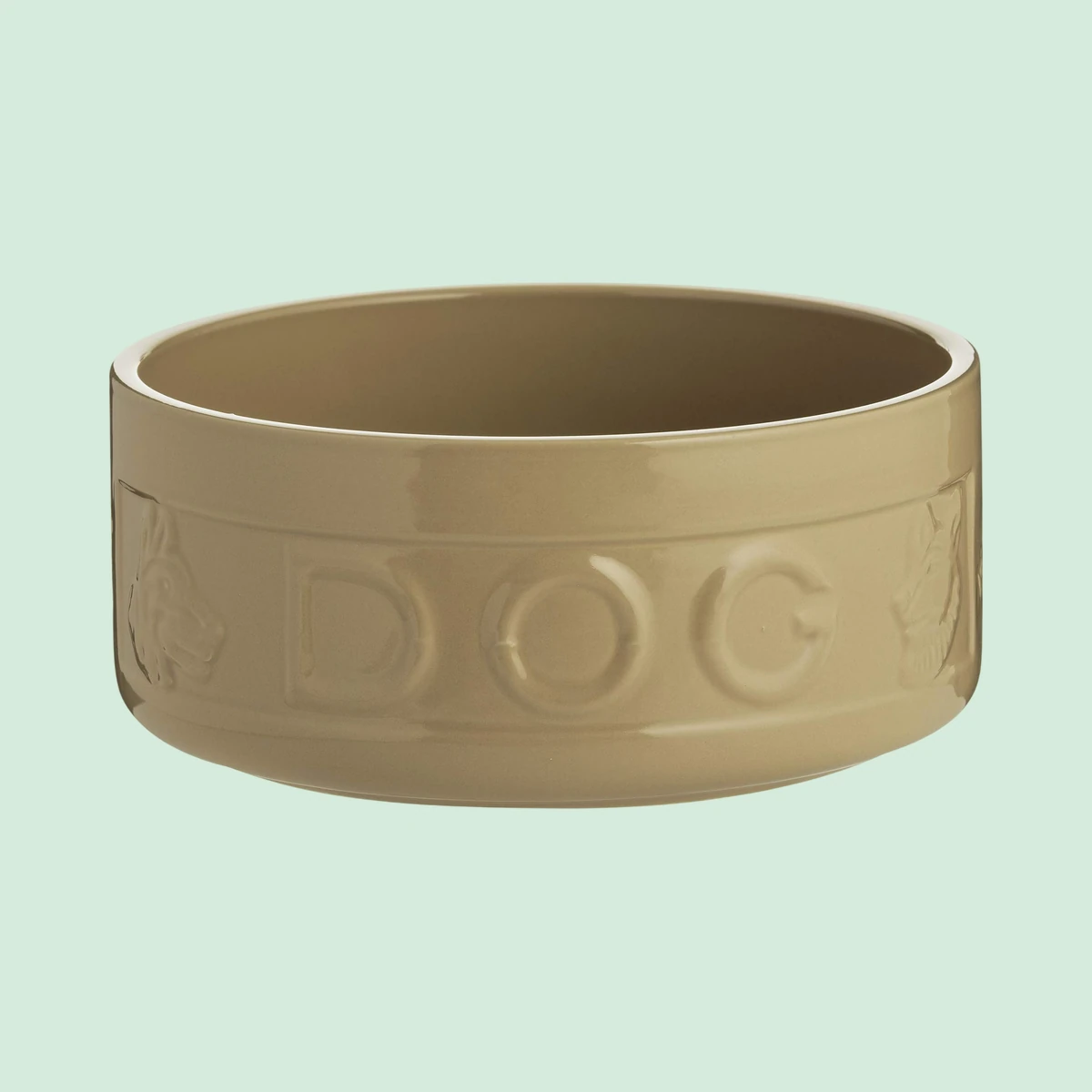
Mason Cash
Cane Dog Bowl, 20cm
The Derbyshire stoneware classic, a 20cm dog bowl holding 1.6 litres and dishwasher safe.
££
View on Amazon