


Skip to content
Off the Leash
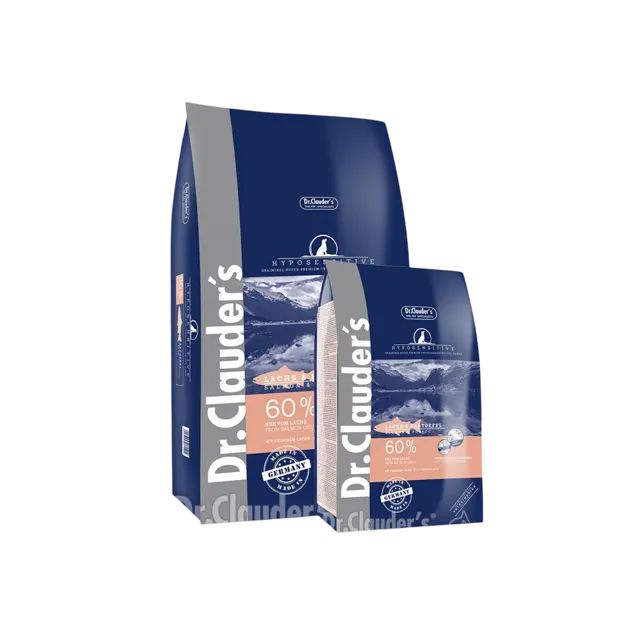
Dr Clauders Hyposensitive – Salmon & Potato

Dr Clauders

Dr Clauders Hyposensitive: Salmon & Potato review

48.7/100Average
DryAdult

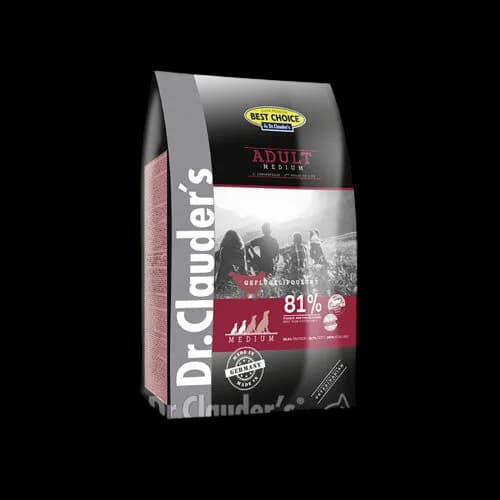
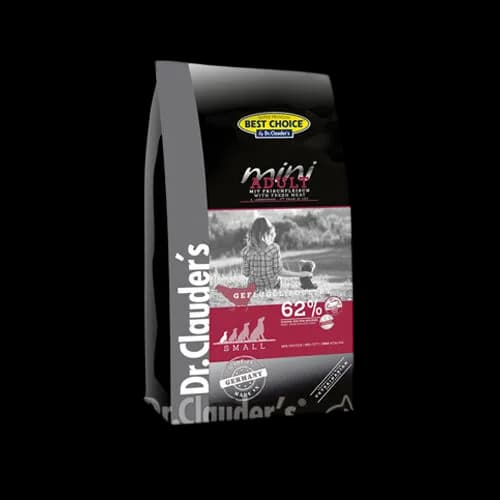
Five kibbles built the way exclusion diets are: one named animal, one starch and as little else as possible. Potato leads every label. The mini duck and the herring reach our Good band and the other three sit just below in Average, where a potato-led kibble tends to land.

Where to buy: coming soon
Live retailer links are coming soon. Once we have them from UK retailers, where to buy and the best price will appear here.

Our view

Likely to suit

  • Dogs mid exclusion diet, one headline animal per recipe
  • Less common proteins, venison and herring among them
  • Dogs that struggle with cereal, potato doing all the starch work
  • A gut-focused kibble, chicory inulin on every label
  • Small dogs, the duck also coming as a mini kibble

Worth watching

  • Poultry fat, chicken fat or fish oil behind the headline meat on four of the five
  • Carbohydrate at 52.4% to 57.0% of dry matter, mostly potato
  • No calorie figure printed; ours are estimates

Written by our editorial team. Independent guidance, not veterinary advice.

How this scores

How we score
48.7/100Average
Protein and processingAverage
Nutritional balanceAverage
TransparencyOutstanding
ValueAverage

The details

Dog fit

Listed for adults of every size, the venison for seniors too and the mini for small dogs. A 15kg dog gets through around 215 grams a day; for a strict trial, read the fat line on your chosen recipe first.

Food type

Dry

Life stage

Adult

Breed size

Toy, Small, Medium, Large, Giant

Main protein

Salmon

The score, in context
  1. Duck 52.1
  2. Herring 51.0
  3. Salmon 48.7
  4. Duck 48.5
  5. Venison 46.8

Five recipes across Good and Average. Typical dry food: Good.

Leaning on one starch is the price of a short list; judged as a tool for finding what a dog can eat, the range does its job, and the herring manages both.

What's in it
  • Potato meal56%The most potato-led recipe of the five.
  • Salmon meal20%
  • Dried beet pulp
  • Protein hydrolysateNot tied to a species.
  • Poultry fatAn unnamed bird in a fish recipe.
  • Linseed oil, safflower oil1% (safflower)The plant fats.
  • Chicory powder, Pro Digest Complex1%, 0.75%
  • Calcium carbonate, monocalcium phosphate, yeast

Vitamins and trace minerals declared dose by dose, selenium as sodium selenite.

Poultry fat brings a bird into a fish recipe.

Named ingredients

Potato meal (56%), salmon meal (20%), dried beet pulp, protein hydrolysate, poultry fat, linseed oil, safflower oil (1%), chicory powder (1%), Pro Digest Complex (papaya powder, fructo oligosaccharides, cranberry juice, pineapple powder,yeast beta glucans, hemp flour, spirulina powder) (0.75%), calcium carbonate, monocalcium phosphate, yeast (dried, incl. 0.05% glucans).
Against the range
Potato
56%
47% to 53% on most others.
Protein, dry matter
24.2%
The highest in the range; 22.8% to 23.1% elsewhere.
Fat source
Poultry fat, linseed and safflower oils
Fish oil on most others.

The most potato in the line, and the reason it settles a band lower.

The construction repeats: potato first, one named animal second, beet pulp for fibre, then a short tail of oils and gut ingredients. Chicory powder is on every label and the Pro Digest blend on four. Potato protein or dried peas top up the protein figure. Every label declares its vitamins and trace minerals dose by dose.

The fats are the catch. Poultry fat sits in the duck, the mini and the salmon, chicken fat in the venison and fish oil in most. That leaves the herring as the only recipe whose animal content stays in one family.

Nutritional analysis

Declared analysis

Energy
337 kcal/100g

Estimated using Modified Atwater factors*

Protein

22%

Fat

10%

Fibre

2.5%

Ash

6.5%

Moisture

9%

Dry weight

Protein

24.2%

Fat

11%

Fibre

2.7%

Ash

7.1%

Carbs

55%

As-fed composition

Estimated breakdown of the finished product by ingredient category, from the declared ingredient list and ingoing weights. These are estimates, not measurements.

Meat

20.8%

Carbs

67.4%

Veg

1%

Oils

5%

Other

5.8%

Pricing & size
Price per kilo
£5.71 (RRP)
Pack
3.5 kg, 11.5 kg
A 15kg dog eats (our estimate)
195 to 235 g a day, 215 in the middle
Cost per day, 15kg dog
£1.23

You pay more here than the analysis on its own would justify.

Ingredients and nutrition are taken from manufacturer data. Retailer pricing is not yet live for this food.

Related dog food guides

Ranked shortlists that include foods like this one.
All reviews

Featured feeding accessories

All feeding accessories
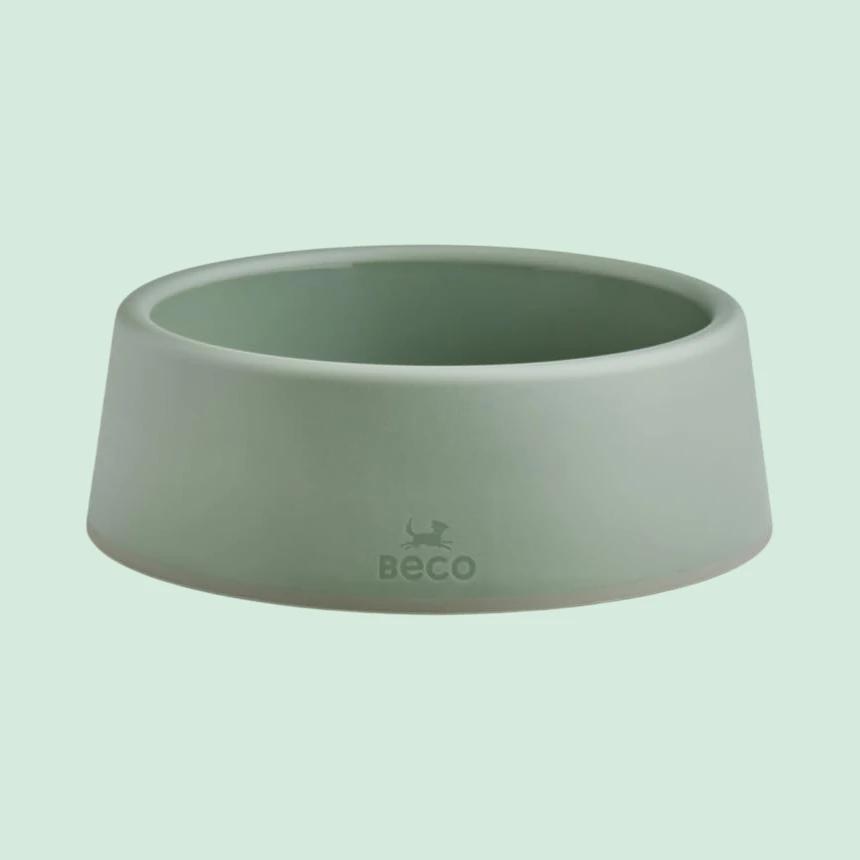
Beco Steady Bowl

Beco

Steady Bowl

A recycled plastic dog bowl with a wide weighted base that stays where you put it.
£
View on Amazon
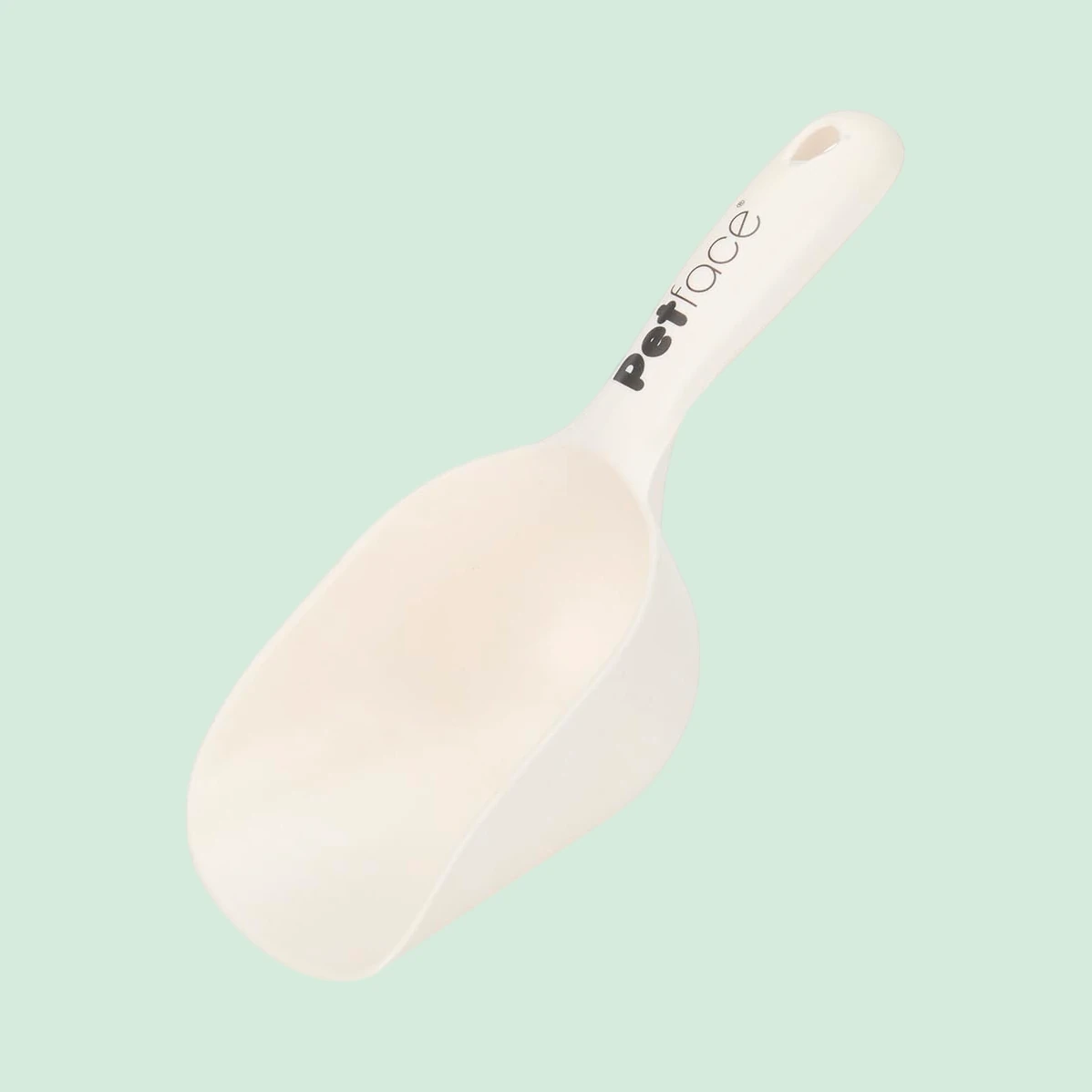
Petface Pet Food Scoop

Petface

Pet Food Scoop

A light plastic food scoop that makes measuring kibble a daily habit.
£
View on Amazon
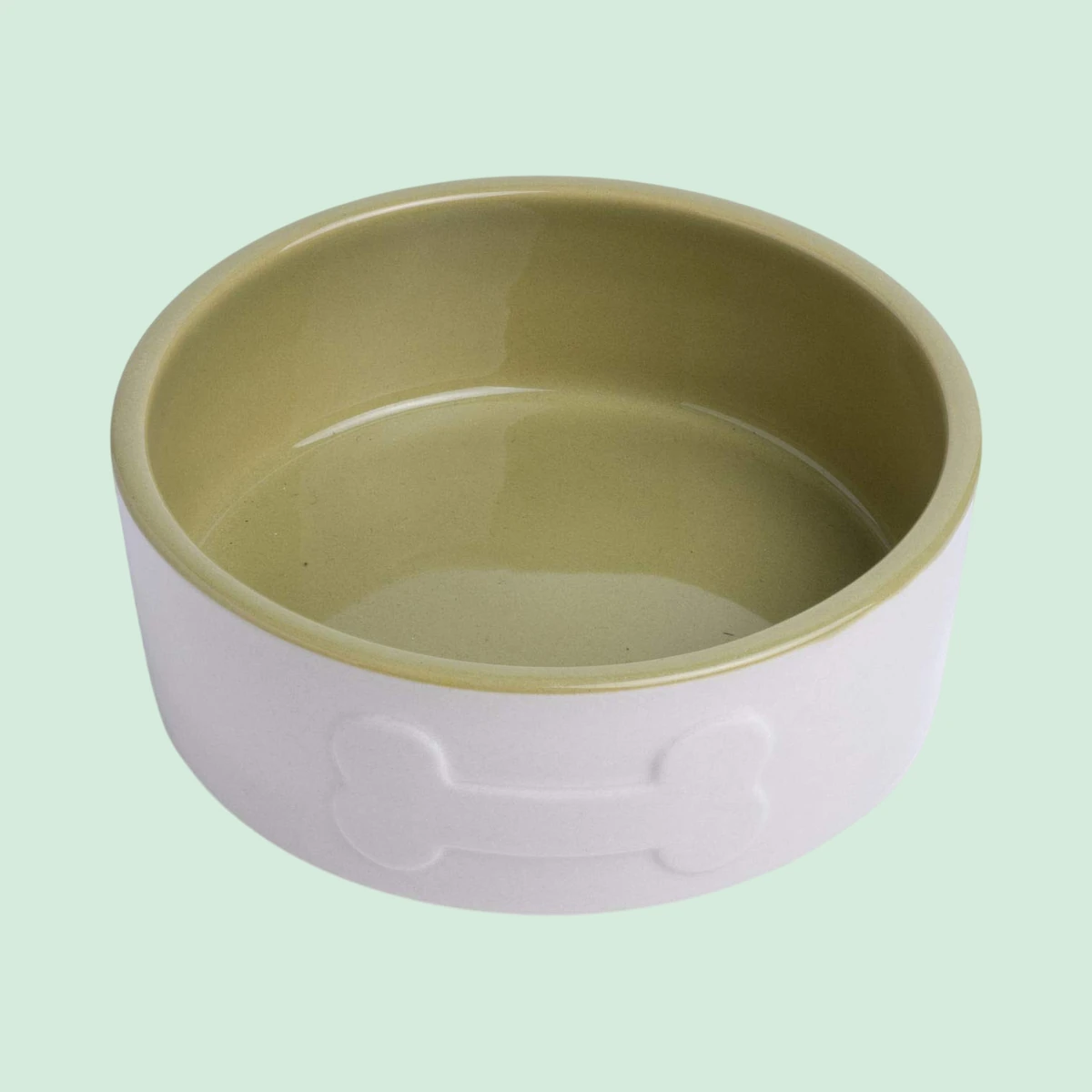
Petface Ceramic Bone Bowl, 15cm

Petface

Ceramic Bone Bowl, 15cm

A 15cm ceramic dog bowl in cream and green, sized for toy and small breeds.
£
View on Amazon
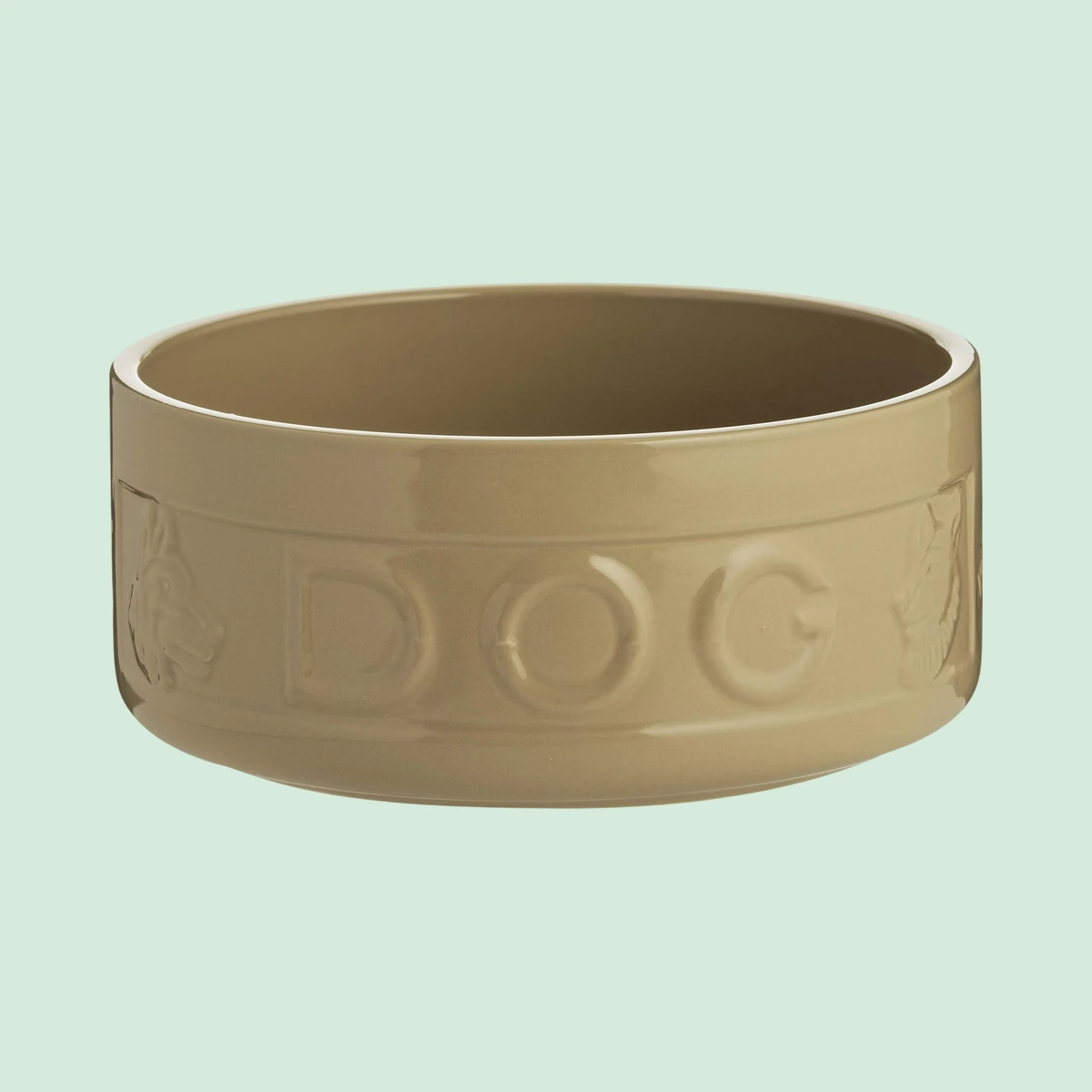
Mason Cash Cane Dog Bowl, 20cm

Mason Cash

Cane Dog Bowl, 20cm

The Derbyshire stoneware classic, a 20cm dog bowl holding 1.6 litres and dishwasher safe.

££
View on Amazon

Reviewed by Off the Leash Editorial

Last updated 28 August 2026