


71/100Excellent
Virbac
We don't put a score on this food. It is a veterinary diet, formulated for a diagnosed condition and meant to be fed on a vet's advice. Your vet has seen your dog and we have not, so a number from us could only pull you towards their advice or away from it, and neither of those is ours to do. What follows is what the label declares, what the analysis works out at, and where to buy it, with no judgement attached to any of it.
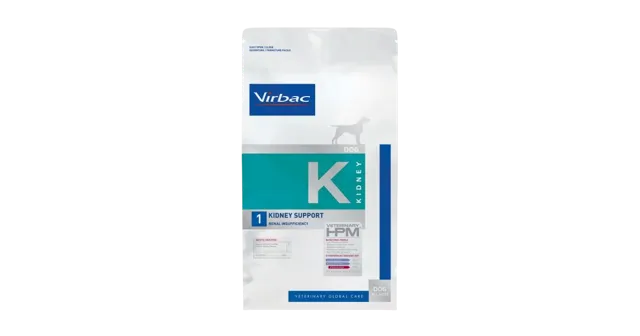
Virbac sells these under its Veterinary HPM Clinical name, a set of 8 dry diets built on a shared pork and poultry protein base. Each one is directed by the maker at a different named condition, from skin and joints through to kidneys, urinary stones, diabetes and weight.
Flavour
Virbac's set of 8 dry clinical diets, each aimed by the maker at a named condition, from skin and joints to kidneys, urinary stones, diabetes and weight. We do not put a score on them. They share a pork and poultry protein base, and the analyses spread widely because each diet has a different job.
Written by our editorial team. Independent guidance, not veterinary advice.
Life stages vary by diet: the skin and mobility diets are listed from puppyhood, the rest for adults or adults and seniors. Your vet sets which diet and how much.
Dry
Adult, Senior
Toy, Small, Medium, Large, Giant
Pork
A full vitamin and trace mineral panel with a dose on every line, down to folic acid and B12, plus added taurine at 1500 mg per kg and choline.
Named ingredients
Restricting one macronutrient and leaning on another is how a renal diet is usually assembled.
Six of the 8 open with dehydrated pork and poultry proteins, and hydrolysed pork and poultry proteins appear in every recipe. Poultry names a group of birds, and the animal fats name nothing. Five carry fish oil and one is built on hydrolysed fish protein.
Rice, potato starch, peas and faba bean hulls share the carbohydrate; lignocellulose, beet pulp and psyllium the fibre. Every recipe ends with Lactobacillus acidophilus. The analyses fan out by job: protein as fed from 20.5% to 34%, crude fibre from 4.5% to 15%, energy from 274 to 391 kcal per 100g.
20.5%
22%
5.5%
9%
22.5%
24.2%
6%
Estimated breakdown of the finished product by ingredient category, from the declared ingredient list and ingoing weights. These are estimates, not measurements.
27.2%
61.6%
8.4%
2.8%
High energy means a smaller bowl still carries the calories.
Ingredients and nutrition are taken from manufacturer data. Retailer pricing is not yet live for this food.
Ranked shortlists that include foods like this one.

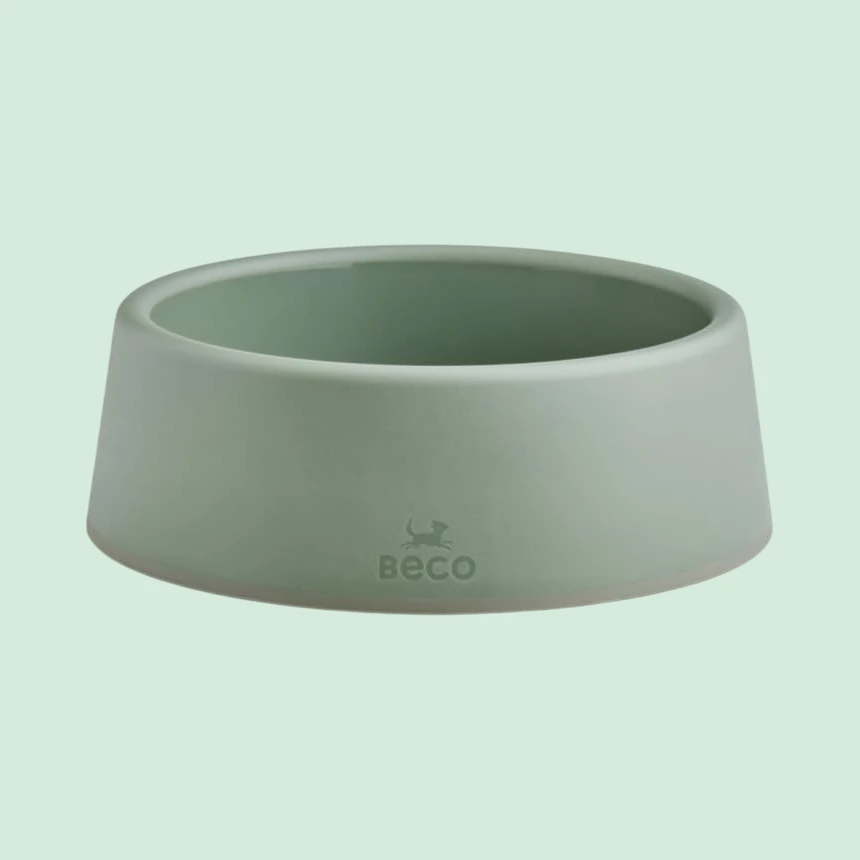
Beco
A recycled plastic dog bowl with a wide weighted base that stays where you put it.
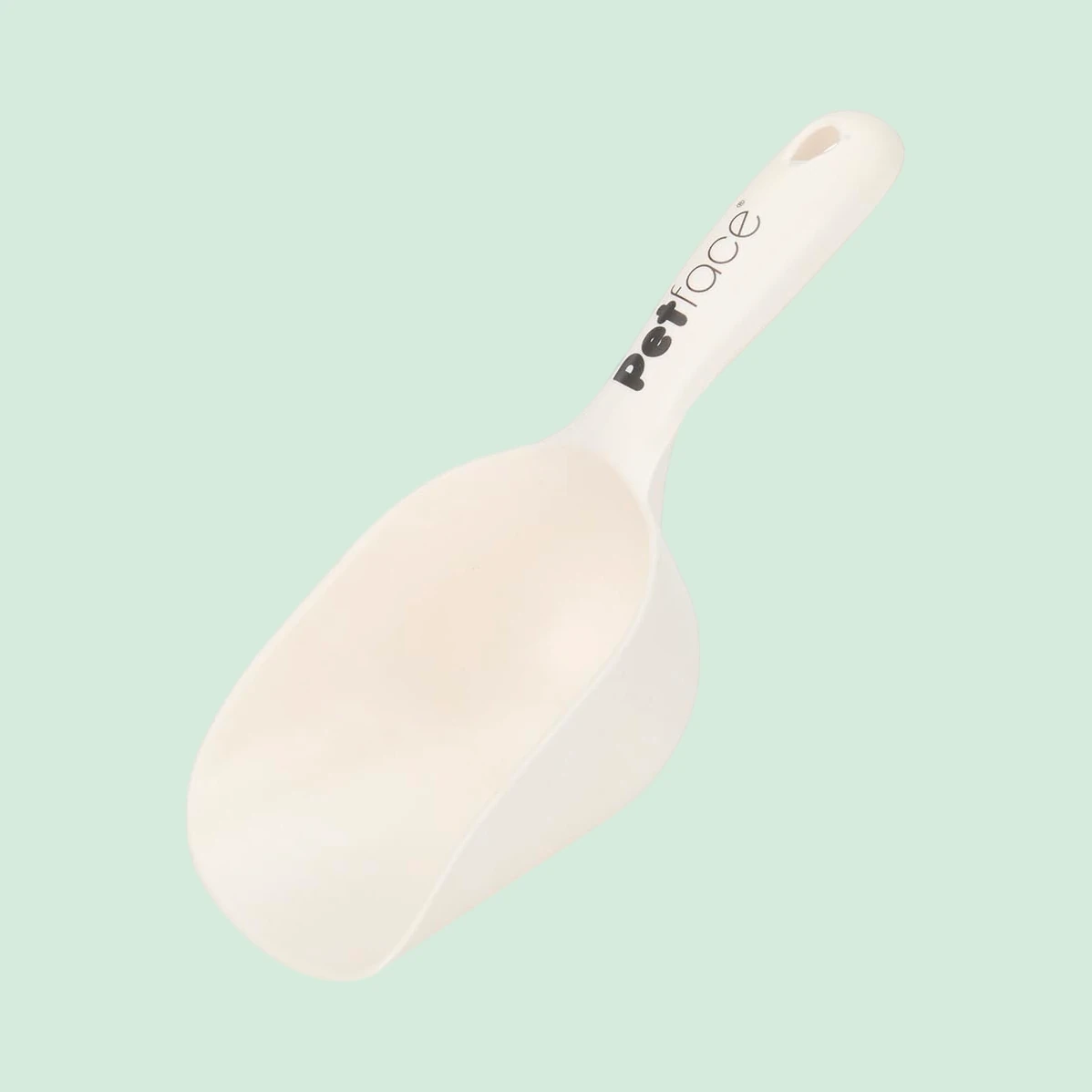
Petface
A light plastic food scoop that makes measuring kibble a daily habit.
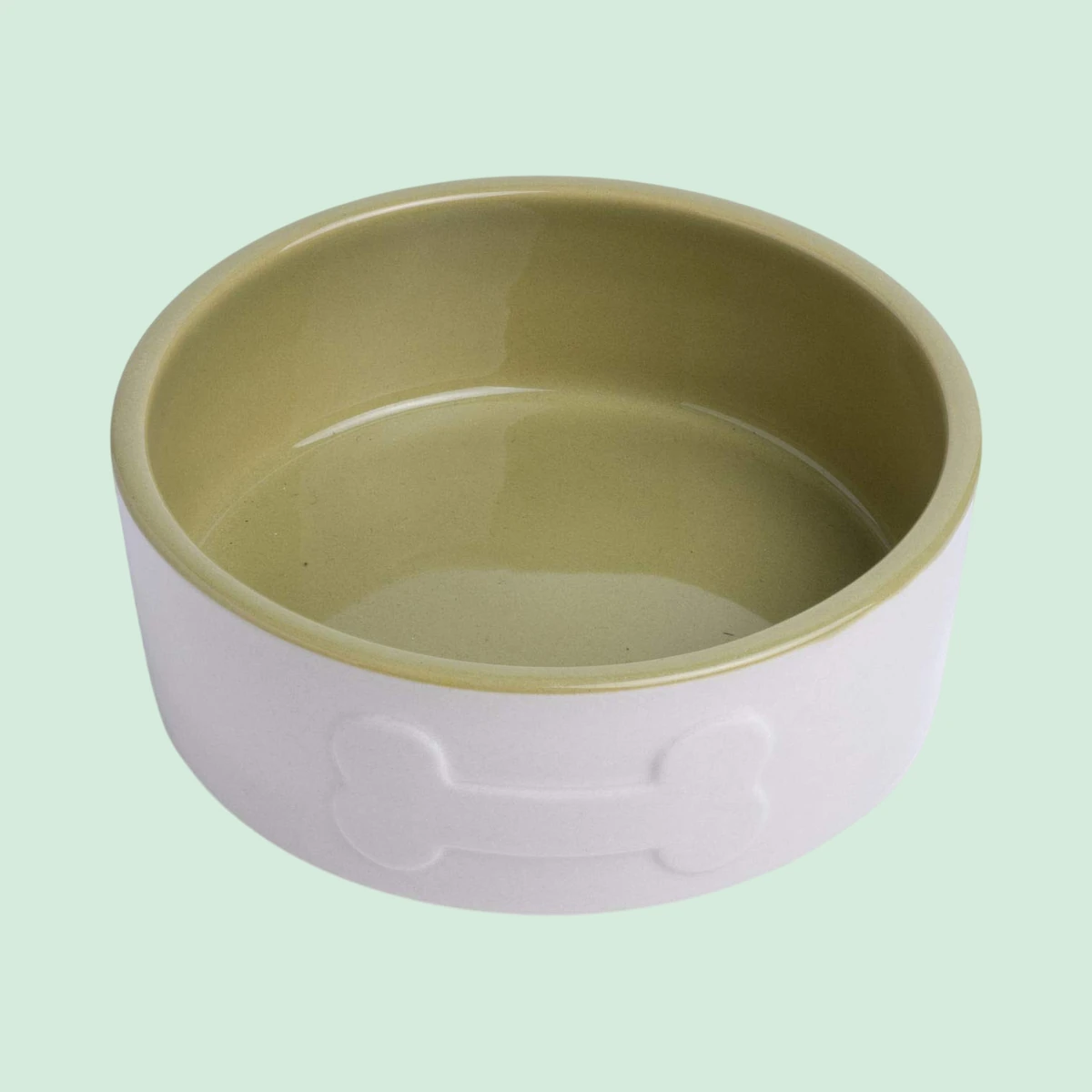
Petface
A 15cm ceramic dog bowl in cream and green, sized for toy and small breeds.
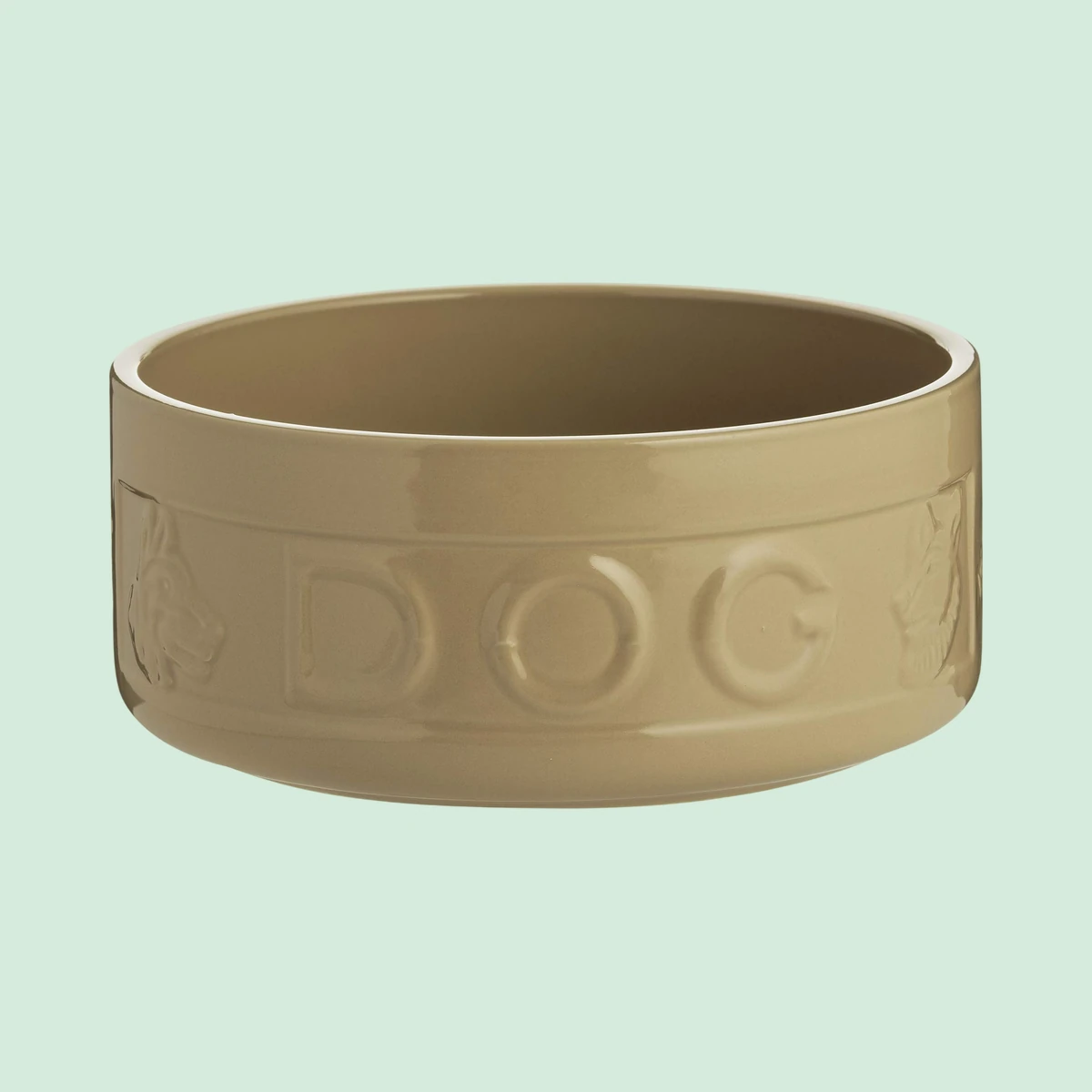
Mason Cash
The Derbyshire stoneware classic, a 20cm dog bowl holding 1.6 litres and dishwasher safe.