




79/100Excellent
3 varieties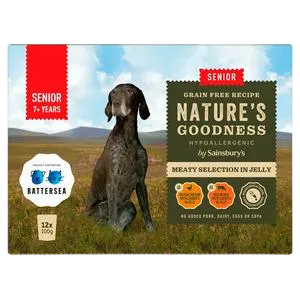
Sainsbury's
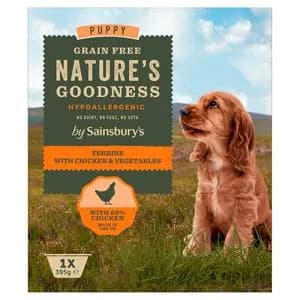
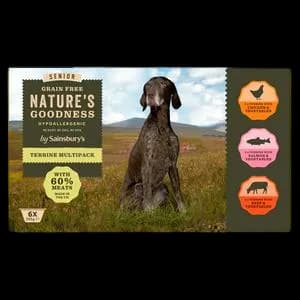
One recipe run across three ages, and it barely moves between them. Chicken and beef in jelly fill a 100g pouch, both declared with a percentage, and nothing on any list is a cereal. The puppy and senior pouches each add one small thing for their dog.
Written by our editorial team. Independent guidance, not veterinary advice.
The adult and senior pouches are listed for every size, the puppy pouch for growing dogs. Picture the daily pouch count for your dog's weight before committing to it as the whole diet.
Wet
Adult, Senior
Toy, Small, Medium, Large, Giant
Chicken
All three Good. Typical wet food: Excellent.
Three pouches bunched tightly together, a solid everyday recipe held back mainly by how little sits in a 100g serving.
Vitamin D3, vitamin E, iodine and zinc, each dosed per kilo.
Named ingredients
Lean and protein-forward, the shape an older dog wants.
Chicken leads every list, at 27% or 29%, with beef behind it at 16% or 14%, so every pouch carries both. Dried carrot at 1% rebuilds to 8.5% carrot, then come chicory root and a run of berry and leaf powders at tiny amounts. No cereal appears on any of the three.
Protein converts to between 42.1% and 47.2% of dry matter, a strong reading for food this wet. What varies is the tail: linseed oil and potato starch in the puppy pouch, glucosamine and chondroitin in the senior.
Estimated using Modified Atwater factors*
8.5%
5%
0.5%
2%
82%
47.2%
27.8%
2.8%
11.1%
11.1%
Estimated breakdown of the finished product by ingredient category, from the declared ingredient list and ingoing weights. These are estimates, not measurements.
43%
33.5%
1.1%
22.4%
Fed to the label, about 800 grams a day for a 15 kg dog.
Budget end of the market for a wet food, though the price runs a little ahead of what the analysis shows.
Ingredients and nutrition are taken from manufacturer data. Retailer pricing is not yet live for this food.
Ranked shortlists that include foods like this one.
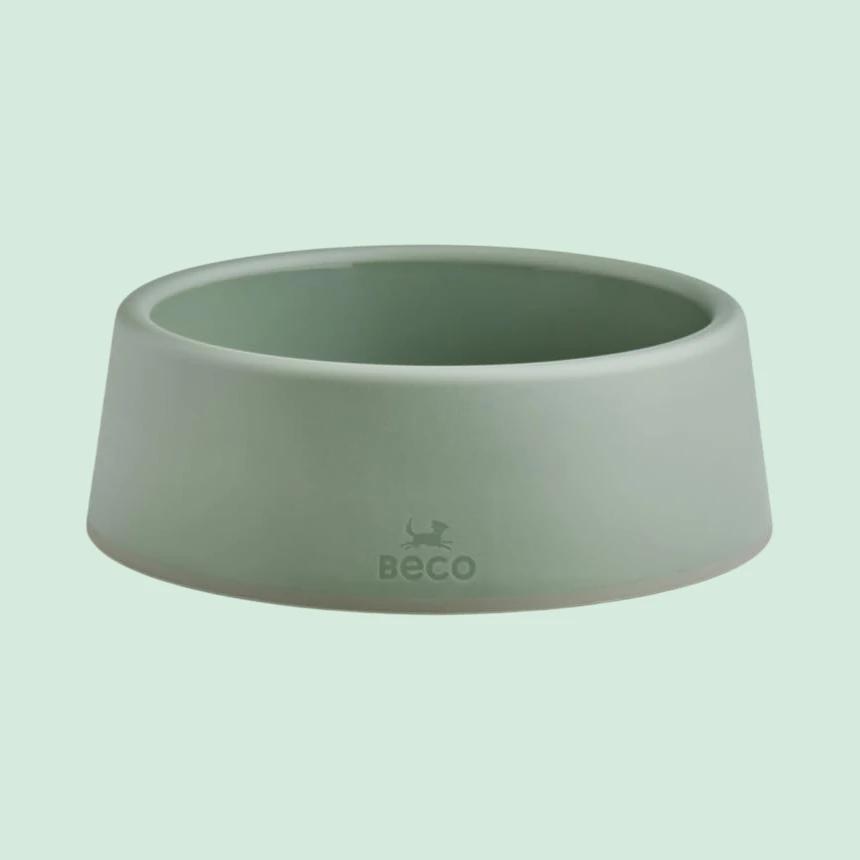
Beco
A recycled plastic dog bowl with a wide weighted base that stays where you put it.
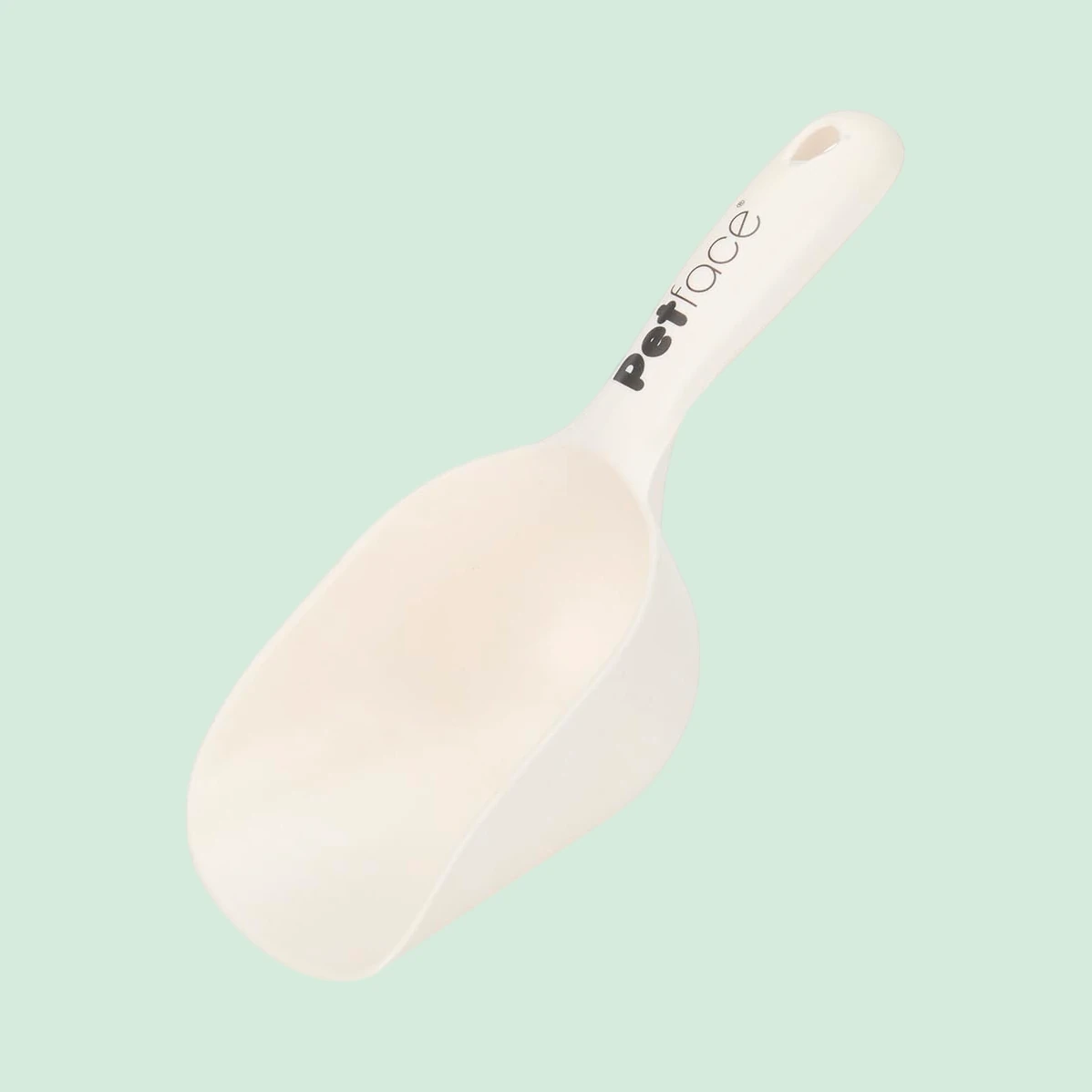
Petface
A light plastic food scoop that makes measuring kibble a daily habit.
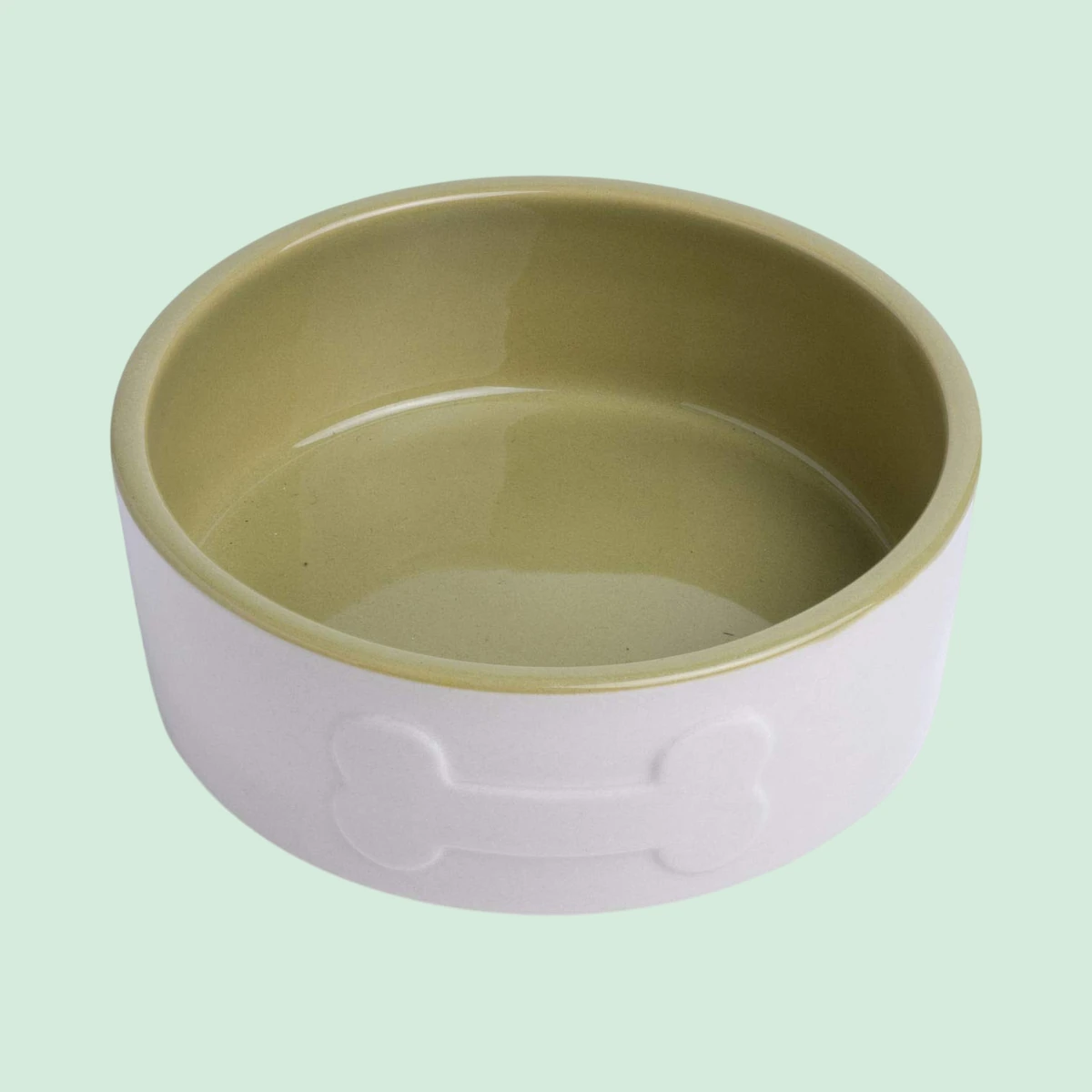
Petface
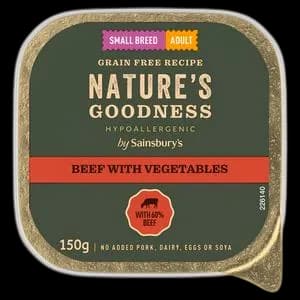
A 15cm ceramic dog bowl in cream and green, sized for toy and small breeds.
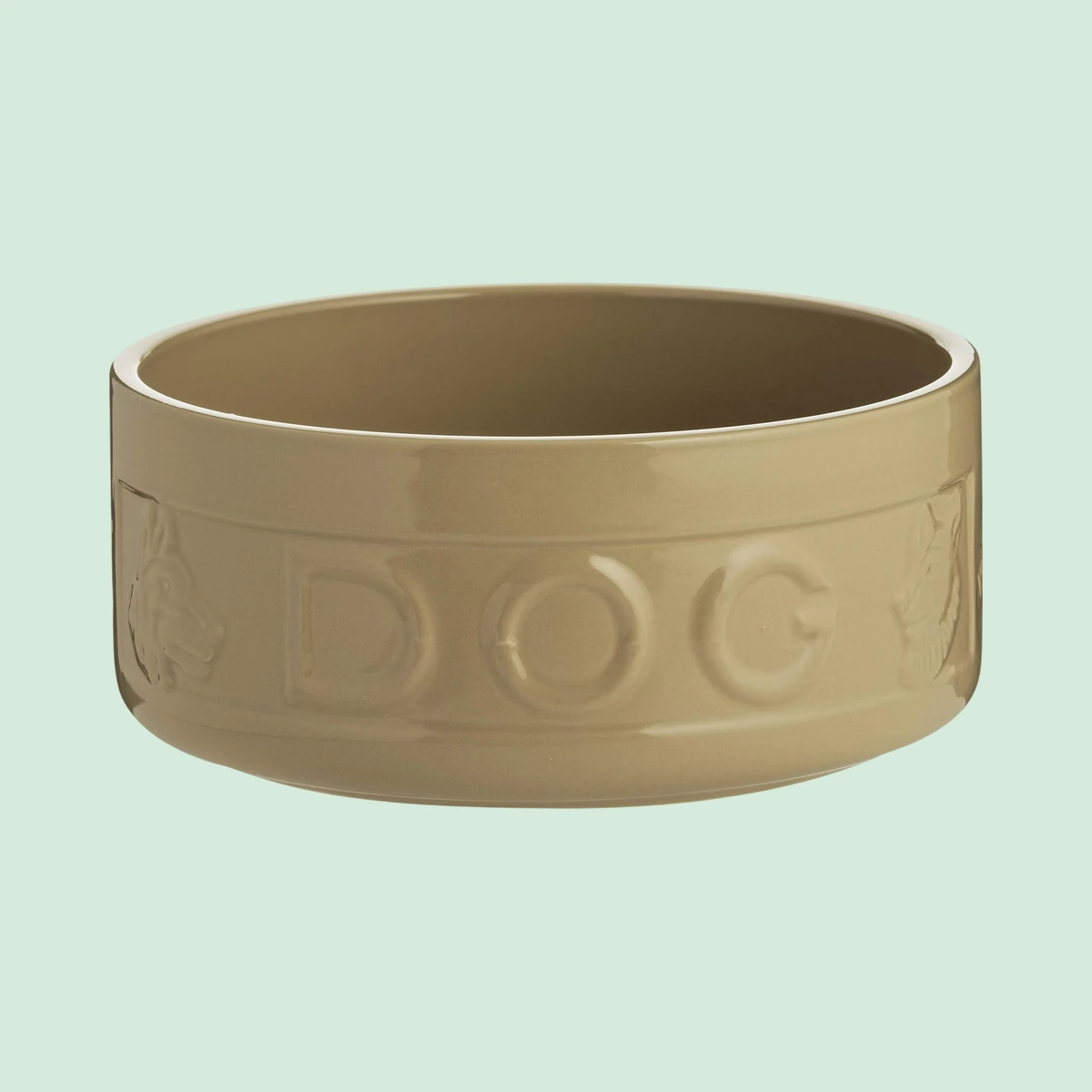
Mason Cash
The Derbyshire stoneware classic, a 20cm dog bowl holding 1.6 litres and dishwasher safe.