



54/100Good
4 varieties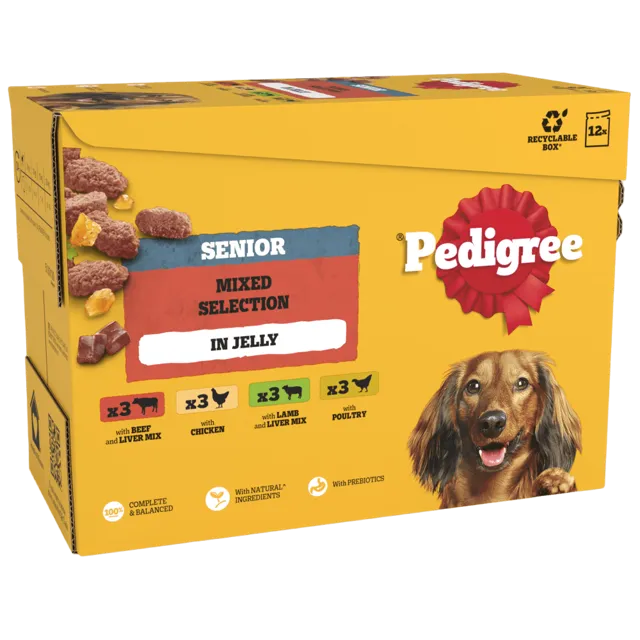
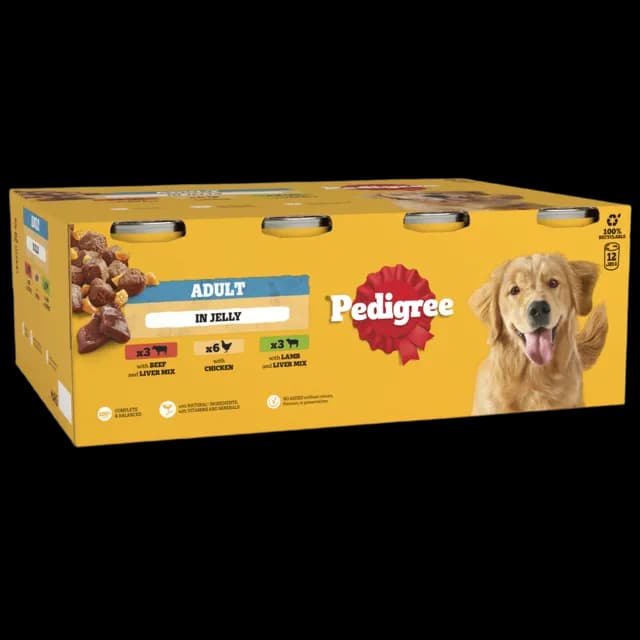
Pedigree
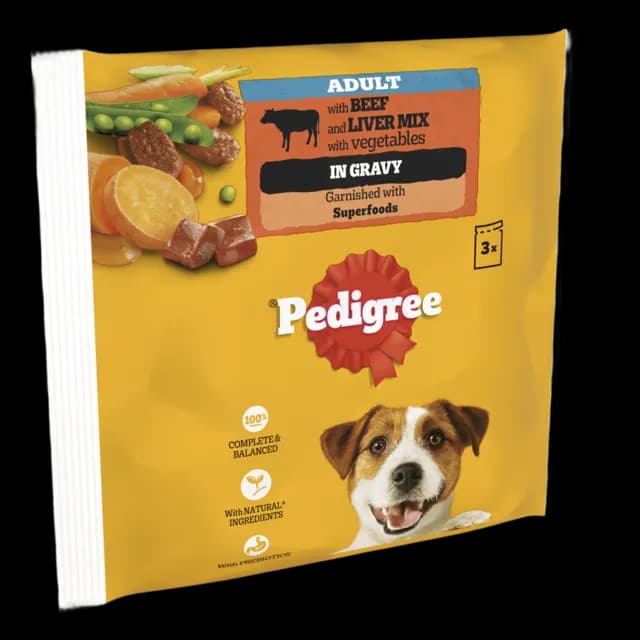
A senior wet food in two formats, a jelly pouch selection and a case of loaf tins. Both are soft, moist, moderate meals an older dog will eat happily, with pork liver the most useful thing on either list. Both land in our Average band, the pouches nearer the top of it.
Affiliate link. As an Amazon Associate, Off the Leash earns from qualifying purchases.
Written by our editorial team. Independent guidance, not veterinary advice.
Listed for adults and seniors of every size. Both are fed to the makers' charts, so let your dog's condition guide the scoop.
Wet
Adult, Senior
Toy, Small, Medium, Large, Giant
Pork
All two Average. Typical wet food: Excellent.
Neither format feeds a dog badly; they feed it without saying what is in the bowl, and the pouches come closer to leaving Average.
Vitamin D3, vitamin E at a generous 90.0 mg per kilo, and copper, iodine, iron, manganese and zinc as sulphates and iodate, plus cassia gum to set the jelly.
Cassia gum at 2100 mg per kilo sets the jelly, and the oils and fats are unnamed.
Named ingredients
The better analysis of the two, and the clearest sign the recipe was adjusted for age.
Both formats build on meat and animal derivatives, with the named meats a small declared part of it and pork liver in every recipe. Cereals go unnamed throughout, and dried beet pulp at 0.5% is the named fibre on both.
The pouches add vegetable protein extracts, unnamed oils and fats, yeast and cassia gum to set the jelly. The tins are shorter, with no plant protein extract and no thickener. The added panels are dosed, with more vitamin E in the pouches.
8.4%
4.7%
0.5%
2.1%
82.5%
48%
26.9%
2.9%
12%
10.2%
Estimated breakdown of the finished product by ingredient category, from the declared ingredient list and ingoing weights. These are estimates, not measurements.
100%
Middle of the market for a wet food, and you pay more than the analysis shows.
Ingredients and nutrition are taken from manufacturer data. Retailer pricing is not yet live for this food.
Ranked shortlists that include foods like this one.
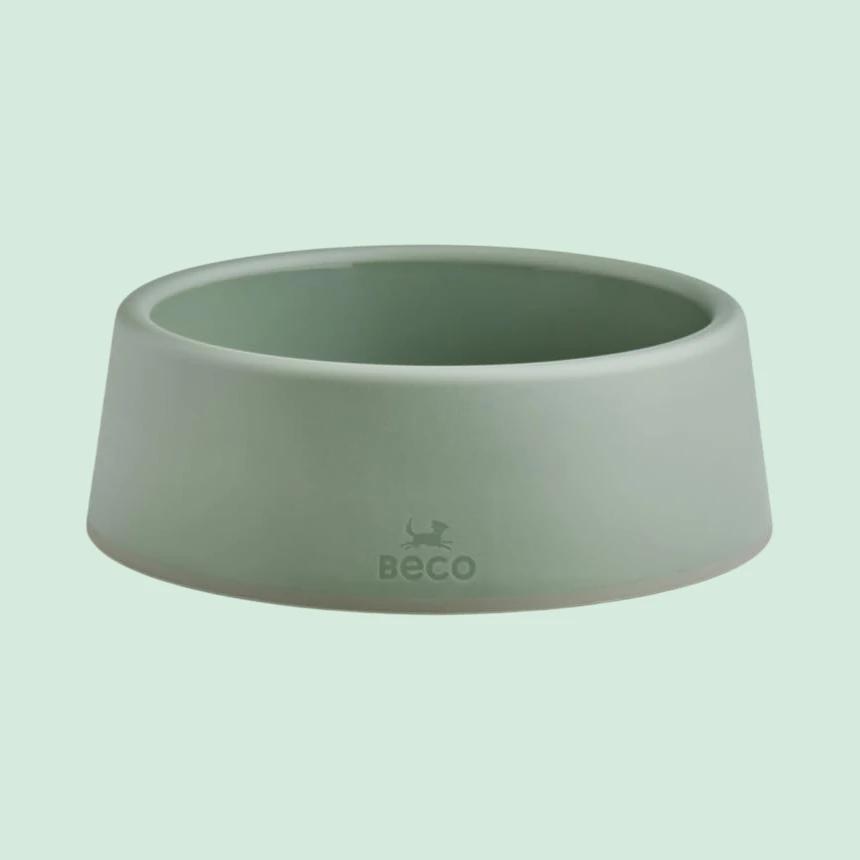
Beco
A recycled plastic dog bowl with a wide weighted base that stays where you put it.
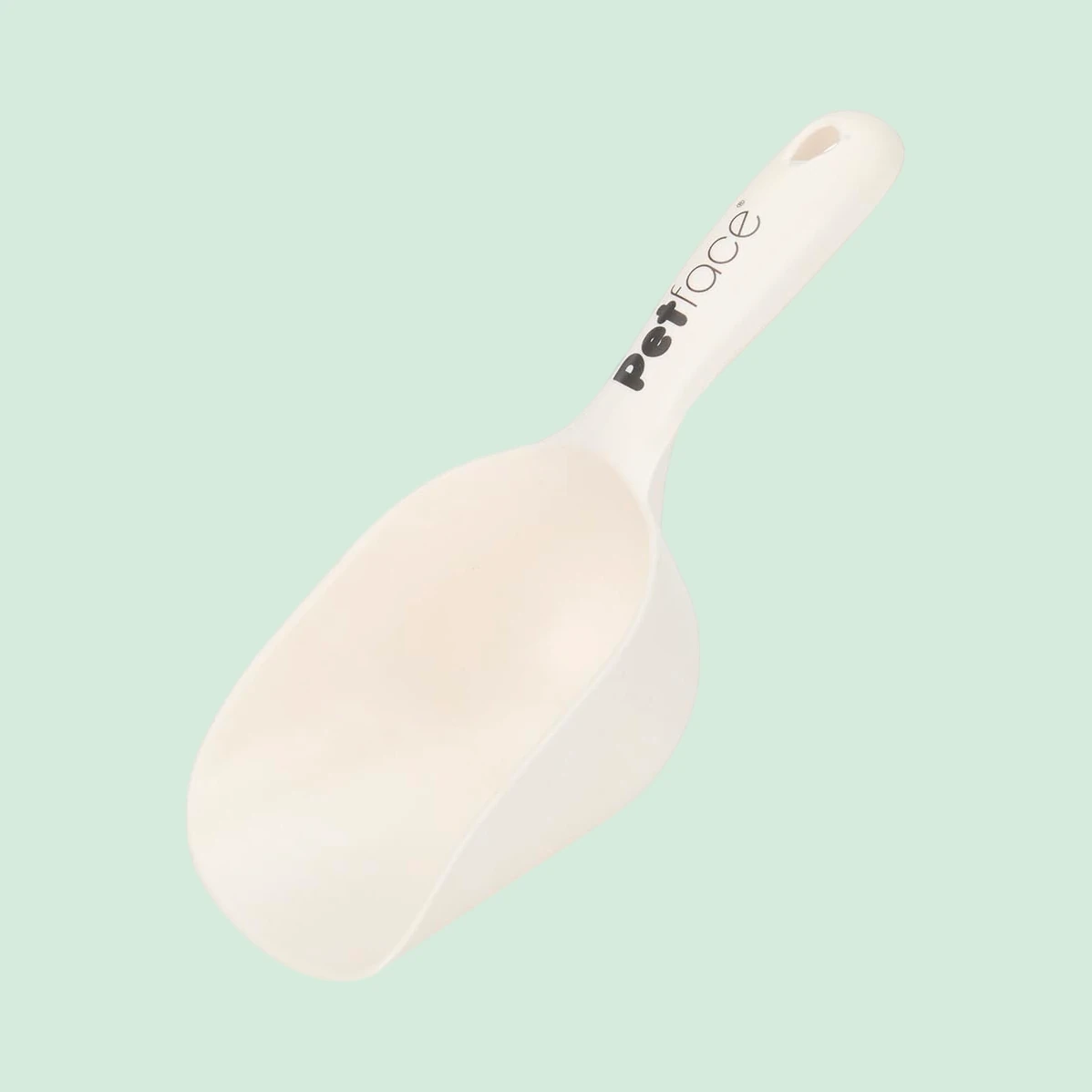
Petface
A light plastic food scoop that makes measuring kibble a daily habit.
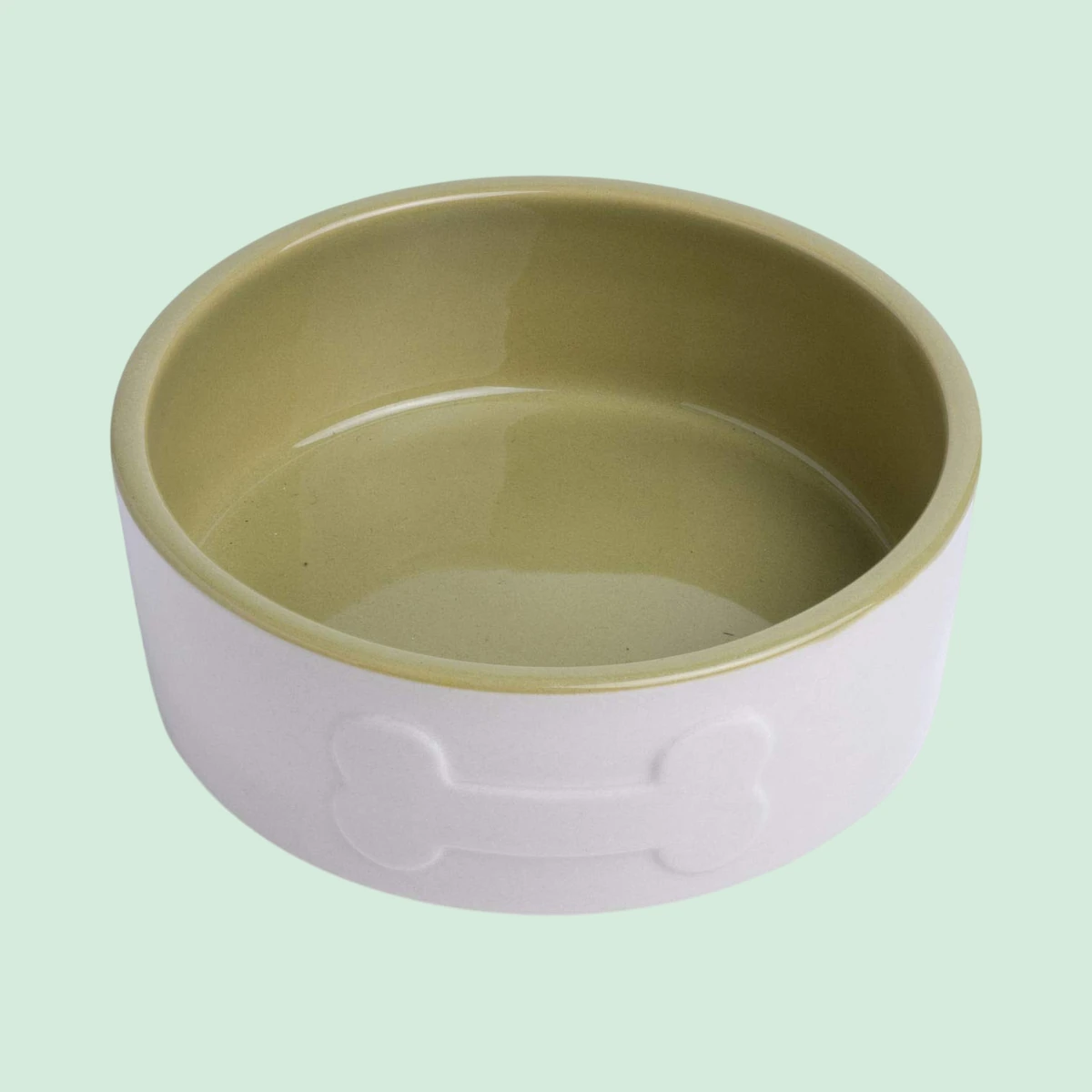
Petface
A 15cm ceramic dog bowl in cream and green, sized for toy and small breeds.
Mason Cash
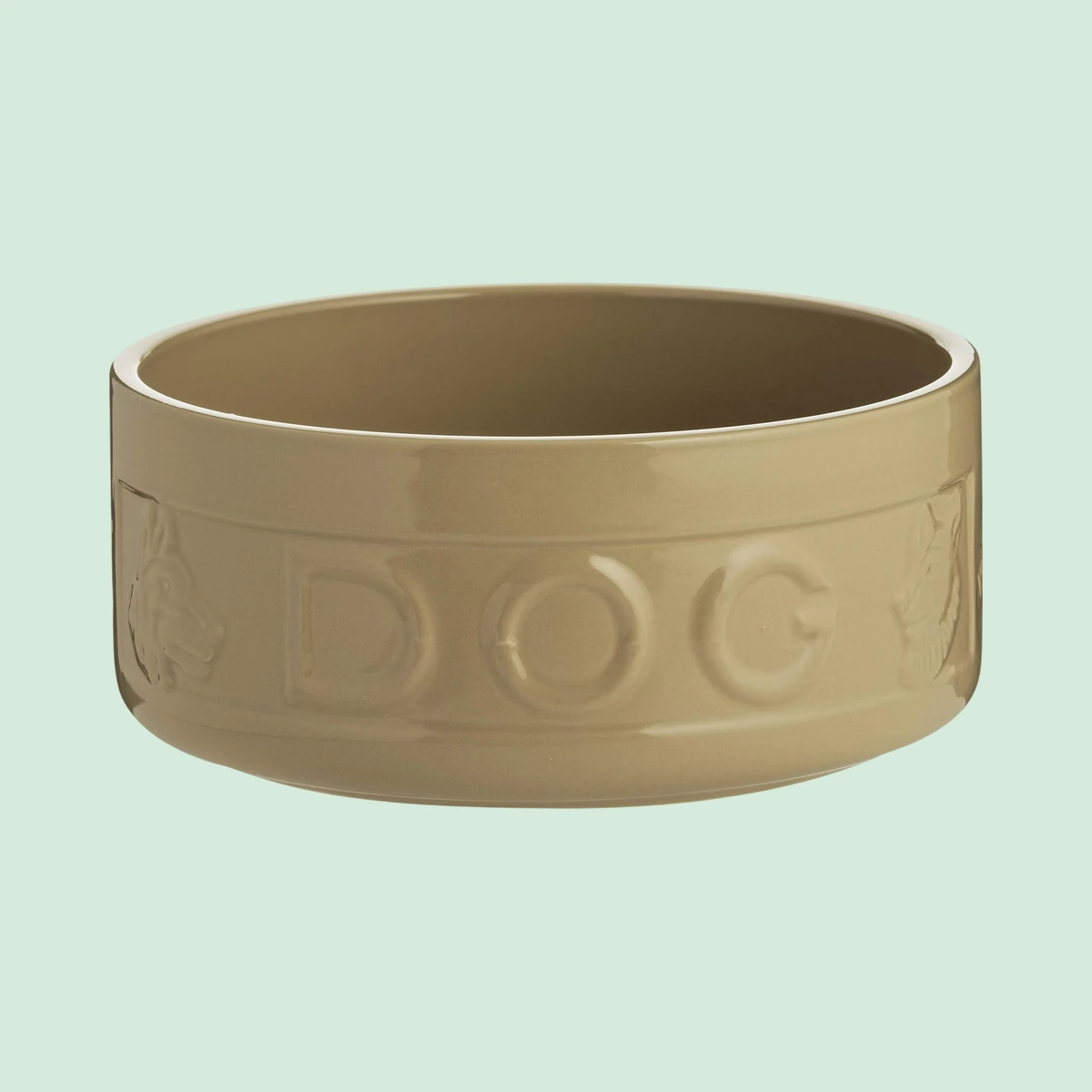
The Derbyshire stoneware classic, a 20cm dog bowl holding 1.6 litres and dishwasher safe.