


64/100Good
4 varieties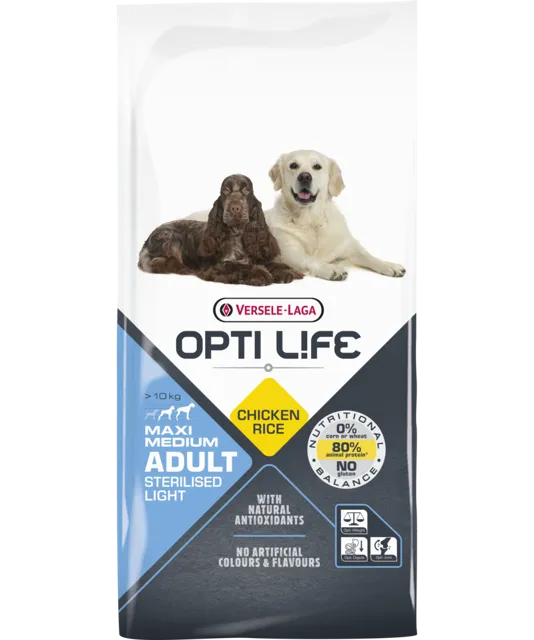
Opti Life
Flavour
The brand's chicken and rice recipe rebuilt for a dog that gains weight without trying. Fat drops, cellulose goes up and L-carnitine is added, the standard light-diet moves. Dehydrated chicken still leads both labels, so the meat has not been traded away. Both bags sit in our Good band.
Affiliate link. As an Amazon Associate, Off the Leash earns from qualifying purchases.
Written by our editorial team. Independent guidance, not veterinary advice.
One bag for small adults, one for medium and large. The portions are set for weight loss, so follow the bag and the waistline while your dog slims.
Dry
Adult
Medium, Large
Chicken
All two Good. Typical dry food: Good.
Both sit level with the shelf; the carbohydrate a light diet brings trims the balance reading, more so on the larger bag.
Vitamins A, D3, E and C, beta-carotene, taurine and L-carnitine, with iron, iodine, copper, manganese, zinc and selenium.
No moisture declared, so dry matter figures rest on an assumed 8%.
Named ingredients
The stricter cut of the two, for a medium or large dog with real weight to lose.
Both bags lead on dehydrated chicken matched by rice at the same share: 27% on the medium and maxi, 31% on the mini. Cellulose does most of the calorie-diluting, with beet pulp at 1% behind it, and L-carnitine is dosed at 40 mg per kilo on both.
Both carry an animal fat and hydrolysed animal proteins with no species, plus salmon oil and dried whole eggs. Glucosamine is 500 mg/kg on each. What varies is how hard the diet cuts: fat, cellulose and carbohydrate all move between the two bags.
24%
9.5%
4%
7.5%
26.1%
10.3%
4.3%
8.2%
51.1%
Estimated breakdown of the finished product by ingredient category, from the declared ingredient list and ingoing weights. These are estimates, not measurements.
35%
47%
8.1%
5%
4.9%
The daily portion is small because the bag portions for weight loss.
Mid-market for a dry food, though you pay a little more than the analysis alone would earn.
Ingredients and nutrition are taken from manufacturer data. Retailer pricing is not yet live for this food.
Ranked shortlists that include foods like this one.
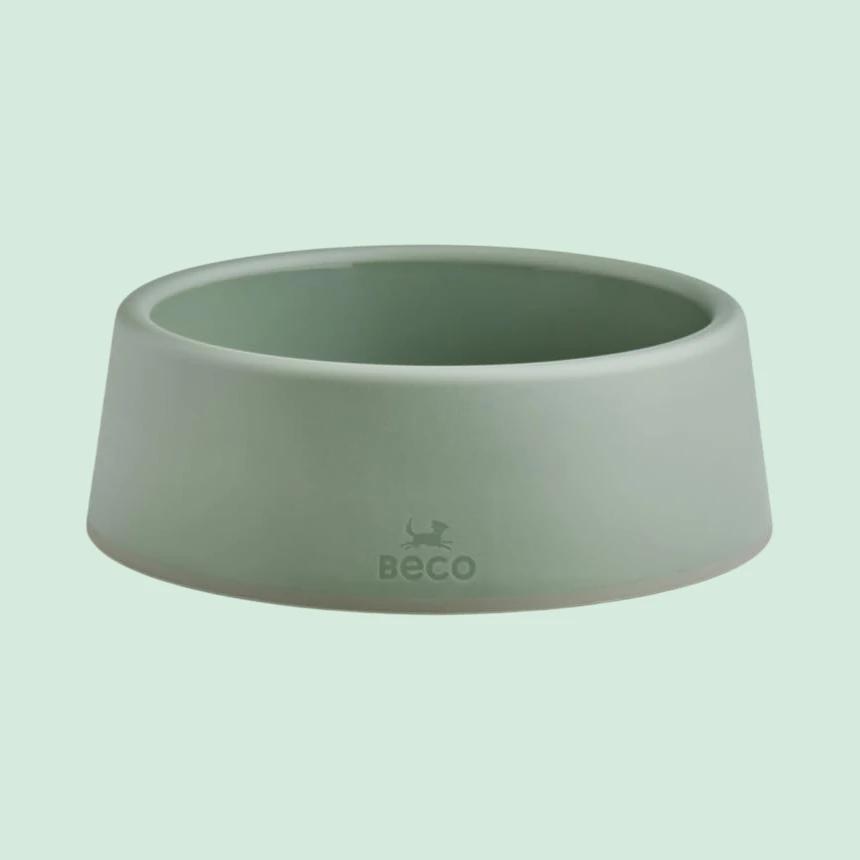
Beco
A recycled plastic dog bowl with a wide weighted base that stays where you put it.
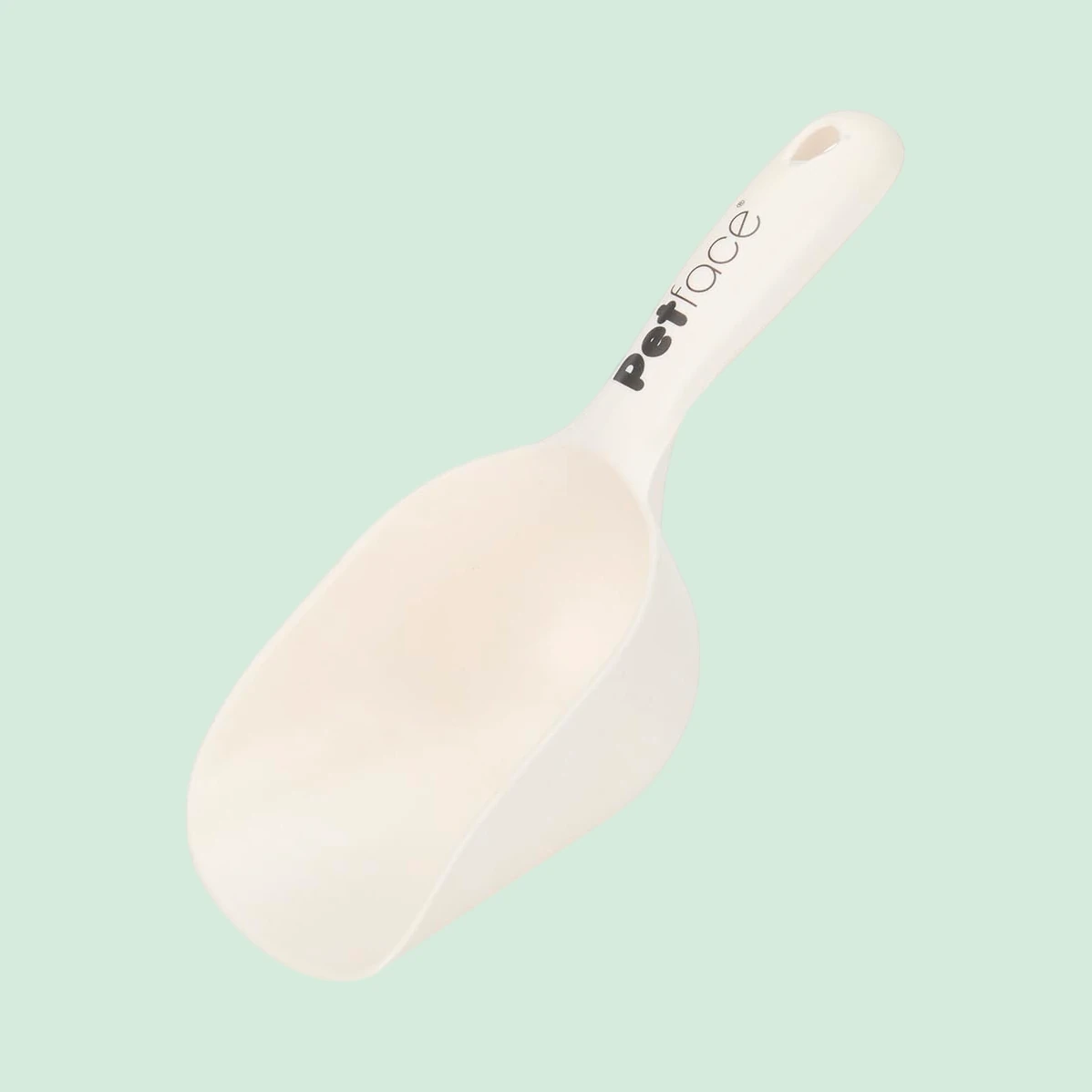
Petface
A light plastic food scoop that makes measuring kibble a daily habit.
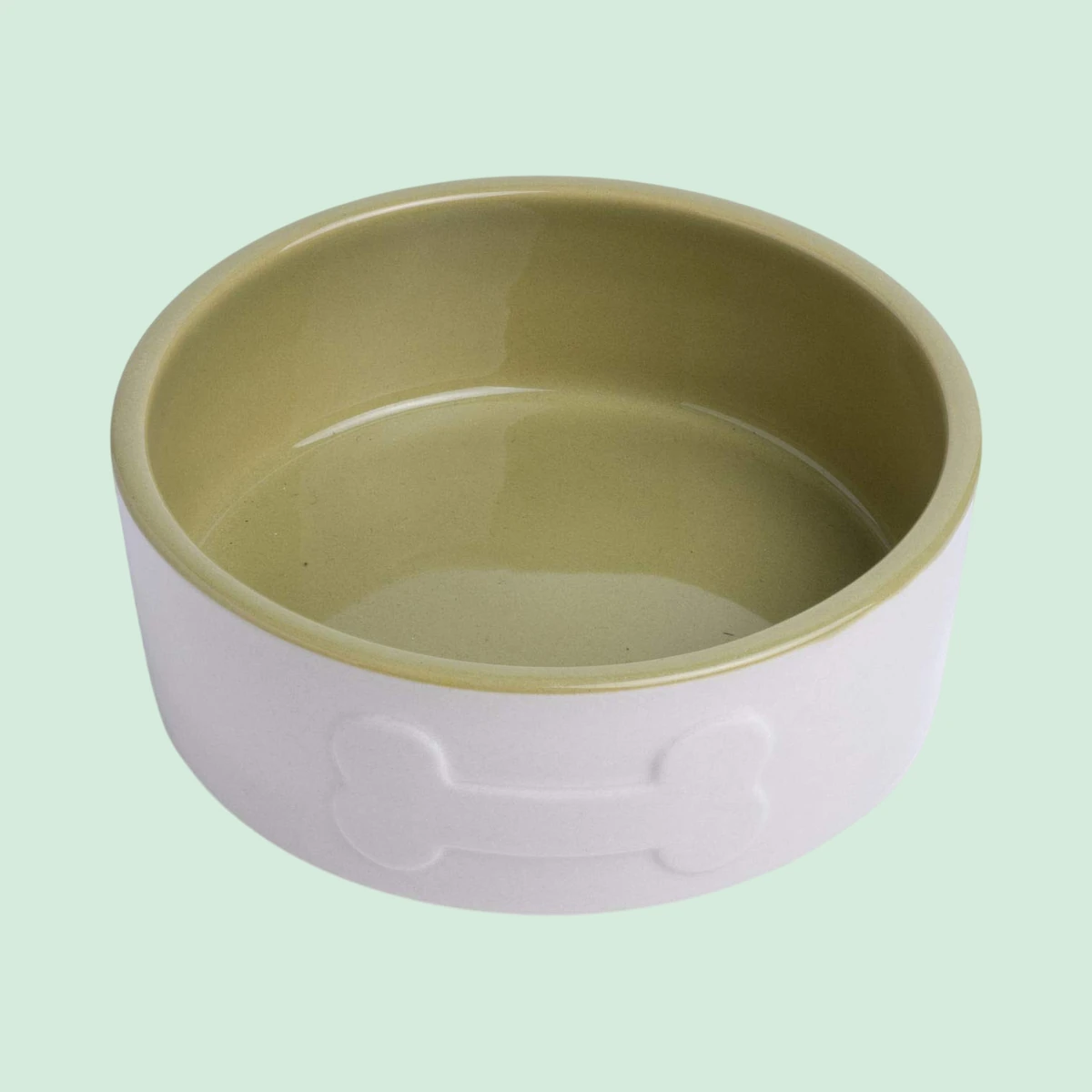
Petface
A 15cm ceramic dog bowl in cream and green, sized for toy and small breeds.
Mason Cash
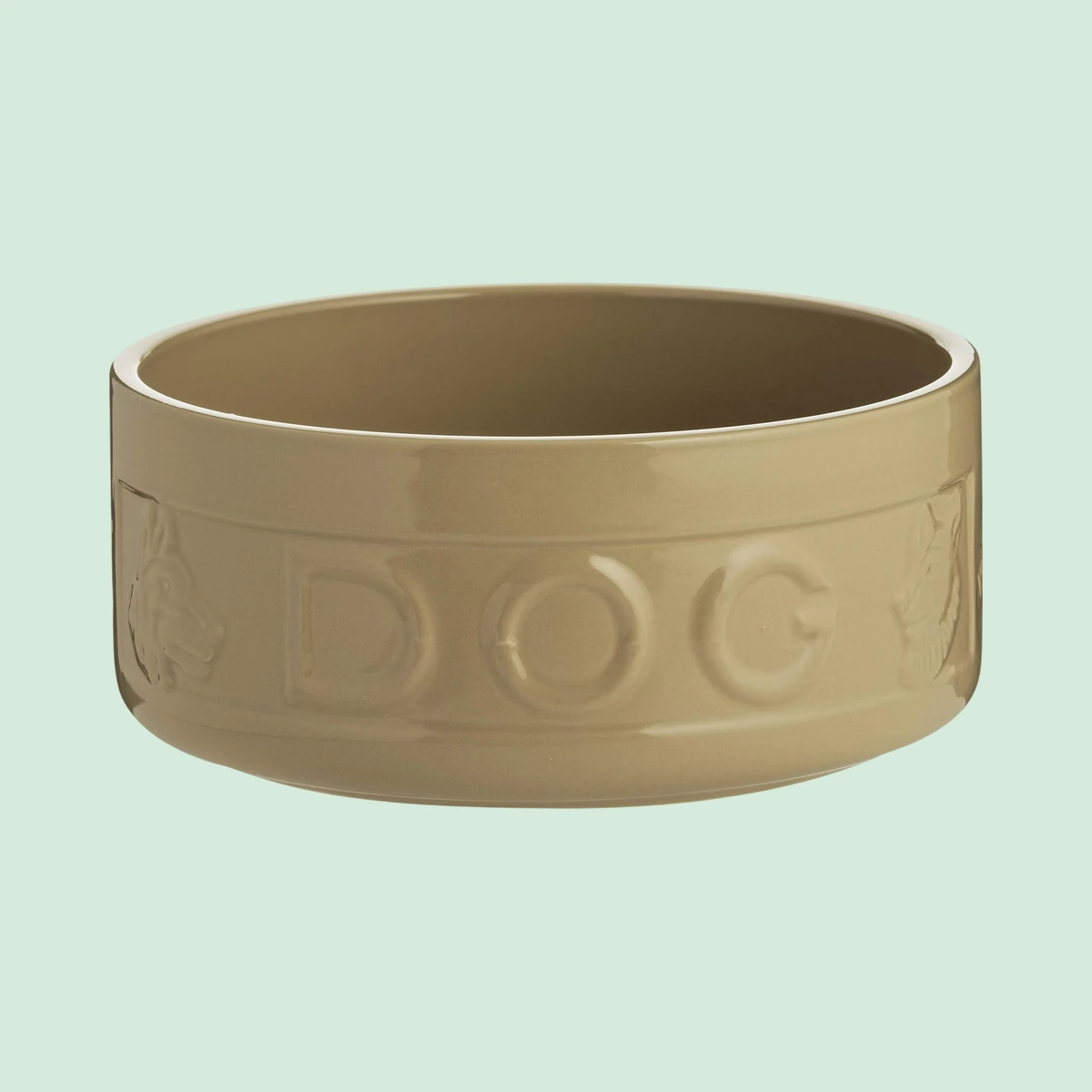
The Derbyshire stoneware classic, a 20cm dog bowl holding 1.6 litres and dishwasher safe.